
Tinubu accuses the Sahel, the AES reorients Abuja — the quarrel weakens the anti-jihad common front
 Marie Dubois
Tinubu accuses the Sahel, the AES reorients Abuja — the dispute weakens the anti-jihadist united front
Ouagadougou, August 6. In the offices of the Burkinabé Ministry of Foreign Affairs, the chargé d'affaires of the Nigerian embassy listens to the briefing from the three states of the Alliance of Sahel States (AES). He leaves with a firm message to convey to Abuja: the Sahelian armies should not be treated as variables in Nigerian security adjustments.
It all begins on July 30. In front of traditional leaders, President Bola Tinubu declares that the "collapse" of security in Mali, Burkina Faso, and Niger fuels kidnappings and terrorist attacks in Nigeria. A statement crafted for domestic public opinion. A gift for the Sahelian capitals, which were waiting for an opportunity to remind who truly holds the frontline.
A collective response, signed in Ouagadougou
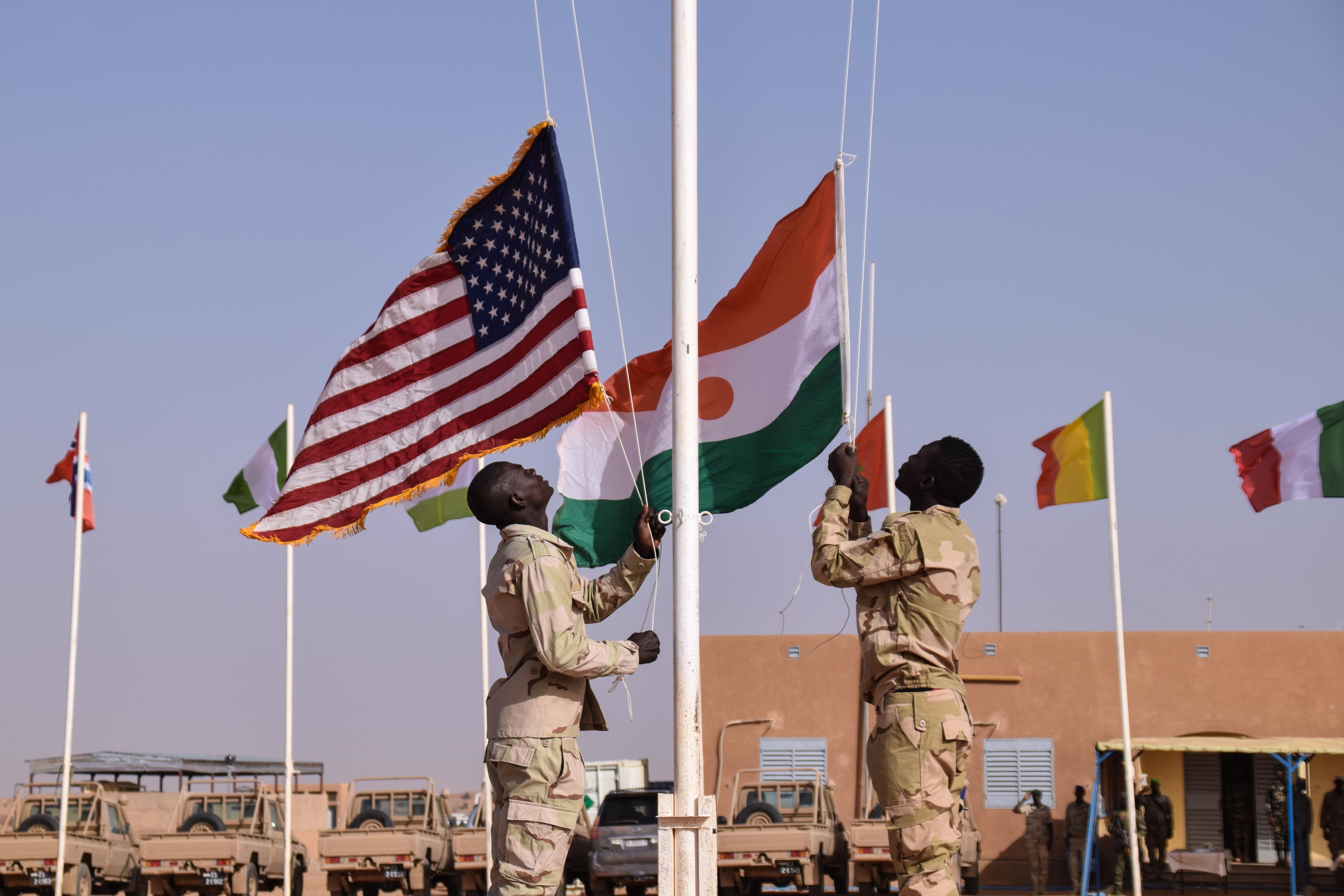
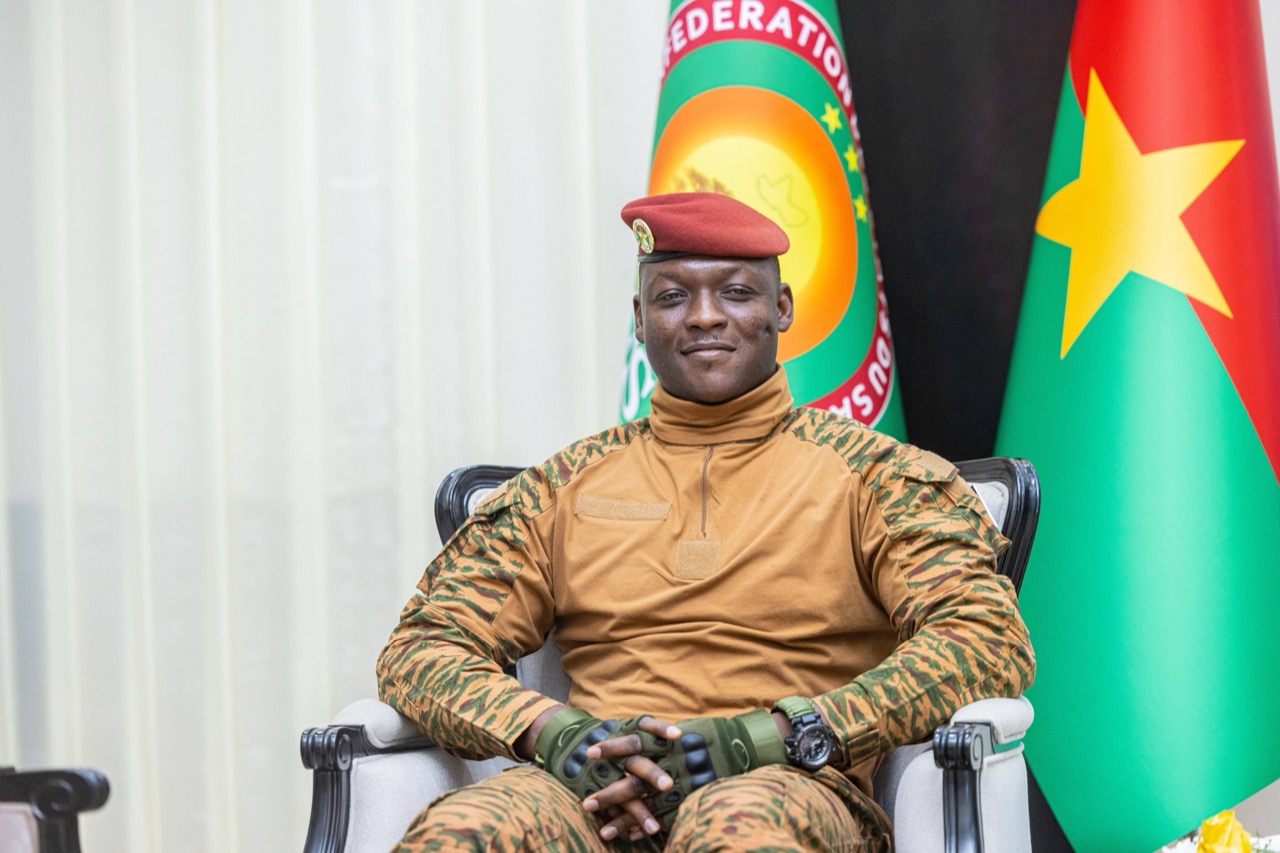
On Thursday, August 6, the three capitals of the AES receive the Nigerian diplomat. On behalf of Mali and Niger, the Burkinabé Minister of Foreign Affairs, Karamoko Jean Marie Traoré, describes Tinubu's analysis as "hasty, very simplistic, and surprising." The daily sacrifices of the Sahelian forces, he insists, cannot be reduced to a factor of insecurity for Nigeria. Blaming the neighbors, he adds, creates misunderstandings between peoples united by history and geography.
The details of the meeting — the exact agenda, the precise terms exchanged — remain partial; only the official statements are confirmed. The Nigerian chargé d'affaires has "taken note" and promised to convey the message to Abuja, while acknowledging the efforts of the Alliance in the fight against terrorism.
The reminder from Diffa
The strongest point of the AES response concerns Niger. The Nigerien army has been fighting Boko Haram for years, long before the Sahelian jihad spread to central Mali or eastern Burkina. In Diffa, on the shores of Lake Chad, it holds a line that neither its numbers nor its equipment justify. Hearing Abuja speak of "collapsed countries" that export their insecurity, from a state whose northeast remains the historical stronghold of Boko Haram, is at best a case of selective amnesia.
The AES also reminds that it has never publicly blamed Nigeria, despite the established connections between Boko Haram and certain armed groups in the region. "Burkina Faso, Mali, Niger, and Nigeria face the same enemy," concluded Traoré.
The paradox of Abuja
The most striking aspect of this sequence is the contrast with the official Nigerian line. Three days earlier, in Cotonou, the new Minister of Defense, General Christopher Musa, called for a "unified alliance" between ECOWAS and the AES against terrorism and transnational criminal networks. The same week, the Nigerian president blamed the AES countries for the degradation of national security. Two messages, two worlds.
Abuja is not new to contradictory gestures. In December 2025, the AES had detained an aircraft and eleven Nigerian soldiers after an emergency landing in Burkina Faso, amid accusations of airspace violation. The crisis was resolved by sending a messenger from Tinubu to Ibrahim Traoré. These channels are fragile; the rhetoric of July 30 further weakens them.
A dispute that does not stop at borders
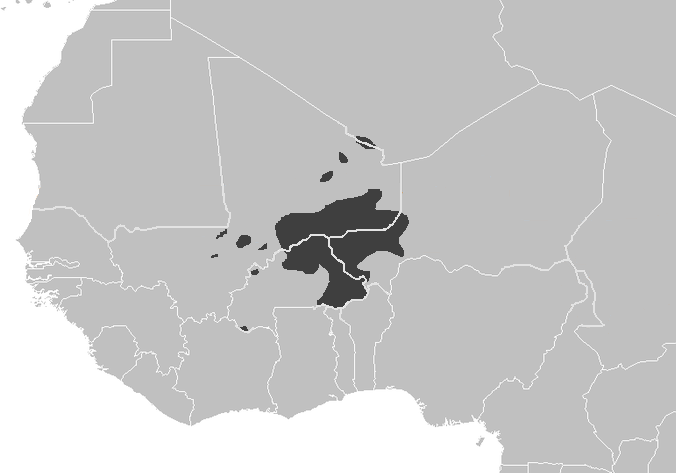
On the ground, the threat does not recognize the debates of Ouagadougou. JNIM struck the state of Kwara, in central Nigeria, in February 2026 — a historic first, hundreds of kilometers from its Sahelian base. The groups from Lake Chad move from Niger to Nigeria as easily as changing tracks. The logic of control zones, which I learned in Mali and Niger, dictates that one strikes the enemy where it is, not where diplomacy places it.
However, discord has an immediate operational cost: when capitals stop communicating, liaison officers cease to exchange intelligence. The Multinational Joint Task Force of the Lake Chad Basin, already fragile, relies on these channels. The AES now has its own unified force, backed by Russian instructors from the African Corps; Abuja, on the other hand, hosts American instructors. Two blocs, two leaders, one common enemy — this is the exact recipe for proxy wars that jihadist groups have exploited for twenty years.
Who benefits from the dispute
"Burkina Faso, Mali, Niger, and Nigeria face the same enemy," reminded Karamoko Jean Marie Traoré. The statement is accurate. The problem is that in Abuja as in Ouagadougou, sometimes the designated enemy is preferred over the real enemy.
The emirs of JNIM and the commanders of Boko Haram watch this exchange of blows with keen interest. Every public accusation, every embassy summons, every threat of border closure is for them another recruitment argument in villages that counterinsurgency has already drained of their trust.
What to watch for
The AES response remains, for now, diplomatic. But three signals deserve attention. First, the reiteration: if Tinubu repeats his diagnosis, the briefing will become a summons. Next, the borders: a hardening in Diffa or Maradi would have immediate economic consequences for both countries. Finally, the Nigerian presidential election of 2027 is approaching; security will be the central axis, and the Sahel a convenient target for the campaign.
During my time in Diffa and Gao, one rule has never been disproven: counterinsurgency is won in joint command posts, not in the stands. Nigeria remains the regional anchor without which nothing holds; the AES, on the other hand, holds the ground that cannot be bypassed. They need each other. The question is not who is right — it is who, in the meantime, will reap the dividends of their quarrel. The answer is clear: it will not be Abuja, and it will not be Ouagadougou.
Nigerian President Bola Tinubu accused Sahel countries of contributing to Nigeria's security issues during a speech on July 30. In response, the Alliance of Sahel States (AES) criticized Tinubu's remarks as simplistic and emphasized their collective efforts against terrorism. Diplomatic tensions have arisen, impacting regional cooperation in counter-terrorism efforts, as both Nigeria and the AES face common threats from groups like Boko Haram.
- Nigerian President Tinubu accused Sahel countries of contributing to Nigeria's security issues.
- The AES responded firmly, emphasizing their sacrifices and unity against common threats.
- Diplomatic tensions have implications for regional security cooperation.