
Trump 90 Minute Putin Call Leaves NATO Exposed Before Ankara
 Alexandra Reeves
Trump 90 Minute Putin Call Leaves NATO Exposed Before Ankara
Ninety minutes with Vladimir Putin is not a peace process. It is a stage. The problem for NATO is that Donald Trump appears ready to walk onto it at the Ankara summit with Ukraine, Europe, and the alliance itself all trying to work out whether they are participants or scenery.
According to The Guardian, Trump spoke with Putin for 90 minutes on Saturday before the July 7-8 NATO summit in Turkey. Kremlin aide Yuri Ushakov said Trump had offered to help find a rapid solution to the war. Volodymyr Zelenskyy then said he had also spoken with Trump and described the call as very good, adding that the two leaders discussed the 1,200km front line and would continue talks at the NATO meeting.
That sounds tidy. It is not. The same 24-hour news cycle carried Russian claims that Kostyantynivka had fallen, Ukrainian denials that the city was under Russian control, and reports of Ukrainian drones hitting St Petersburg energy and port targets. Diplomacy is moving, but so is the war.
The Summit Is About Ukraine Even When It Pretends Otherwise
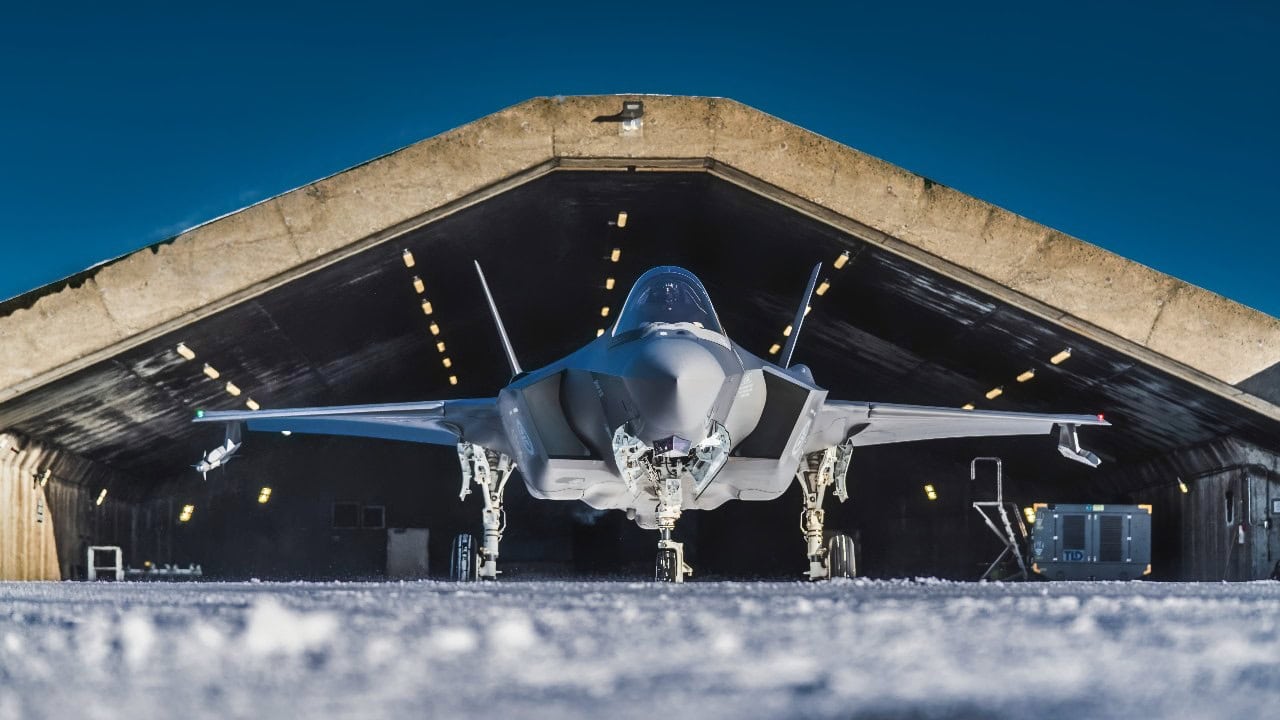
The formal agenda in Ankara will include burden sharing, defense industrial production, air and missile defense, and the Black Sea. Germany is already pushing for more European production of systems such as Patriot and Tomahawk. Ukraine backers are expected to promise more support. Turkey will want the Black Sea treated as a central theater rather than an afterthought.
But the real agenda is simpler: can NATO shape the terms of the Ukraine war, or is the alliance drifting behind a Washington-Moscow channel it does not control?
This is where the conventional read gets too comfortable. The easy assumption is that any Trump-Putin contact is automatically bad for Kyiv and any NATO summit automatically balances it out. That misses the harder point. The danger is not a single phone call. The danger is that the phone call becomes the main room, while the summit becomes a place where allies explain decisions already made elsewhere.
Russia Is Negotiating While Testing The Line
Moscow is not entering this moment from a position of strategic calm. It is pushing hard in Donetsk, still trying to turn battlefield pressure into political leverage. Kostyantynivka matters because it sits on the approach to the Kramatorsk-Sloviansk urban belt, one of the most important remaining Ukrainian defensive zones in Donetsk. Before the war the city had about 78,000 residents. Today it is another hard point in a grinding Russian campaign.
Russian officials claimed the city had been taken. Ukraine denied it. A Ukrainian army spokesperson told AFP, according to The Guardian, that small Russian groups had infiltrated the town but that fighting continued and the city remained under Ukrainian control. Zelenskyy mocked the Russian claim by suggesting Putin could meet him in Kostyantynivka if Moscow really held it.
That exchange matters because it shows how Russia uses battlefield claims as diplomatic ammunition. Capture a city, announce momentum, call for talks, and frame Ukraine as the side prolonging the war. Even when the military reality is messier, the political signal is useful.
Ukraine Is Building Its Own Leverage
Kyiv is not waiting politely for Ankara. Russia said Ukrainian drones hit a St Petersburg oil terminal, struck port infrastructure near Finland, and fell near the Peterhof complex without causing damage there. Moscow claimed it had downed almost 500 Ukrainian drones and 10 Flamingo missiles overnight, including 72 drones around St Petersburg and 62 headed toward Moscow. Zelenskyy also claimed Ukraine had struck the Kronstadt naval base.
Those numbers should be treated carefully because they come largely from Russian official statements. But the pattern is real enough: Ukraine is stretching the war into the Russian rear, especially against oil, port, and military infrastructure. St Petersburg is roughly 850km from the Ukrainian border depending on launch point and route. Hitting around that region forces Russia to defend not just the front, not just Moscow, but its Baltic-facing economic and naval space.
That is the military logic behind the diplomacy. Ukraine needs air defense systems to survive Russia missile and drone attacks on cities. It also needs long-range strike options to make Russia pay for keeping the war going. Patriot batteries, F-16 air defense patrols, electronic warfare, cheap interceptors, and deep-strike drones are not separate debates. They are the same argument over whether Kyiv can impose costs faster than Russia can absorb them.
Europe Has A Seat But Not Always A Hand
The uncomfortable part for Europe is not that Trump spoke to Putin. Great powers talk to enemies. The uncomfortable part is that European security still depends on American choices in ways European leaders prefer to describe as partnership.
At Ankara, NATO can promise more munitions, more air defense coordination, and more industrial cooperation. Those things matter. But if the political center of gravity shifts toward direct Trump-Putin bargaining, European pledges become supporting material unless Europe can turn money into deliverable military effect quickly.
That means real production, not summit language. Patriot interceptors, NASAMS missiles, 155mm artillery rounds, counter-drone systems, armored vehicles, spare parts for F-16 fleets, and repair capacity in Poland, Romania, Slovakia, and the Baltic region are the practical currency of influence. Europe gets a voice in this war to the extent that it can keep Ukraine armed without waiting for Washington to decide every package.
Zelenskyy said after his call with Trump that there is a real prospect to end this war and that American resolve will have a central meaning. He is right, but that sentence should make European capitals sweat.
The Ankara Test
So what should we watch? First, whether the summit produces a concrete air defense package for Ukraine rather than a recycled pledge. Second, whether NATO names the Black Sea as a live security frontier and not merely a regional issue for Turkey, Romania, and Bulgaria. Third, whether Trump uses Ankara to align allies before talking to Moscow again, or to inform them afterward.
The battlefield is telling the same story as the phone calls. Russia is trying to show that Ukrainian defenses in Donetsk are cracking. Ukraine is trying to show that Russian depth is no sanctuary. NATO is trying to show that it still controls escalation and support policy. Only two of those three things can be true for long.
The key finding is blunt: Ankara will not decide the war, but it may reveal who is setting the terms of the next phase. If NATO leaves Turkey with familiar language and no hard delivery schedule, the lesson for Moscow will be obvious. The alliance can still gather everyone in the room. It is less clear that it can decide what happens there.
Trump engaged in a 90-minute call with Putin ahead of the NATO summit in Ankara, discussing the Ukraine war. Ukrainian officials denied Russian claims of territorial gains in Kostyantynivka, while Ukraine launched drone strikes on Russian targets in St Petersburg. The NATO summit's agenda includes defense cooperation and support for Ukraine, with potential implications for the ongoing conflict.
- Trump and Putin had a 90-minute call before the NATO summit in Ankara.
- Ukrainian officials denied Russian claims of capturing Kostyantynivka.
- Ukraine conducted drone strikes on Russian infrastructure in St Petersburg.
- NATO's agenda includes discussions on defense and support for Ukraine.
- The outcome of the Ankara summit may influence future military dynamics.