
UAE and France Reintroduce Rafale F5 Program in 2026 Worth 3.5 Billion Euros to Test Gulf Air Independence
 Ahmed Al-Rashid
UAE and France Revive Rafale F5 Program in 2026 Worth €3.5 Billion to Test Gulf Air Independence
On October 23, 2026, Abu Dhabi and Paris returned to the Rafale F5 table after a financial dispute disrupted cooperation, signing a joint government framework to revive funding for the development of the next version of the fighter. The figure being discussed is €3.5 billion, but it does not represent the price of a squadron ready for delivery; rather, it is a contribution to a long-term development program, and this is a distinction that should not be lost amid the headlines of deals. For the UAE, the issue is not just about purchasing an additional aircraft, but an attempt to influence the shape of European air power over the next decade.
What Has Come Back to Life
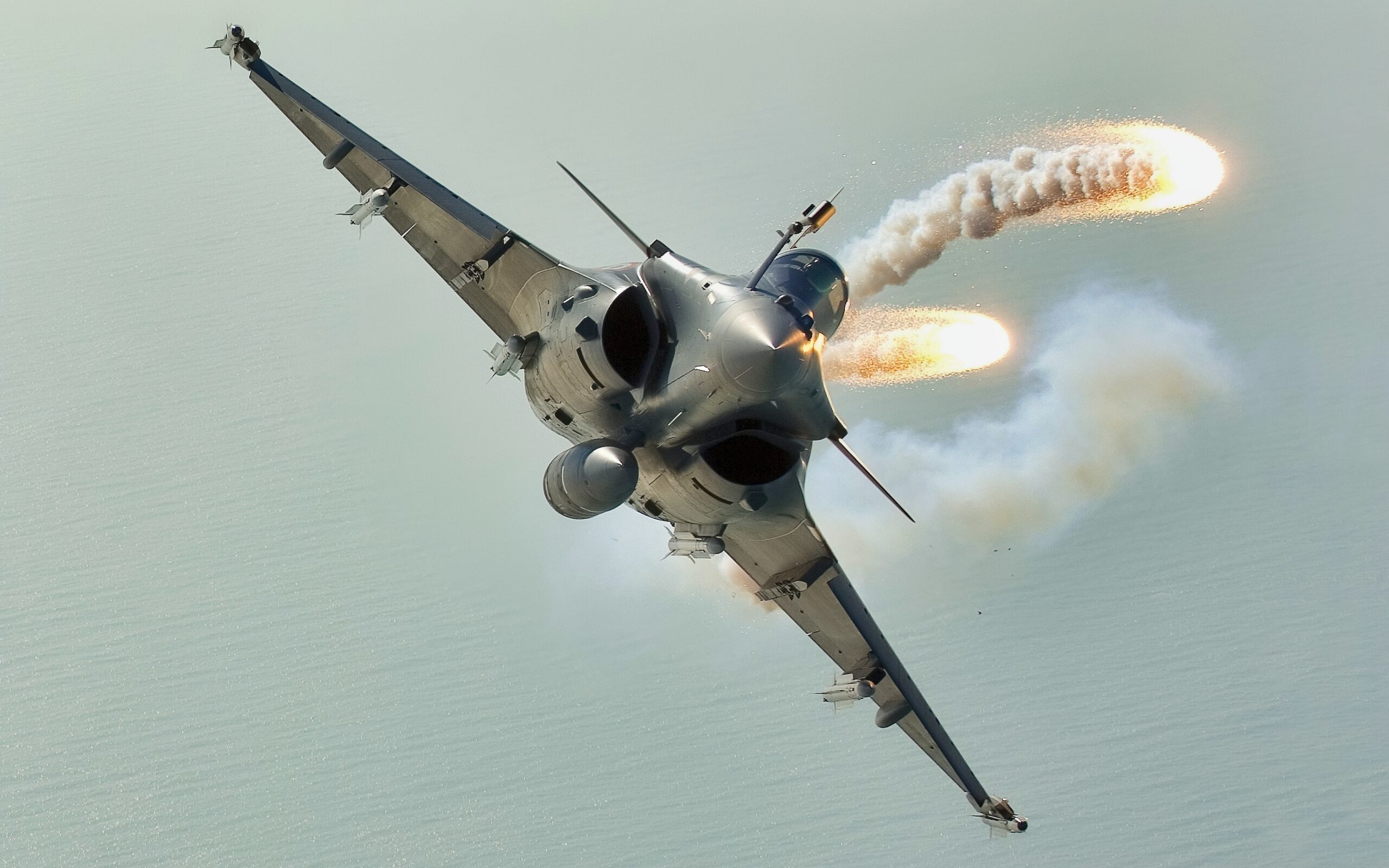
The Rafale F5 is a next-generation project within the Rafale family, not just an electronics upgrade package. The announced direction revolves around a more networked aircraft, deeper integration of artificial intelligence, and better capability to lead unmanned aircraft and engage in a heavily jammed environment. However, the final details regarding sensors, armament, and service entry dates have not been publicly finalized, so describing it as a stealth aircraft or a sixth-generation fighter would be more promotional than analytical.
The UAE requested 80 Rafale aircraft of the F4 standard in a 2021 deal and is awaiting the start of deliveries in the second half of the current contract. Reopening the F5 file gives Abu Dhabi the opportunity to reduce the time gap between its current aircraft and the future version, while also providing Dassault and the French Ministry of Defense with a partner to fund part of the industrial risks at a time when the French budget is under real pressure.
The Emirati Significance Goes Beyond the Aircraft
Practically, Abu Dhabi wants three things together. First, to ensure that it does not become a foreign user waiting for the supplier's approval for every modification and software. Second, to gain early leverage in the aircraft's architecture and unmanned systems, aligning with its ambition to build a local defense industry. Third, to have a relatively independent European channel from Washington, without abandoning American cooperation in reconnaissance, warning, and air defense.
However, this is where the limits of the deal appear. Development funding does not equate to owning source rights, and transferring some maintenance or manufacturing work does not equal technical independence. Even the best Rafale needs munitions, spare parts, software updates, and integration with a broad command and control system. If these layers remain in France or with Western partners, the slogan of defense sovereignty will remain partial.
Why France Needs Abu Dhabi
France is not just selling the UAE a platform; it is trying to protect a complete production line and industrial system. The Rafale has succeeded in several markets, but its transition to F5 requires ongoing funding, guaranteed demand, and the ability to distribute the costs of research and development. The new agreement alleviates the political and financial burden on Paris and gives it an argument that cooperation with the Gulf produces exportable technology, not just ready sales.
Nevertheless, it is essential to distinguish between a development partnership and a decision partnership. Paris will still have the final say in the aircraft's design, export controls, and protection of sensitive technologies. And Abu Dhabi, despite its financial influence, will not automatically gain the freedom to use or re-export every component. This is not a unique Emirati problem; it is the price of entering combat aviation industries that are not managed by simple buyer-seller logic.
The Impact in the Gulf
The return of the Rafale F5 places the UAE on a different path than Saudi Arabia and Qatar, which continue to diversify their fleets among Typhoon, F-15, Rafale, and others. Diversification gives the Gulf political flexibility, but it creates a heavy logistical burden: multiple training schools, different weapon stockpiles, incompatible data links, and separate maintenance chains. A large number of aircraft does not create superiority if the operations rooms cannot integrate them into a single air picture.
From a triad capability perspective, which includes equipment, training, and institutions, the deal clearly improves the equipment aspect. The other two aspects depend on the UAE's ability to convert funding into flight hours, joint exercises, planning officers, protected bases, and a spare parts inventory sufficient for a prolonged war. The Gulf experience suggests that buying the aircraft is much easier than building the institution that makes it effective under pressure.
Conclusion
Reviving the Rafale F5 program proves that the UAE wants to be a producing partner rather than a wealthy customer, and that France seeks funding and influence in the Gulf security market. However, €3.5 billion alone will not resolve the question of independence. The structural contradiction remains: Abu Dhabi wants military decision-making freedom, while this freedom depends on technologies, networks, and munitions that it does not fully own. In combat aviation, sovereignty is not a fighter jet on display; it is the ability to operate, repair, update, and fight with it when the supplier does not agree to the war.
Sources
- Reuters, October 23, 2026, Report on Reviving Rafale Development between France and UAE.
- Aviation Week, October 23, 2026, Joint Strategic Agreement for Rafale F5 Development.
- Defence24, October 23, 2026, Details of the €3.5 Billion Financial Dispute.
- The National, 2026, UAE-French Defense Cooperation and Rafale F5 Program.
UAE and France revived the Rafale F5 program on October 23, 2026, with a joint framework valued at 3.5 billion euros. This initiative aims to enhance Gulf air independence and influence European air power. The UAE plans to secure early leverage in aircraft design and systems while maintaining a degree of independence from U.S. military supply chains. France benefits by securing funding and sustaining its defense industrial capabilities.
- UAE and France signed a joint framework to revive the Rafale F5 program worth 3.5 billion euros.
- The Rafale F5 program aims to enhance air independence in the Gulf region.
- UAE seeks to influence the future of European air power and build a local defense industry.
- The agreement allows UAE to reduce the gap between current and future aircraft capabilities.
- France aims to secure funding and maintain its defense industrial base through this partnership.