
Ukraine Offers 30-Day Patriot Deal as US Support Slows in 2026
 Alexandra Reeves
Ukraine Offers 30-Day Patriot Deal as US Support Slows in 2026
Ukraine is offering Washington a temporary bargain that should make every NATO planner uncomfortable: stop striking Russian oil refineries for 30 days, and receive the Patriot interceptors needed to defend Ukrainian cities. It is not a peace proposal. It is an air-defence trade, and the fact that Kyiv feels compelled to propose one says more about the condition of Western support than any summit communiqué.
The offer is really about an ammunition shortage
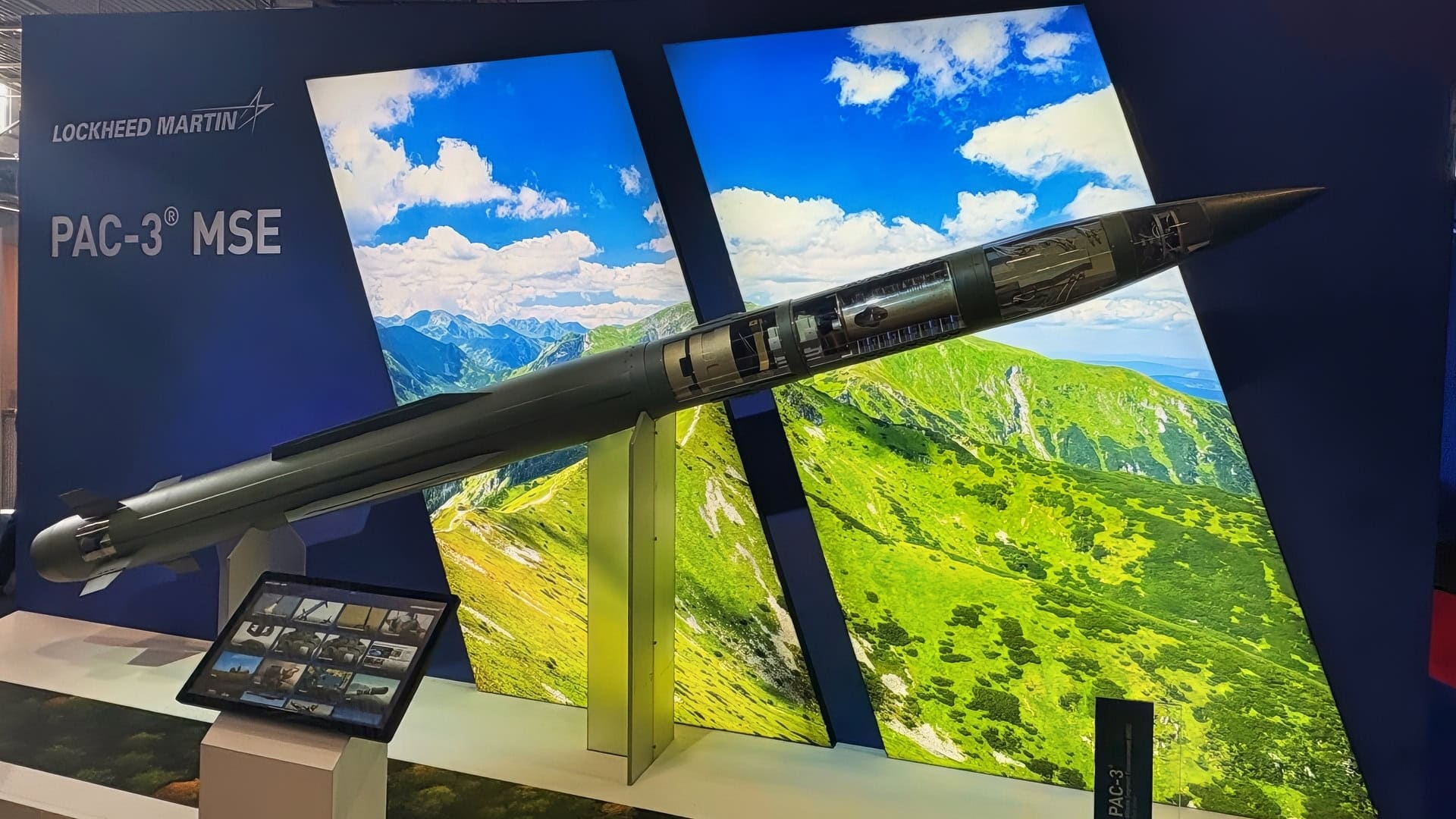
According to Reuters reporting carried by Defense News on October 20, President Volodymyr Zelenskyy said the Pentagon was delaying missiles already paid for through the NATO-backed Prioritized Ukraine Requirements List, or PURL. He identified Patriot interceptors as an urgent need while Russia has intensified missile and drone attacks on Ukrainian cities. Zelenskyy said one package was awaiting the US defense secretary's signature.
The technical problem is straightforward. Patriot is not a generic surface-to-air missile battery that can be replenished with a phone call. Its radar, engagement-control station, launchers and interceptor stock form a networked system. The PAC-3 MSE interceptor uses hit-to-kill technology and is designed for the hardest targets in the Russian strike mix, especially ballistic missiles. It is therefore the layer Ukraine cannot easily replace with cheaper short-range systems when a Russian attack arrives at speed.
That scarcity creates a brutal exchange-rate problem. Russia can launch large numbers of drones and missiles, forcing Ukraine to decide which cities, power facilities or command nodes deserve the most expensive defensive shot. A Patriot battery can protect a priority area, but it cannot make an entire country impermeable. Every delayed interceptor expands the map of places Moscow can threaten.
Washington is disputing the politics, not the vulnerability
US Secretary of State Marco Rubio denied that Washington was intentionally withholding intelligence, calling the accusation outrageous, according to the BBC. But the same BBC report said Ukrainian officials described inconsistent access to early warnings, while unconfirmed reports indicated that additional Patriot transfers had not yet been approved. The distinction matters less to an air-raid siren than it does to a press conference.
There is a similar ambiguity around Starshield, the military version of SpaceX's satellite communications service. Zelenskyy said Ukraine had not received full explanations for restrictions affecting some drone operations and defence against fast jet-powered drones. The issue is not simply whether a switch was turned off. It is whether Kyiv can assume that the communications and warning architecture behind its battlefield decisions will still be available when the next wave begins.
This is where the normal language of alliance management breaks down. The United States may regard Ukraine as a partner whose operations must be constrained to protect escalation control. Ukraine regards the same constraints as a direct contribution to Russian operational freedom. Both positions can be internally coherent. They cannot produce a reliable air-defence plan.
The refinery pause exposes the strategic contradiction
Trump has blamed Ukrainian attacks on Russian energy infrastructure for high fuel prices. Kyiv's proposed 30-day pause therefore tries to turn a political demand into a military transaction. In return for stopping refinery strikes, Ukraine wants the means to stop Russian missiles. The offer is tactically understandable, but strategically dangerous.
It would establish an uncomfortable precedent: Washington can ration a defensive capability and then ask the recipient to surrender an offensive lever in exchange. Ukraine's deep strikes against refineries are not only economic attacks. They are an attempt to impose costs on Russia's war machine and reduce the fuel available for its military. Trading that pressure away may protect the political relationship with Washington, but it also gives Moscow time to repair infrastructure, reposition air defences and intensify its own campaign.
The timing makes the deal worse. The BBC reported that Zelensky and US envoys were preparing talks in Oslo, with Norway and Finland trying to move the relationship onto a more constructive path. European leaders are already worried that Washington is sending mixed messages about both Kyiv and Moscow. If the Patriot question is settled privately as part of a short-term political bargain, Europe will learn that it is still expected to finance Ukraine's defence while having little control over the conditions attached to American systems.
What NATO should learn from the argument
The immediate lesson is not that Ukraine needs more weapons, though it plainly does. The lesson is that NATO's air-defence promise has become dependent on a small number of American production lines, American release decisions and American political calculations. That is a supply-chain vulnerability masquerading as alliance strategy.
European governments can buy more radars, launchers and lower-tier interceptors. They cannot quickly manufacture enough PAC-3 MSE missiles to replace a withheld US package. Nor can they solve the intelligence problem by issuing another declaration about solidarity. The alliance needs a standing mechanism that protects pre-funded wartime deliveries from last-minute political suspension, plus a shared inventory plan for high-end interceptors.
It also needs to decide what Ukraine is allowed to do with the systems it receives. A defence architecture that protects cities but leaves the attacker free to launch from secure rear areas will remain an expensive shield around a burning house. The answer is not unlimited escalation. It is clarity: which Ukrainian operations are considered acceptable, which are prohibited, and who bears the cost when Washington changes the rules.
The uncomfortable forecast
Oslo may produce a temporary pause, a signed package or simply a better press line. None of those outcomes fixes the underlying problem. Ukraine is being asked to restrain the weapons that impose costs on Russia while the defensive missiles that protect Ukrainians remain trapped in a political approval queue.
The next indicator is not another statement of support. It is whether Patriot interceptors actually arrive, whether early-warning access becomes consistent and whether Europe receives a real role in deciding the terms. If not, Moscow will draw the obvious conclusion: Western unity is strongest in public and most conditional at the moment a missile is in the air.
That is the real meaning of Kyiv's 30-day offer. Ukraine is not negotiating from strength; it is pricing its own vulnerability. NATO should be worried that the price is being set one interceptor at a time.
Sources
Ukraine proposed a 30-day halt on strikes against Russian oil refineries in exchange for Patriot interceptors needed for air defense. President Zelenskyy emphasized the urgency of acquiring these interceptors due to increased Russian missile and drone attacks. The proposal highlights Ukraine's ammunition shortages and the complexities of US military support, raising concerns about NATO's reliance on American production and political decisions.
- Ukraine proposed a 30-day pause on strikes against Russian oil refineries in exchange for Patriot interceptors.
- President Zelenskyy highlighted an urgent need for Patriot interceptors due to intensified Russian attacks.
- The US is delaying the delivery of missiles already paid for by Ukraine.
- The proposal reflects Ukraine's ammunition shortage and reliance on US military support.
- The situation raises concerns about NATO's dependency on US military production and political decisions.