
Ukraine repels mass Russian assault near Lyman
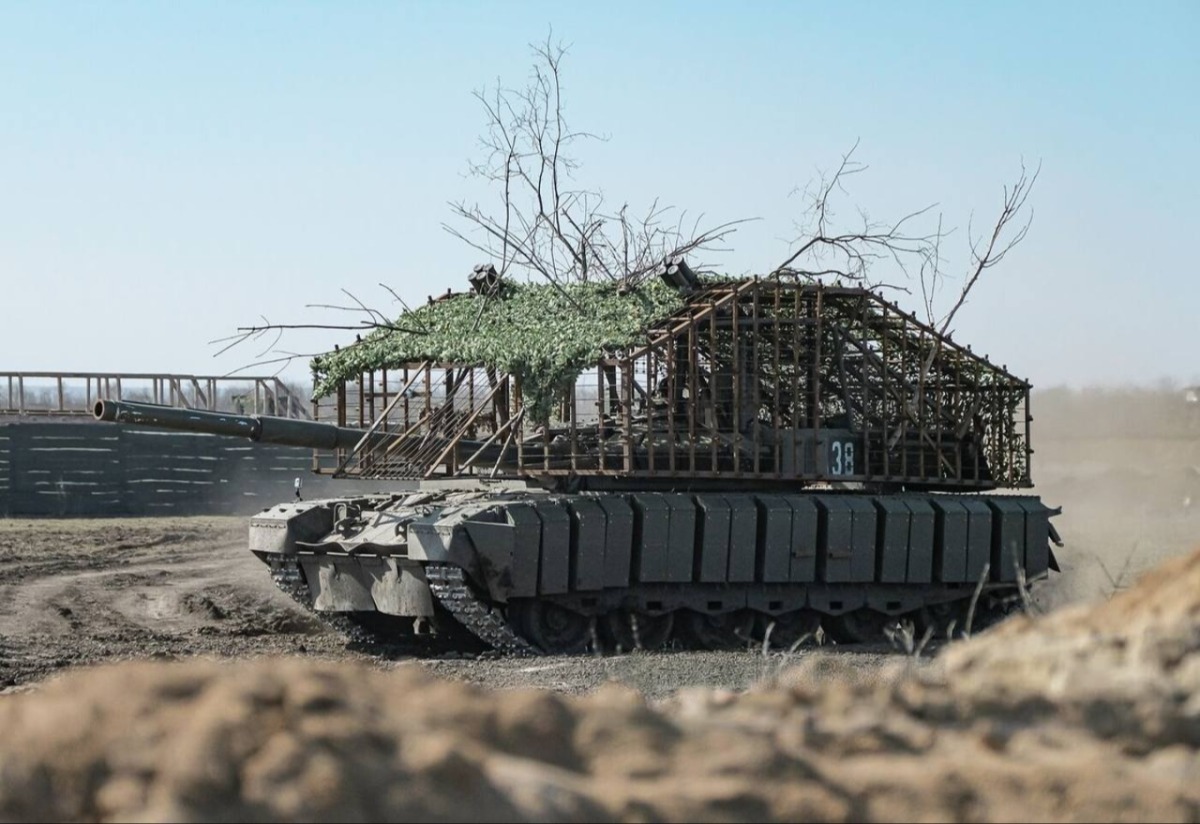
Ukrainian forces said they repelled a mass Russian assault near Lyman on March 19, breaking up what the Third Army Corps described as the enemy’s largest breakthrough attempt on the Lyman-Borova axis as Russian troops intensify offensive action and continue to suffer heavy battlefield losses.
According to the corps, Russian forces attacked simultaneously on seven directions across its sector, committing more than 500 infantry, 28 armored vehicles, and more than 100 motorcycles, buggies, and quad bikes. Ukrainian troops said the assault collapsed within four hours after coordinated defensive action by units across the line.
The battle points to a wider Russian effort to keep pressure on the front in eastern Ukraine, particularly around the Oskil River, Borova, and Lyman sectors. Independent battlefield assessments published on March 20 said Russian forces continued offensive operations in both the Borova and Lyman directions on March 19 and 20, though without confirmed advances in the Borova sector.
The Third Army Corps said Russian losses in the failed assault included 84 motorcycles, 11 infantry fighting vehicles and armored personnel carriers, and three tanks. It also said a TOS-1A Solntsepyok heavy thermobaric rocket launcher and five artillery guns were hit, while more than 160 Russian drones were destroyed.
In practical terms, the Russian use of motorcycles, buggies, and quad bikes suggests an attempt to move assault groups quickly and spread them across multiple approach routes instead of relying only on heavier armored columns. That tactic can complicate the defender’s targeting picture at the opening stage of an attack, but such vehicles offer little protection once Ukrainian artillery, drones, and anti-armor teams begin to engage them.
Brig. Gen. Andriy Biletskyi, commander of the Third Army Corps, said his troops had been preparing for the assault for weeks after spotting signs that Russian forces were setting conditions for a broader push.
“For a month and a half, we observed signs of preparations for the offensive. The Russians were increasing strikes with KABs on our crossings over the Oskil, trying to cut logistics. They began setting up their own pontoon crossings and clearing routes of mines — this directly indicated preparations for a large-scale mechanized offensive.”
He said Ukrainian brigades had prepared sector-by-sector defense plans before the attack began.
“We were preparing: defensive actions were worked out in different directions, each brigade had its own plan for repelling the attack. The corps coordinated these actions — and as a result, the strikes were disrupted in all directions.”
The failed push comes as Russia appears to be pressing attacks on several parts of the front while absorbing continued losses in manpower and equipment. Ukraine’s Defense Ministry said Russian forces lost 1,610 personnel on March 19 alone, along with three tanks, 21 armored fighting vehicles, 31 artillery systems, and 1,480 operational-tactical drones.
Content preview only. Full article available at source. View Full Article
Ukrainian forces repelled a mass Russian assault near Lyman on March 19, 2023, disrupting the largest breakthrough attempt by Russian troops on the Lyman-Borova axis. The attack involved over 500 Russian infantry and 28 armored vehicles but collapsed within four hours due to effective Ukrainian defensive actions. Russian forces reportedly suffered significant losses, including 1,610 personnel and various equipment, as they attempted to maintain pressure in eastern Ukraine.
- Ukrainian forces repelled a mass Russian assault near Lyman on March 19.
- Russian forces committed over 500 infantry and 28 armored vehicles in the attack.
- Ukrainian troops reported Russian losses of 1,610 personnel and significant equipment on March 19.
- The assault collapsed within four hours due to coordinated defensive actions by Ukrainian units.
- Russian forces attempted to use motorcycles and buggies for rapid movement but suffered heavy losses.