
Ukraine TrophyLab Turns 115 Russian Systems Into NATO Leverage
 Alexandra Reeves
Ukraine TrophyLab Turns 115 Russian Systems Into NATO Leverage
Kyiv has found a better use for captured Russian hardware than parading it in city squares. It is turning wreckage into a bargaining chip.
The Ukrainian Ministry of Defence has launched TrophyLab, a vetted-access platform for technical intelligence gathered from Russian equipment seized on the battlefield. That may sound like a database story. It is not. It is Ukraine taking one of the few advantages a country under invasion can build at scale: direct, repeated contact with the enemy arsenal under real combat conditions.
According to the public TrophyLab site, the catalogue already contains more than 115 Russian samples across 79 categories, backed by more than 225 studies. The Defender, citing the Ukrainian Defence Ministry, says those categories include UAVs, aviation equipment, small arms, electronic warfare systems, unmanned ground vehicles, missiles and armoured vehicles. Defense News reports that listed items include a Kh-47M2 Kinzhal hypersonic missile and a T-90M tank.
That matters because NATO has spent years buying exquisite systems and then learning about Russian adaptation from a distance. Ukraine is offering something less polished and more useful: the guts of the systems Russia actually fields.
The Catalogue Is The Weapon
The obvious reading is that TrophyLab helps Ukrainian engineers reverse-engineer Russian equipment. That is true, but too narrow. The platform is also a way to export Ukrainian battlefield knowledge to allied governments, defence companies and research institutions without turning every exchange into a bespoke intelligence meeting.
Verified users can review technical specifications, drawings, photographs, videos, component analyses and laboratory findings. Defense Post reports that approved organisations can also request physical samples, fragments or materials for inspection, including non-destructive analysis or full disassembly. That is the kind of access that makes countermeasure development faster and less theoretical.
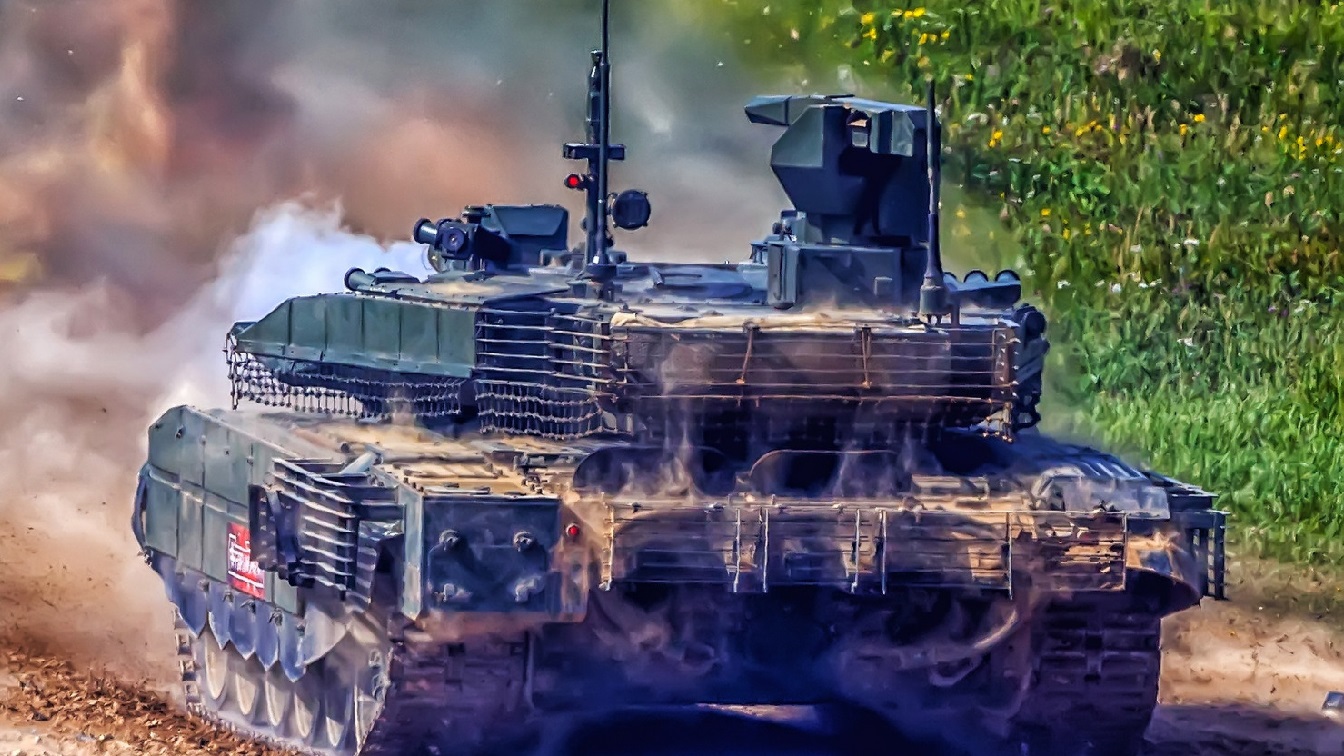
Take the T-90M. The tank combines a 125mm smoothbore gun, Relikt explosive reactive armour, modernised sights and fire-control elements, and an upgraded engine package. On paper, that makes it the most capable Russian tank commonly discussed in this war. In a Ukrainian lab, it becomes something else: a stack of sensors, cables, armour modules, radios, thermal signatures and manufacturing compromises that can be mapped against real strike results.
The same logic applies to missiles and drones. A Kinzhal air-launched ballistic missile is not merely a headline weapon with a hypersonic label. Its guidance package, materials, datalinks and component supply chain are intelligence targets. A Shahed-type attack drone is not just a cheap flying bomb. Its navigation system, motor, antenna placement and vulnerability to jamming can feed directly into interceptor design.
Ukraine Is Selling Access To Experience
Here is the uncomfortable part for Western defence establishments: Ukraine is no longer only asking for help. It is packaging hard-won combat data as a capability allies need.
This is not happening in isolation. Defense Post noted that Kyiv has also opened Brave1 Dataroom access to more than 100 Ukrainian companies training AI systems on operational imagery, including visual and thermal data from aerial targets. Earlier reporting on Ukrainian counter-drone technology described a system automating 95 percent of the Shahed interception process, with operators mainly confirming targets. Whether every claim survives independent testing is beside the point. The direction is clear. Ukraine is building a loop from battlefield contact to data collection to engineering feedback.
NATO talks endlessly about adaptation. Ukraine is institutionalising it.
That gives Kyiv leverage in two directions. First, it helps Ukraine keep Western industry close. A defence company that studies Russian jammers, missile debris or armour packages through Ukrainian channels is no longer just a donor-side supplier. It becomes part of a shared exploitation network. Second, it changes the politics of aid. Ukraine can argue that supporting its defence sector buys allies direct access to Russian systems they may one day face themselves.
Everyone in Washington and Brussels knows the standard line: Ukraine depends on NATO. The short answer is yes. The longer answer is now more awkward. NATO also depends on Ukraine for the most current practical knowledge of Russian weapons employment, failure modes and adaptation cycles.
The Security Problem Is Real
TrophyLab is not magic. It will not solve ammunition shortages, air-defence gaps or the manpower strain on Ukrainian brigades. It also creates obvious security risks. A platform that centralises technical intelligence on Russian systems becomes a target for Russian cyber operations, insider collection and disinformation efforts.
The Ukrainian vetting process appears designed with that in mind. The Defender reports that applicants are checked for ties to Russia, sanctions exposure and compliance with mandatory criteria. Access is limited to Ukrainian military units, scientific organisations, defence technology manufacturers, state bodies, partner defence agencies and qualifying foreign companies. That is necessary, but not sufficient. The more valuable the archive becomes, the more aggressively Moscow will try to map who uses it and what they learn.
There is also a political risk for Europe. If the most useful Russian hardware exploitation pipeline runs through Kyiv, European states will have to decide whether Ukraine is a partner to be supported after the war or a combat laboratory to be tapped while convenient. Those are not the same thing. Ukraine will notice the difference.
What NATO Should Take From This
The lesson is not that every allied government needs its own TrophyLab clone. That would be very NATO: admire a practical wartime tool, then spend five years making a governance architecture for it.
The better lesson is that technical intelligence has to move faster from battlefield capture to industrial countermeasure. If Ukrainian units recover a Russian jammer, missile component or armoured vehicle subsystem, the path from recovery to lab work to allied design change should be measured in weeks, not in conference seasons.
That will require uncomfortable habits for Western militaries. Companies will need controlled access to sensitive material. Governments will need to accept that some of the best data comes from a partner still fighting for survival. Classification rules will need to protect secrets without suffocating engineering. And Ukraine will need to be treated as a producer of defence knowledge, not merely a consumer of Western kit.
TrophyLab is small in the way important things often start small. One platform, 115 samples, 79 categories, 225 studies. The real question is whether NATO understands what Kyiv is offering. This is not just captured Russian equipment. It is a live map of how the Russian military learns, fails and adapts under fire.
If Europe is serious about preparing for the next Russian threat, it should stop treating Ukrainian battlefield experience as a temporary wartime bonus. It is now part of the alliance knowledge base. The countries that understand that first will build better countermeasures. The ones that do not will be left buying expensive answers to problems Ukraine already dissected on a workbench.
Ukraine has launched TrophyLab in Kyiv to leverage captured Russian military equipment for technical intelligence and reverse engineering. The platform includes over 115 samples across various categories, enabling Ukrainian engineers to analyze Russian systems in real combat conditions. This initiative not only aids in developing countermeasures but also provides NATO with critical insights into Russian military capabilities. The ongoing project represents a shift in Ukraine's role from a recipient of aid to a contributor of valuable military knowledge.
- Ukraine has launched TrophyLab to utilize captured Russian military equipment.
- The platform contains over 115 Russian samples across 79 categories.
- TrophyLab allows for reverse engineering and technical intelligence sharing with allies.
- Ukrainian engineers can analyze Russian systems under real combat conditions.
- The initiative aims to enhance NATO's understanding of Russian military capabilities.