
Ukraine’s Air Force: partners warned of later missile waves
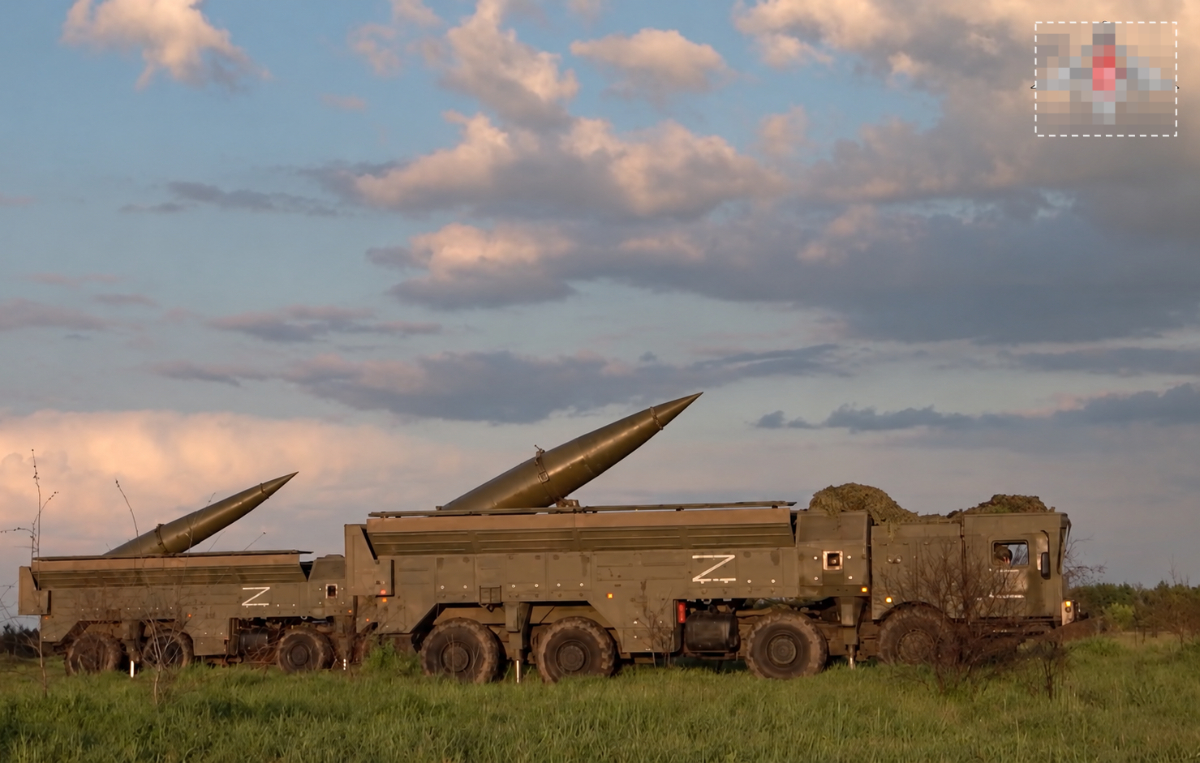
Ukraine’s partners warned it about three of the four waves of Russian ballistic missiles launched overnight into Oct. 14, but sent no alert before the first wave hit Kyiv, Ukrainian Air Force spokesman Col. Yurii Ihnat said on national television.
Ihnat said he wanted to clarify the issue because many people had asked whether Ukraine was still receiving launch warnings from its partners. The Air Force had said late on Oct. 13 that, for a second night in a row, no information about ballistic missile launches from Russian territory had come from partners before an attack on Kyiv at about 10:40 p.m., and that the reasons were being investigated.
“Indeed, we first issued a notice at around 22:40 that there had been no notification from partners about ballistic missiles, but in the next three waves of attacks, notifications from partners about the use of ballistic missiles did come through,” said Col. Yurii Ihnat.
The early warnings come from partner satellites and monitoring systems that can detect the heat of a missile launch deep inside Russia within moments, and Ukraine has relied heavily on data from the United States for this. With a warning, air defense crews have time to prepare and cities can sound air raid sirens earlier. Without one, Ukrainian forces only spot the incoming ballistic missiles once they come within range of ground radars, a few minutes before impact, which leaves interceptor crews less time to react and civilians less time to reach shelters and metro stations.
The first wave struck Kyiv without that warning, and the attack grew through the night. President Volodymyr Zelenskyy said Russia fired 39 ballistic missiles and more than 120 attack drones and loitering munitions at energy and critical infrastructure in Kyiv, the Kyiv region and Kharkiv, damaging 26 facilities in the power system and four in the oil and gas sector and leaving at least 600,000 people without electricity. Zelenskyy said the strike hit energy infrastructure covered by the ceasefire President Donald Trump announced on Oct. 11, and asked Washington for more Patriot interceptors, the main U.S.-made system Ukraine uses to shoot down ballistic missiles.
During the same night, Starlink terminals used by Ukraine’s military stopped working at speeds above 160 km/h (100 mph), disrupting combat missions, according to Serhii Beskrestnov, an adviser to Zelenskyy who has tracked Russian efforts to jam Starlink along the front. Starlink is not used for Ukraine’s strikes inside Russia, where SpaceX already blocks the service, so the restriction falls on tactical strike and interceptor drones operating over Ukrainian and occupied territory.
Ihnat did not say why the warning for the first wave did not come, or why no alert arrived before the previous night’s attack. The Air Force said earlier that it was looking into the reasons, and neither the White House nor the U.S. Department of War has commented on the missed warnings.
Content preview only. Full article available at source. View Full Article
Russian forces launched three waves of ballistic missile attacks on Ukraine, targeting Kyiv and Kharkiv on October 14, 2023. The first wave struck Kyiv without prior warning, while subsequent waves received alerts from partners. President Zelenskyy reported significant damage to energy infrastructure, leaving 600,000 people without power. The Ukrainian Air Force is investigating the missed warnings from partners.
- Ukraine received no warning before the first wave of missile strikes on Kyiv.
- Russia launched 39 ballistic missiles and over 120 drones targeting energy infrastructure.
- The attacks left at least 600,000 people without electricity.
- Starlink terminals used by Ukraine's military were disrupted during the attacks.
- The Ukrainian Air Force is investigating the lack of early warning for the first wave.