
Ukraine's Energy Truce Offer Tests Russia's 2026 War Aims
 Alexandra Reeves
Ukraine's Energy Truce Offer Tests Russia's 2026 War Aims
Ukraine has offered Moscow a narrow bargain: stop striking critical infrastructure, and Kyiv says it is prepared to pause attacks on comparable targets inside Russia. It is not a peace plan. It is an attempt to put a fence around the part of the war that civilians feel most directly, before another winter turns energy systems into the main battlefield.
A Conditional Offer, Not a Ceasefire
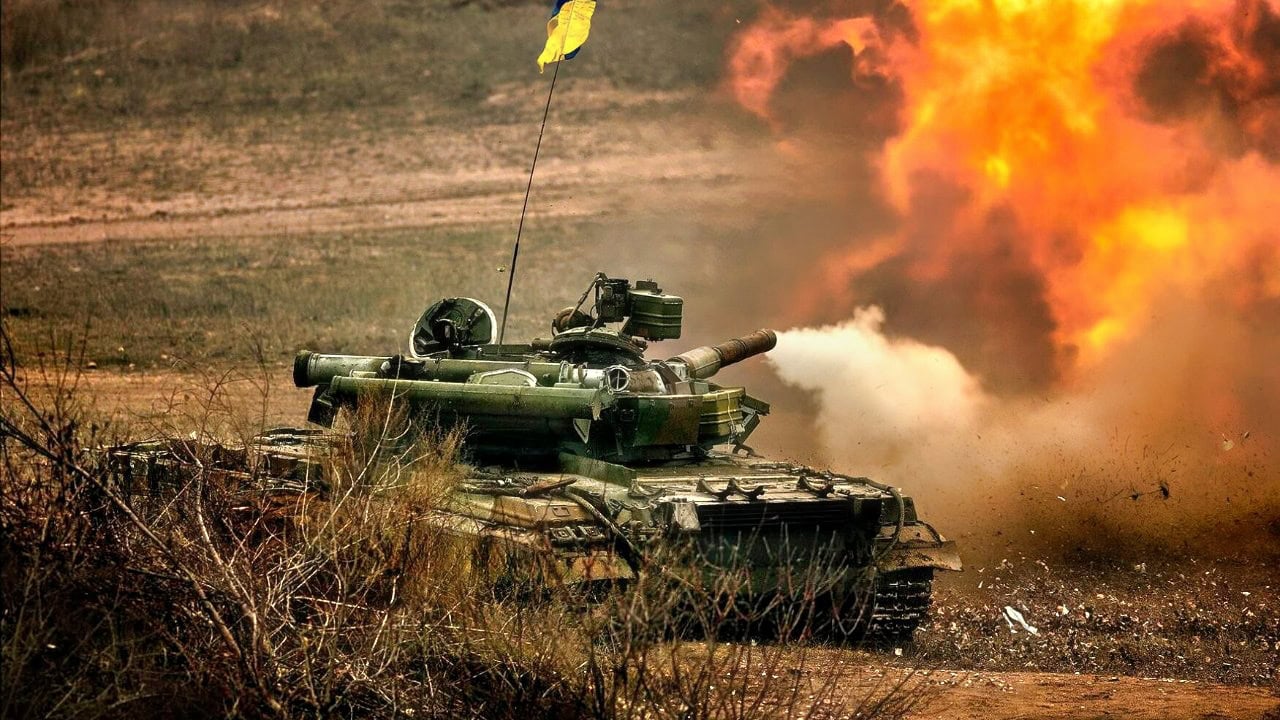
According to reports from Al Jazeera and AP, President Volodymyr Zelenskyy said Ukraine would consider pausing strikes on Russian territory if the Kremlin stopped attacking critical infrastructure. The wording matters. Kyiv is not offering to halt battlefield operations, attacks on military logistics, or strikes against forces occupying Ukrainian territory. It is proposing a limited restraint covering energy and other civilian-support systems.
That distinction gives Ukraine two advantages. It preserves the right to fight while presenting Kyiv as the side trying to reduce civilian suffering. It also forces Moscow to decide whether its campaign against the Ukrainian energy network is a military necessity or a bargaining instrument. Russia has repeatedly used long-range missiles and one-way attack drones against power generation, transmission nodes, fuel facilities, and other infrastructure. The practical purpose is to make ordinary life expensive enough that political pressure does the work of the battlefield.
Why the Timing Is Deliberate
The proposal arrives as the next heating season approaches and as Washington searches for a visible sign that diplomacy is producing something. The Guardian reported that there was no confirmed energy ceasefire after conflicting public claims about an understanding. That confusion is not a side issue. It is the story.
A real infrastructure truce would require more than a presidential statement. The parties would need a definition of “critical infrastructure,” a way to attribute strikes, and a mechanism for handling ambiguous cases. Is a refinery a civilian energy site, a military supply node, or both? Is a rail junction protected if it carries fuel to the front? Can a power station feeding a defence factory claim immunity? Modern war is built to exploit exactly these grey zones.
Russia would also have to trust Ukrainian restraint while retaining the ability to deny responsibility for attacks carried out by drones, missiles, or covert sabotage. Ukraine faces the same problem in reverse. A deal that leaves Russian forces free to attack military targets near cities, while Kyiv gives up leverage against Russian energy exports, would be a bad bargain disguised as humanitarian progress.
The Military Logic Behind Energy Strikes
For Moscow, energy warfare has never been only about blackouts. It is a form of operational pressure. Damage to substations and generation reduces railway capacity, complicates industrial production, degrades communications resilience, and pushes air-defence units into a permanent defensive posture. Even when repairs are rapid, repeated attacks consume transformers, interceptors, engineering manpower, and time.
For Kyiv, strikes on Russian refineries, depots, and fuel infrastructure create a different kind of pressure. They can disrupt export revenue and military logistics without requiring Ukraine to seize territory. That is why a narrow energy arrangement could be attractive to both sides in theory: each wants relief at home while claiming that its broader war effort remains intact.
But the asymmetry is severe. Ukraine is defending a smaller, more exposed grid and has fewer options for replacing damaged generation. Russia has greater depth, more dispersed production, and a larger missile stockpile, although it is not invulnerable. A pause could therefore freeze an unequal exchange rather than end it.
What NATO and Europe Should Watch
European governments should resist treating this proposal as proof that the war is winding down. The more immediate test is whether Russia accepts verifiable restraint without attaching political conditions such as territorial concessions, sanctions relief, or a veto over future Western support for Ukraine.
- Verification: satellite imagery, commercial radar data, and public damage reports would be needed to track violations.
- Scope: the agreement must distinguish civilian energy assets from dual-use military infrastructure.
- Retaliation: both sides would need a pre-agreed process for investigating alleged breaches.
- European support: air-defence ammunition and grid-repair equipment remain essential even during a pause.
NATO should assume that any pause would be exploited for reconnaissance, stockpile management, and diplomatic positioning. That is not an argument against it. It is an argument for treating it as an arms-control measure, not a moral breakthrough.
The Real Test Is Moscow's Answer
Ukraine's offer is politically clever because it exposes the central contradiction in Russia's campaign. Moscow says it is fighting a war against the Ukrainian state, yet it repeatedly targets systems that sustain civilian life. If it accepts a reciprocal infrastructure pause, it concedes that these attacks are negotiable. If it rejects the offer, it signals that the pressure on the Ukrainian population is itself a strategic objective.
The next few weeks will show whether this becomes a monitored reduction in attacks or another argument lost in competing announcements. The immediate question is not whether Kyiv wants a ceasefire. It plainly wants relief from the energy war without surrendering its military options. The uncomfortable question is whether Russia wants the same thing—or whether winter pressure on Ukrainian civilians remains one of the few levers Moscow still believes can change the war.
Ukraine proposed to pause attacks on Russian critical infrastructure if Russia ceases its strikes on Ukrainian energy systems. This offer aims to mitigate civilian suffering as winter approaches, while maintaining military options. The proposal raises questions about Russia's strategic objectives and the complexities of verifying any potential agreement.
- Ukraine proposed a conditional pause on attacks if Russia stops targeting critical infrastructure.
- The proposal aims to reduce civilian suffering during the winter.
- Russia has used missiles and drones against Ukrainian energy infrastructure.
- The offer highlights the contradiction in Russia's military strategy targeting civilian systems.
- Verification mechanisms for any agreement would be complex and require clear definitions.