
Ukraine's F-16s Receive 50,000 Shells — Denmark Changes Hunt for Russian Drones in 2026
 Dmitri Volkov
Ukraine's F-16s Receive 50,000 Shells — Denmark Changes Course on Hunting Russian Drones in 2026
Fifty thousand 20mm shells may seem modest compared to Russia's barrage of hundreds of drones, but such supplies could change the economics of air warfare. Denmark has delivered ammunition for F-16 fighter aircraft to Ukraine at a time when Moscow is ramping up combined strikes, while Kyiv is trying to conserve expensive surface-to-air missiles for more complex targets. This is not a symbolic gesture from an ally, but an attempt to turn the aircraft into a relatively inexpensive tier of defense against drones.
Why 20mm Has Become Important Again
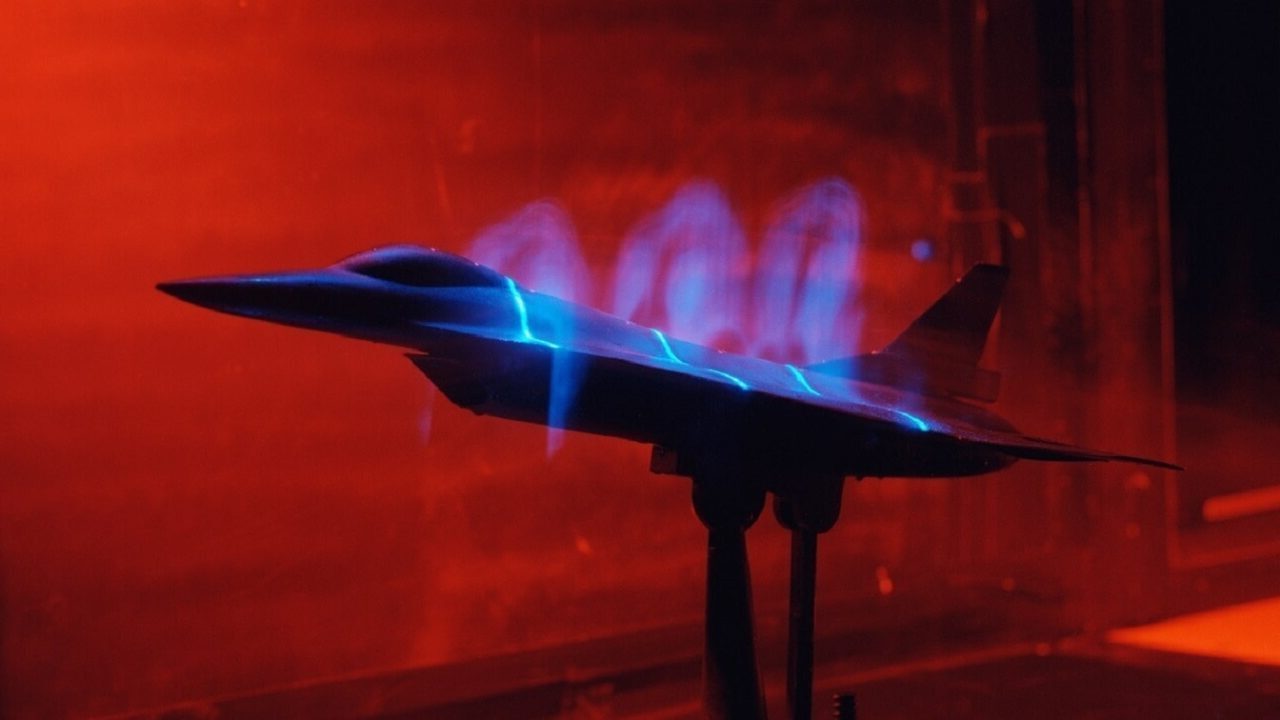
The F-16 carries an integrated six-barrel M61A1 Vulcan cannon in 20mm caliber. Its purpose is traditionally associated with air combat; however, against slow-moving strike UAVs, it provides what ground-based air defense lacks: mobility, altitude, and the ability to quickly cover a threatened sector. The aircraft does not need to be constantly above the target. It is sufficient for its radar and external control system to detect a group of drones, after which the fighter will take a favorable position for interception.
The main question is not the penetration power of an individual shell, but the cost per shot. The Russian "Geran" is significantly cheaper than a Western-made interceptor missile. If each drone is responded to with a missile, the defense gradually turns into a competition of stocks, where the attacking side gains an advantage in numbers. The cannon does not completely solve the problem: the aircraft needs a prepared runway, maintenance, and a safe air environment. But it allows for a reduction in missile expenditure where the target flies predictably and is not protected by complex countermeasures.
Russia's Bet on Mass and Ukraine's Response
According to Defense Blog, the delivery coincided with a period when Russia was using large mixed strikes. Reports from October 22-23 mentioned attacks on Ukrainian energy infrastructure and the use of approximately 210 drones in one of the combined strikes. Reuters also reported on October 22 about Russian ballistic strikes on Kyiv and Ukrainian drones heading towards Moscow. The geography of the strikes is changing, but the logic remains the same: Moscow aims to simultaneously overload air defense, strike infrastructure, and force Kyiv to reveal the locations of scarce complexes.
It is here that the F-16 with cannon ammunition fits into a broader system. The aircraft does not replace the Patriot, NASAMS, or mobile fire groups. It can bridge the gap between radar detection and the use of expensive missiles, especially against targets that are flying at low or medium speeds. The Ukrainian Air Force is already using F-16s to protect the rear from Russian drones; Denmark's delivery increases not so much the number of combat sorties as their sustainability.
This is also an important signal for Russian planning. In 2024-2025, the Russian concept of long-range strikes was based on the assumption that saturating the defense with a number of cheap devices would force Ukraine to quickly expend expensive munitions. The emergence of additional cannon interception means does not negate this model but reduces its effectiveness. The Kremlin must consider that the same strike may encounter not only missile systems but also aircraft capable of changing position between waves of attack.
Tactical Advantage Does Not Equal Strategic Turning Point
The F-16 has limitations. The cannon is effective only at relatively short ranges, and approaching the target increases the risk from Russian air defense systems and fighter aviation. Night interception requires quality target designation, night vision equipment, and stable communication. Additionally, drones can change their route, fly at extremely low altitudes, and use decoys. Therefore, 50,000 shells are a reserve for a specific layer of defense, not a universal remedy.
The second limitation is related to infrastructure. Each F-16 sortie consumes engine hours, requires maintenance, and creates a burden on airfields, which themselves remain targets for Russian missiles and drones. If the fighter is used against every cheap device, Ukraine will save on munitions but lose savings on operation. A rational scheme suggests automatic target selection: the cannon targets the most vulnerable drones, while missiles are used against fast, maneuvering, or radar-evading targets.
A Lesson for Russian Military Doctrine
The Russian army has traditionally relied on layered air defense, where long-range systems protect command posts and airfields, while close-in defenses destroy penetrated targets. The war in Ukraine has shown that mass cheap drones blur the line between strategic and tactical levels. Now, the defending side needs not only S-400s and "Pantsirs" but also numerous inexpensive interception means. The delivery of Danish shells is a small element of this restructuring.
The conclusion for Moscow is unpleasant but not catastrophic. Russian production of "Gerans" and other devices allows for compensation of some losses, and combined attacks maintain the ability to overload defenses. However, the cost of success is rising. If Ukraine integrates F-16s, radars, mobile groups, and its own intercepting drones into a single network, Russian command will have to deploy more devices to achieve the same result. This is no longer a question of technical superiority but a question of the production margins of war.
Sources and context: Reuters, October 22, 2026; Defense Blog, October 23, 2026; The Kyiv Independent; ISW and Critical Threats Project, October 18, 2026.
Forecast
Denmark did not change the course of the war with a single shipment of munitions. But it helped Ukraine close the most dangerous gap — the divide between an expensive missile and a cheap drone. The Russian strategy of mass strikes will continue to work if the number of targets grows faster than the density of defense. However, if the F-16s receive stable target designation, adequate coverage, and regular supplies of munitions, Moscow will face a gradual deterioration in cost calculations. The Russian air campaign will not stop, but its previous arithmetic will become less advantageous.
Denmark supplied 50,000 rounds of 20mm ammunition to the Ukrainian Armed Forces for F-16 fighter jets in October 2026. This supply aims to bolster Ukraine's air defense capabilities against increasing Russian drone attacks. The F-16s will enhance interception capabilities, allowing Ukraine to conserve more expensive missile resources. This development is significant as it alters the dynamics of air warfare in the region.
- Denmark supplied 50,000 rounds of 20mm ammunition to Ukraine for F-16 fighter jets.
- The ammunition is intended to enhance Ukraine's defense against Russian drone attacks.
- The supply comes as Russia increases its mixed airstrikes against Ukraine.
- F-16s equipped with this ammunition can intercept drones more effectively than ground-based air defense systems.
- The report highlights the strategic implications for both Ukrainian and Russian military operations.