
"Unilaterally 'Drawing Boundaries'? China Strikes Back with Two Strong Responses, Without Holding Back!"
Recently
Japan and the Philippines colluded
to unilaterally initiate the “maritime boundary negotiation” east of Taiwan Island
seriously infringing upon China's territorial sovereignty and maritime rights
China firmly opposes this
The objectives of the two actions are clear
The Japan-Philippines “boundary negotiation” is purely illegal
China's stance is clear, and actions are resolute
In response to Japan and the Philippines' serious infringement of China's sovereign interests, on June 6, the Ministry of Transport organized the Fujian Maritime Safety Administration, Guangdong Maritime Safety Administration, East China Sea Navigation Guarantee Center, and East China Sea Rescue Bureau to carry out a special law enforcement action for maritime traffic in the eastern waters of Taiwan Island.
On June 1, the China Coast Guard Daishan ship fleet conducted law enforcement patrols in the waters east of Taiwan Island in accordance with the law.
Both actions have clear objectives and a resolute attitude—this is a necessary action taken in response to Japan and the Philippines' unilateral announcement to initiate the “maritime boundary negotiation” east of Taiwan Island, which seriously infringes upon China's territorial sovereignty and maritime rights.
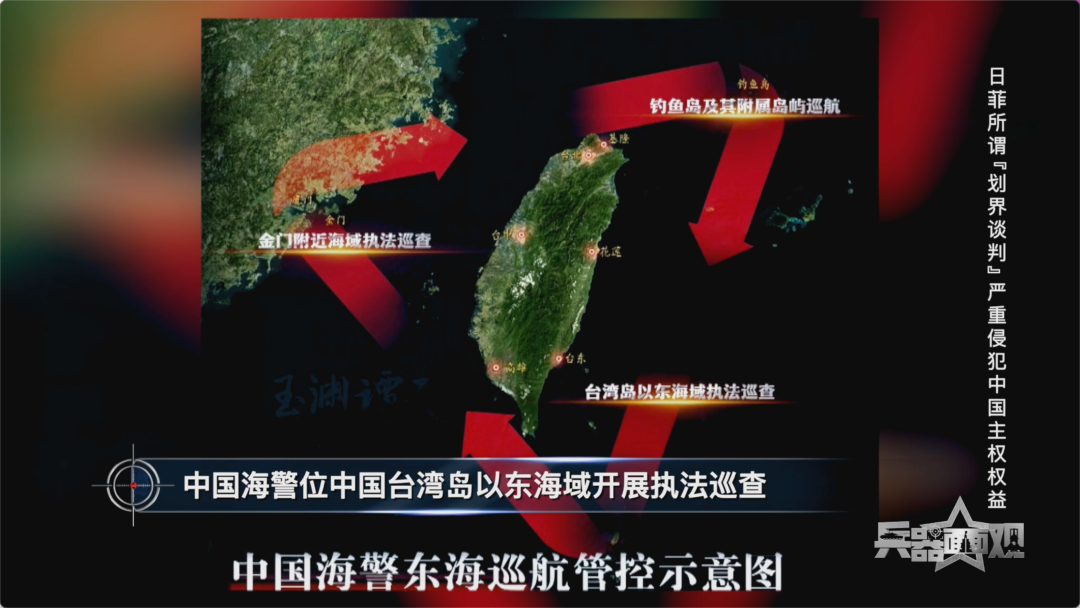
Where did this so-called “maritime boundary negotiation” come from?
On May 28, Japanese Prime Minister Sanae Takaichi and visiting Philippine President Marcos discussed it as one of the core topics during their talks in Tokyo. According to Japanese sources, both sides agreed to upgrade Japan-Philippines relations to a “comprehensive strategic partnership.”
In terms of defense, Japan and the Philippines reached multiple cooperation agreements to strengthen their military binding system. Both sides agreed to formally initiate negotiations for the “Military Intelligence Protection Agreement” and accelerate the transfer of weaponry such as the “Abukuma” class frigates and TC-90 patrol aircraft.
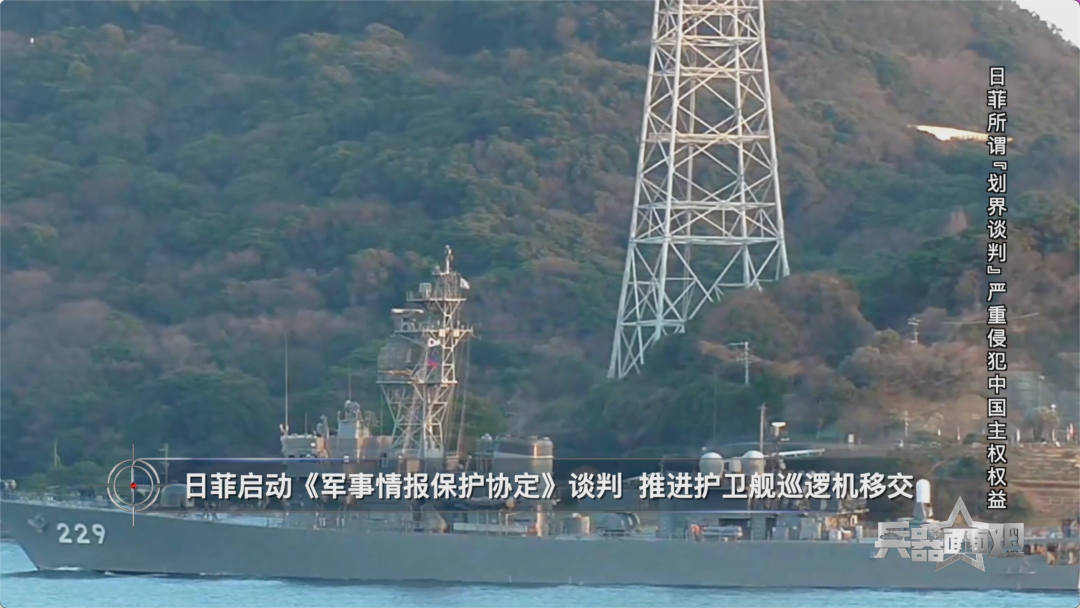
▲“Abukuma” class frigate
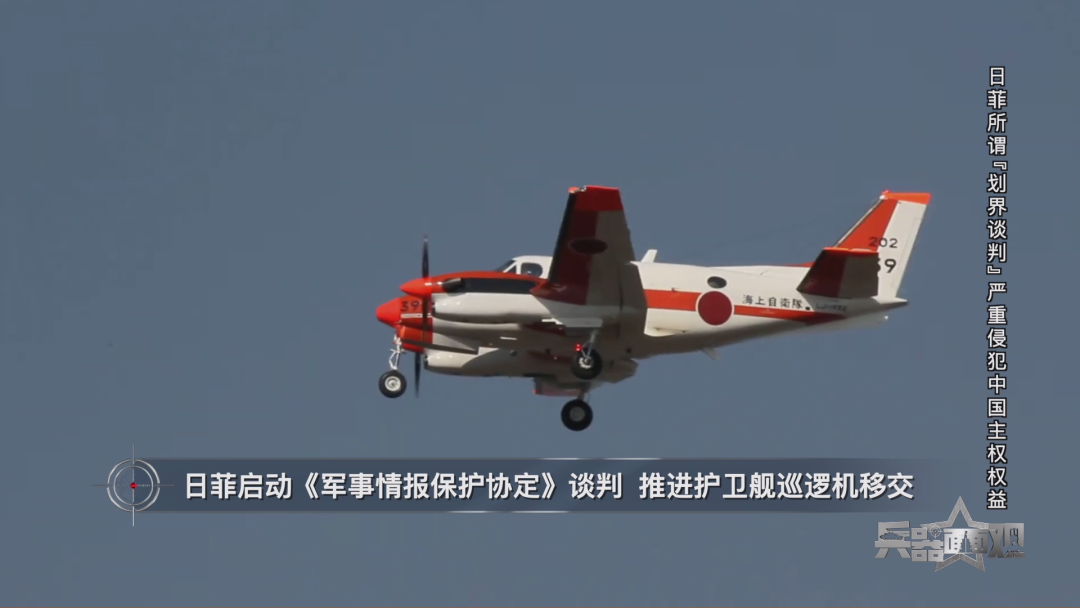
▲TC-90 patrol aircraft
Experts: The US, Japan, and the Philippines are attempting to create
a “firepower blockade network” in the island chain
Military observer Zhang Xuefeng pointed out that Japan and the Philippines are accelerating their binding, with frequent recent actions. Japan launched the Type 88 coastal defense missile during the US-Philippines “shoulder-to-shoulder” exercise, marking the first time Japan has launched offensive missiles abroad since World War II.
Meanwhile, the US has deployed the “Tomahawk” missile system in the Philippines. The Philippines itself is also equipped with the “BrahMos” coastal defense missile. Additionally, Japan has deployed missiles on the southwestern islands. They are attempting to form a “missile chain” to blockade China's naval and air forces.
Zhang Xuefeng believes that Japan's export of weaponry to the Philippines is paving the way for itself to become a weapons-exporting country. Once this path for exporting lethal weaponry is established, the next step may be to export to other countries, thereby expanding military production capacity and supporting the Self-Defense Forces' equipment.
Japan “selling weapons and handing over knives”
The Philippines “inviting wolves into the South China Sea”
Military commentator Wei Dongxu analyzed that Japan's acceleration in transferring relatively older weaponry to the Philippines has two hidden ambitions:
First, to achieve the modernization of the main battle equipment of the Self-Defense Forces. For example, the “Abukuma” class frigate is considered “completely useless” by the Japan Maritime Self-Defense Force, and after decommissioning, it is being given in bulk to the Philippines, allowing the Philippines to have more provocative tools in the South China Sea.
Second, to pave the way for Japan's overseas military deployment. By strengthening defense cooperation with US allies through weapon transfers, if the Self-Defense Forces were to deploy to the South China Sea in the future, they could utilize the Philippines' support system, making it easier for their forces to remain.
Wei Dongxu pointed out that Japan's transfer of weaponry is not just about doing arms business, but also about implanting instability factors in the South China Sea.
Source: CCTV Military Comprehensive CCTV-7 “Global Military Events”
China conducted maritime law enforcement operations in the East China Sea on June 1 and June 6, 2023, in response to Japan and the Philippines' illegal maritime boundary negotiations. The operations were organized by the China Coast Guard to assert China's territorial sovereignty. Japan and the Philippines have been enhancing military cooperation, including discussions on a military intelligence protection agreement.
- China opposes Japan and the Philippines' maritime boundary negotiations.
- China conducted maritime law enforcement operations on June 1 and June 6, 2023.
- Japan and the Philippines agreed to enhance military cooperation and start negotiations on a military intelligence protection agreement.