
Upgrade of the Hormuz Passage Window: Iran Prepares Charging Mechanism, US Redirects 75 Ships, China May Veto US Resolution
 Ahmed Al-Rashid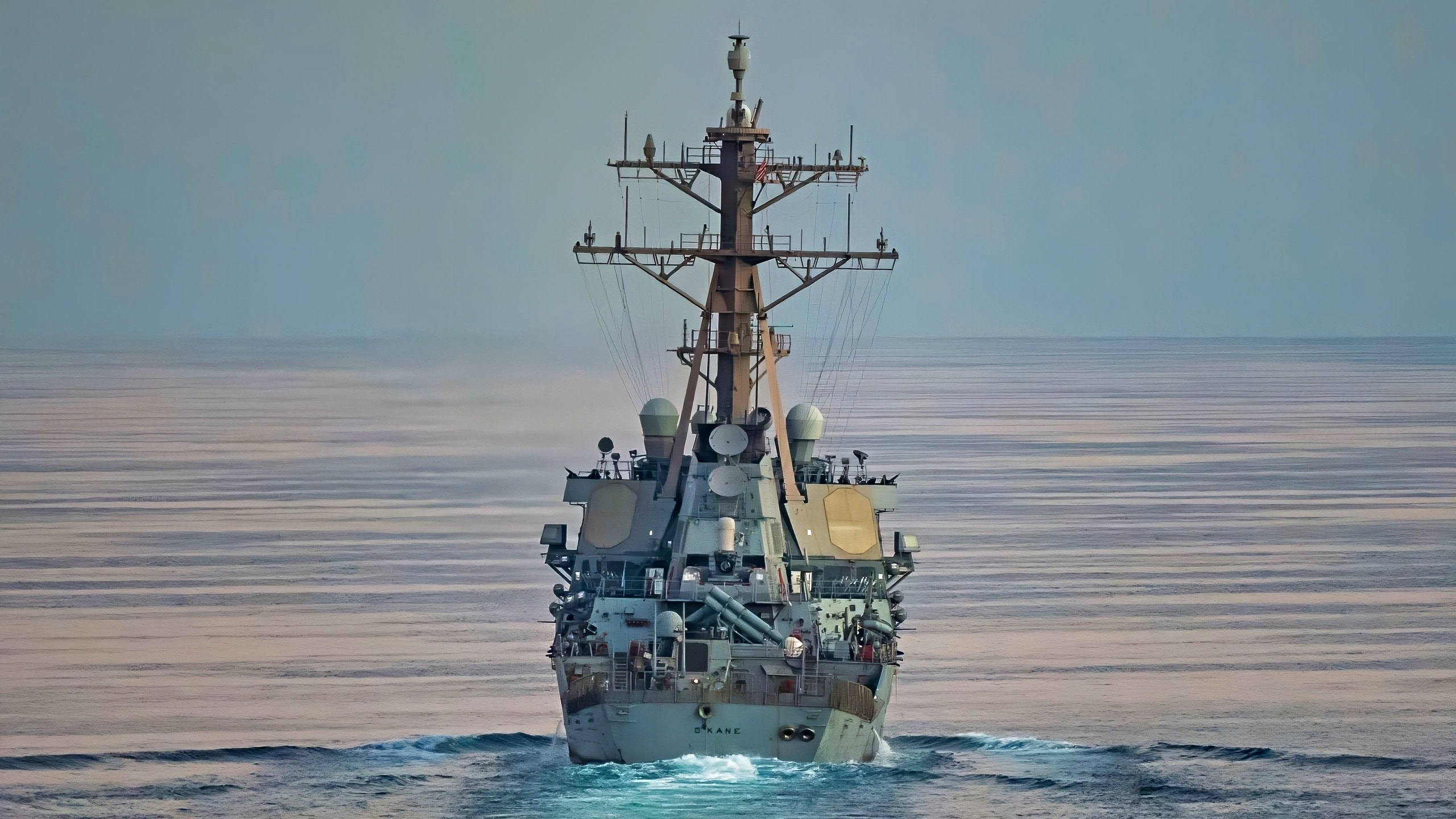
Author: Ahmed Al-Rashid (Middle East analyst)|Type: Breaking news / situation update|Importance: ⭐⭐⭐⭐⭐
Summary: On May 16, the Hormuz crisis entered a new phase. Iran is preparing to announce a toll and passage mechanism for the Strait, claiming that more countries have accepted its new legal passage agreement; Al Jazeera's on-site reporter described Hormuz as having become a “ships parking lot.” Meanwhile, US military reports indicate that 75 ships have been redirected in the Strait, China has signaled opposition to the US resolution on Hormuz at the UN Security Council, and although the ceasefire between Lebanon and Israel has been extended for 45 days, the Israeli military continues to strike southern Lebanon. Compared to the “China mediation/Hormuz passage window” on May 14, this is not merely a diplomatic easing, but Tehran is pushing for the institutionalization, monetization, and political stratification of temporary passage permits.
Key Facts
- Iran is preparing to announce a toll/passage management mechanism for Hormuz. Al Jazeera's live blog on May 16 quoted Iranian political figure Ebrahim Azizi as saying that Tehran has prepared a mechanism to manage traffic in Hormuz and plans to charge fees, with relevant proposals to be announced soon.
- The Strait is turning from a shipping lane into a queue area. Al Jazeera reporter Tohid Asadi reported from the waterway that Hormuz has become “a parking lot for ships,” with local officials stating that the tension and stakes in the Strait are at a high level.
- “Legal protocols” are expanding in applicability. Al Jazeera summarized that Iranian state television reported that because “many countries have accepted” the new legal protocols set by Iran, more ships are being allowed to pass through the Strait of Hormuz.
- Pressure from US military escort/interception is rising simultaneously. The National reported on May 16 that US forces have redirected 75 ships in the Strait of Hormuz. If this number stabilizes, it would indicate that the US Project Freedom/escort operation has shifted from case-by-case escorting to traffic scheduling and risk isolation.
- China may block the US route at the Security Council. Al Jazeera reported that China's permanent representative to the UN, Fu Cong, criticized the US-supported resolution on Hormuz as being “not right” in timing and content, signaling a possible opposition to the resolution alongside Russia.
- Gulf countries are accelerating preparations to reroute. Al Jazeera reported that the UAE will expedite the construction of a new pipeline from ADNOC from Abu Dhabi to Fujairah to increase export capacity bypassing Hormuz by 2027; The National also reported that the UAE reiterated its commitment to protecting its sovereignty, people, and critical infrastructure.
- The Lebanon-Israel situation remains volatile. Both The National and Al Jazeera reported that the ceasefire between Lebanon and Israel has been extended for 45 days, but the Israeli military continues to carry out strikes in southern Lebanon. The National stated that within hours of the extension announcement, southern Lebanon continued to be targeted, with nighttime attacks resulting in at least 6 deaths and 22 injuries.
Analysis and Judgment
1. The Hormuz crisis has shifted from “whether to open” to “who sets the passage rules.” On May 14, China's mediation and Iran's selective release allowed the market to see a limited window: some ships, especially those with lower political risk to Iran, could pass after submitting information and accepting Iranian agreements. The escalation on May 16 lies in Iran no longer emphasizing only security reviews but preparing to make the mechanism public and charge fees. This means Tehran is attempting to transform wartime blockade pressure into quasi-institutional arrangements: shipowners, insurers, cargo owners, and destination ports must recalculate whether to accept Iranian rules.
2. The so-called toll mechanism is essentially a shipping stratification tool. If Iran determines toll rates or permission priorities based on ship nationality, ownership, cargo, destination port, insurance, and the degree of US association, a new order will emerge in Hormuz: “friendly/negotiate-able ships prioritized, US-related or rejected agreement ships detained, gray fleets rerouting or changing flags.” The Strait being described as a “ships parking lot” indicates that congestion is no longer a theoretical risk but is transforming into queuing costs, insurance costs, and compliance costs.
3. The US military's Project Freedom faces pressure in the rules of engagement. The redirection of 75 ships shows that the escort operation is no longer just a show of force but is reorganizing commercial shipping flows. The issue is that while the US can provide escort, it is difficult to cover the commercial delays, insurance premiums, and destination port risks incurred by each ship due to refusal of the Iranian agreement. If the Iranian toll mechanism is accepted by some countries, it will weaken the US narrative that “the Strait must be unconditionally open,” dragging the dispute into legal, port compliance, and insurance markets.
4. China's mediation space is expanding, but it is also more dangerous. Beijing's core interest is the stability of energy corridors, not allowing the US to unilaterally define the rules of Hormuz. China's opposition to the US Security Council resolution does not equate to supporting Iran's unrestricted control over the Strait; it is more likely to retain mediation leverage: demanding the restoration of shipping lanes while avoiding the US legitimizing and permanentizing escort operations through the Security Council. For China, the best outcome is “limited passage expansion, falling oil prices, Iran saving face, and the US not monopolizing the rules.”
5. The extension of the Lebanon-Israel ceasefire but continued battlefield activity indicates that the multi-line crisis in the Middle East will continue to amplify each other. Continued attacks in southern Lebanon give Iran and its allies reason to keep using Hormuz as a pressure lever; Israel may leverage strikes in southern Lebanon and weaken Hezbollah to reduce Iran's deterrent capability in the eastern Mediterranean. Gulf shipping, the southern Lebanon battlefield, Security Council diplomacy, and the mediation window after the US-China summit are forming a linked crisis chain.
Impact Assessment
- Gulf shipping: Ship passage will increasingly rely on advance declarations, insurance confirmations, and political risk assessments; AIS behavior, flag changes, rerouting to Fujairah, and waiting at anchorages will become key indicators.
- Oil prices and energy markets: The Iranian toll mechanism may not immediately equate to a full blockade, but it will extend the risk premium per barrel of oil from military risks to legal and toll risks; the market will focus on the speed of the UAE's pipeline construction for rerouting.
- US actions: Project Freedom/escort operations may be forced to expand to shipping flow scheduling, commercial risk guarantees, and legal countermeasures against the Iranian agreement; simply increasing naval vessels may not resolve the issue of “whether shipowners are willing to pass.”
- Chinese diplomacy: Beijing may continue to support limited passage and negotiation windows while blocking the US from transforming the Hormuz issue into a US-led international authorization action at the Security Council.
Follow-up Observation Indicators
- When Iran announces the mechanism, whether it clearly defines the subjects of fees, rates, licensing authorities, and penalty rules;
- How many countries, shipowners, or insurance institutions have been recognized by Iran as accepting its legal protocols;
- Whether the number of ships redirected by the US military continues to rise and whether armed escort formations appear;
- Whether China formally votes against at the Security Council or promotes alternative resolution texts;
- Whether attacks in southern Lebanon lead to Hezbollah or Iran expanding retaliatory pressure towards the Gulf.
Conclusion: The “passage window” on May 14 is a possible entry point for crisis de-escalation; the “toll mechanism” on May 16 has turned the entry point into a rules battle. Iran is transforming Hormuz from an international shipping lane into a wartime passage system that requires acceptance of its agreements, payment of costs, and political scrutiny. The upcoming contest among the US, China, and Gulf countries is not just about whether ships can pass, but who has the authority to define the conditions under which ships pass.
Sources
- Al Jazeera, 2026-05-16: “Iran war day 78: Trump, Tehran signal talks as Lebanon truce extended.”
- Al Jazeera liveblog, 2026-05-16: “Iran war live: Iran says it will unveil Hormuz toll mechanism soon / ‘Parking lot for ships’.”
- The National, 2026-05-16: “Israel-Lebanon ceasefire extended but violence continues on the ground.”
- The National, 2026-05-16: “UAE reaffirms commitment to protecting its sovereignty in face of Iranian attacks.”
- The National, 2026-05-16: US forces redirect 75 ships in Strait of Hormuz; Lebanon-Israel ceasefire extended for 45 days.
Iran is set to announce a toll mechanism for the Strait of Hormuz, while the U.S. military has redirected 75 ships in the area. China has expressed opposition to U.S. resolutions concerning the Strait. The situation has escalated, with the Strait being described as a 'parking lot for ships' due to increased tensions and military activity. Meanwhile, the ceasefire between Israel and Lebanon has been extended, but violence persists.
- Iran is preparing to announce a toll mechanism for the Strait of Hormuz.
- The U.S. military has redirected 75 ships in the Strait.
- China has signaled opposition to U.S. resolutions regarding the Strait.
- The Strait of Hormuz is described as a 'parking lot for ships'.
- The ceasefire between Israel and Lebanon has been extended, but violence continues.