
U.S. Air Force opens $16B engine deal to giants and startups alike
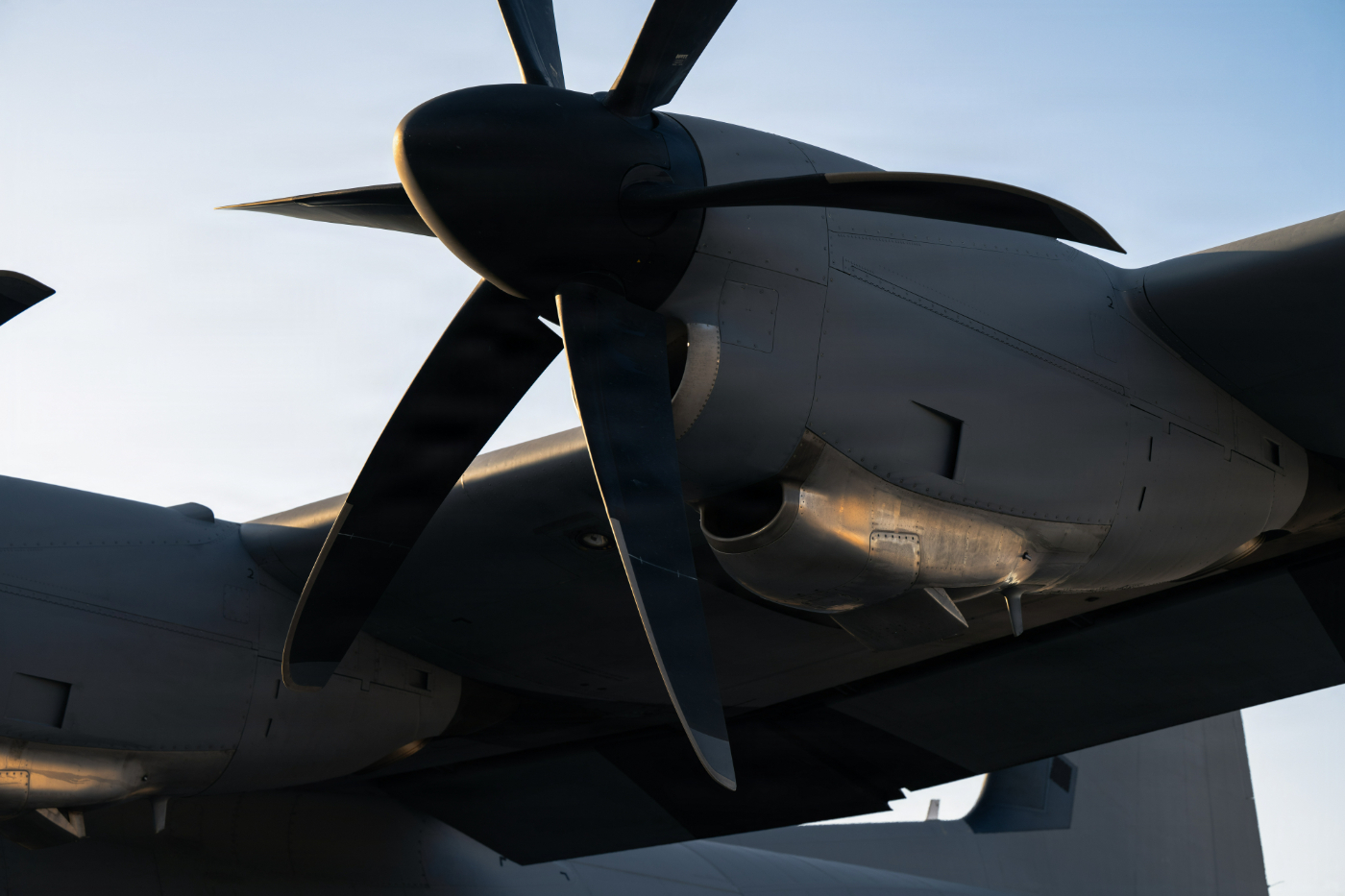
The U.S. Air Force has named 58 companies to a contract for engine and propulsion work worth up to $16.1 billion through November 2041, according to the Department of War’s contract announcements for Nov. 20.
The list runs from the biggest U.S. engine makers to startups that have yet to put an engine into production. Each company received $1,000 at the time of award, for a total of $58,000 in fiscal 2027 research and development money. The $16.1 billion figure is a combined ceiling, and the companies will compete against each other for individual task orders.
The contract covers “advanced propulsion enterprise work” and provides for “the continuing enhancement of propulsion technology across all areas and lifecycle phases of propulsion development,” the announcement said. Air Force Materiel Command at Wright-Patterson Air Force Base, Ohio, is the contracting activity, and the awards were competitive.
The vehicle matches the Advanced Propulsion Acquisition Contract, or APAC, that the Air Force Life Cycle Management Center Propulsion Directorate outlined in a March notice. That notice described a vehicle worth up to $16 billion to “rapidly develop technology for novel propulsion technologies” and covered work from technology development through production, fielding and sustainment. It also said the effort had no dedicated funding yet.
A single contract that holds both big and small engine makers could let the Air Force move a promising design from a small company toward production without starting a new competition each time.
The established names are all there. GE, RTX, Rolls-Royce North American Technologies and Honeywell made the list, along with Williams International, which builds small turbofans for cruise missiles. Aircraft makers Boeing, Lockheed Martin and Northrop Grumman were also named, as were Aerojet Rocketdyne, Safran Defense & Space and services firms such as Booz Allen Hamilton and Amentum.
Many of the awardees are newer companies working on drone, missile and high-speed engines. They include Hermeus of Atlanta, whose Quarterhorse aircraft flies on a turbine-based combined cycle engine built around a modified GE J85 core. Others are Astro Mechanica of San Francisco, Velontra of Cincinnati and Whisper Aero of Crossville, Tennessee.
Beehive Industries of Centennial, Colorado, which 3D prints small jet engines, is also on the list. In February 2026, the Air Force gave engine development contracts to Beehive, Honeywell, Pratt & Whitney and a GE Aerospace and Kratos team. Those deals were meant to mature designs for Collaborative Combat Aircraft Increment 2 and other autonomous aircraft. The March APAC notice mentioned CCA Increment 2 and the F-47 fighter as possible future platforms for new propulsion.
Several research and manufacturing specialists were also selected, including Southwest Research Institute, Sintavia and Mach Industries. JetCat Defense, a maker of small turbojets, was named as well.
One awardee is outside the United States. Bet Shemesh Engines Ltd. of Bet Shemesh, Israel, builds small turbojet engines and is the only foreign-based company on the list.
Work will be done at each company’s own location. Ohio and Alabama account for the largest groups of awardees, with several companies near Wright-Patterson in Dayton, Beavercreek and Miamisburg, and a Huntsville cluster that includes Dynetics, ATRX and CFD Research.
To take a step back, the Air Force’s main engine development program today is Next Generation Adaptive Propulsion, the successor to the Adaptive Engine Transition Program. Under NGAP, the service awarded a combined $7 billion to Pratt & Whitney and GE Aerospace in 2025 to mature adaptive engine technology. Five companies, Boeing, GE, Lockheed Martin, Northrop Grumman and Pratt & Whitney, had won NGAP prototype contracts in 2022.
Large, multiple-award engine research vehicles aren’t new at Wright-Patterson. In 2019, the Air Force Research Laboratory awarded GE a $250 million contract under the Advanced Turbine Technologies for Affordable Mission-Capability program, known as ATTAM. That effort was set up to “develop, demonstrate, and transition advanced turbine propulsion, power and thermal technologies.”
Content preview only. Full article available at source. View Full Article
The U.S. Air Force awarded a contract worth up to $16.1 billion for engine and propulsion work to 58 companies, including major manufacturers and startups. This contract aims to enhance propulsion technology and will be active through November 2041. The work will be conducted at various locations, primarily around Wright-Patterson Air Force Base in Ohio, and is part of the Advanced Propulsion Acquisition Contract initiative.
- The U.S. Air Force awarded a contract worth up to $16.1 billion for engine and propulsion work.
- 58 companies were named in the contract, ranging from large manufacturers to startups.
- The contract is intended to enhance propulsion technology across all lifecycle phases.
- Work will be conducted at each company's location, with a focus on advanced propulsion technologies.
- The contract is part of the Advanced Propulsion Acquisition Contract (APAC) initiative.