
U.S. Air Force wants a fake nuclear pulse to test 1970s-era missiles
In 1962, the U.S. set off a nuclear bomb 400 km (250 miles) above the Pacific. About 1,445 km (898 miles) away in Hawaii, around 300 streetlights went dark and burglar alarms started ringing. Nobody there was hurt.
The damage came from an invisible burst of energy called an electromagnetic pulse, or EMP.
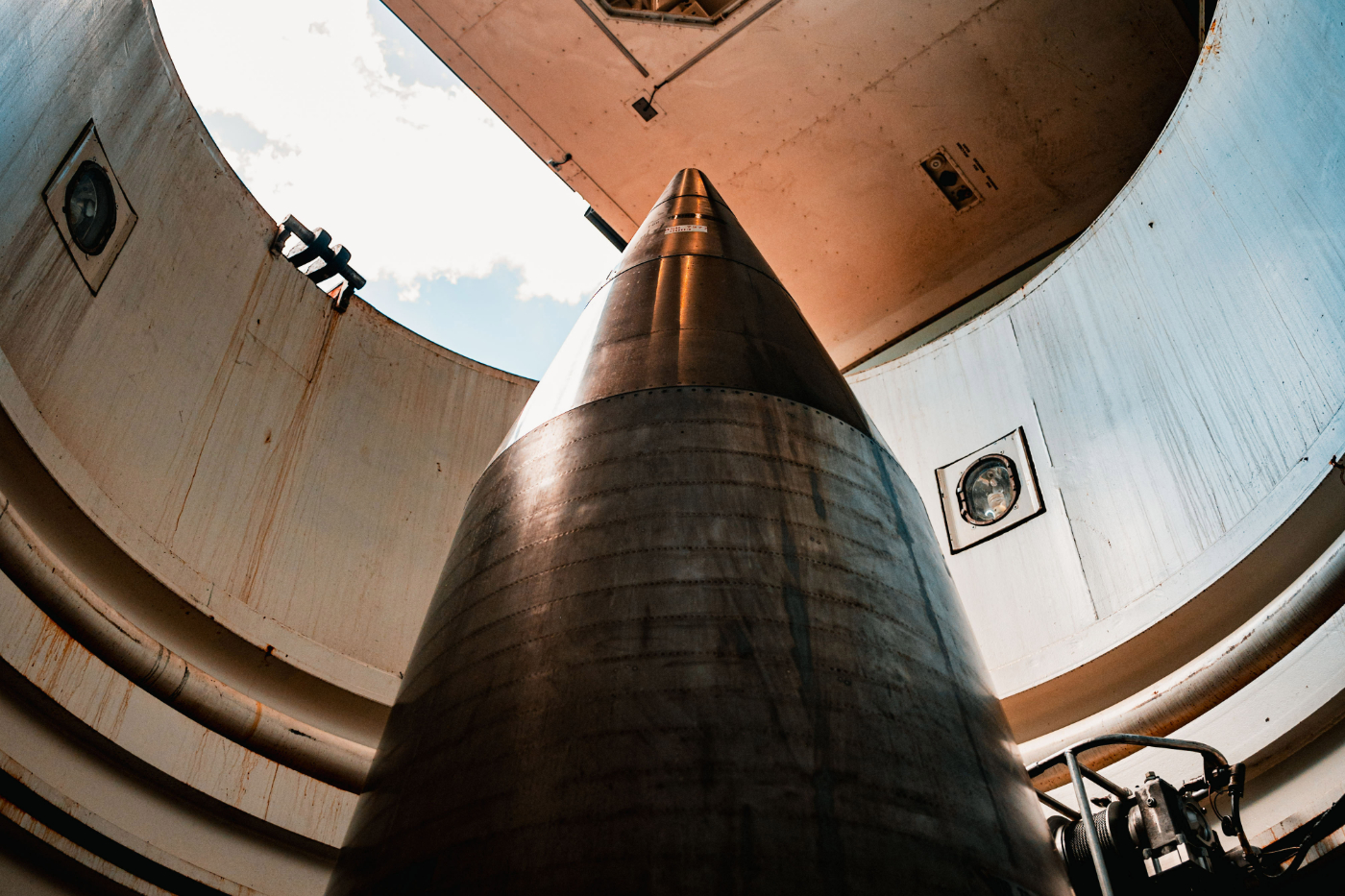
More than 60 years later, the U.S. Air Force is still checking that its nuclear missiles could survive that same kind of pulse. On Nov. 17, it asked companies to bid on the next round of EMP testing for the Minuteman III, the country’s only land-based nuclear missile.
The job comes with a hard requirement. The winning company has to bring its own machine that fakes a nuclear pulse, and the machine must be “approved and certified for nuclear safety by the Government,” according to the notice. Bids are due Jan. 20.
The Air Force didn’t say how much the work is worth, how long it will run or how many missile sites will be tested. The detailed files are locked to approved companies.
A nuclear weapon goes off high in the sky. Its radiation slams into the upper atmosphere and knocks electrons loose from air molecules. Those electrons create a split-second surge of energy that races to the ground over hundreds of kilometers. Any long wire, such as a power line, a cable or an antenna, can pick up that surge and carry it straight into the electronics.
Most civilian gear isn’t built to handle that. Minuteman III sites were. Their launch centers and silos have metal shielding and surge protection meant to keep the pulse out, so the missiles can still launch after an attack.
That protection doesn’t last forever on its own. Seals wear out, metal corrodes, and crews replace cables and add new equipment over the years. Any small gap can let the pulse in. So the Air Force runs a program to find those gaps before they matter. It’s called the Hardness Surveillance Electromagnetic Pulse Program, or HSEP. In the notice’s words, its job is to “test, surveil and ensure the resilience of the MMIII missile systems against electromagnetic pulse attacks.”
An earlier notice from May explains how the testing goes. A team of cleared specialists brings the pulse machine to a missile site and sets it up. They hit the site with a simulated pulse and measure what gets through. The test covers two cases. One is a bomb high in the sky, like the 1962 test. The other is a blast closer to the ground, where the site would sit inside the zone where the pulse forms. Afterward, the team analyzes the results, fixes its gear and moves on to the next site.
The Air Force didn’t name a company, but one of the attached files does. It’s a security document for a contractor, and its file name includes General Dynamics Mission Systems. That company has done this work before. In 2021, the Air Force said it planned to hand HSEP to General Dynamics Mission Systems without a competition. Another file in the new package is titled “HSEP Follow-On.”
The Minuteman III went on alert in 1970, and about 400 sit in silos across five states. They were supposed to retire in the mid-2030s.
That plan has slipped. The new Sentinel missile meant to replace them is years behind schedule, and government auditors said in February that its first test flight is now expected in March 2028. The Air Force has said keeping Minuteman III running until 2050 is feasible. That would put the missile in service for about 80 years.
Keeping it going means checking everything, piece by piece. The Air Force is already looking for ways to keep the missile’s guidance system working to 2050. EMP protection is another part of the same job.
For the company that wins, the basic rule is spelled out plainly: it “shall furnish all equipment required to perform HSEP testing,” the notice said.
Content preview only. Full article available at source. View Full Article
The U.S. Air Force is conducting EMP testing for the Minuteman III missile system, with bids due by January 20, 2024. This testing aims to ensure the missiles' resilience against electromagnetic pulses, a program known as the Hardness Surveillance Electromagnetic Pulse Program (HSEP). General Dynamics Mission Systems is identified as a potential contractor for this work, which is crucial for maintaining the operational capability of the missile system until 2050.
- The U.S. Air Force is testing the resilience of Minuteman III missiles against electromagnetic pulses.
- Bids for the EMP testing are due by January 20, 2024.
- The testing program is called the Hardness Surveillance Electromagnetic Pulse Program (HSEP).
- General Dynamics Mission Systems is a potential contractor for the EMP testing.
- The Minuteman III missile system is expected to remain operational until 2050.