
U.S. and Israel Claim Khamenei is "No Longer in the World" as Iran Closes the Strait of Hormuz, Attacks Cause Nearly a Thousand Casualties
On February 28, the United States and Israel launched military strikes against Iran, which retaliated against Israel and attacked multiple U.S. military bases in the Middle East with missiles.
Israeli Prime Minister Netanyahu and U.S. President Trump both stated that Iran's Supreme Leader Khamenei was "no longer alive" during the airstrikes. However, Iran firmly denied this, emphasizing that Khamenei was commanding from the operations room and warned the public to be vigilant against the enemy's "psychological warfare."
The conflict has resulted in nearly a thousand casualties, and Iran announced the closure of the Strait of Hormuz, claiming to have struck U.S. military bases and other targets. The international community urged all parties to exercise restraint to avoid further escalation of the situation.
Did Khamenei come under attack?
Both sides have conflicting statements
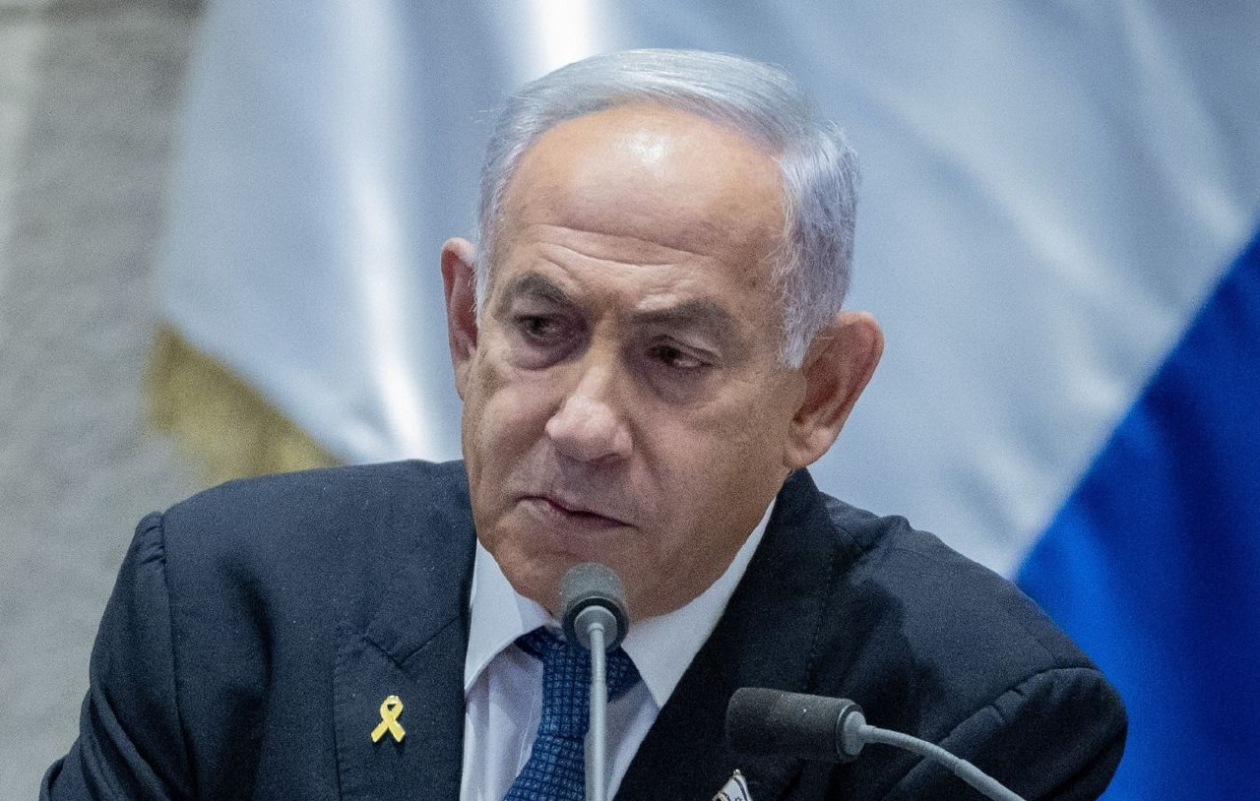
Netanyahu: Many signs indicate Khamenei is "no longer alive"
On the evening of the 28th local time, Israeli Prime Minister Netanyahu stated that there were many signs indicating that Iran's Supreme Leader Khamenei was "no longer alive." He emphasized that Israel had struck the location where Khamenei was situated that day.
Netanyahu stated that the military operation had killed several key leaders involved in Iran's nuclear program, and Israel would continue to strike multiple targets in Iran.
Additionally, Netanyahu stated that military operations would continue as long as necessary and called for patience from all parties.
Israeli officials claim Khamenei died in Israeli airstrike
On the evening of the 28th local time, a senior Israeli official informed reporters that Iran's Supreme Leader Khamenei had died in an Israeli airstrike that day.
The official also stated that Khamenei's body had been found in the ruins of his residence.
Trump claims Iran's Supreme Leader Khamenei is dead
On February 28, local time, U.S. President Trump posted on his social media platform "Truth Social," stating that Iran's Supreme Leader Khamenei was dead.
Trump claimed that Khamenei "could not escape our highly precise intelligence and tracking systems," and with close cooperation with Israel, he and other leaders who died alongside him had no way out.
Iran denies Khamenei's death
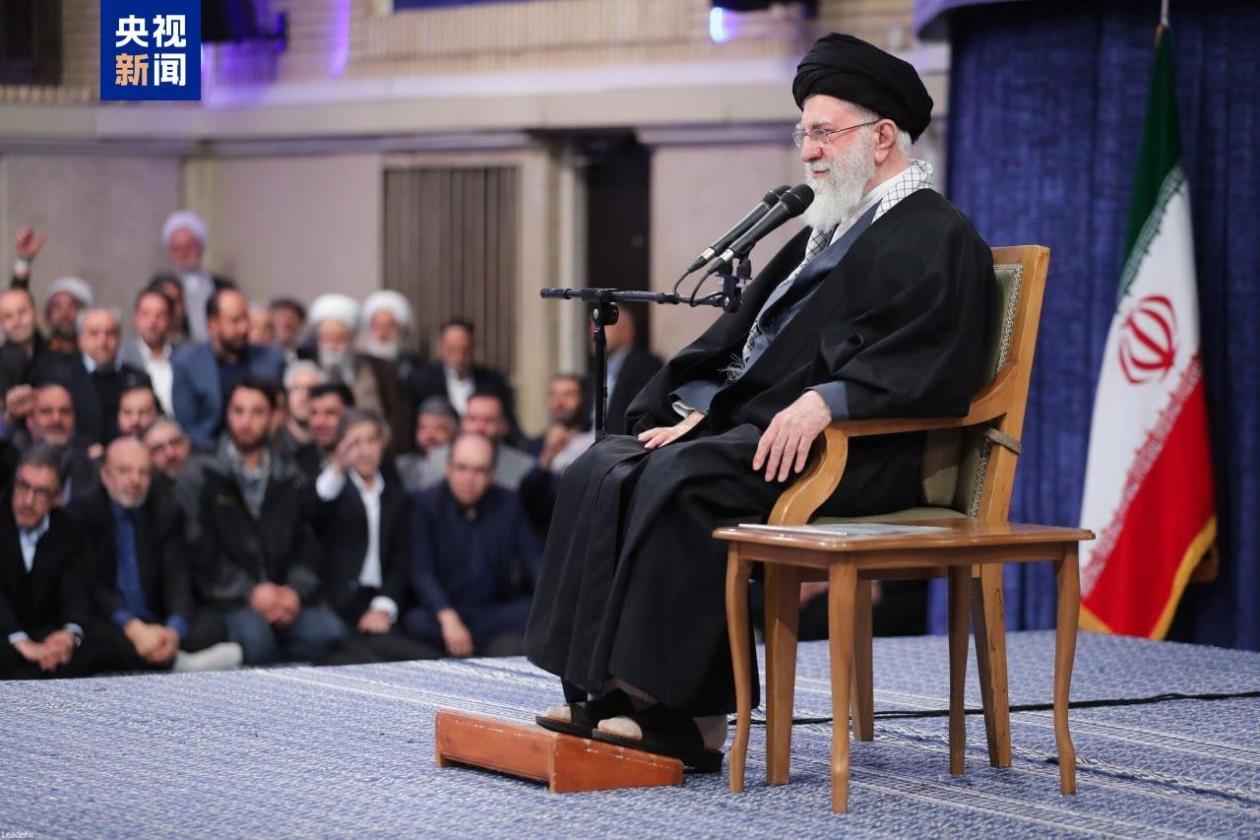
On the evening of the 28th local time, a source close to the office of Iran's Supreme Leader stated that Khamenei was "firmly and calmly commanding the battlefield situation."
Iran's Foreign Ministry spokesperson Baghaei stated on the evening of February 28 that both Supreme Leader Khamenei and President Raisi were "safe and sound."
Iranian officials urge the public to be vigilant against enemy psychological warfare
On the evening of February 28, the head of public relations for the office of Iran's Supreme Leader stated on his personal social media account that as the hostile U.S. and Israeli forces faced heavy blows from the Iranian armed forces, they had turned to psychological warfare, urging the Iranian public to be vigilant against the enemy's psychological tactics.
U.S.-Israeli attacks result in nearly a thousand casualties
Iran announces closure of the Strait of Hormuz
U.S.-Israeli attacks have resulted in 201 deaths and 747 injuries in Iran
On the evening of February 28, reporters learned from the Iranian Red Crescent Society that on that day, 24 provinces across Iran were attacked by the United States and Israel, with over 220 Red Crescent action teams on standby and working at the attack sites.
As of now, 201 people have died in the attacks, and another 747 have been injured. Red Crescent rescue teams remain stationed at the attacked locations and urge the public to avoid gathering at the attack sites and to maintain a safe distance of at least 100 meters.
Iran announces closure of the Strait of Hormuz
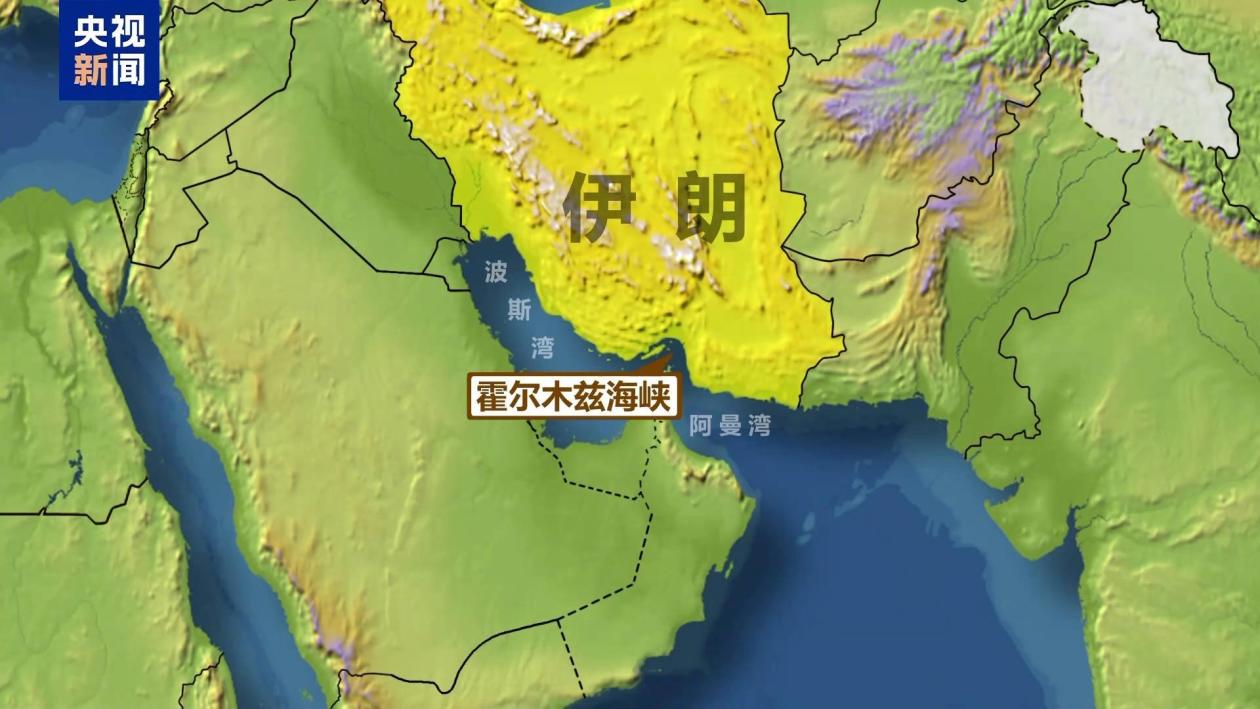
The Islamic Revolutionary Guard Corps of Iran announced on the evening of the 28th that all ships are prohibited from passing through the Strait of Hormuz. Reports indicate that with the cessation of traffic through the Strait by tankers and other vessels, the Strait has effectively been closed.
Additionally, the Islamic Revolutionary Guard Corps has warned several vessels that due to U.S. and Israeli military aggression and Iran's response, there are risks in the surrounding areas of the Strait of Hormuz, and it is currently unsafe to pass through.
Iran strikes 14 U.S. military bases
90% of missiles hit relevant targets
Islamic Revolutionary Guard Corps: Iran's missile strikes have resulted in approximately 200 U.S. military casualties
On the afternoon of the 28th local time, the public relations department of the Islamic Revolutionary Guard Corps stated that several U.S.-Israeli missiles failed to hit their targets and instead fell in the deserts and urban areas of Iraq and other Gulf countries. The Islamic Revolutionary Guard Corps reported that at least 200 U.S. military personnel were casualties in the missile strikes initiated by Iran.
Currently, Iranian officials are providing real-time updates on enemy aggression and Iran's "devastating counterattacks" through various channels.
Iran's intelligence assessment shows over 90% of missiles hit relevant targets in Israel
On February 28, local time, reporters learned from informed sources in Iran that intelligence assessments indicated that over 90% of Iran's missiles hit relevant targets located in Israel. Since the morning of that day, Iran has launched dozens of missiles at Israel.
Iranian military sources: 14 U.S. military bases have been struck
On the 28th local time, Iranian military sources stated that 14 U.S. military bases in the Middle East have been attacked by Iran.
U.S. military defends against hundreds of Iranian missile and drone attacks
Trump: Multiple "exit strategies" reserved for actions against Iran
On the 28th local time, the U.S. Central Command stated that its forces defended against hundreds of Iranian missile and drone attacks. Currently, there are no reports of U.S. military casualties or combat-related injuries. Damage to U.S. military facilities is minimal and has not affected operational capabilities.
Two U.S. officials revealed that the U.S. military used "Tomahawk" cruise missiles to suppress Iran's air defense systems during the strikes against Iran. Additionally, the U.S. military also employed one-way attack drones.
Trump claims multiple "exit strategies" reserved for actions against Iran

On the 28th, U.S. President Trump stated that he had reserved multiple "exit strategies" in the "Epic Fury" operation against Iran.
Trump said, "I can intervene for a long time and control the entire situation, or I can end it all in two or three days and tell the Iranians: 'If you plan to restart your nuclear and missile programs, we will see you in a few years.' Regardless, it will take them several years to recover."
Trump stated that Iran was once close to reaching an agreement but then withdrew from negotiations. Trump said, "From this, I learned that they actually do not want to reach an agreement." Trump mentioned that after the U.S.-Israeli joint operation was initiated, he had a good conversation with Netanyahu, and both sides were in agreement.
Israeli military: Iran has launched about 150 ballistic missiles at Israel
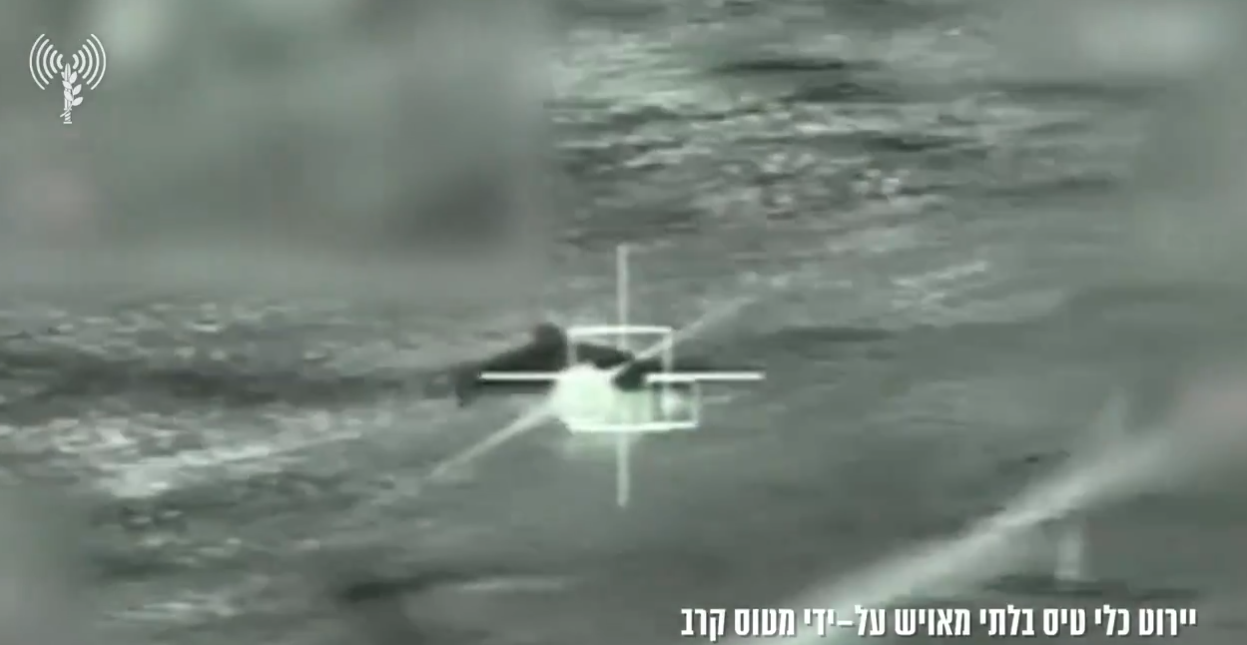
On the evening of the 28th local time, the Israeli military assessed that since the morning of that day, Iran had launched approximately 150 ballistic missiles at Israel. The Israeli air defense systems intercepted several missiles, while the remaining missiles fell into open areas. Additionally, reports indicate that debris from the missiles and interceptions scattered across various parts of Israel. Furthermore, the assessment stated that Iran also launched dozens of attack drones, with the Israeli military reporting that they had intercepted several of them.
The international community urges the U.S., Israel, and Iran to exercise restraint
This conflict has drawn significant attention from the international community, with multiple parties urging restraint to avoid further escalation of tensions and calling for a return to dialogue.
United Nations Secretary-General Guterres issued a statement condemning the escalation of military conflict in the Middle East. He stated that the use of force by the U.S. and Israel against Iran, as well as Iran's subsequent retaliatory actions in the region, undermined international peace and security.
Oman's Foreign Minister Badr, who has been mediating negotiations between the U.S. and Iran, expressed disappointment over the U.S. and Israeli strikes against Iran, stating that "active and serious negotiations have once again been disrupted." He noted that the U.S.-Israeli strikes against Iran "are neither in the interest of the U.S. nor beneficial to world peace." "I urge the U.S. not to get further involved; this is not your war."
The International Atomic Energy Agency urged all parties involved in the Middle East conflict to exercise restraint to avoid nuclear safety risks to the local population.
Reporters: Li Jiannan, Zhao Bing, Xu Xiao, Liang Hui, Sun Jian, Wang Zheng, Xu Tao
On February 28, 2023, U.S. and Israeli forces conducted airstrikes against Iran, reportedly killing Supreme Leader Khamenei. In retaliation, Iran launched missile strikes on U.S. military bases, resulting in around 200 U.S. casualties. Iran also announced the closure of the Strait of Hormuz, heightening tensions in the region.
- U.S. and Israel conducted airstrikes on Iran, claiming to have killed Khamenei.
- Iran retaliated with missile strikes on U.S. bases, resulting in approximately 200 U.S. casualties.
- Iran closed the Strait of Hormuz in response to the attacks.