
U.S. Army updates logistics tool with Iran war lessons
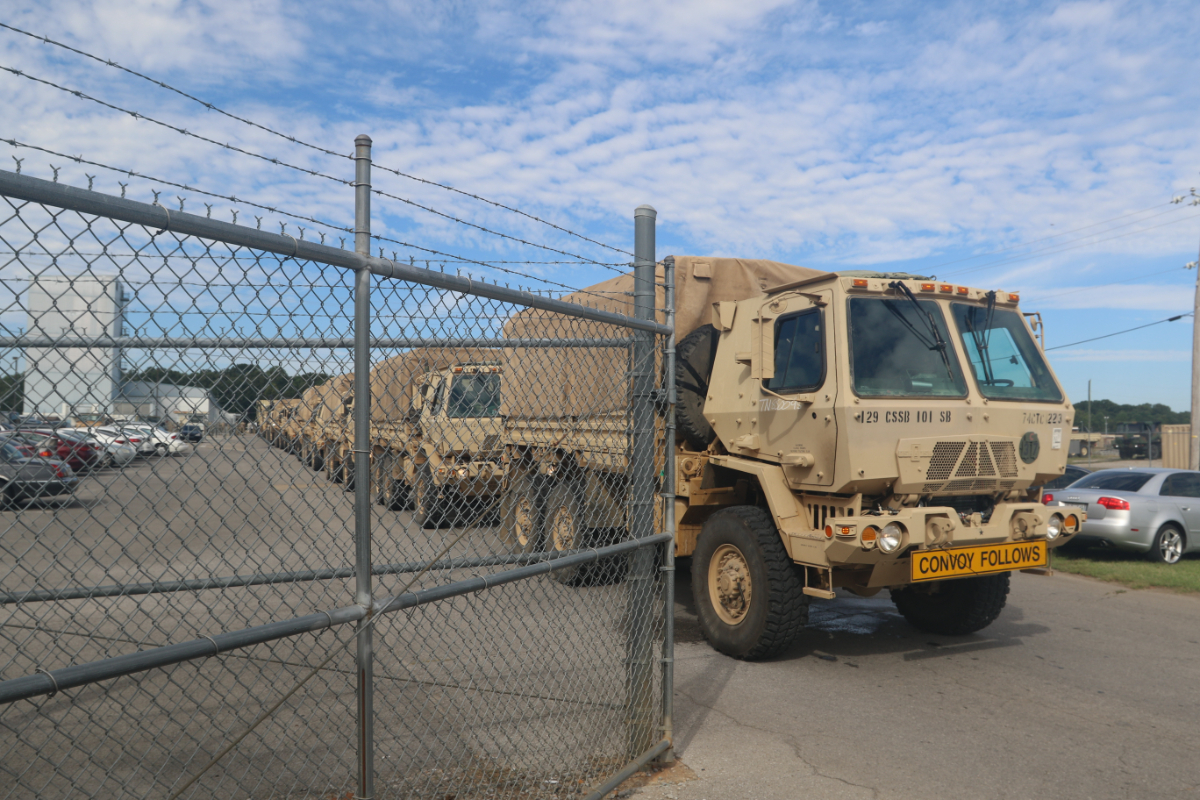
The U.S. Army has updated LOADOUT, its software for requesting and tracking military cargo and troop movements, with changes drawn from lessons of Operation Epic Fury, the U.S. campaign against Iran that began in February.
The Army’s Combined Arms Support Command at Fort Lee, Virginia, which develops the system, said the latest upgrades respond to a common complaint from soldiers: too much time spent hunting down where a shipment stands and too little spent moving it. The command developed the changes with the 1st Theater Sustainment Command, which oversees Army logistics in the Middle East, the 8th Theater Sustainment Command in the Pacific, U.S. Army Japan and other units.
LOADOUT handles Transportation Movement Requests, the formal requests units submit when they need equipment, supplies or people moved. The system walks a request through each stage, from submission and coordination to execution and closeout, so units and sustainment staff can see its status without chasing it down through phone calls and email.
The new version adds dashboards that users can customize to show their own movement requests, cargo manifests that can be exported line by line, and improved tools for uploading and assigning a unit’s equipment and deployment lists. A Movement Board now shows available transportation capacity in real time, and a banner flags Priority 1 mission-critical requests so they stand out.
According to the command, LOADOUT also replaces separate workarounds that individual theaters had built for themselves with a single Army-wide system, giving leaders a common picture of transportation requirements across the geographic combatant commands. The Army said the data helps commanders judge how much transportation capacity they need to support Army and joint operations.
Operation Epic Fury put heavy demands on U.S. military logistics. The campaign involved more than 50,000 U.S. troops, and U.S. Transportation Command has said it used AI tools to replan routes after Spain closed its airspace to U.S. military aircraft at the start of the operation.
CASCOM held its first Functional Review Working Group for LOADOUT on Sept. 24 with leaders from the 1st and 8th Theater Sustainment Commands to review the completed upgrades and set priorities for the next round. Theater partners will now meet monthly to refine the system.
Next steps under discussion include interim tracking of diplomatic and customs clearances, which units often need before cargo can cross borders. Over the longer term, the Army plans to link LOADOUT to its ARTEMIS capability suite so movement information can be handed off automatically between systems.
Content preview only. Full article available at source. View Full Article
The U.S. Army updated its LOADOUT software to enhance military logistics, incorporating lessons from Operation Epic Fury. The upgrades, developed by the Combined Arms Support Command at Fort Lee, Virginia, aim to streamline cargo and troop movement tracking. Key features include customizable dashboards and real-time transportation capacity displays. The updates were reviewed on September 24, 2023, with plans for further enhancements, including integration with the ARTEMIS capability suite.
- U.S. Army updated LOADOUT software with lessons from Operation Epic Fury.
- LOADOUT improves tracking of military cargo and troop movements.
- The system now includes customizable dashboards and real-time transportation capacity.
- Over 50,000 U.S. troops were involved in Operation Epic Fury.
- Future updates will link LOADOUT to the ARTEMIS capability suite.