
UK and Germany Turn the 2026 Kensington Treaty Into a Hybrid-War Shield
 Alexandra Reeves
UK and Germany Turn the 2026 Kensington Treaty Into a Hybrid-War Shield
Britain and Germany are finally treating sabotage as a military problem. That sounds obvious. It is not. For years, European governments discussed cyberattacks, disinformation and threats to undersea infrastructure as separate policy files, each owned by a different ministry and none quite urgent enough to command political attention. Thursday's ratification of the Kensington Treaty offers a chance to put those fragments together. It also exposes how late the response is.
A treaty aimed at the grey zone
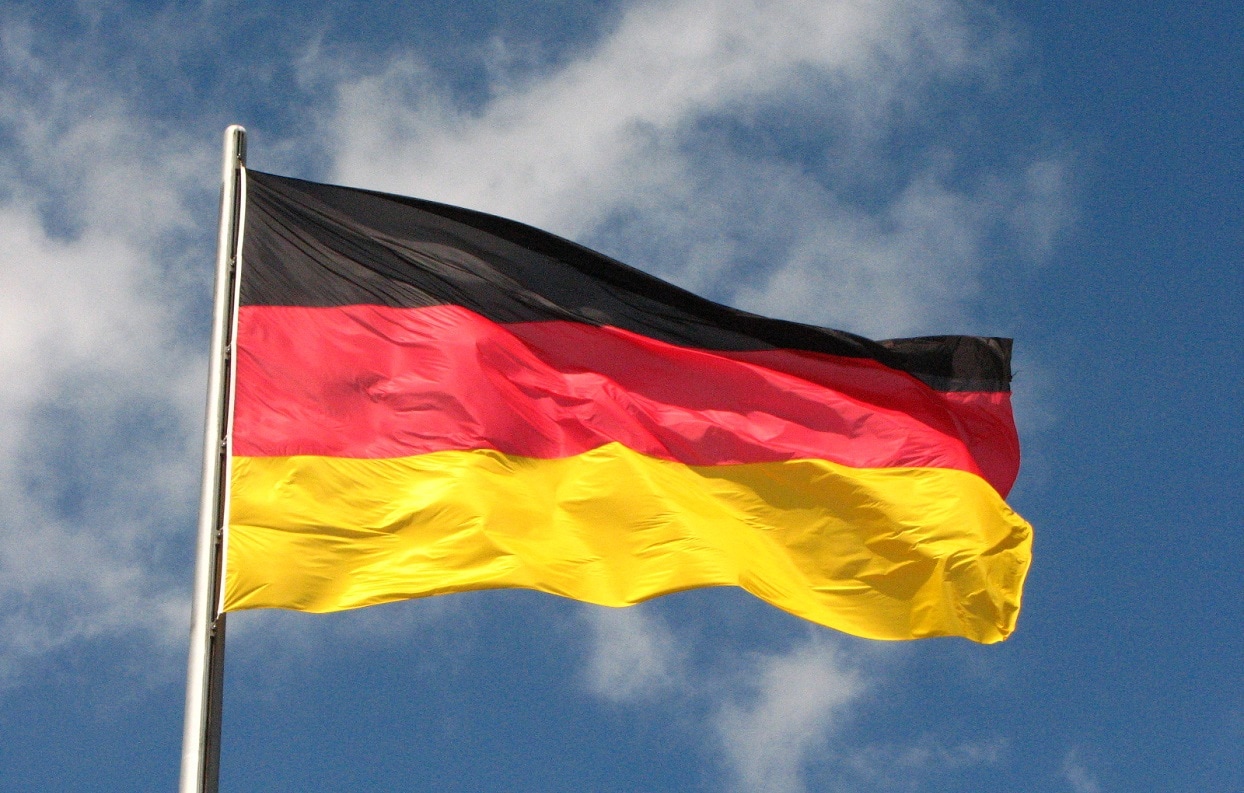
According to the BBC's report on the Berlin meeting, the treaty commits London and Berlin to deeper cooperation in science, technology, defence, security and growth. British Prime Minister Andy Burnham said the two countries would join forces to “find, expose and disrupt” hostile activity. The language is deliberately broad because the threat is broad.
Hybrid warfare is not a single weapon system. It is a campaign designed to create political effects without crossing the threshold that would trigger a conventional military response. A cyber intrusion can disrupt a port. A covert operation can damage an airport. A disinformation campaign can make voters doubt their own government. A ship mapping cables in the North Sea may never fire a shot, but it can still create leverage over Europe.
The treaty's practical value will depend on whether London and Berlin can share information quickly enough to act before an incident becomes a crisis. The two countries do not need another declaration that hostile states are bad. They need common warning systems, protected communications, joint attribution procedures and rehearsed responses for attacks on infrastructure that neither country owns alone.
The North Sea is the real test
The most revealing detail in the BBC reporting was not the ceremony in Berlin. It was the reference by former UK national security adviser Sir Mark Lyall Grant to Russian mapping of undersea cables in the North Sea. Those cables carry financial data, government communications and the traffic that makes modern European economies function. They are also difficult to defend. The seabed is vast, ownership is fragmented and an act of sabotage can be disguised as an accident.
Britain and Germany are unusually well placed to address this problem. The UK brings maritime surveillance, intelligence links and experience protecting critical sea lanes. Germany brings economic weight, Baltic and North Sea access, and a central role in continental logistics. Together they can connect the military picture to the civilian one. A cable fault that looks like a technical failure to an energy regulator may look very different when combined with suspicious vessel movements, cyber probes and a disinformation narrative blaming the wrong actor.
That is the part of hybrid defence that Europe still handles badly: the clues are distributed across institutions, while the attacker operates against the system as a whole.
Trust is the uncomfortable weakness
There is an awkward contradiction at the heart of this partnership. The talks come as Germany faces questions about its reliability as an intelligence partner after the arrest of former BND chief August Hanning on allegations including espionage and treason. The case does not prove that German institutions are compromised. It does prove that intelligence cooperation is not an act of romantic solidarity. It is built on procedures, compartmentation and confidence that information will be handled properly.
London should therefore welcome the treaty while keeping its eyes open. The strongest version of UK-German cooperation will not mean sending every sensitive source into a shared database. It will mean creating narrow channels for specific missions: cable protection, airport security, counter-sabotage investigations and rapid public attribution. Those channels can be audited. They can also be shut down if trust fails.
Berlin has its own reason to be cautious. Germany is a major target because its industrial base, ports and transport networks are central to European support for Ukraine. The BBC noted that Leipzig airport, a major freight hub used to support Ukraine, was at the centre of a recent alleged attack that Moscow denied. Whether that incident is ultimately attributed to Russia or not, the target logic is clear: pressure the logistics chain and Europe has to spend political energy debating whether it is under attack.
What this means for NATO
The treaty is bilateral, but its consequences will be wider. NATO can deter an overt attack because Article 5 creates a visible political tripwire. It is much less comfortable with an adversary that damages a cable, plants malware or finances a covert influence operation and then hides behind ambiguity. A capable UK-German mechanism could become a template for the alliance, especially in the North Sea and Baltic approaches.
But NATO should not confuse coordination with capability. A treaty cannot repair a shortage of maritime patrol hours, cable-monitoring platforms or investigators who understand both intelligence and commercial infrastructure. Nor can it solve the legal problem of responding to an attack when evidence is strong but not public. The alliance will eventually need a common threshold for action below open war. Otherwise, every hybrid attack will become a debate about vocabulary while the damage is already done.
The verdict
Britain and Germany are right to formalise cooperation. The Kensington Treaty is more useful than another grand European speech because it names a real vulnerability and gives two major states a mechanism to work on it. But the treaty is not yet a shield. It is a promise to build one.
The next test will come in the boring places: whether officers can share a warning at 3 a.m., whether a damaged cable triggers a joint investigation, whether ministers can name an aggressor without waiting weeks, and whether both governments will spend money on protection that voters will never see. Russia's advantage in the grey zone has never been magic. It has been patience, deniability and Europe's habit of treating each incident as an isolated nuisance. London and Berlin have signed the right document. Now they have to prove they can stop acting surprised.
Sources
The UK and Germany formalized their cooperation through the Kensington Treaty in October 2026 to address hybrid warfare threats, including sabotage and cyberattacks. This treaty aims to enhance joint efforts in intelligence sharing and infrastructure protection, particularly concerning undersea cables in the North Sea. The partnership comes amid concerns about Germany's reliability as an intelligence partner following recent espionage allegations.
- UK and Germany ratified the Kensington Treaty in October 2026.
- The treaty aims to enhance cooperation against hybrid warfare threats.
- Former UK national security adviser highlighted Russian mapping of undersea cables as a concern.
- Germany's reliability as an intelligence partner is questioned due to recent espionage allegations.
- The treaty could serve as a model for NATO's response to hybrid threats.