
U.S. Navy tests new tool to plan missions for autonomous jets
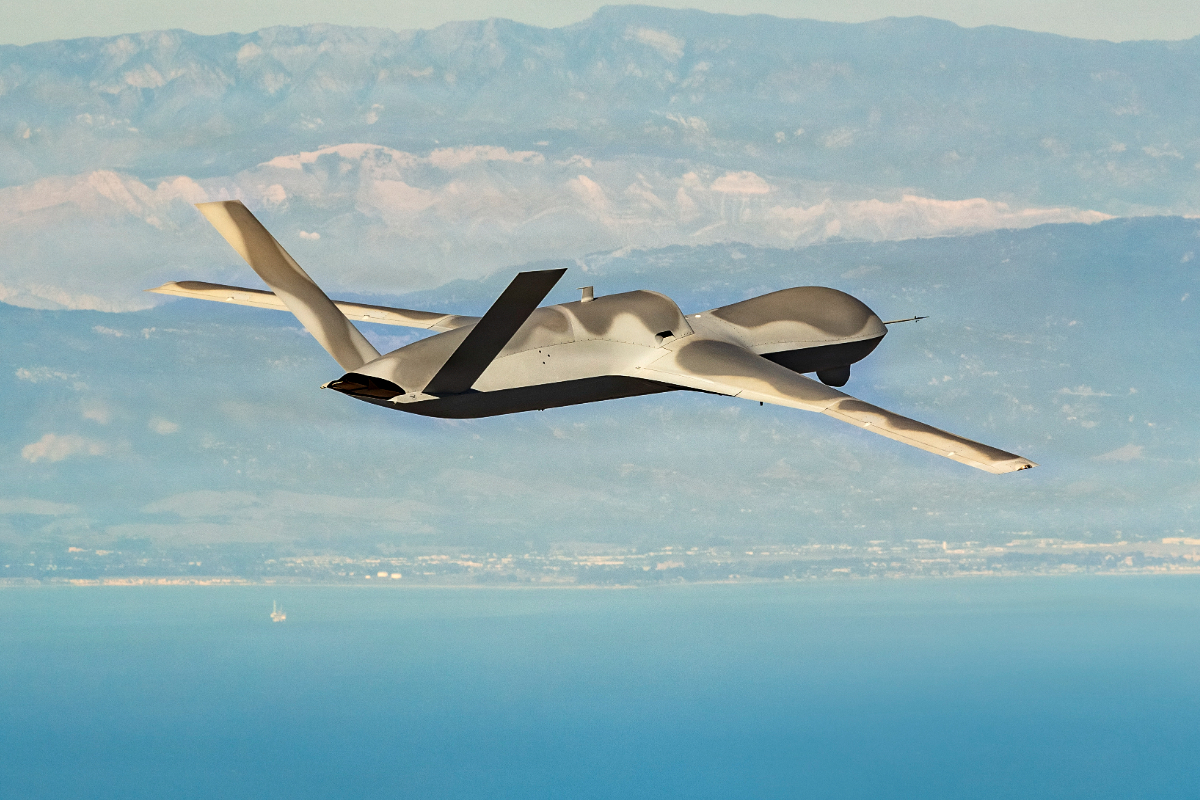
The U.S. Navy demonstrated a new system for planning and controlling autonomous combat aircraft during Gray Flag 2026, a large-force test event held at Point Mugu Sea Range in California this month. The Navy calls the system Collaborative Autonomy Mission Planning, or CAMP.
The demonstration used a General Atomics MQ-20 Avenger acting as a surrogate autonomous aircraft. Navy engineers from the Strike Planning & Execution Systems office, known as PMX-281, built a mission plan, sent it to the aircraft, let it carry out the plan, and reviewed the results afterward.
CAMP is meant to fix a specific problem: mission planners plan strikes and patrols the same way they always have, using a system called the Collaborative Mission Planning Continuum, but autonomous aircraft need that information translated into a format they can act on. CAMP does that translation, converting a human-written plan into instructions an unmanned aircraft can execute as part of a larger mission alongside manned jets.
“CAMP is about making autonomy more usable by integrating into mission environments with both manned and unmanned platforms,” said Capt. Todd “Toby” Keith, the PMX-281 program manager. “This demonstration showed how we can connect the way operators plan missions today in the CMPC with the way autonomous aircraft will execute those missions. That can reduce the burden on our operators, improve interoperability and help bring collaborative autonomy closer to operational use.”
The Navy has not said when CAMP might reach operational units or how many aircraft it has been tested against beyond the single MQ-20 surrogate used at Point Mugu.
PMX-281 sits under the Program Executive Office for Unmanned Aviation and Strike Weapons and has spent recent months testing pieces of the Navy’s autonomy roadmap using surrogate aircraft rather than the eventual production platforms. In December 2025, the Navy and Shield AI flew two BQM-177A target drones under the direction of a simulated F/A-18 at the same Point Mugu range, using Shield AI’s Hivemind software to defend a patrol area against virtual adversaries in a live, virtual and constructive test environment. That effort, part of a program the Navy calls EPIC, focused on getting unmanned aircraft to fly and fight together. CAMP addresses a different piece of the puzzle: how a human planner’s intent gets translated into something an autonomous aircraft can execute in the first place.
The demonstration comes as the Navy works to define what its future carrier-based unmanned combat aircraft will actually look like. In late August, Naval Air Systems Command asked industry to propose designs for the first increment of the Navy’s own Collaborative Combat Aircraft program, seeking a carrier-launched, weaponized drone able to operate from Ford-class and Nimitz-class carriers alongside manned fighters, with a per-unit cost target of $30 million, The Defence Blog reported. Systems like CAMP are meant to work with whatever aircraft eventually wins that competition, since the mission-planning translation layer is built to be independent of any single autonomous platform or airframe.
Content preview only. Full article available at source. View Full Article
The U.S. Navy demonstrated the Collaborative Autonomy Mission Planning (CAMP) system for autonomous combat aircraft at Point Mugu Sea Range in October 2026. The system translates human mission plans into executable instructions for unmanned aircraft, enhancing interoperability with manned jets. This demonstration is part of the Navy's efforts to develop future carrier-based unmanned combat aircraft.
- The U.S. Navy demonstrated a new system called CAMP for autonomous combat aircraft planning.
- The demonstration involved a General Atomics MQ-20 Avenger at Point Mugu Sea Range.
- CAMP translates human mission plans into executable instructions for unmanned aircraft.
- The Navy is exploring future designs for carrier-based unmanned combat aircraft.
- The system aims to improve interoperability between manned and unmanned platforms.