

Canada’s ongoing trade and economic war has complicated economic relations between the two North American neighbors.
It’s harming military interoperability and arms sales between the two powers.
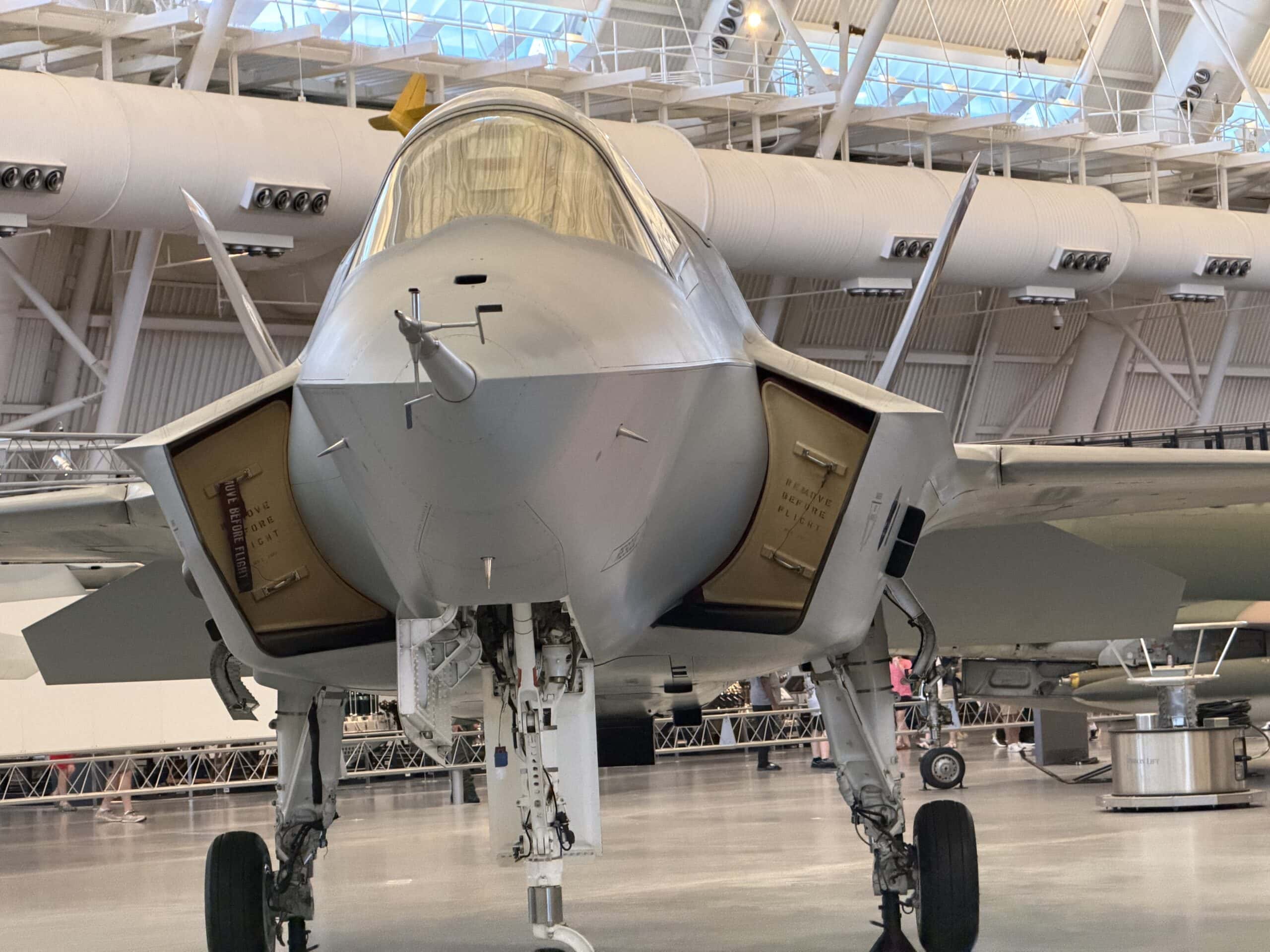
F-35 at the Smithsonian. Image taken on 7/8/2026 by 19FortyFive Staff.
Originally, Canada was on a path to acquire up to 88 Lockheed Martin F-35 Lightning II fifth-generation warplanes. However, once the trade war began last year, Canada’s willingness to procure these systems came into question.
Of course, even Canada’s military doesn’t support the Canadian government’s decision to interfere with, or pause, the purchase of these much-needed warplanes from the United States.
It isn’t just about using leverage to get a better trade deal.
The Canadian Air Force is a mess.
Their airframes should be retired, but successive Canadian governments have kept their current crop of CF-18 fourth-generation warplanes flying by spit and polish while undercutting national defense budgets.
Finally, Ottawa listened to its military leaders, who had been pleading with politicians for investment in force modernization and expansion.
Major Problems
This not only inconveniences the Americans, who want to sell the plane to Canada for financial reasons, but also for interoperability.
The Canadian and American militaries are closely integrated, and Washington wants to maintain that integration.
By ensuring Canada and America use similar platforms from the same ecosystem, they can maintain interoperability.
But Ottawa isn’t letting up as the trade war with Washington continues.
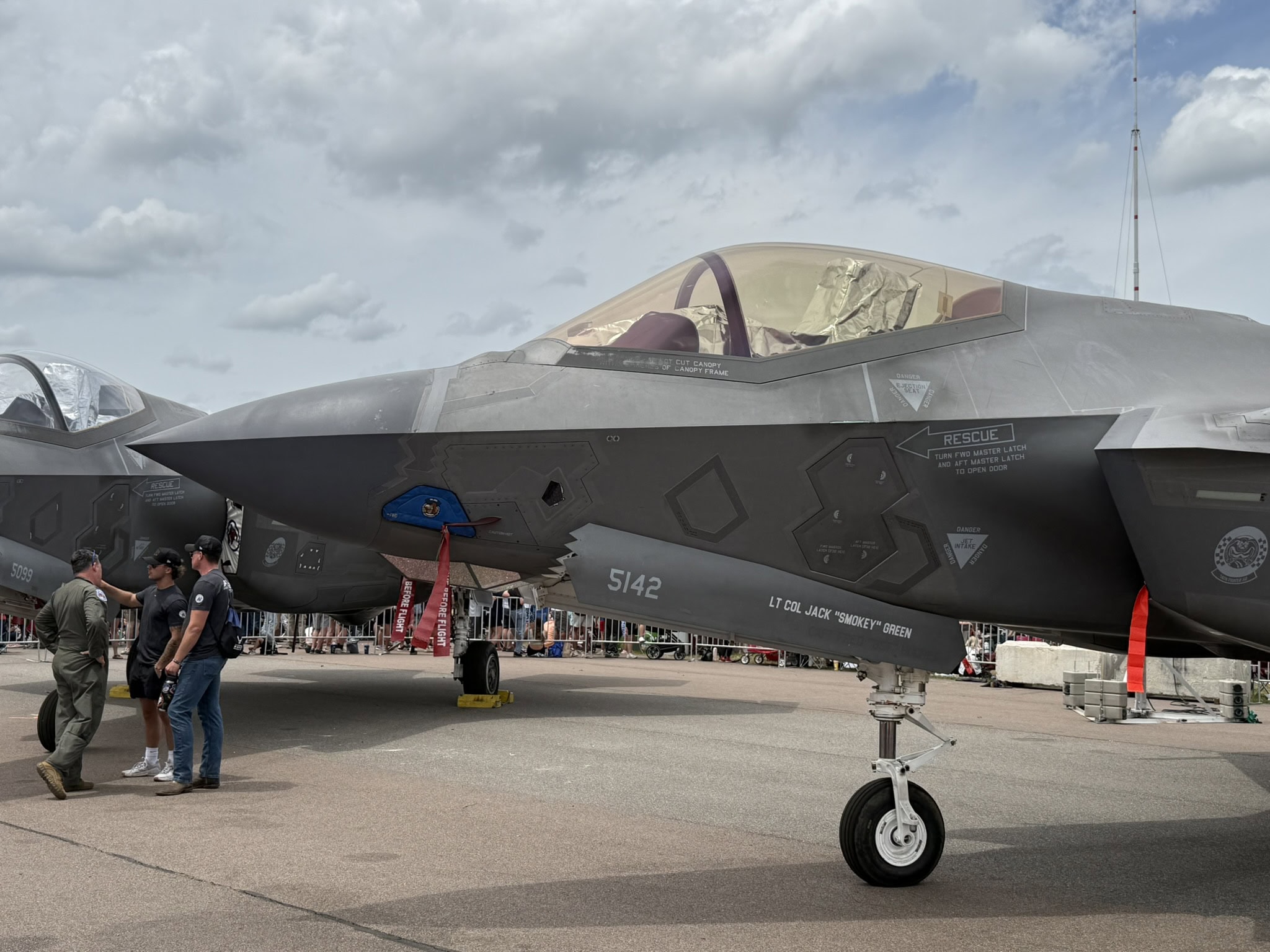
F-35C at Lakeland, Florida Airshow. Image Credit: 19FortyFive.com
Ottawa is risking national security to fight the Americans on trade.
But it seems unlikely Ottawa will fully abandon the F-35 purchase, at least because Canada initiated it in the final year of the Biden administration.
Canada is legally committed to receiving 16 units of the F-35 export variant.
Refusing to accept them would trigger massive financial penalties under the agreement Ottawa signed with Lockheed.
In fact, Ottawa placed down payments on parts for an additional 14 jets to preserve production slots.
That leaves 72 aircraft.
Canadian media reports that Prime Minister Mark Carney’s government in Ottawa has no guarantee it will follow through on this purchase.
The smart money in Washington is that Carney will wait until the Trump administration ends before finalizing the purchase.
But Carney’s government has made bold public statements in favor of purchasing Swedish-made Saab Gripen-E fourth-generation fighters to fill any gaps that might arise from Ottawa’s delay in finalizing the purchase of the F-35s from the United States.
This would create a mixed fleet of American and European warplanes in Canada.
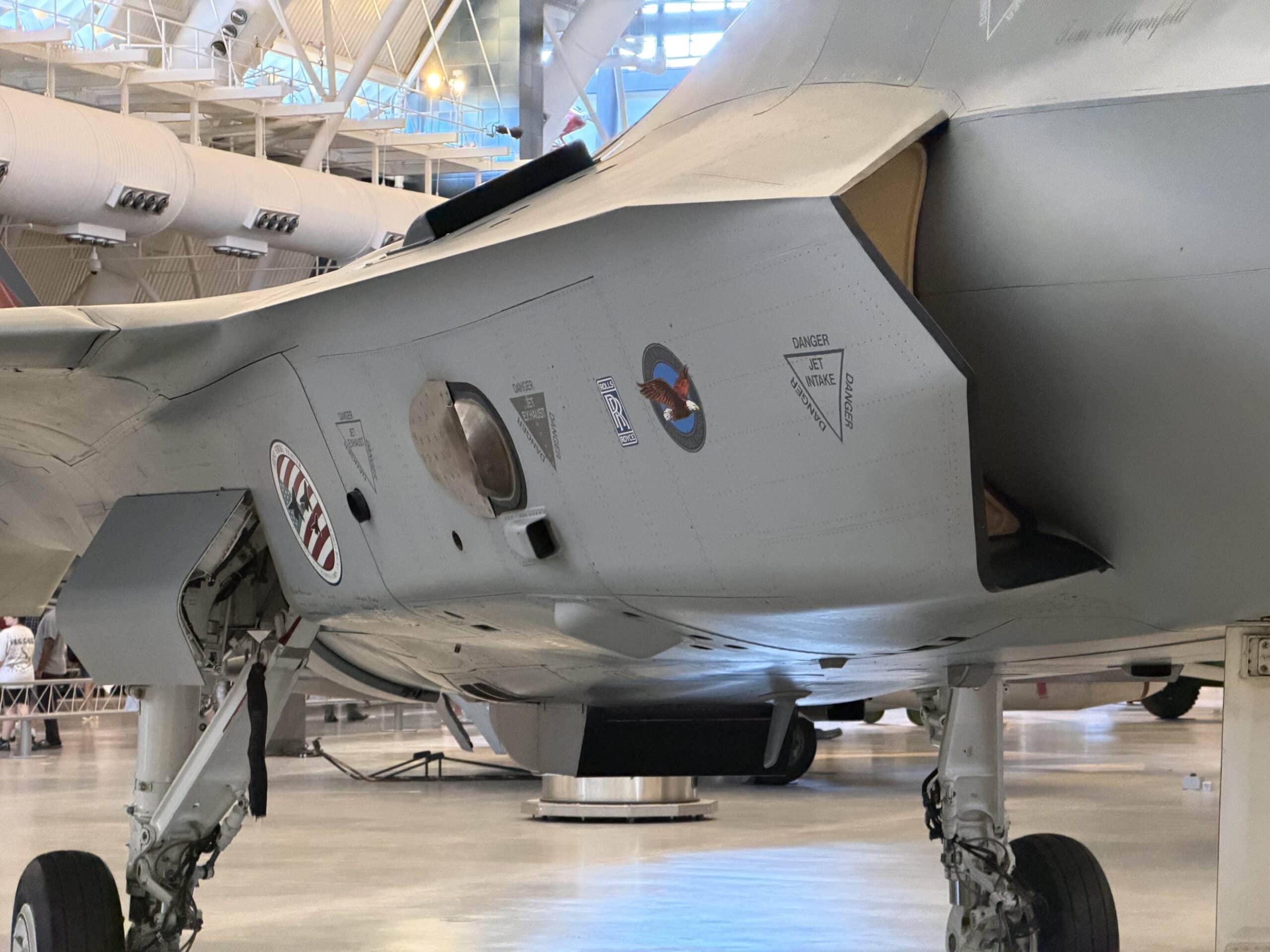
F-35 at the Smithsonian. Image taken on 7/8/2026 by 19FortyFive Staff.
While the Americans claim this would degrade interoperability, Canadians, like the US, are part of NATO. The Gripens are integral elements of NATO’s combined air force.
So, it would not necessarily be devastating for Canada to maintain a mixed fleet of US and European planes.
Undermining the Alliance Needlessly
However, it could degrade interoperability within Canada’s bilateral military alliance with the United States, such as NORAD, a key element of North America’s combined defense.
Canadians originally wanted to buy F-35s from the US to strengthen NORAD.
Washington has warned Ottawa that if Canada fails to meet its 88-jet commitment, the NORAD defense pact will have to change.
The US will, at least, fly its own warplanes into Canadian airspace to cover the defensive gaps, according to reports.
In other words, the Americans are threatening Canadian sovereignty even more than the trade war already was.
Beyond the public nastiness, there’s no serious evidence that Canadians could credibly walk away from the F-35 deal.
While Canadian media seems skeptical that the Carney government will ever finalize its F-35 deal with Washington, Canadians walking away from the American F-35 would have real legal and economic implications.
Of course, if this is really a fight over national sovereignty, Canada might decide the costs and risks to interoperability are worth it.
If Ottawa fully abandons the F-35 purchase, it will create a serious national security problem for the United States, which has long enjoyed a friendly relationship with Canada.
About the Author: Brandon J. Weichert
Brandon J. Weichert is the Senior National Security Editor at 19FortyFive.com. He also manages The Weichert Brief on Substack. Weichert is the co-host for The Mario Nawfal Show on Twitter/X. He is the author of four bestselling national security books, most recently A Disaster of Our Own Making: How the West Lost Ukraine (Encounter Books). His next book, Fortress Americas: A New Monroe Doctrine (Tucker Carlson Books), is due out December 8. Follow him via Twitter/X @WeTheBrandon.