

Summary and Key Points: National security analyst Brandon J. Weichert evaluates the USS Jimmy Carter (SSN-23), a unique Seawolf-class nuclear-powered attack submarine.
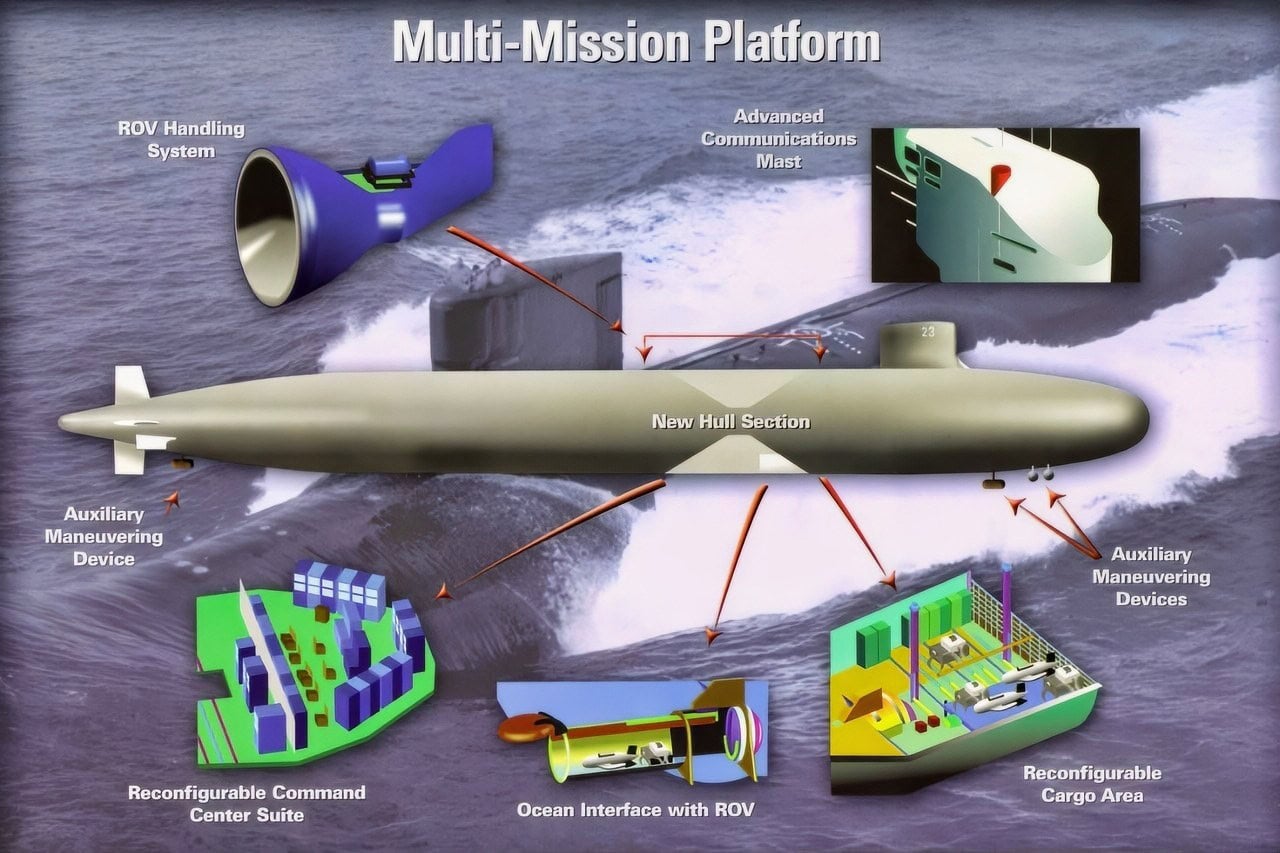
-Commissioned in 2005, it features a 100-foot Multi-Mission Platform (MMP)—a floodable mission bay for deploying Navy SEALs, UUVs, and ROVs.
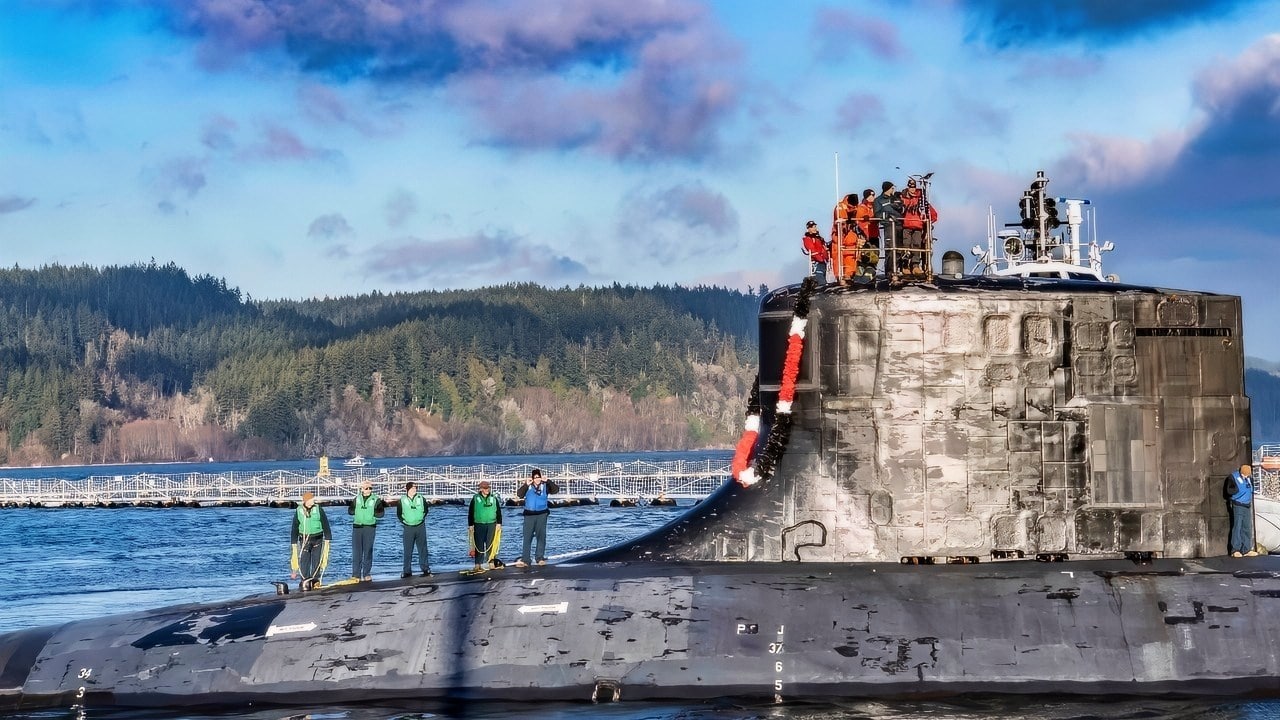
The Seawolf-class fast-attack submarine USS Seawolf (SSN 21) returns home to Naval Base Kitsap-Bangor, Washington, Dec. 14, 2022, following a seven-month deployment. Seawolf is the first of the Navy’s three Seawolf-class submarines, designed to be faster and quieter than its Los Angeles-class counterpart. (U.S. Navy photo by Mass Communication Specialist 2nd Class Gwendelyn L. Ohrazda)
USS Jimmy Carter Seawolf-Class. Image Credit: Creative Commons.
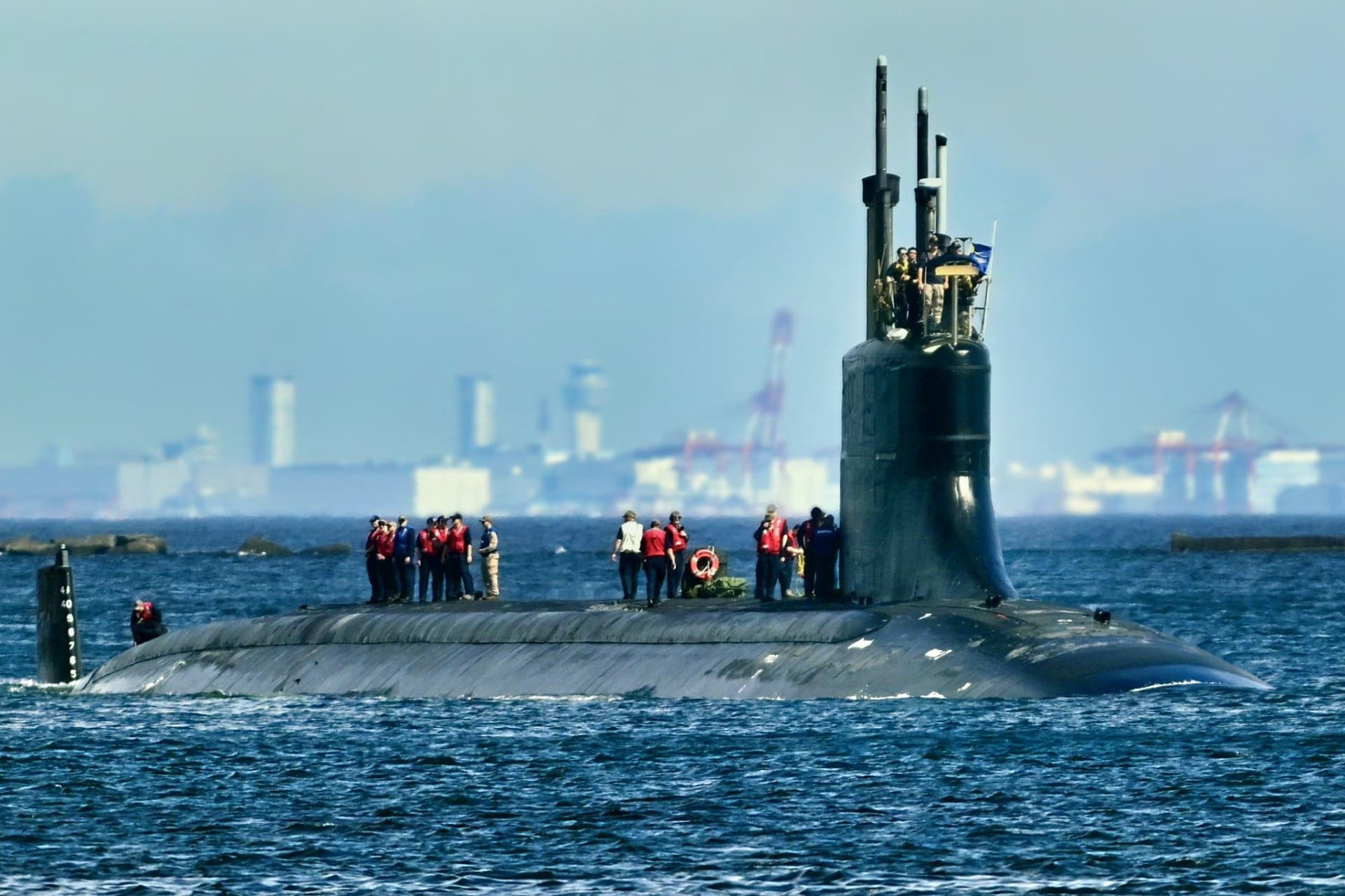
Seawolf-Class Submarine. Image Credit: Creative Commons.
-This report analyzes the submarine’s specialized maneuvering thrusters, which enable precise “hovering” for tapping or sabotaging undersea fiberoptic cables.
-Weichert explores the legacy of Operation Ivy Bells and the secretive Mission 7, concluding that the Jimmy Carter serves as the essential prototype for the U.S. Navy’s next generation of seabed warfare assets.
Beyond the Jolly Roger: Analyzing the Secretive Undersea Missions of the USS Jimmy Carter
The USS Jimmy Carter (SSN-23) is one of the most unusual and secretive submarines the U.S. Navy has ever built. The final submarine of the promising Seawolf-class attack submarine—a promise Congress scuttled after only three subs were built—the Jimmy Carter was commissioned in 2005.
The Seawolf-class That Congress Nearly Killed
The Seawolf-class 30 years after its initial release is still one of the most advanced submarines ever conceived, and the USS Jimmy Carter is a unique variant of that class.
During construction, the Navy inserted a 100-foot hull extension known as the Multi-Mission Platform into the submarine. The modification made the submarine about 100 feet longer than its sister ships. It made the Jimmy Carter capable of carrying special mission equipment, and to deploy divers, drones, and other underwater systems. Essentially, it turned the submarine into a special operations mothership for covert undersea missions.
The extra section in the hull is a floodable mission bay that allows for operators to interact with the ocean environment while the submarine remains submerged and hidden.
Inside the Multi-Mission Platform
One can find an impressive array of deployable systems that ensure this submarine is one of the most lethal subs ever devised. This is the submarine that keeps China up at night. The submarine comes with remotely operated vehicles, unmanned underwater vehicles (UUVs), Navy SEAL teams, and specialized sensors and experimental equipment to ensure mission success in the most extraordinary circumstances.
What’s more, the Jimmy Carter can launch and recover equipment without using torpedo tubes. That’s something other submarines in the fleet cannot accomplish.
One of the most interesting modifications made to the Jimmy Carter was the integration of a set of extra maneuvering thrusters. These thrusters allow for the submarine to hover precisely over a point on the seabed, even in strong currents. This is a key feature for conducting deep undersea warfare, such as tapping or sabotaging undersea cables. With these extra thrusters, the Jimmy Carter can inspect underwater infrastructure as well as deploy sensors.
Normal attack submarines are optimized for speed and stealth. They are not really designed for intense underwater work.
Why the USS Jimmy Carter Can Hover on the Ocean Floor
Tapping undersea cables is in fact one of the most widely discussed missions for the Jimmy Carter. The network of undersea fiberoptic cables is responsible for the bulk of the world’s internet traffic and military communications. Therefore, these cables are extremely valuable intelligence targets.
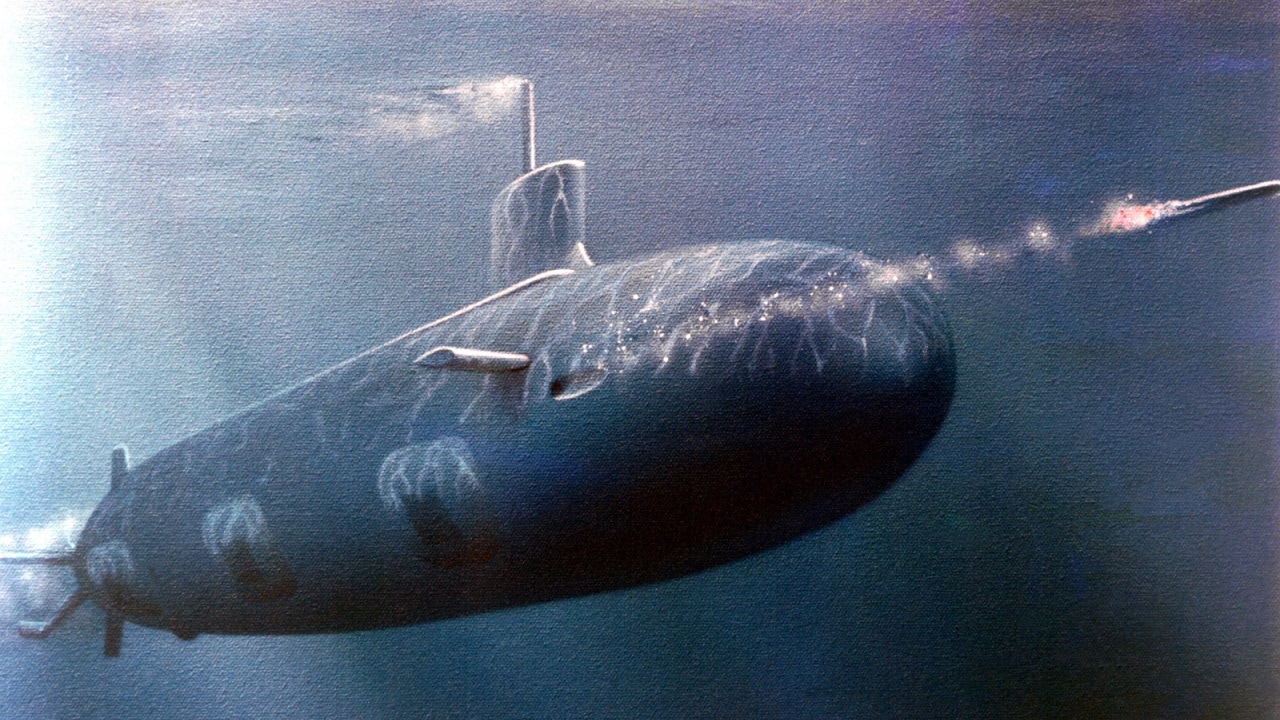
An artist’s concept of the nuclear-powered submarine SEAWOLF (SSN-21).
Experts believe the Jimmy Carter’s missions bay could serve as an underwater splicing chamber for cable tapping, similar to operations that were notoriously conducted during the Cold War. That would make the submarine a successor to Cold War intelligence operations such as Operation Ivy Bells, during which U.S. submarines secretly tapped Soviet naval communication cables.
Very little is actually known about the USS Jimmy Carter’s service record. There are, of course, some cursory documents available online. But much of the submarine’s service record is shrouded in mystery. The crew is believed to have received a Presidential Unit Citation for a classified mission known only as “Mission 7.” It also returned from a deployment flying a Jolly Roger, which traditionally signals a successful covert operation.
The Navy has never publicly revealed what those missions were.
The Prototype for the Next Era of Seabed Warfare
The Jimmy Carter reflects a shift in naval warfare. The future fight under the ocean is no longer just submarine vs. submarine combat. It now includes undersea infrastructure warfare, cable tapping or sabotage, seabed sensor networks, and UUVs. The Jimmy Carter is essentially a prototype for that kind of warfare.
Interestingly, the Navy is already considering future submarines designed specifically for seabed operations, building on lessons learned from the Jimmy Carter—the most capable submarine in the world.
About the Author: Brandon J. Weichert
Brandon J. Weichert is the Senior National Security Editor at 19FortyFive.com. Recently, Weichert became the editor of the “NatSec Guy” section at Emerald.TV. He was previously the senior national security editor at The National Interest. Weichert is the host of The National Security Hour on iHeartRadio, where he discusses national security policy every Wednesday at 8pm Eastern. He hosts a companion show on Rumble entitled “National Security Talk.” Weichert consults regularly with various government institutions and private organizations on geopolitical issues. His writings have appeared in numerous publications, among them Popular Mechanics, National Review, MSN, and The American Spectator. And his books include Winning Space: How America Remains a Superpower, Biohacked: China’s Race to Control Life, and The Shadow War: Iran’s Quest for Supremacy. Weichert’s newest book, A Disaster of Our Own Making: How the West Lost Ukraine, is available for purchase wherever books are sold. He can be followed via Twitter/X @WeTheBrandon.