

Summary and Key Points: International relations professor Dr. Andrew Latham evaluates the strategic consequences of a potential Trump administration victory declaration in 2026.
-While Operation Epic Fury has imposed massive costs—hitting 15,000 targets and degrading the IRGC—Latham asserts that the Islamic Republic’s regime remains stable.
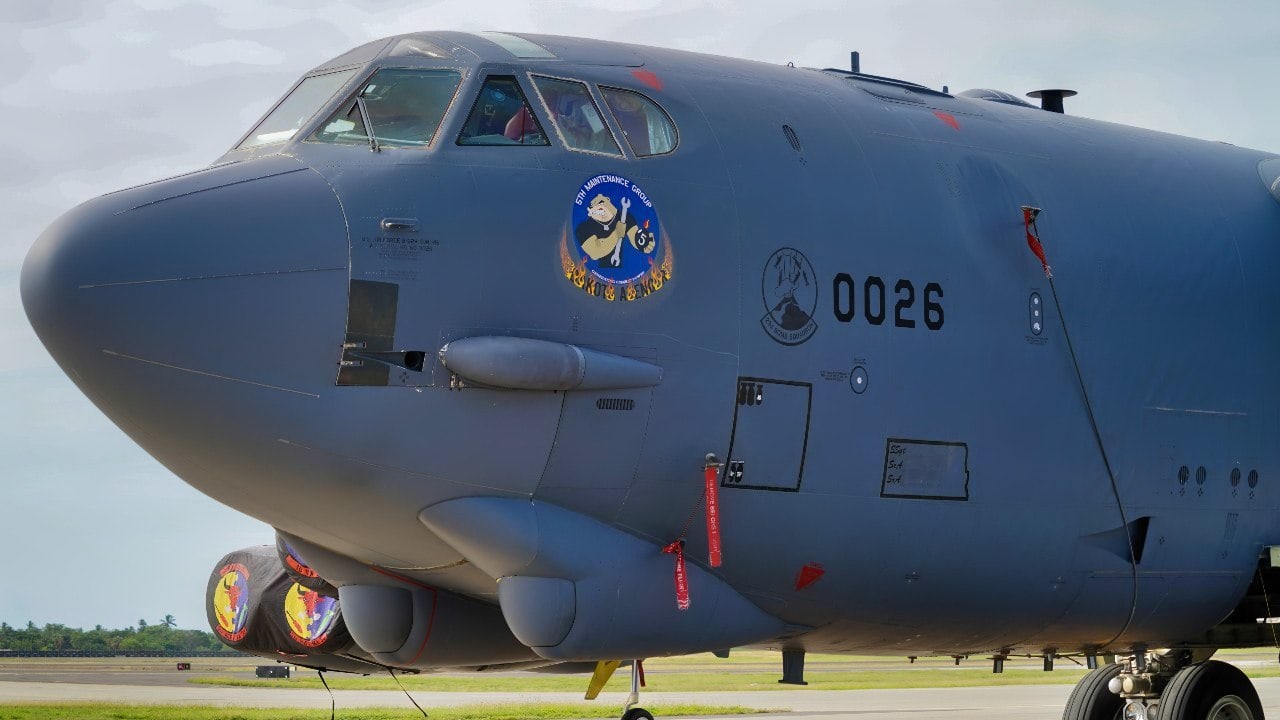
B-52 Bomber. Image Credit: Creative Commons.
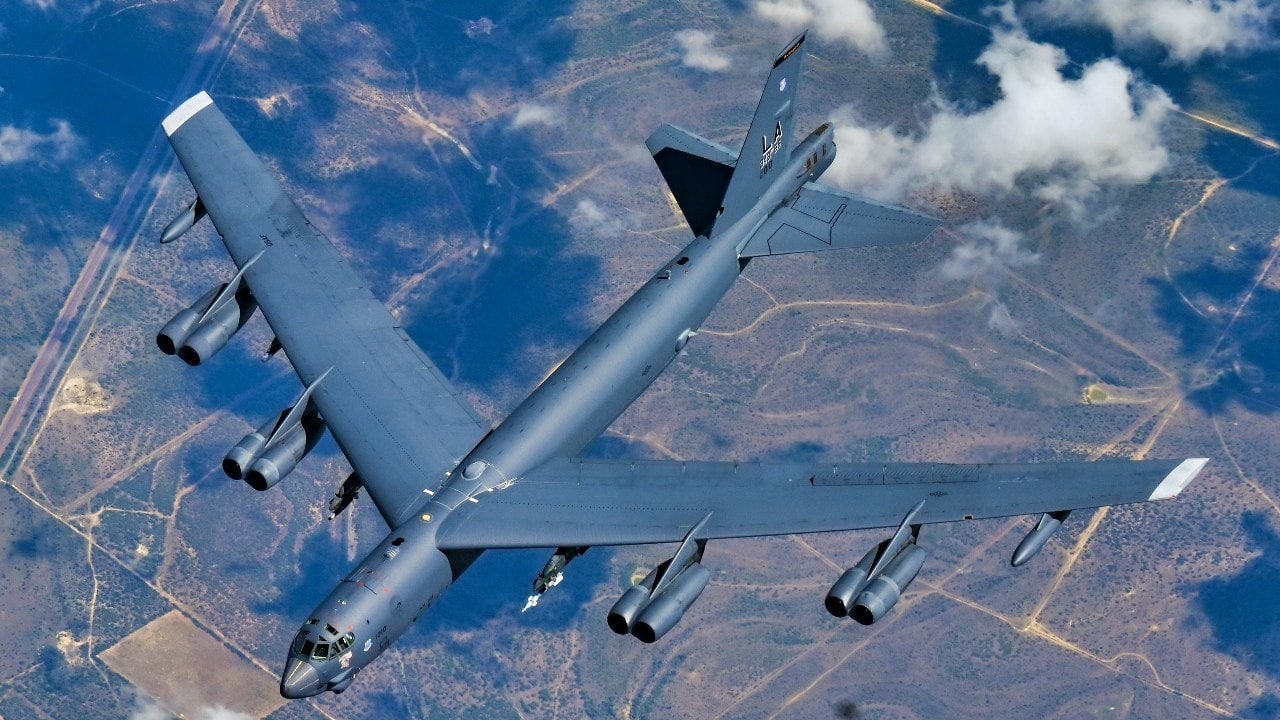
A KC-135 Stratotanker from the 465th Air Refueling Squadron assigned to Tinker Air Force Base, Oklahoma, refuels a B-52 Stratofortress from the 96th Bomb Squadron assigned to Barksdale Air Force Base, Louisiana, during a cross country mission 13 Sept 2021. The sortie enabled the B-52’s dynamic and close air support mission in support of Special Operations Attack Course qualification. (U.S. Air Force photo by 2nd Lt. Mary Begy)
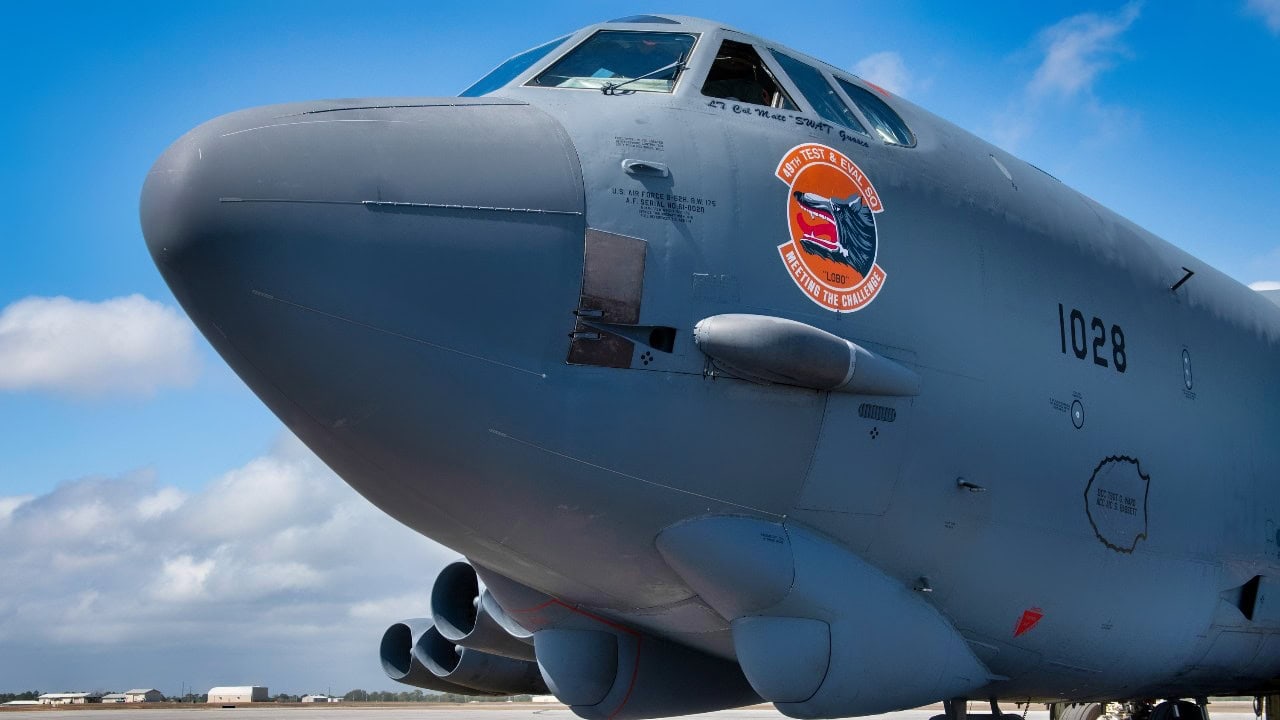
A 53rd Wing B-52 Stratofortress sits on the flightline Feb 22, 2022 at Eglin Air Force Base, Florida. The 49th Test and Evaluation Squadron aircrew brought the bomber from Barksdale AFB, Louisiana, to allow wing personnel an opportunity to see one of their geographically separated aircraft up close. (U.S. Air Force photo/Ilka Cole)
-Crucially, the “knowledge base” of the nuclear program and the mobile ballistic missile infrastructure are recoverable.
-Without a permanent security solution for the Strait of Hormuz, the conflict ends in a “visible constraint” of American power, leaving Israel and regional allies in a cycle of perpetual, low-level escalation.
Disruption vs. Disarmament: Evaluating the Remnants of Iran’s Missile Program
The question now being asked in Washington sounds simple enough: What happens if President Trump halts combat operations against Iran today and Israel goes along?
The answer is less reassuring than some—like the US counterintelligence official who recently called for an immediate end to hostilities as he was resigning—seem to think. The regime would still be in place. Its nuclear and ballistic missile infrastructure would be damaged, but not destroyed. The Strait of Hormuz would remain unsecured. None of the main problems that drove this conflict would be clearly settled.
What Was the Objective—And Was It Achieved?
That matters all the more because it is still not entirely clear what the United States was trying to accomplish in the first place. If the objective was to impose costs on Iran and demonstrate that American power could reach deep into the country, then perhaps the recent strikes are enough. If the objective was to roll back Iran’s nuclear program or its missile arsenal in any lasting sense, the outcome looks far less decisive. If the goal was to secure the flow of oil through Hormuz, the picture is murkier still.
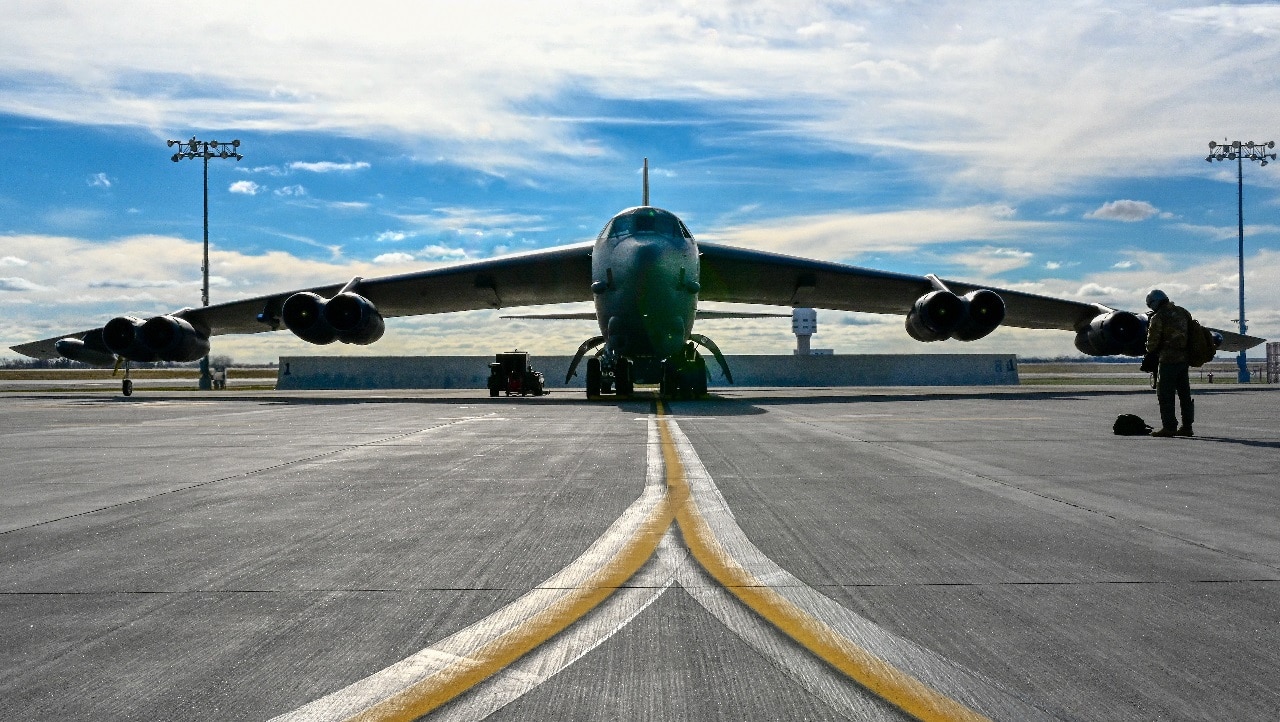
A B-52H Stratofortress is prepared for fight at Minot Air Force Base, N.D., Oct. 25, 2021. The last B-52H built was delivered in Oct. 1962. (U.S. Air Force photo by Airman 1st Class Zachary Wright)
That ambiguity makes it easier for Washington to say the operation succeeded. It also makes it harder to claim that anything essential has changed.
Iran’s Regime Is Still Standing
Start with the regime. It is still in place. There is no sign of imminent collapse, and no obvious evidence that the strikes have opened up the kind of internal fracture that would put the system itself in danger. External pressure of this sort often tightens control rather than loosens it. The Islamic Republic has taken punishment before. There is little reason to think this round of strikes has altered that underlying reality.
The same goes for Iran’s military capabilities. The nuclear program has almost certainly been pushed back. Facilities may be damaged. Parts of the infrastructure have taken hits. But the knowledge base remains, and the technical expertise behind the program has not disappeared. Restarting it would take time and money. It would not, however, be out of reach.
Iran’s ballistic missile arsenal looks much the same. Stockpiles may have been reduced, and some production facilities may have been degraded. That is not elimination. Given enough time, those capabilities can be rebuilt. This is disruption, not disarmament.
Hormuz Remains the Central Problem
None of that would matter as much if the broader strategic picture had shifted in some decisive way. It hasn’t. The Strait of Hormuz remains the central problem and remains unresolved.
The issue is not whether ships can pass through the Strait on a given day. The issue is whether they can do so in a way that is predictable enough to calm markets and reassure governments. Right now, that answer is uncertain. Iran still has the means to reintroduce risk at relatively low cost. Mines matter here. Small craft matter here. So does the constant possibility of harassment. Commercial traffic can look normal—until it doesn’t.
That is often enough. The Strait need not be fully closed to produce strategic effects. It only has to become dangerous. As long as that condition holds, the problem at the heart of this conflict remains.
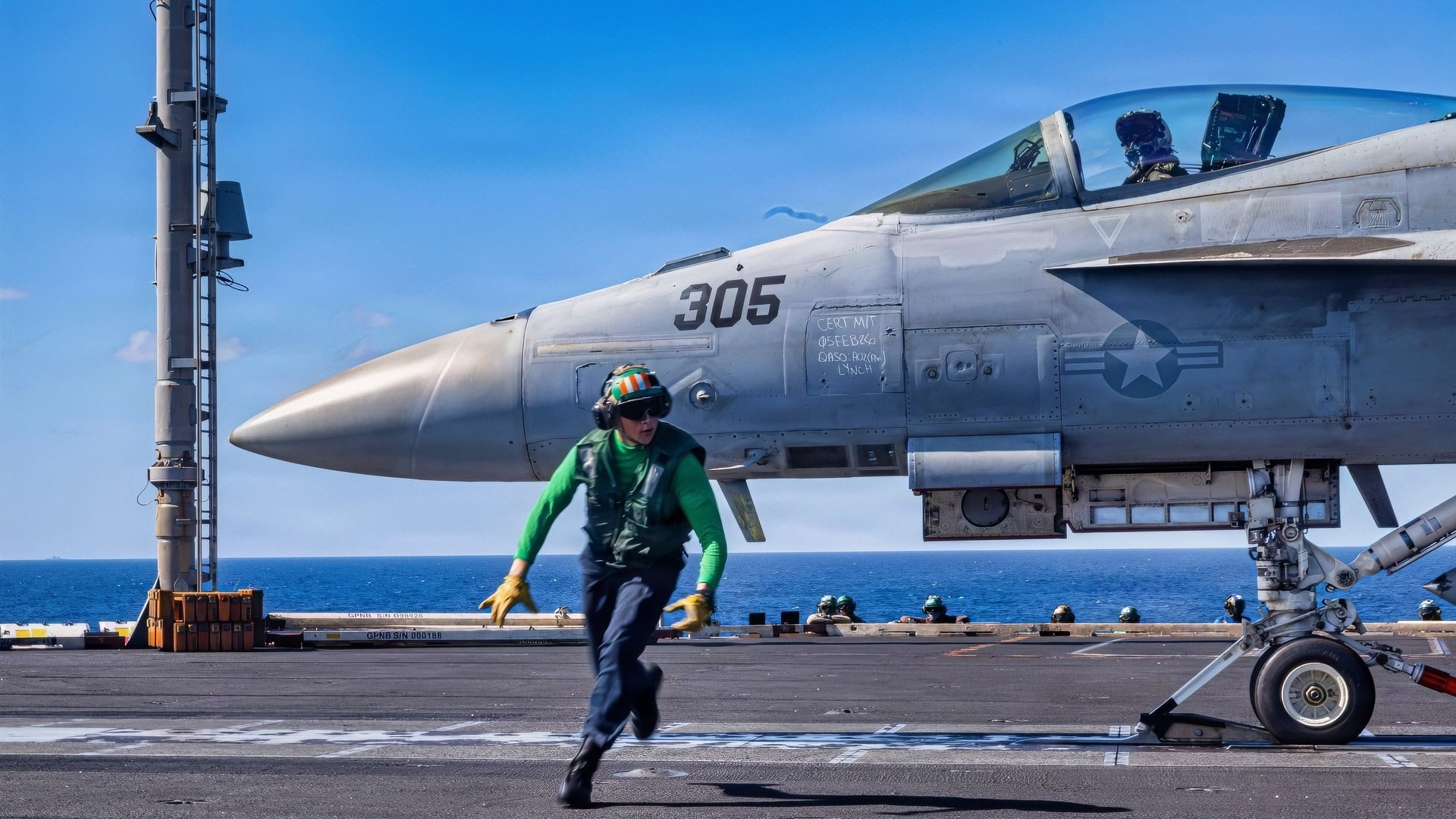
A U.S. Sailor moves behind a flight deck foul line before the launch an F/A-18E Super Hornet aircraft, attached Strike Fighter Squadron 31, from the flight deck of the world’s largest aircraft carrier, Ford-class aircraft carrier USS Gerald R. Ford (CVN 78), while underway in the Caribbean Sea, Feb. 5, 2026. U.S. military forces are deployed to the Caribbean in support of the U.S. Southern Command mission, Department of War-directed operations, and the president’s priorities to disrupt illicit drug trafficking and protect the homeland. (U.S. Navy photo)
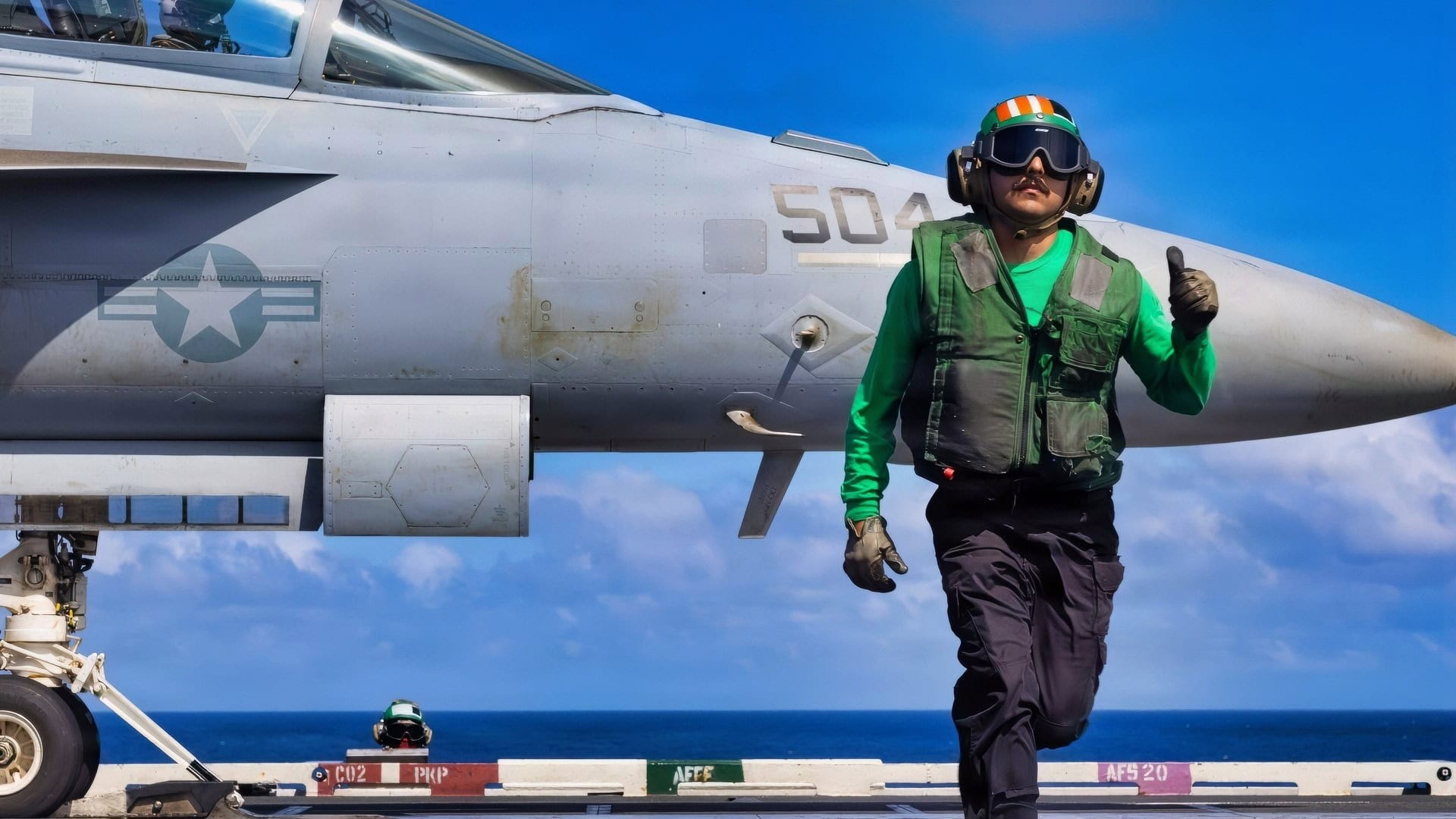
A U.S. Sailor signals the launch of an E/A-18G Growler aircraft, attached to Electronic Attack Squadron 142, from the flight deck of the world’s largest aircraft carrier, Ford-class aircraft carrier USS Gerald R. Ford (CVN 78), while underway in the Caribbean Sea, Jan. 31, 2026. U.S. military forces are deployed to the Caribbean in support of the U.S. Southern Command mission, Department of War-directed operations, and the president’s priorities to disrupt illicit drug trafficking and protect the homeland. (U.S. Navy photo)
The Quiet Cost: Credibility and Constraint
There is another consequence here, it is quieter but still important. If the United States uses force and then stops before the core issues have been resolved, other states will notice. Iran will draw the most immediate conclusion: it can absorb serious strikes and keep going. Others will draw their own conclusions about where the limits of American power seem to lie. This is not a collapse of credibility. It is something more restrained, but also more real: a visible constraint.
Israel Cannot Change the Outcome
Israel’s role does not change the basic logic. If Israel keeps fighting, it runs into many of the same limits. It can hit targets and impose costs. It cannot remove the regime, nor can it secure Hormuz on its own. If Israel stops alongside the United States, then the outcome looks even more clearly like a pause rather than a resolution.
What Stopping Now Actually Produces
So what does stopping now actually produce? Not victory, at least not in any straightforward sense, but not outright defeat either. The regime survives, its core structures intact. Its ability to inflict harm on its adversaries is reduced, but not eliminated. The United States shows it has the will and ability to impose high costs on the regime in Tehran, yet leaves the main strategic problems posed by that regime unresolved. The region settles into something more ambiguous, where the risk of disruption remains and the possibility of renewed escalation never quite goes away.
That is what makes the outcome awkward. It does not fit neatly into the usual categories. It is not the kind of result that can be easily packaged for the public or for allies. It is a war that, if it ends, ends with its main questions still hanging.
Ending the Operation, Not the Problem
If Trump chooses to halt operations now, he can justify it by saying that American forces performed effectively and achieved real tactical results. What he cannot say, at least not honestly, is that the underlying issues that led to the conflict have been resolved. The regime in Tehran would still be in place. Its nuclear and missile capabilities would still be recoverable. The Strait of Hormuz would still be a source of instability.
The operation could end here. The problem would not.
About the Author: Dr. Andrew Latham
Andrew Latham is a non-resident fellow at Defense Priorities and a professor of international relations and political theory at Macalester College in Saint Paul, MN. You can follow him on X: @aakatham. Dr. Latham writes a daily column for 19FortyFive.com.