
Video: U.S. Announces Reduction of Troops Reflecting Change in Strategic Positioning in Europe, Expert Analysis →
On May 1 local time, the U.S. Department of Defense announced that U.S. Secretary of Defense Mark Esper has ordered the withdrawal of 5,000 troops stationed in Germany, with the withdrawal process expected to be completed within the next 6 to 12 months. In addition to Germany, President Trump also stated on April 30 that Spain and Italy had "failed to provide the necessary support" regarding Iran, hinting at the possibility of considering the withdrawal of some U.S. troops from those countries. What do these series of actions reflect about the changes in the U.S. strategic positioning towards its European allies?
The reduction of U.S. troops in Europe is an important step in adjusting security strategy
Cui Hongjian, Director of the EU and Regional Development Research Center at Beijing Foreign Studies University: The series of actions taken by the U.S. has a specific background. Since the new U.S. Secretary of Defense Mark Esper took office last year, he has been preparing to implement reforms within the U.S. military system, primarily targeting the U.S. Army, with one important aspect being the phased reduction of U.S. troops stationed overseas. Therefore, the withdrawal of troops from Europe can be seen as part of the U.S. military reform.
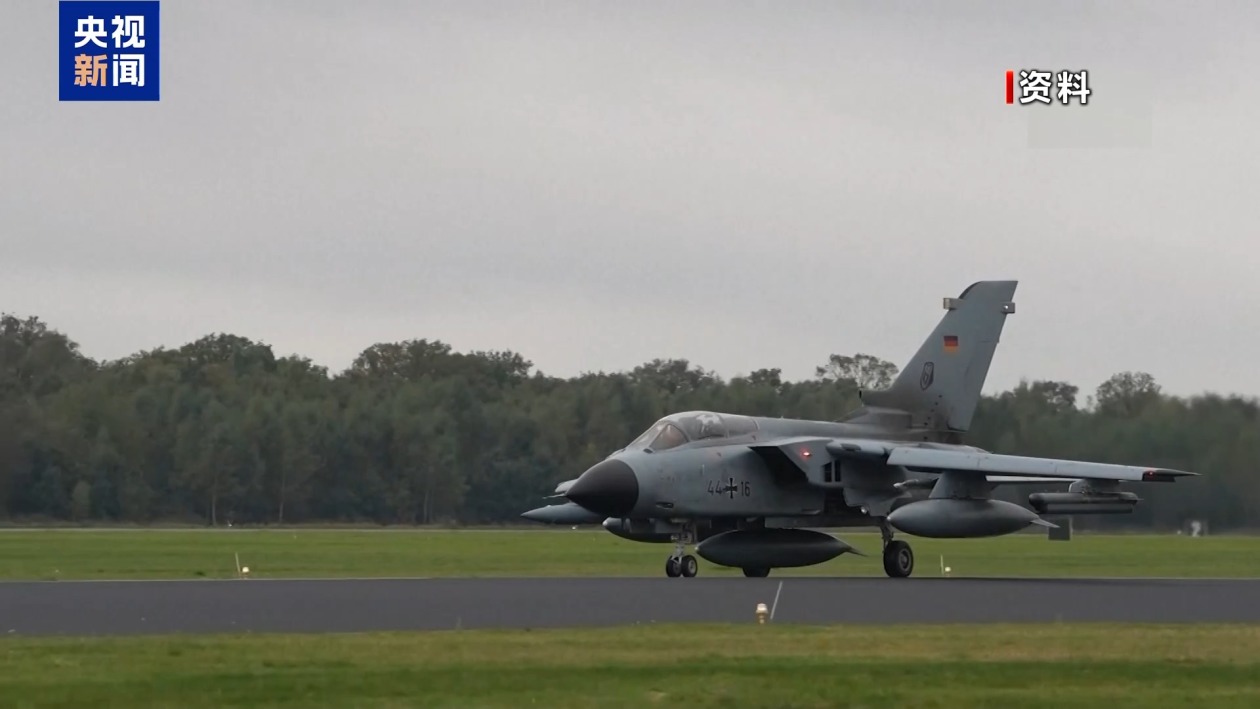
Cui Hongjian, Director of the EU and Regional Development Research Center at Beijing Foreign Studies University: Now, the U.S. is using the lack of cooperation from European allies in military actions against Iran as a reason for the troop withdrawal. Regardless of how the U.S. and Europe negotiate the issue of troops stationed in Europe within the NATO framework, this itself indicates that, on one hand, the importance of Europe in the U.S. global strategic layout is continuously declining; on the other hand, the U.S. hopes to force European countries to take on more so-called defense responsibilities by withdrawing some of its troops.
Europe is continuously adapting to changes in U.S. policy from concepts to actions
Cui Hongjian, Director of the EU and Regional Development Research Center at Beijing Foreign Studies University: Meanwhile, some European countries have shown relative calm towards this U.S. policy and action. The main reason is that, over the past period, most European countries have become increasingly accustomed to the fact that the U.S. is no longer a reliable ally and is continuously shifting and shirking military and defense responsibilities. Initially, they could not accept this conceptually, but now, the so-called security community framework built through defense cooperation and the NATO framework is continuously disintegrating. If the U.S. is only partially withdrawing troops from Germany or specific directions, it does not fundamentally affect the U.S. control over European security, as the U.S. still holds the core resources of European defense in terms of nuclear protection, intelligence, and information.
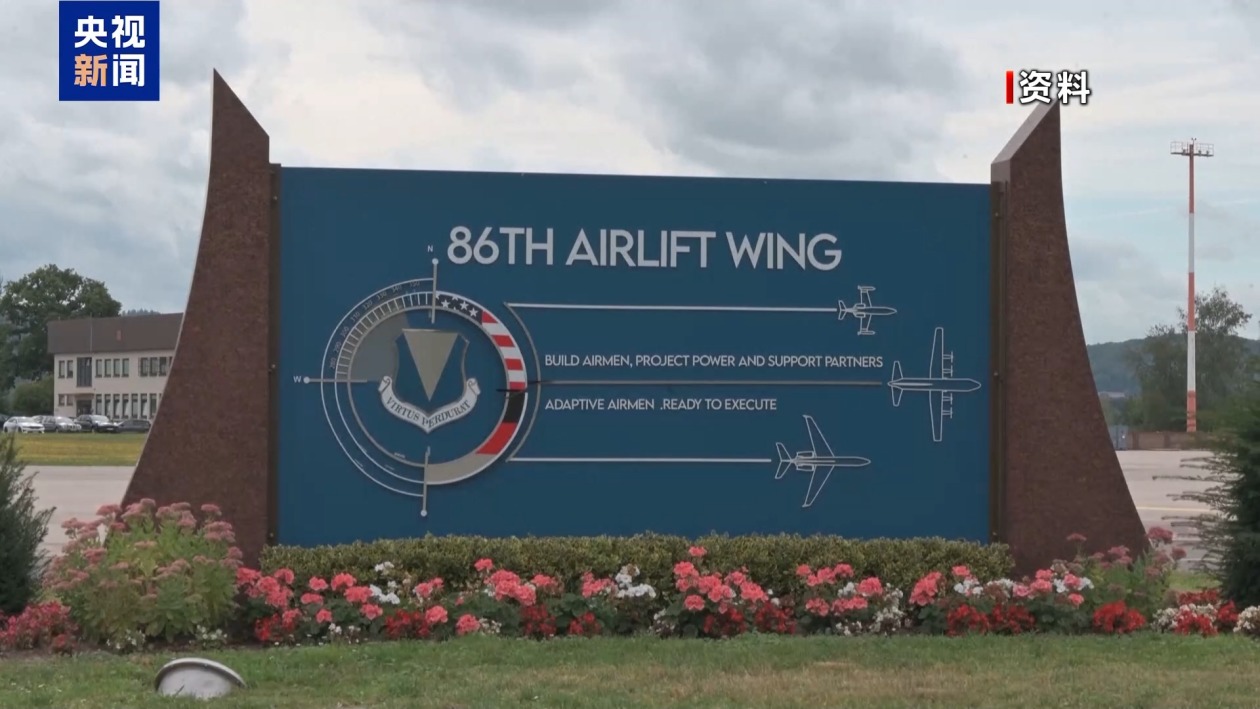
Cui Hongjian, Director of the EU and Regional Development Research Center at Beijing Foreign Studies University: Therefore, I believe that in the future, at the level of military cooperation, whether within the NATO framework or in the bilateral relations between the U.S. and some European countries, both sides will be in a state of continuous negotiation and seeking balance.
The U.S. Department of Defense announced the withdrawal of 5000 troops from Germany, set to occur within the next 6 to 12 months. President Trump also suggested possible troop reductions in Spain and Italy due to a lack of support regarding Iran. This move indicates a strategic shift in U.S. military presence in Europe, with European nations adjusting to the evolving defense policy.
- U.S. Defense Secretary ordered the withdrawal of 5000 troops from Germany.
- Withdrawal will occur over the next 6 to 12 months.
- President Trump indicated potential troop reductions in Spain and Italy.
- The withdrawal reflects a strategic shift in U.S. military presence in Europe.
- European countries are adapting to the changes in U.S. defense policy.