
Washington agrees to sell 10,000 JDAM-ER guided bombs to Saudi Arabia for $5 billion amid a war depleting Gulf munitions.
 Ahmed Al-Rashid
Washington Approves Sale of 10,000 JDAM-ER Guided Bombs to Saudi Arabia for $5 Billion Amid Gulf Ammunition Depletion
The U.S. State Department announced on Friday evening, September 4, its approval of a potential sale to the Kingdom of Saudi Arabia that includes 5,004 KMU-572 JDAM-ER extended range guidance kits, 5,000 KMU-556 kits, along with 5,004 BLU-111 bombs weighing 500 pounds and 5,000 BLU-117 bombs weighing 2,000 pounds, with FMU-139 fuses and DSU-38 and DSU-40 target detectors, as well as all necessary spare parts and engineering and logistical support. The estimated value of the deal is $5 billion, with Boeing as the prime contractor, according to an official notification sent to Congress, which has a thirty-day period to object.
One Package in 24 Hours Reveals War Priorities
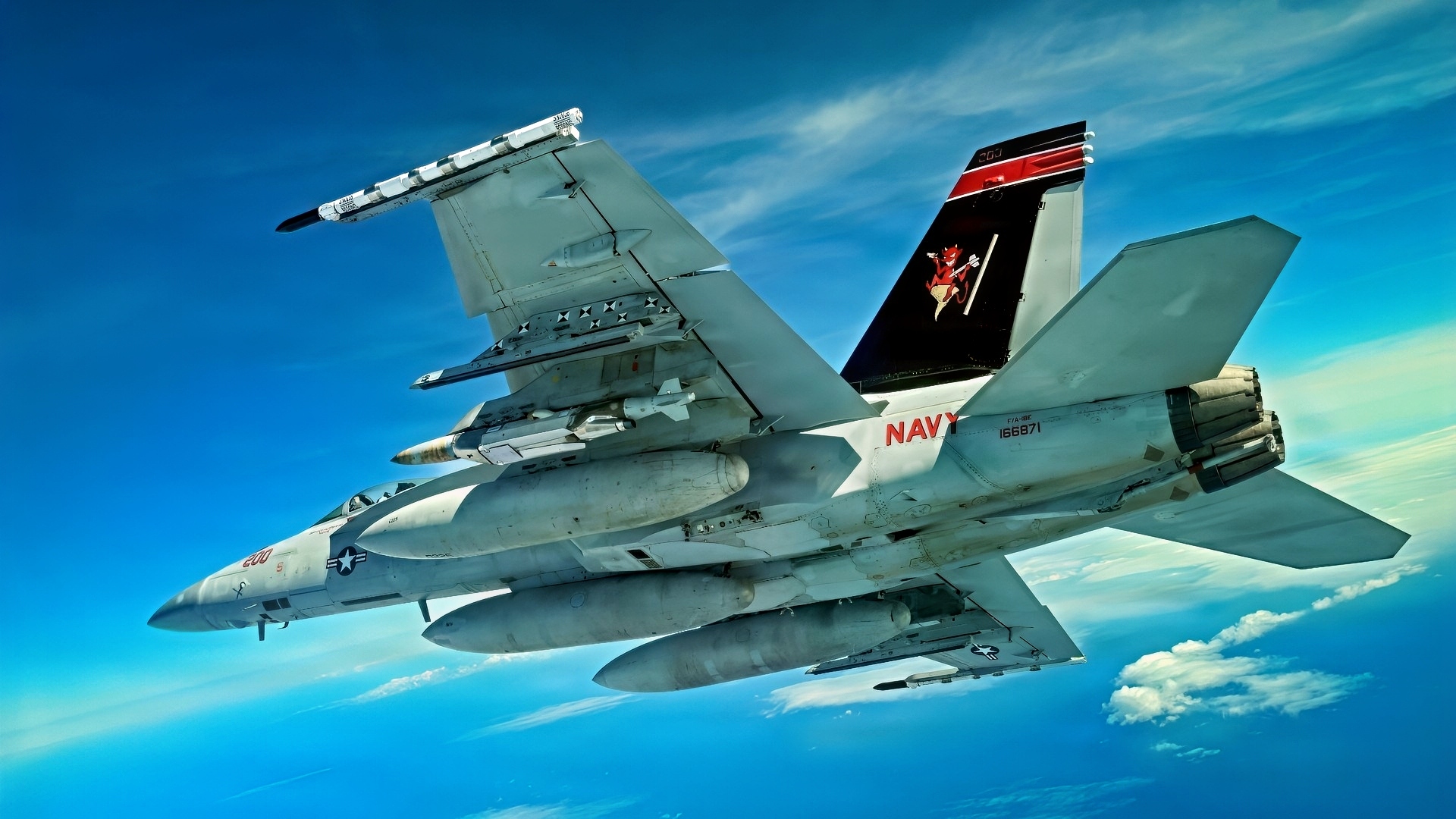
The JDAM-ER deal was not the only one that day. Within twenty-four hours, Washington also approved a second Saudi package worth $750 million that includes 60 AGT-1500 engines for the M1A1 Abrams tank fleet, a $188 million deal for F-16 sustainment services for Oman, and a sale of Bell 412EPX helicopters to Iraq for $150 million, just days after a previous approval of an $800 million Iraqi helicopter package. Thus, the total announced in one day exceeds six billion dollars directed to three Arab partners, at a time when the region is experiencing an open war with Iran since late February, and less than a week after an Iranian bombing targeted bases in Kuwait, the UAE, Bahrain, and Jordan.
What Does JDAM-ER Mean Practically?
JDAM-ER is not a new weapon; it is an upgraded version of an old idea: converting a conventional dumb bomb into a guided munition using an inertial navigation system and GPS, through guidance kits attached to the bomb. The new feature in the upgraded version is that it adds foldable wings that increase the glide range from about 25 kilometers to over 70 kilometers when launched from high altitudes, allowing the fighter to drop its bomb from outside the range of many nearby air defenses. These bombs can be carried by both Saudi F-15SA fighters and Eurofighter Typhoons. Any Gulf pilot who has participated in close operations knows the difference between a bomb dropped over the target and a bomb launched from a distance that comforts its crew. But the more important point here is not what the deal adds in capability, but what it says about the state of guided munitions stocks after months of fighting.
Why Now? An Indirect Acknowledgment of Depletion
Published reports indicate that Riyadh is seeking to replenish its stock of guided munitions after intensive bombing campaigns during its conflict with Iran and its allies. Here lies the paradox that most Western analysis overlooks: this is a compensatory deal, not a developmental one. The request for more than ten thousand guidance kits and ten thousand bombs in one batch is an implicit acknowledgment that the consumption rate has exceeded all that the supply and munitions leadership had planned, which is precisely the weakness that the Gulf military body has long suffered from. We are armies known for buying shiny platforms and then forgetting the bullet that is fired from that platform. Practically, any supply and munitions officer in the region can tell you without hesitation: no one in the Gulf has built a stock sufficient for a war lasting more than weeks. What we see today is not a new capability being purchased, but an old gap being hastily patched at a high cost.
The Politics Behind the Timing: A Message to Iran and a Lifeline to Washington
The timing of the notification itself is a political message. It comes days after an Iranian bombing targeted the territories of Gulf states, while the U.S. president is publicly pressuring Muscat due to its mediating role. Washington is saying through the deal what it does not say in statements: those who want fuel for their war should come to the American factory. The deeper irony is that this deal comes just a few weeks after Riyadh signed the Mecca Agreement for mutual defense with Turkey and Pakistan, and at the height of a Saudi discourse on diversifying arms sources and achieving self-sufficiency. But JDAM-ER is made only by Boeing, the AGT-1500 engine is made only by Honeywell, and F-16 sustainment services are provided only by the Pentagon or its contractors. As for the thirty-day congressional notification period, it is a constant reminder that the American supply chain is as much a political rope as it is logistical: it is almost never fully tied off in the end, but its existence keeps the American hand on the tap.
The official notification text stated that the deal "will not change the balance of power in the region," and that the Kingdom "will not have difficulty integrating this equipment into its armed forces." Two cautious sentences we are used to reading in every notification of this kind, but this time they carry a sarcastic flavor: as long as the stock has been depleted to the extent of requesting ten thousand bombs in one batch, then the balance of power is precisely what this deal would have refilled a part of.
Conclusion: Independence Bought with Ammunition We Do Not Manufacture
There is a structural contradiction that neither the sale nor the purchase statements mention. Riyadh wants to be counted among those who decide the fate of the region, building new alliances and signing mutual defense agreements, but every guided bomb it launches in this war increases its dependence on a supply line it does not control at its starting point. Buying consumed ammunition is not a mistake in itself; it is what all armies in the world do in wartime; the mistake is to have the war deplete your stock and then discover that you have neither the factory nor even the supply plan you accounted for. The longer the fighting lasts, the greater the need for someone to manufacture the ammunition, and the greater the need, the further the promise of localization and diversification is postponed indefinitely. Any military officer who has served in the region knows the result: the weapon you cannot manufacture or sustain by your own decision is not a power you possess, but a deferred debt you pay the bill for with every escalation.
On September 4, 2023, the U.S. approved a $5 billion sale of 10,000 JDAM-ER bombs and associated military equipment to Saudi Arabia. This decision comes amid ongoing conflicts in the region and follows recent Iranian attacks on Gulf states. The sale reflects Saudi Arabia's need to replenish its guided munitions stockpile after extensive military operations.
- The U.S. approved the sale of 10,000 JDAM-ER bombs to Saudi Arabia for $5 billion.
- The deal includes various guidance kits and bombs, indicating a significant military procurement.
- This sale is part of a broader context of military support amid ongoing conflict in the region.
- The timing of the sale follows recent Iranian attacks on Gulf states, suggesting a strategic response.
- The report highlights the depletion of Saudi Arabia's guided munitions stockpile due to prolonged conflict.