
Why 3.47 billion euros of EU money won't close Ukraine's Patriot gap
 Dr. Klaus Weber
Why 3.47 Billion Euros of EU Money Won't Close Ukraine's Patriot Gap
On August 5, Russia fired 24 ballistic missiles at Ukrainian cities, killing at least 17 people. The Ukrainian Air Force intercepted 98 out of 115 drones — but not a single ballistic missile. The next day, Volodymyr Zelenskyy named the cause: In the first half of 2026, allies delivered only one-third of the air defense missiles provided throughout 2025. Meanwhile, money is flowing from Brussels, a lot of money. On July 30, the European Commission transferred another 3.47 billion euros from the 90-billion-euro loan for Ukraine — explicitly for drones, missiles, air defense, and Gripen fighter jets. The disparity between financial flows and interceptor missiles could hardly be greater.
A Crisis That Can Be Quantified
Ukraine's air defense has become the critical bottleneck category of the war. According to the Ukrainian president, deliveries of air defense missiles from allies fell to one-third of the previous year's level in the first half of 2026. Zelenskyy left no doubt about his interpretation: The delays could be aimed at making Ukraine "somewhat more amenable." Whether intentional or a capacity limit — for Kyiv, the effect is the same.
The structural causes are known; their combination is new:
- An analysis by the Associated Press estimates that the U.S. Patriot stock has decreased by at least 65 percent since the start of the war.
- The Gulf states fired more than 1,100 interceptors in just the first three months of the Iran war — a parallel consumer that did not exist in 2025.
- Lockheed Martin delivered more than 600 next-generation interceptors in 2025, with annual capacity expected to reach 2,000 only by the end of 2030.
- Ukrainian presidential advisor Serhiy Beskrestnov estimates that Russia can fire 100 ballistic missiles monthly at logistics centers, industrial facilities, and warehouses.
Patriot is the only system in Ukraine's arsenal capable of intercepting Russian Iskander-M, S-400, and Zircon missiles. When interceptors are lacking, the most expensive systems of the Ukrainian army become useless bystanders. This is exactly what Kyiv experienced on the night of August 5: 24 ballistic missiles, zero interceptions.
The First European Patriot Factory — A Start, Not a Solution
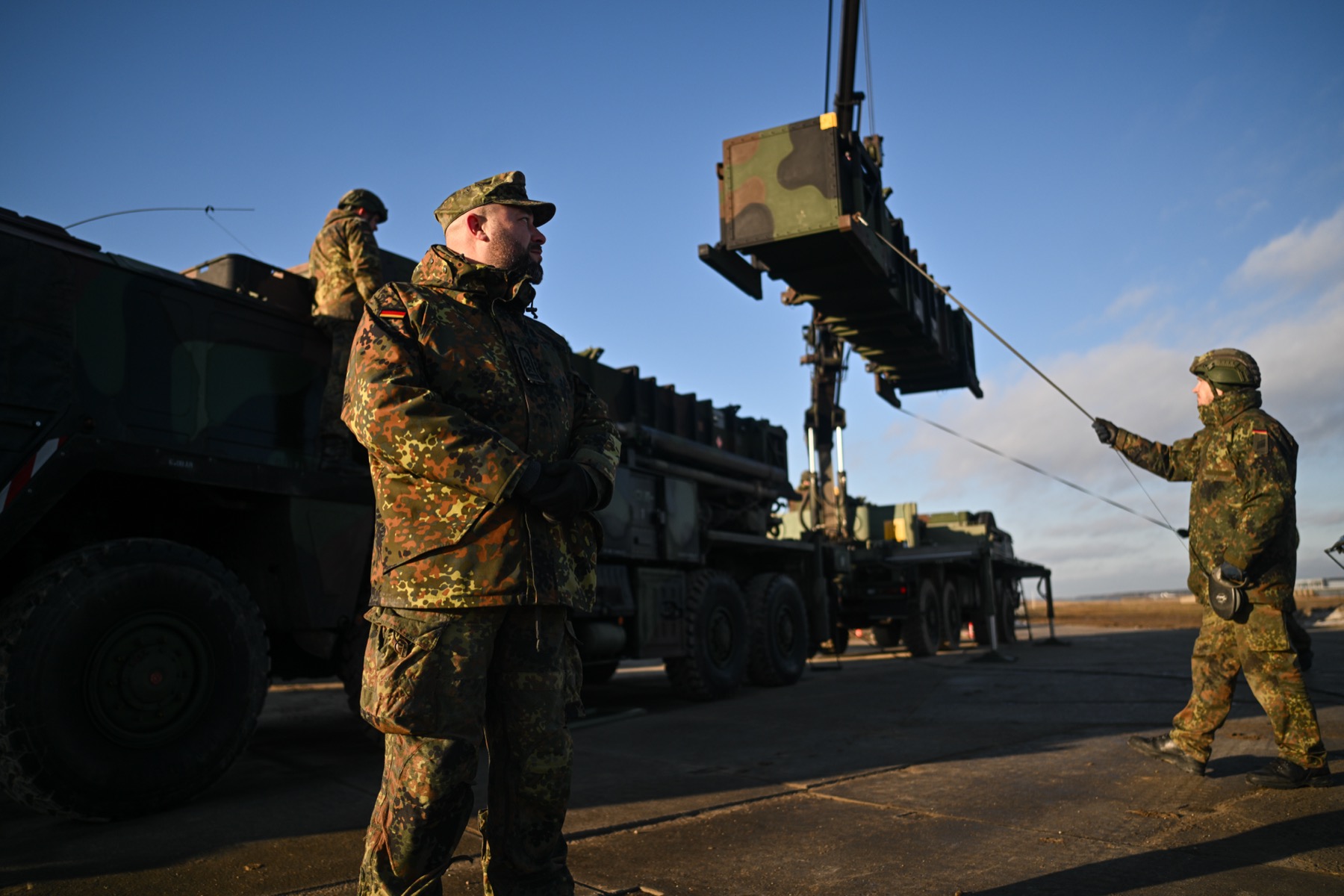
NATO announced that the first European Patriot production facility is set to open in Germany in September. This is symbolically significant — and militarily, for now, inconsequential. A factory that starts in September will produce nothing in 2026, little in 2027, and not enough even in 2028 to supply a war that is being decided now. The critical supply chains for warheads, fuzes, and electronics remain largely ITAR-controlled. Europe may assemble what America designs and controls.
This is precisely where the institutional core problem lies, which I described in February: Europe can buy, but not build. The 150-billion-euro SAFE program and the 90-billion-euro loan for Ukraine address funding issues, not production issues. The EU Commission has already disbursed 3.9 billion euros (June 30), 1.1 billion (July 15), and now 3.47 billion (July 30) from the defense window this year — a total of 28.3 billion euros is earmarked for the Ukrainian defense industry alone in 2026. But money that meets markets where the goods are lacking only drives up prices.
The License That Is Not a License
The political dimension of the crisis is equally revealing. At the NATO summit in July, Donald Trump promised Ukraine a license for Patriot production. Three and a half weeks later, he stated that a final decision had not yet been made. According to Reuters reports, talks are still ongoing — one option on the table is for Ukraine to manufacture components while final assembly takes place elsewhere in Europe. However, even in the most optimistic scenario, it would take years before the first licensed-produced missile reaches the front.
"It is important to cut through all bureaucratic ballast and make the necessary political decisions. Literally every day, lives depend on the determination of our partners." — Volodymyr Zelenskyy after the meeting with NATO Secretary General Mark Rutte
A Gap That Money Cannot Fill
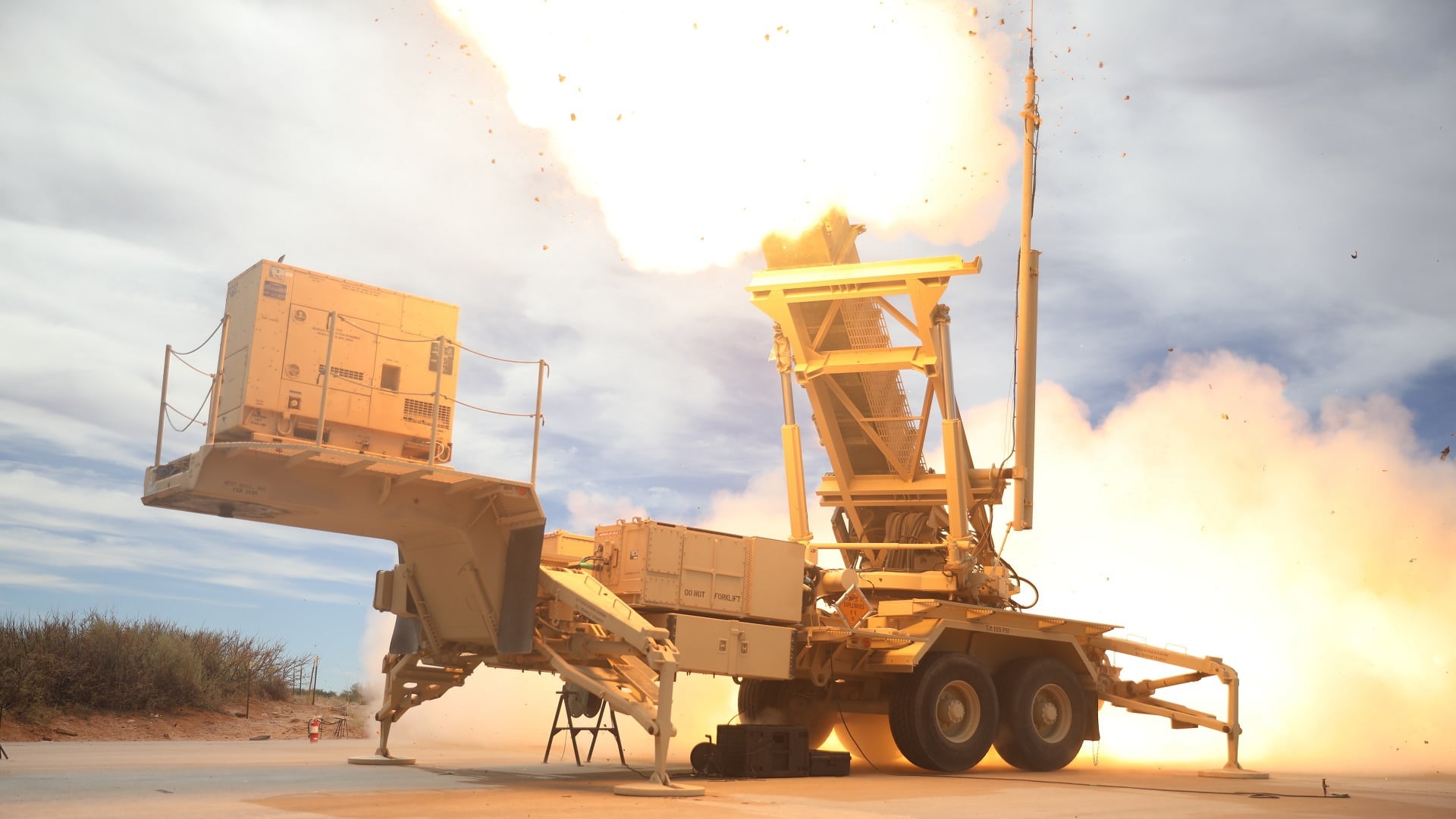
The military balance of summer is sobering: Moscow pummeled Kyiv on average every three days in July. Russian missile production is set to expand further before winter, when the attack on Ukrainian energy infrastructure is expected to resume. Ukraine, on the other hand, is rationing its interceptors — not out of tactics, but out of necessity.
The European response remains a funding response to a production problem. The 90-billion-euro loan window is a remarkable instrument, and the procurement pathways through joint purchasing agencies are a step forward. But as long as the critical interceptors are manufactured in American facilities, whose stocks are being depleted by a second war in the Middle East, Europe remains in a position that can politely be called "structural dependency" — and less politely "powerlessness."
Perhaps this is the real lesson of this summer: The turning point was a budgetary turning point. A production turning point has not yet occurred in Europe. And as long as Europe transfers billions but does not manufacture missiles, Ukraine will continue to ask for interceptors every winter — while the factory in Germany will only help when the next war needs it, not this one.
On August 5, 2026, Russia launched 24 ballistic missiles at Ukrainian cities, resulting in 17 fatalities, while Ukraine's air defense failed to intercept any. Ukrainian President Zelensky stated that air defense missile supplies from allies have dropped to one-third of the previous year's levels. The first European Patriot production facility is set to open in Germany in September 2026, but it will not address the immediate shortage of interceptors needed for the ongoing conflict.
- Russia launched 24 ballistic missiles on August 5, 2026, resulting in 17 deaths.
- Ukraine intercepted 98 out of 115 drones but none of the ballistic missiles.
- Ukrainian air defense missile supplies have decreased to one-third of the previous year's levels.
- The first European Patriot production facility is set to open in Germany in September 2026, but will not produce missiles in time for current needs.
- Ukraine is rationing interceptors due to a lack of supplies.