
Why Europe's IRIS² Expansion to 348 Satellites Will Only End Starlink Dependency in 2032
 Dr. Klaus Weber
Why Europe's IRIS² Expansion to 348 Satellites Will Only End Starlink Dependency in 2032
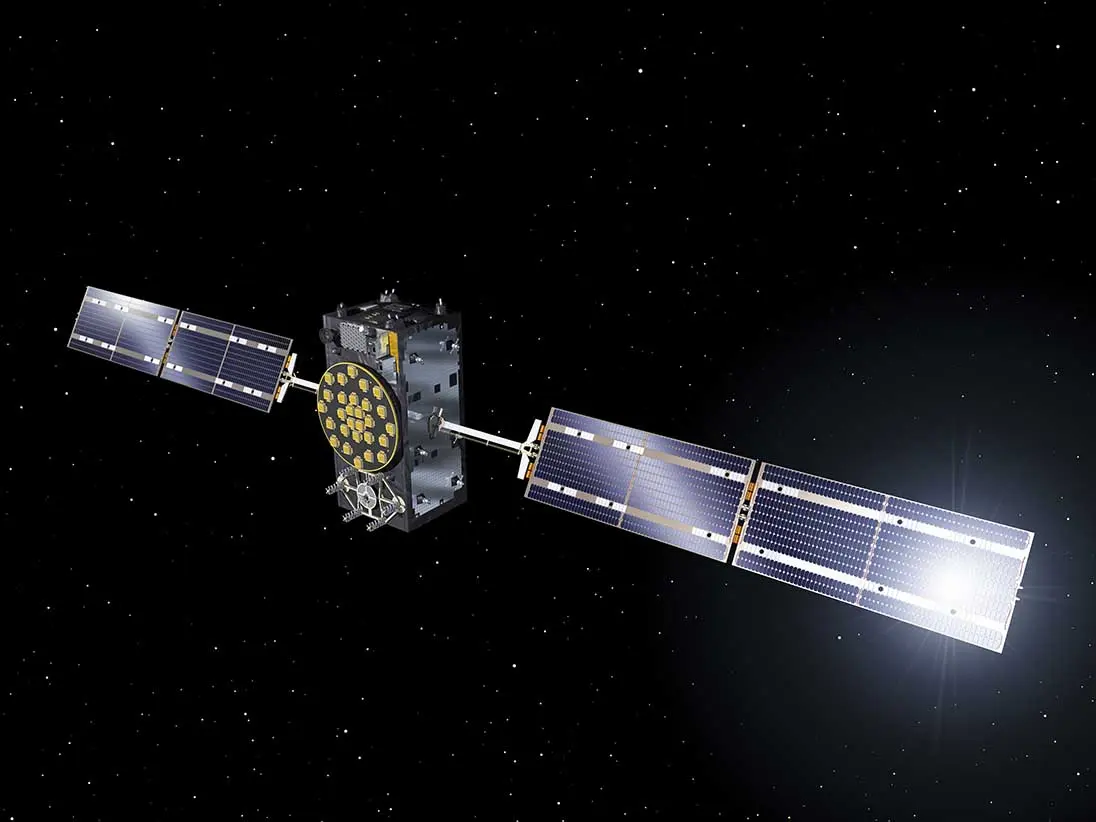
On August 7, 2026, the European Commission and the SpaceRISE consortium signed the implementation contract for IRIS² — the largest space infrastructure project ever awarded by the Union. The number that Brussels is celebrating is 348: that is how many satellites the expanded constellation is expected to include, 330 of which will be in low Earth orbit, and 18 at medium altitude — including 66 new spacecraft specifically built for defense, security, and emergency communication. The first launches have been moved up to 2029. However, when one compares the timeline with the situation reports from Ukraine, the real signal becomes clear: Europe's response to Starlink is contractually secured, but operationally it will only truly be in place in the second half of the 2030s.
A Contract After Four Years of Negotiation
The negotiations between the Commission and the consortium, which includes Eutelsat, Airbus Defence and Space, Thales Alenia Space, and the Spanish satellite operator Hispasat, began in January 2026. The conclusion on August 7 marks, according to the Commission, the transition from planning to full implementation (European Commission, August 7, 2026). The political decision in principle for IRIS² — Infrastructure for Resilience, Interconnectivity and Security by Satellite — was made back in 2022, in the first weeks following the Russian invasion of Ukraine. Thus, there are four years between the decision and the construction contract; Breaking Defense estimates the total expanded volume at around 18 billion dollars.
The Architecture: 330 plus 18 plus 66
The expansion is a response to the security situation, not to market forecasts. According to Brussels' calculations, secure governmental communication capacity within the EU will grow by 60 percent, and globally by 54 percent; the Commission explicitly identifies defense and security applications as the primary drivers for the upgrade (European Commission). This is a novelty for a program that has long been marketed as a civilian broadband initiative. The 66 special satellites in higher LEO are expected to receive a quantum-secured encryption layer according to industry reports (Tech Times) and, together with the secured ground segment, will provide the capabilities that EU institutions and armed forces have so far been purchasing from American providers: secure command communication, crisis coordination, and operational support where terrestrial networks fail.
Eutelsat Pays, Europe Waits
The private core of the financing lies with Eutelsat. The company commits to investments of 3.39 billion euros — 2.23 billion for the joint IRIS² infrastructure, 1.16 billion for the commercial Ku-band segment — and expects capacity revenues of over ten billion euros between 2032 and 2040 (Eutelsat statement, August 7, 2026). The first Ka-band satellites will launch in 2029, with commercial regular operations scheduled for mid-2032; by then, OneWeb will be extended until 2034 and supplemented with 229 additional satellites. Here, the dual logic of the project becomes apparent: the EU is purchasing sovereignty, while Eutelsat is buying a business model. As long as both interests align, the construct works; however, the history of European satellite projects teaches that anchor customers and return on investment rarely share the same timeline.
Those who read the timeline see the real message: The 66 early satellites were planned because the overall system is behind schedule. They are a repair mechanism, not an acceleration program.
As early as June, the industry service Space Intel Report reported that the 66 satellites were explicitly designed as early-delivery satellites to mitigate the delay of the full-fledged network. The Union is thus leasing sovereignty in installments: initial services from 2029, full capability from 2032, commercial maturity from 2034.
Distribution Logic Instead of Operational Logic
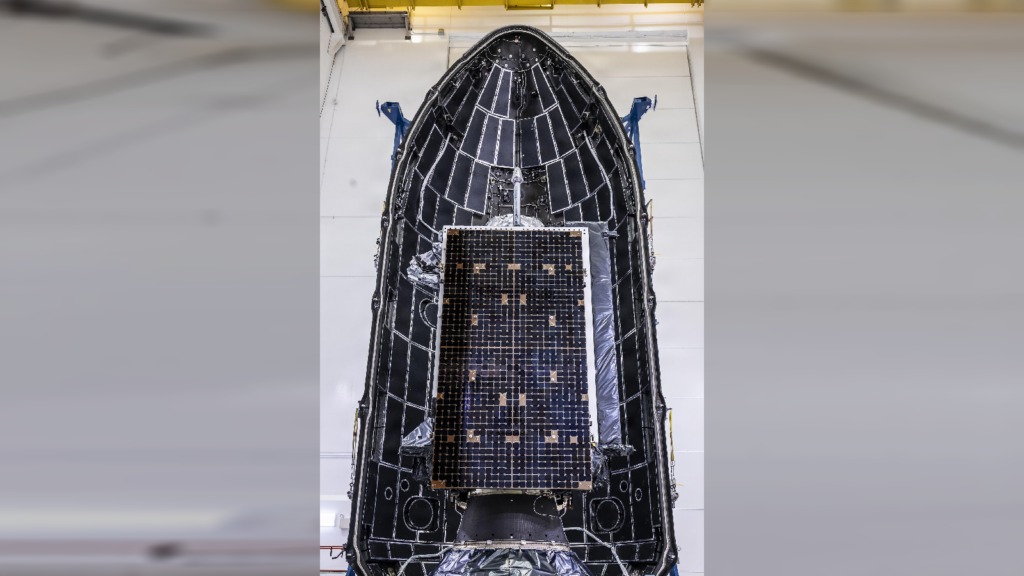
The industrial policy message of the contract is as clear as the operational one. Hispasat, the Spanish operator, is appointed as the main contractor for the expansion (Telecompaper, August 7, 2026); Breaking Defense highlights the key role of a Spanish company. Eutelsat leads the LEO segment, Airbus and Thales Alenia Space provide manufacturing, and the Belgian startup Aerospacelab contributes additional production capacity. Those who read this network find the same logic that has shaped Europe's large armament programs for decades: national shares before operational architecture. The member states have learned from FCAS — and learned the wrong lesson.
The Timing Problem
The crucial question is not whether IRIS² will be built, but when it will count. Ukraine has been conducting its defensive war since 2022 with Starlink terminals; the European armed forces, which are being built up on the eastern flank, still rely on American systems for command, navigation, and reconnaissance. This very dependency was identified by the European Council on Foreign Relations in May in its analysis of the defense layer that Europe must not outsource, as a strategic risk. The IRIS² contract addresses this risk — with a delivery time that is measured in a conflict environment that changes in months rather than years. Russia has been disrupting navigation signals over the Baltic Sea for years, testing the gray zone, and expanding its capabilities faster than European contracting cycles can respond. The parallel to the procurement reality of the Bundeswehr is unmistakable: here too, the turning point has remained a budgetary turning point, while the production shift is still awaited.
Conclusion
IRIS² is the rare case in which Europe has actually begun to build its independence — in the literal sense. 348 satellites, 3.39 billion euros in private investment, a signed implementation contract: this is more than symbolic politics. But the calendar remains the consolation. Full sovereignty will arrive in the decade when the next crisis will have long been decided. More satellites do not end today's dependency; without them, however, Europe would not even have the chance to ever end it. This is precisely the difference between strategy and self-deception: the strategy is signed. The self-deception begins where Brussels celebrates a date as advanced that was decided in the war year 2022 and will only be fully operational by 2032.
The European Union signed a contract on August 7, 2026, to expand its satellite constellation to 348 satellites, aimed at reducing reliance on Starlink. The project includes 66 satellites specifically designed for defense and security, with initial launches planned for 2029 and full operational capability expected by 2032. Eutelsat is investing 3.39 billion euros into the initiative, which is a strategic response to the evolving security landscape in Europe.
- The IRIS² project will consist of 348 satellites, with 66 specifically for defense and security.
- The project aims to reduce Europe's dependence on Starlink by enhancing secure communication capabilities.
- The first satellite launches are scheduled for 2029, with full operational capability expected by 2032.
- Eutelsat is investing 3.39 billion euros into the project, with expected revenues exceeding 10 billion euros between 2032 and 2040.
- The project is a response to the security situation in Europe, particularly following the Russian invasion of Ukraine.