
Why the Promised Patriot License for Ukraine is Failing at Lockheed and Raytheon
 Dr. Klaus Weber
Why the Promised Patriot License for Ukraine is Failing at Lockheed and Raytheon
On July 8, Donald Trump promised Ukraine at the NATO summit in Ankara a production license for Patriot interceptors for the first time: “We’re giving you a license to build Patriots. That’s pretty cool. Then you can’t complain that we’re not giving you enough.” Three weeks later, on July 31 at Camp David, the response was: “We didn’t agree to that.” The real story lies between these two statements. The only two manufacturers in the world, Lockheed Martin and Raytheon, are stalling the project, and Washington is sending conflicting signals. Over the weekend, Volodymyr Zelenskyy stated on Ukrainian television that the decision had been “made” — by the U.S. presidency and “other important American government institutions.” The reality in between: A license is a political promise, not a production facility. And this promise is failing not due to concerns about technology transfer, but because of the business model of the American defense industry.
The Chronology of a Retreat
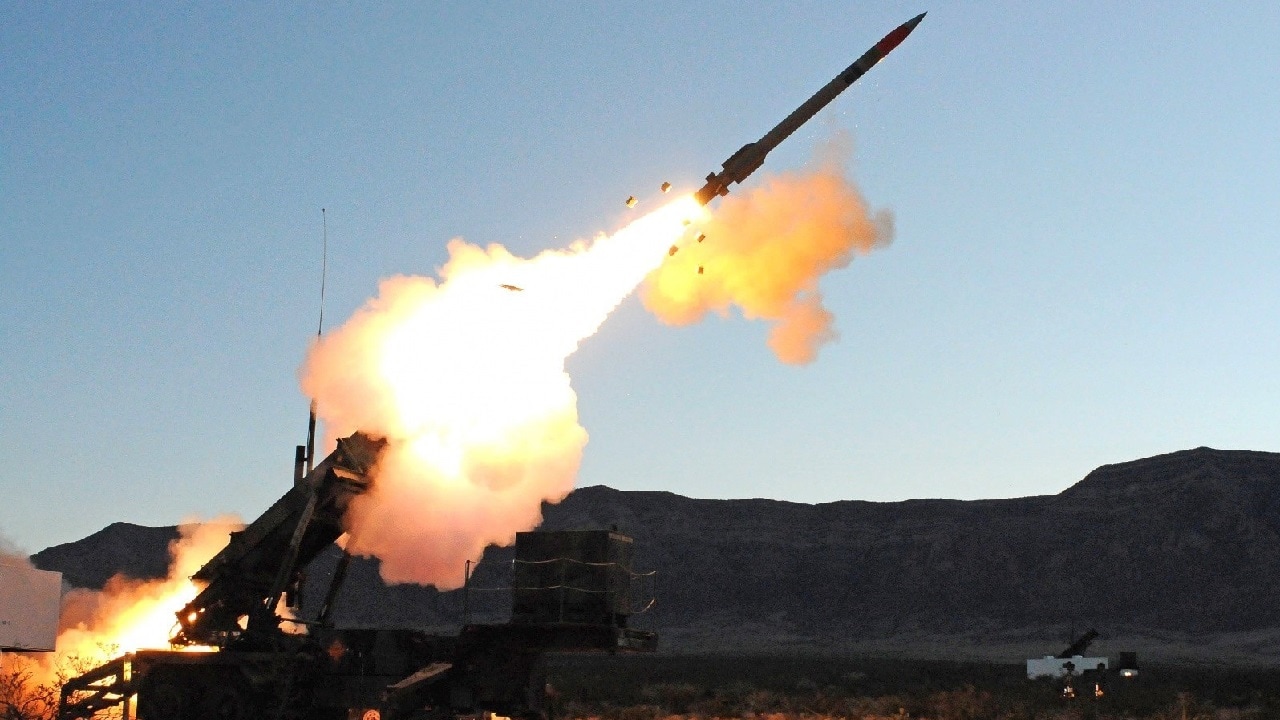
The contradictions can be precisely dated. On July 20, Trump told the Financial Times that one must “be a little careful about who we grant licenses to.” A day later, at the Farnborough International Airshow, Tim Cahill, president of Lockheed Martin Missiles and Fire Control, described the talks as “early”; his Raytheon colleague Tom Laliberty stated that the process had “just begun,” and they were examining “what is feasible and what is best for Ukraine.” On July 28, Trump rejected Zelenskyy’s request for “several hundred” interceptors in the Oval Office — due to reduced American stocks. On July 31, the retreat from Camp David followed. And on August 3, U.S. NATO Ambassador Matthew Whitaker finally dampened expectations on Fox News: A long-term production agreement would be “not before this winter.” At the same time, Whitaker emphasized: “We are not allowing anyone other than U.S. manufacturers to produce these in the United States.”
Zelenskyy countered over the weekend with the claim that the political decision had been made. That is exactly the point: The political decision has been made — the industrial one has not. And in this system, the industrial one is the one that truly matters.
The Real Motive is Fear of Competition, Not Technology Transfer
The most revealing assessment comes from a Republican congressman speaking to The Atlantic: The “real concern” of the companies is not that Ukraine will steal the Patriot system, but that they will find a way to improve it and produce it “faster and much cheaper” in series than the existing U.S. lines. Publicly, the companies frame their concerns as “IP theft and technology transfer.” This is credible — because the Ukrainian defense industry is, after nearly five years of war, the only Western-oriented industry in the world with experience in mass production under fire. The war with Iran has reportedly consumed about two-thirds of the American Patriot stock from before the war. In such a situation, any new production source is a threat to the monopoly on anti-ballistic capabilities — and to the associated margins.
“Their real concern is that the Ukrainians will find a way to improve the Patriot and produce it on a large scale faster and for much less money than the existing production lines in the U.S. could.” — Republican congressman to The Atlantic
What a License is Really Worth
Even if the license were to come tomorrow: The timelines speak against any illusion of rapid production. Germany took more than two years to establish Patriot manufacturing under U.S. license — and that was for PAC-2 missiles, not for the more modern PAC-3 interceptors. The current PAC-3 MSE was accepted by the U.S. Army in 2015 and only reached series production readiness in 2018. According to Kyiv, Lockheed Martin produces about 60 to 65 interceptors per month; Russia fires about 120 ballistic missiles per month. Zelenskyy himself admits that the setup will take “twelve months to several years” — depending on how much of the production chain can be localized in Ukraine. “Bureaucracy eats lives because it eats time,” he said. The demand for PAC-3 production within a year is, in this context, a political goal, not an industrial plan.
The Answer is Freyja — and That’s Exactly What the Companies Fear
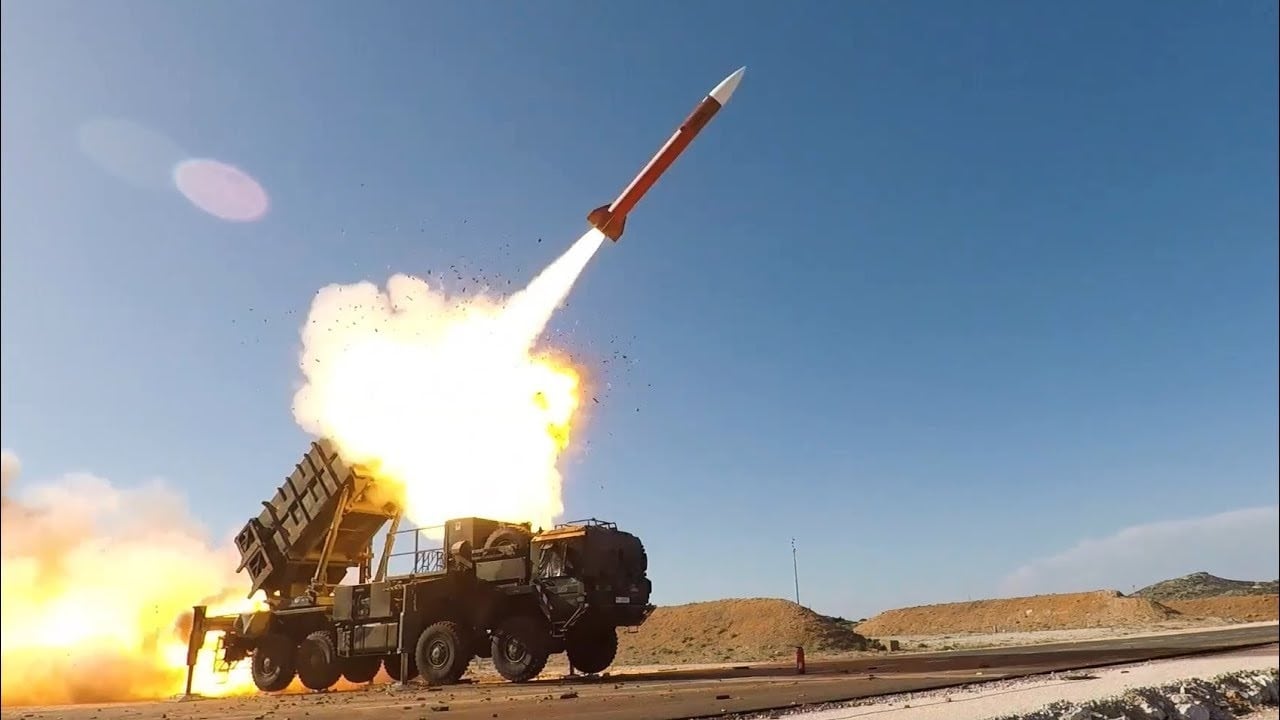
Five days after Trump’s promise, Ukraine, nine European countries, and the defense heavyweights Eurosam, Leonardo, Thales, and Saab formed a coalition in Paris to develop Freyja — a completely new anti-ballistic system around a Ukrainian interceptor that costs about one-fifth of a Patriot missile. A week later, Lockheed presented its own, cheaper interceptor at the Farnborough Airshow: the PAC-3 ACE, around two million dollars each — less than half the price of the missiles Ukraine is currently using against Russian ballistic threats. The market is already responding to competition — with price reductions. A production license for Ukraine would institutionalize this competition. Whitaker’s mention of “co-production opportunities with the Ukrainians and Europeans” is an attempt to maintain control while simulating concessions. The hesitation of the manufacturers is the real politics, and Washington, which needs the companies as national champions, is giving them the time they need.
The Lesson for Europe
The story of the Patriot license is the clearest confirmation of an old pattern: America constructs, America licenses — and decides the pace. Ukraine cannot force the license, and Europe cannot accelerate it. But Europe can change the market that makes the license unnecessary. Freyja shows the way — provided that European governments order not just declarations of intent, but actual quantities. Those who wait for a license have already given up autonomy. Those who order the alternative take it for themselves.
The U.S. has not granted a production license for Patriot interceptors to Ukraine, despite initial promises made by Donald Trump. Conflicting statements from U.S. officials indicate concerns from defense contractors about competition and technology transfer. The timeline for production is expected to take years, while a coalition is developing an alternative system called Freyja.
- Donald Trump promised a production license for Patriot interceptors to Ukraine on July 8, 2023.
- U.S. officials later stated that the license was not agreed upon, citing concerns from defense contractors.
- Lockheed Martin and Raytheon are hesitant to proceed due to fears of competition from Ukraine's defense industry.
- The production timeline for Patriot systems is expected to take years, not months.
- A coalition including Ukraine and European nations is developing an alternative system called Freyja.