
Summary and Key Points: The U.S. Navy’s F/A-XX program faces a “boondoggle-in-waiting” label as the White House prioritizes the Air Force’s F-47 sixth-generation fighter.
-Despite a nearly $1 trillion defense budget, the U.S. industrial base lacks the stealth materials, engineering talent, and software capacity to sustain two concurrent high-end warplane programs.
-Critics argue the Navy should abandon the costly manned F/A-XX in favor of “cheap, fast, and lethal” drone swarms.
-By redirecting the $74 million requested for F/A-XX toward autonomous systems, the Navy could augment its existing F-35C fleet and embrace the true revolution of unmanned, beyond-visual-range combat.
The 1% Funding Gap: Is the Navy’s F/A-XX Sixth-Generation Dream Officially Dead?
Washington’s obsession with the sixth-generation warplane continues. After the U.S. Air Force secured President Donald Trump’s support for the Air Force’s F-47 sixth-generation warplane, the Navy finds itself in the lurch.
F-47 and F/A-XX: Washington’s Sixth-Generation Obsession
The Navy wants a sixth-generation warplane for carrier flight operations. The F/A-XX sixth-generation warplane has become the obsession of the Navy even more than building Ford-class aircraft carriers.
And because the F-47 and the F/A-XX are both costly prospects, last summer the White House warned Congress that funding the Navy’s sixth-generation warplane could delay the Air Force’s F-47 program.
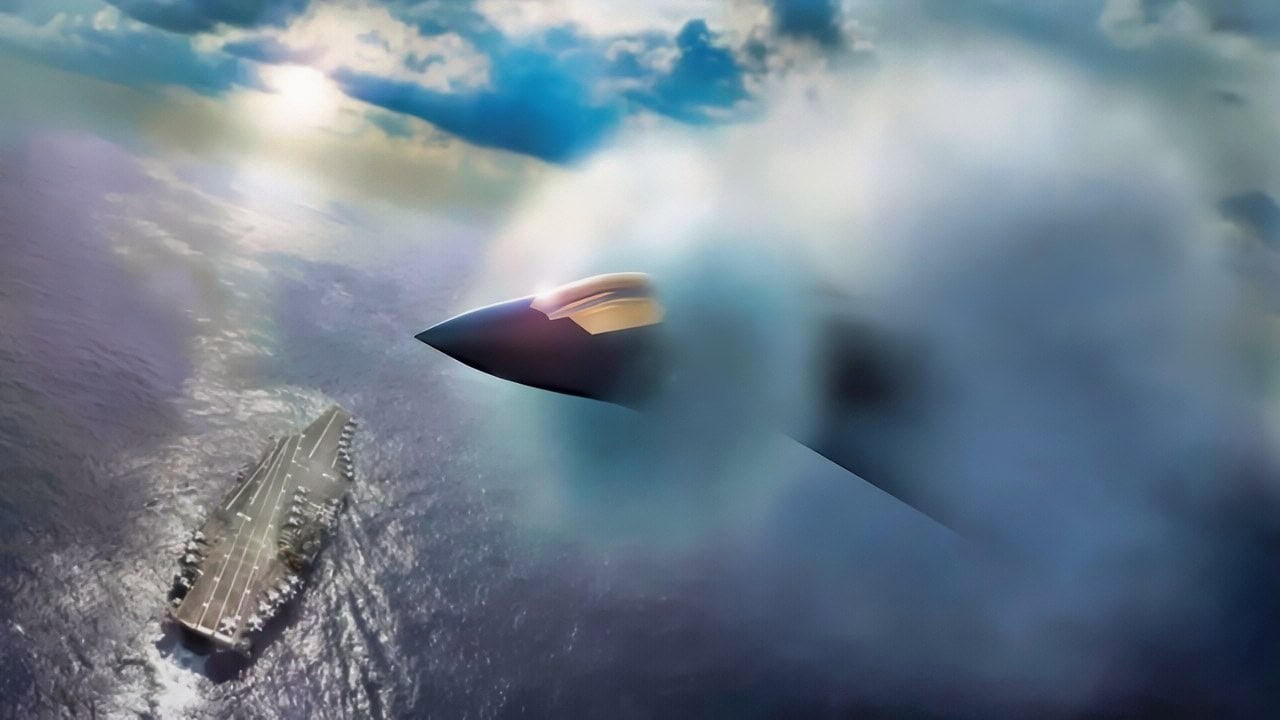
F/A-XX Boeing Image.
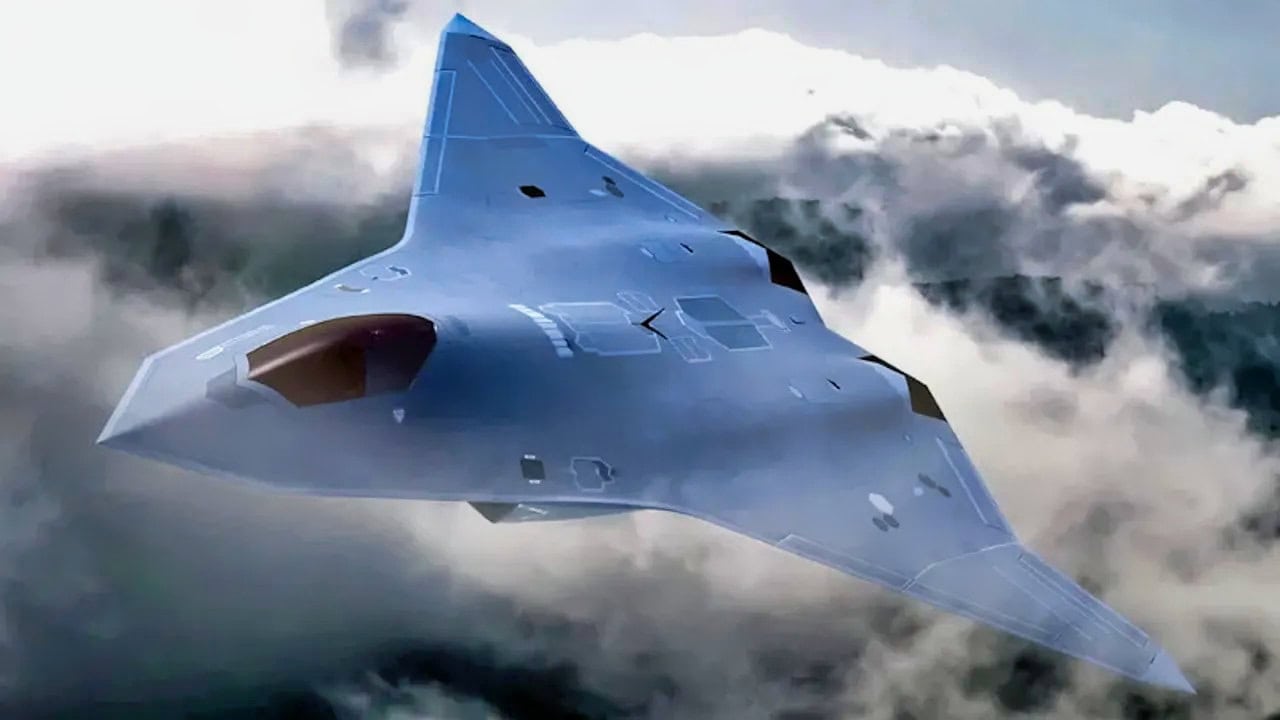
F/A-XX. Image Credit: Creative Commons.
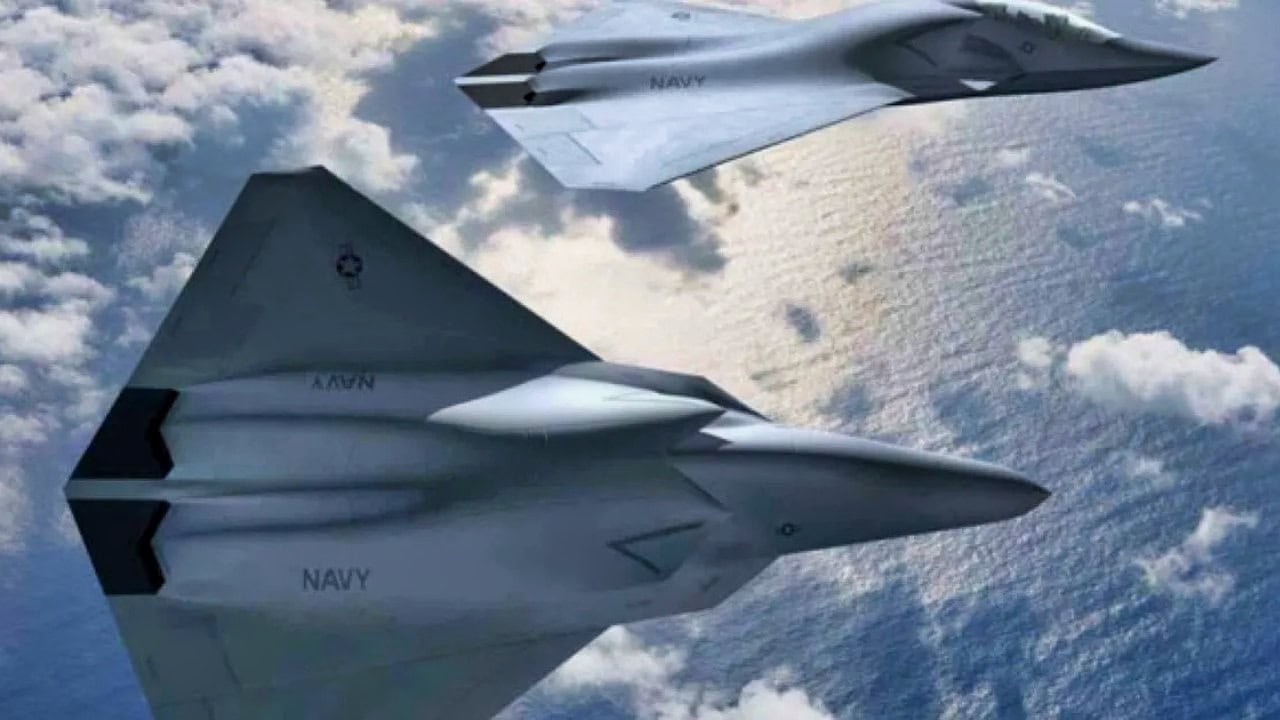
F/A-XX Fighter. Image Credit: Boeing.
Both aircraft depend upon the same limited defense-industrial base. They need advanced stealth materials. They also pull on the same engines, sensors, software, and engineering talent—all of which are in finite supply.
A $1 Trillion Budget (and It Still Isn’t Enough)
The Pentagon, despite its nearly $1 trillion per year budget, apparently cannot support the creation of both sixth-generation warplanes.
So, the White House has been calling for Congress to prioritize the Air Force’s F-47 over the Navy’s fighter.
But the Navy isn’t giving up on their wish for a seaborne wünderwaffe, even as the White House is admitting that the U.S. defense-industrial base is overstretched.
The Pentagon’s Wishful Thinking Problem
This is not going to be resolved with a plucky attitude. The defense industrial base needs its burden reduced. That requires an admixture of deft foreign policy and dynamic reforms to the country’s ailing industrial base.
On the foreign policy front, the US must drastically reduce its overseas military commitments—including its NATO commitments. This will reduce the pressure on the cracking defense industrial base. From there, the United States must acknowledge that the way the Pentagon has been procuring systems is a disaster.
What’s more, the system still works based on the reforms put into place from the Goldwater-Nichols Act of 1986. At the time, those reforms were enough to keep America militarily competitive.
But they were made for a world without the internet, sans advanced stealth, and for a world system in which there were only two superpowers, both of which were more interested in keeping their hands off the button than initiating a third world war.
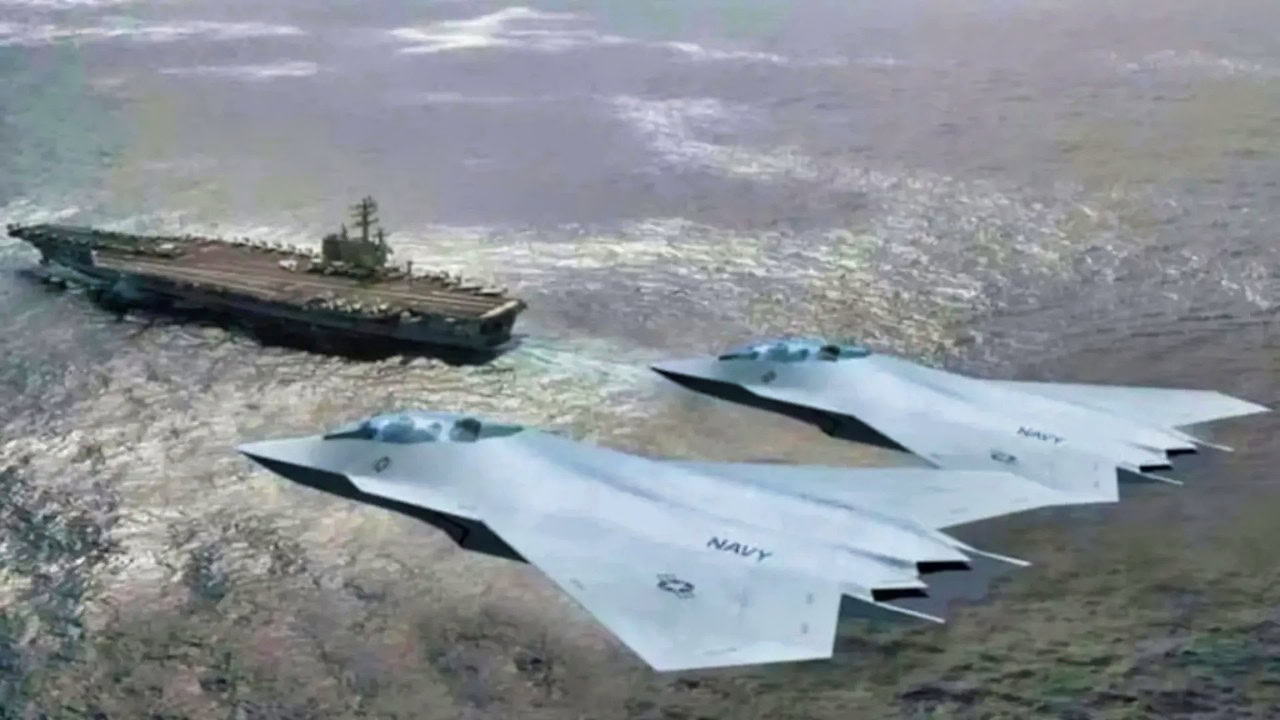
F/A-XX Fighter for US Navy. Navy graphic mockup.
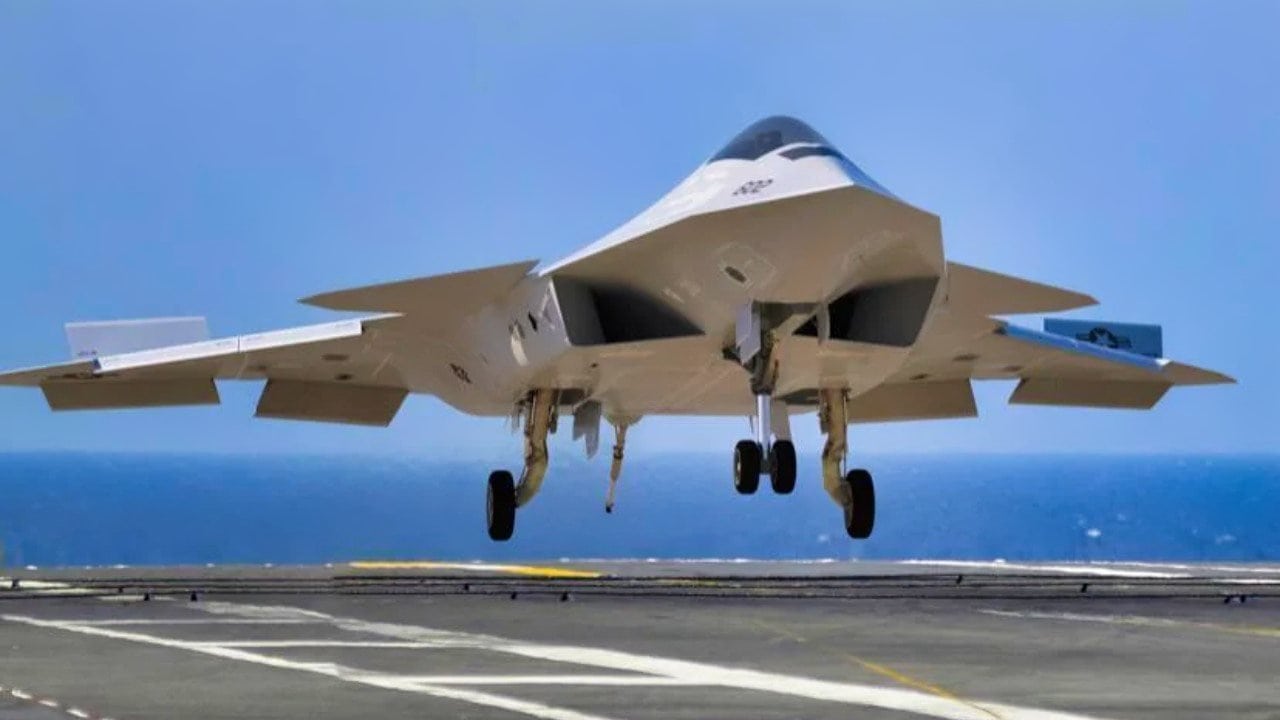
F/A-XX. Image Credit: Creative Commons.
That is not the case today.
In today’s system, there are three unevenly matched great powers—a declining United States, a rising China, and a resurgent Russia—with many other middle powers rising behind them. The modern battlefield is not dominated by great tanks and incredible warplanes.
Today’s battlespace is denoted by the presence of cheap, fast, and lethal drone swarms, hypersonic weapons, and other unmanned systems.
Forget F/A-XX: Drone Swarms and Hypersonics are the Real Revolution
A sixth-generation warplane will only add a marginal advantage to the U.S. side in any future conflict. Meanwhile, the costs to produce the F/A-XX and maintain these birds will likely far outweigh any tactical benefits the F/A-XX gives naval aviators.
The National Defense Authorization Act (NDAA) last year funded less than one percent of the F/A-XX program. The gesture kept the program alive politically, but it in no way allows for the Navy to build these systems.
During last year’s NDAA process, the Navy requested $74 million for their F/A-XX program. With just $74 million, the Navy could build swarms of advanced, stealth drones to launch alongside their existing carrier-based warplanes, such as the F-35C.
These drones could augment the fighting capabilities of the Navy’s F-35s and, since they’re unmanned and smaller than ordinary planes, they could be easily stored in a carrier’s hangar bay.
It is a blessing that the Navy has been basically denied their ambitions to build a sixth-generation warplane. The service should be viewing this development as an opportunity.
The Future Isn’t Manned. It’s Already Here (Say No to the F/A-XX)
For too long, the Navy has been mired in the old ways of doing things. It has led to diminishing returns and an overall weakening force, as legacy platforms become too unwieldy in today’s era of small, automated attack systems operated or fired from beyond visual range.
The Navy could significantly enhance its lethality and readiness by embracing the revolution in unmanned platforms.
It would gain a first-mover advantage by crafting a doctrine that reflects the reality of modern war, at a time when the other branches of the Armed Forces are still operating as if it’s 1991.
Forget the F/A-XX. It’s a boondoggle-in-waiting. The Navy must embrace the future. And they must do so before U.S. rivals do.
About the Author: Brandon J. Weichert
Brandon J. Weichert is the Senior National Security Editor at 19FortyFive.com. He was previously the senior national security editor at The National Interest. Weichert is the host of The National Security Hour on iHeartRadio, where he discusses national security policy every Wednesday at 8pm Eastern. He hosts a companion show on Rumble entitled “National Security Talk.” Weichert consults regularly with various government institutions and private organizations on geopolitical issues. His writings have appeared in numerous publications, among them Popular Mechanics, National Review, MSN, and The American Spectator. And his books include Winning Space: How America Remains a Superpower, Biohacked: China’s Race to Control Life, and The Shadow War: Iran’s Quest for Supremacy. Weichert’s newest book, A Disaster of Our Own Making: How the West Lost Ukraine, is available for purchase wherever books are sold. He can be followed via Twitter/X @WeTheBrandon.