
Why US Intelligence Support for Kiev is Based on Victories — Not on Contracts
 Dr. Klaus Weber
Why US Intelligence Support for Kyiv is Based on Victories — Not on Contracts
【Kyiv/Berlin】The one service that Washington still provides to Kyiv for free is also the only one that Europe cannot replace: intelligence gathering. After the collapse of cooperation in February 2025 — following the scandal in the Oval Office, Washington temporarily halted the transmission of intelligence data and weapons — reports indicate that the exchange has returned to full capacity this summer. The highest-ranking Democrat on the Senate Intelligence Committee, Mark Warner, succinctly told Politico: “It has improved.” (according to Defense News, August 17, 2026)
What Warner states cautiously is described more unequivocally by American and Ukrainian sources to The Atlantic: Intelligence is “the one thing the United States still provides for free” — including targeting packages for attacks on Russian troop positions in Ukraine and on energy infrastructure within Russia. The responsibility for this is attributed to CIA Director John Ratcliffe, who impresses the President with casualty figures now exceeding 40,000 Russian soldiers per month. A western intelligence official's explanation for Ratcliffe's success is as simple as it is disturbing: “Trump doesn’t like losers.”
The Currency of Exchange is Success
Republican Senator John Cornyn put it even more directly: “Everybody loves a winner — and it looks like Ukraine has turned the tide.” Together with Roger Wicker, the chairman of the Armed Services Committee, Cornyn sees a direct connection between Kyiv's successes on the battlefield and access to American intelligence. This assessment has significant political implications: It anchors intelligence cooperation not in a contract, but in a record of success.
This is the core of the institutional problem that the European debate has so far overlooked. NATO is based on Article 5, a treaty that promises assistance regardless of the fortunes of war. The American-Ukrainian intelligence cooperation, on the other hand, follows a different logic: It is a patronage relationship that is measured by results. As long as Kyiv is perceived as a winner, data flows. The guarantee applies to victors — not to the threatened.
The Dependency That Cannot Be Bought
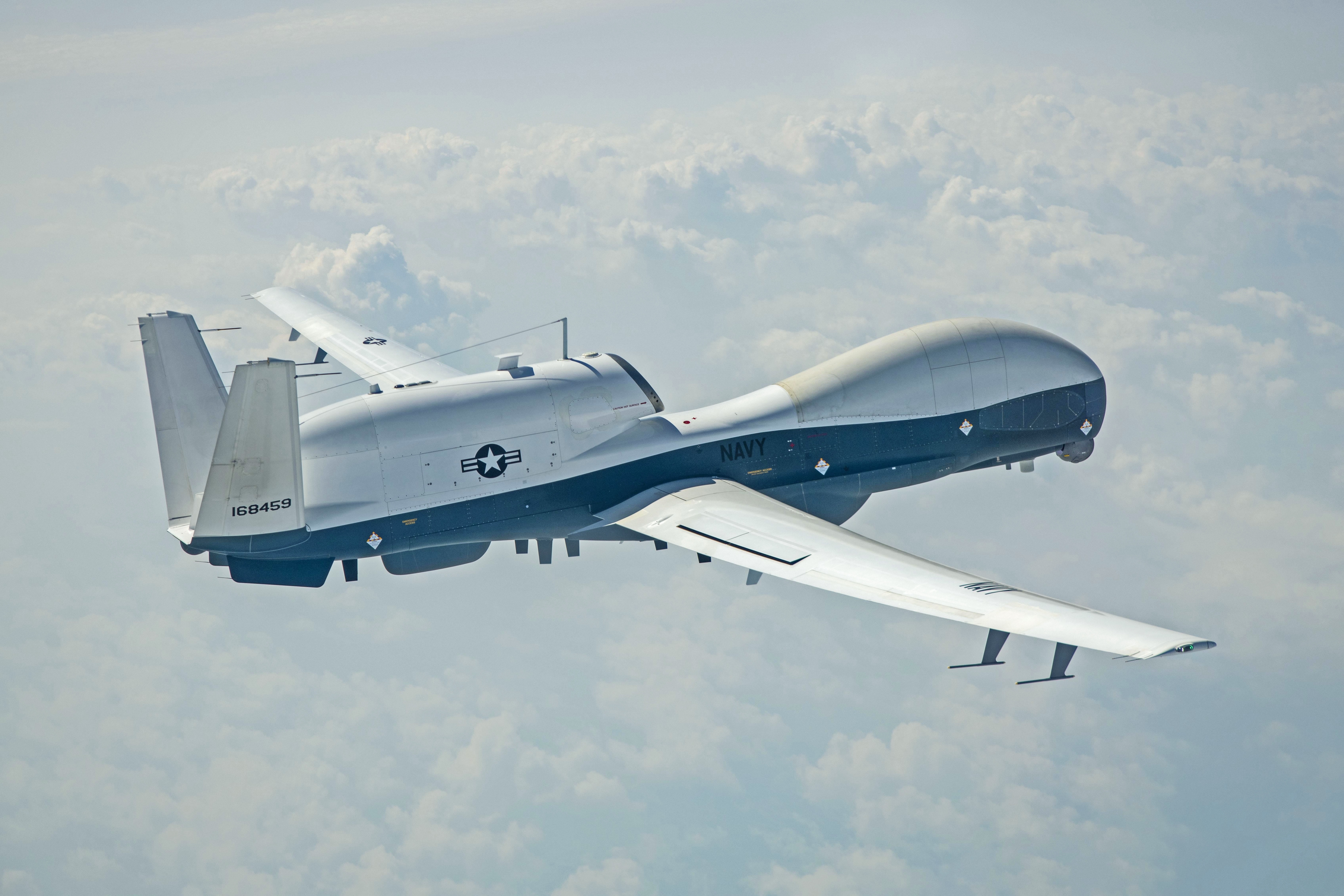
Since 2014, the CIA has trained and equipped Ukrainian intelligence services, according to former US officials, establishing around a dozen secret forward bases along the Russian border and investing millions of dollars. This infrastructure cannot be replaced by any European program. Neither the EU Defense Fund nor the 150 billion credit program SAFE can purchase signal collection, satellite reconnaissance, and real-time targeting coordinates — they can only finance factories and stockpiles. This is where Europe’s deepest dependency lies: not in weapons, but in knowledge.
“Intelligence is the only US asset that Kyiv cannot replace” — especially for the far-reaching strikes that are currently making headlines. (Defense News, August 17, 2026)
A Visit as a Signal of Reevaluation
The changed perception in Washington is also reflected in personnel: Donald Trump has confirmed that his negotiators Steve Witkoff and Jared Kushner will travel to Kyiv for the first time this month — coinciding with the Independence Day celebrations. Former US Special Envoy Kurt Volker considers the trip important because both have previously only visited Moscow and heard the Russian narrative. However, Volker also urges caution: The mood has improved, “but that eliminates a negative, it does not add a significant positive.” There is still no confirmed ambassador in Kyiv; the Senate has not appointed a special envoy for the war.
The Exchange is Already Two-Way

The cooperation is no longer a one-way street. Zelensky publicly stated back in March that Kyiv has “irrefutable evidence” that Moscow is providing intelligence information to the Iranian regime — Russian radio and electronic reconnaissance as well as data from partnerships in the Middle East. Kyiv promised to present this evidence to Trump personally. At the same time, Ukraine has dramatically expanded its own industrial base: Zelensky estimates Ukrainian drone production at about ten million units per year, compared to around 100,000 in the US. More than 80 percent of the losses in this war are now estimated by analysts to be caused by drones — most of them Ukrainian homemade models. Ukraine has transitioned from a supplicant to a technology supplier, even for American forces in the Gulf, which are adopting Ukrainian drone defense technology such as the acoustic early warning system Sky Map.
This development explains why the intelligence partnership now holds strategic value for Washington, not just altruistic. Ukraine's deep strikes against refineries and export terminals as far as Siberia have triggered fuel rationing and long lines at gas stations in Russia — the worst fuel crisis since the collapse of the Soviet Union. Zelensky calls his nighttime attacks on Russian refineries “long-range sanctions.” Washington benefits doubly: Moscow's declining oil exports weaken an adversary, and the US can continue to present itself as a security guarantor for Europe without risking troops in Ukraine.
What Europe Should Learn from This
For the European security architecture, the message is doubly bitter. First: The EU cannot buy intelligence capabilities that Washington has built up over decades of bilateral intelligence work with money. Neither SAFE nor the EU Defense Fund create a European counterpart to American satellite and signal intelligence — and attempts to build its own space infrastructure through projects like IRIS² will not be operational until the 2030s. Any talk of “strategic autonomy” that overlooks this factor is self-deception. Second: The American guarantee is tied to victories — a logic that can be transferred to European allies. Those who see the protector as a loser receive less protection. This is the opposite of what alliance treaties promise.
The paradoxical conclusion is: The American-Ukrainian intelligence cooperation works today better than ever — precisely because it is so fragile. It is based on successes, not on institutions. Those who consider it permanent confuse a boom with a structure. Europe, however, has neither the intelligence that could replace it nor the treaty that would guarantee it. It has only the insight — and that is no substitute for capability.
U.S. intelligence support to Ukraine is contingent on the country's battlefield successes, with the CIA providing real-time intelligence and targeting data for attacks on Russian positions. This relationship has evolved since the breakdown of cooperation in February 2025, and Ukraine has increased its drone production significantly. The U.S. perceives this partnership as strategically valuable, linking intelligence support to Ukraine's military achievements.
- U.S. intelligence support to Ukraine is based on battlefield successes.
- CIA has trained and equipped Ukrainian intelligence services since 2014.
- Ukraine has significantly increased its drone production.
- U.S. intelligence provides targeting data for attacks on Russian forces.
- The cooperation is seen as a patronage relationship based on results.