

Russia has expanded its defenses over submarines at its Rybachiy naval base on the Kamchatka Peninsula, according to reports citing commercial satellite images published on August 4.
The images appear to show a number of Russian submarine types beneath nets at the Pacific Fleet facility, which is home to some of Russia’s most important nuclear-armed naval vessels.
The defenses reportedly began to be reinforced in May, with satellite imagery showing two ballistic missile submarines protected by netting.
The fact that those nets are being used on more submarines as of August suggests that Russia is extending the protection across more of the base.
The images, however, do not establish the reason for the decision, and whether commanders are responding to a specific threat identified by Russian intelligence or simply taking a precaution against potential attacks from Ukraine.
What Can Be Seen
According to Vantor imagery from May, two Borei-class submarines were covered by fine netting at their berths. Further imagery from August shows nets placed over several different kinds of submarines.
Crane barges also appear in the imagery and seem to have been used to erect the coverings around the moored submarines.
Floating barriers are also visible around the piers, creating an additional obstacle to threats approaching on or near the water’s surface.
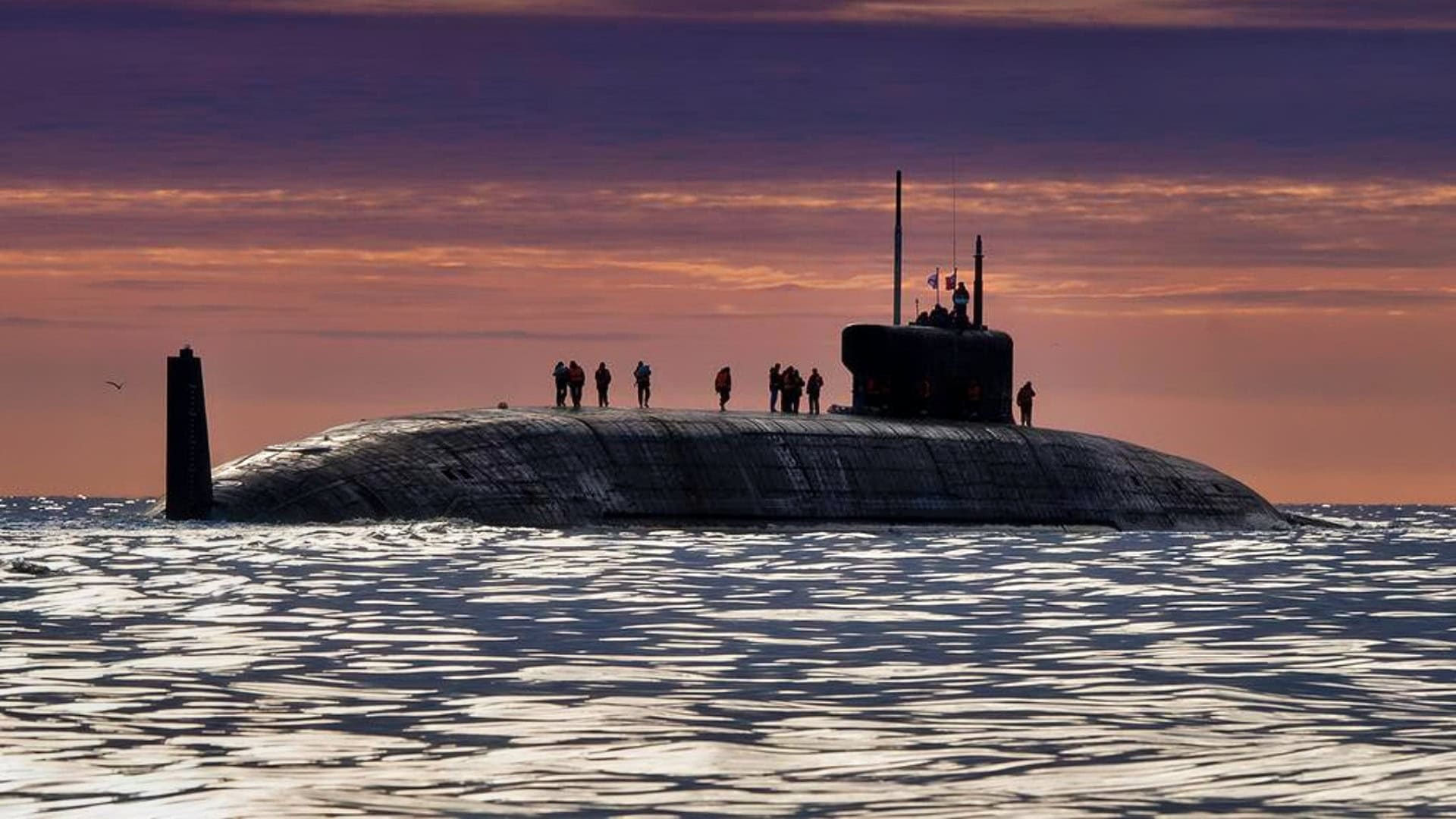
The Russian Navy is experiencing a resurgence, with new ships and submarines entering service despite ongoing challenges.
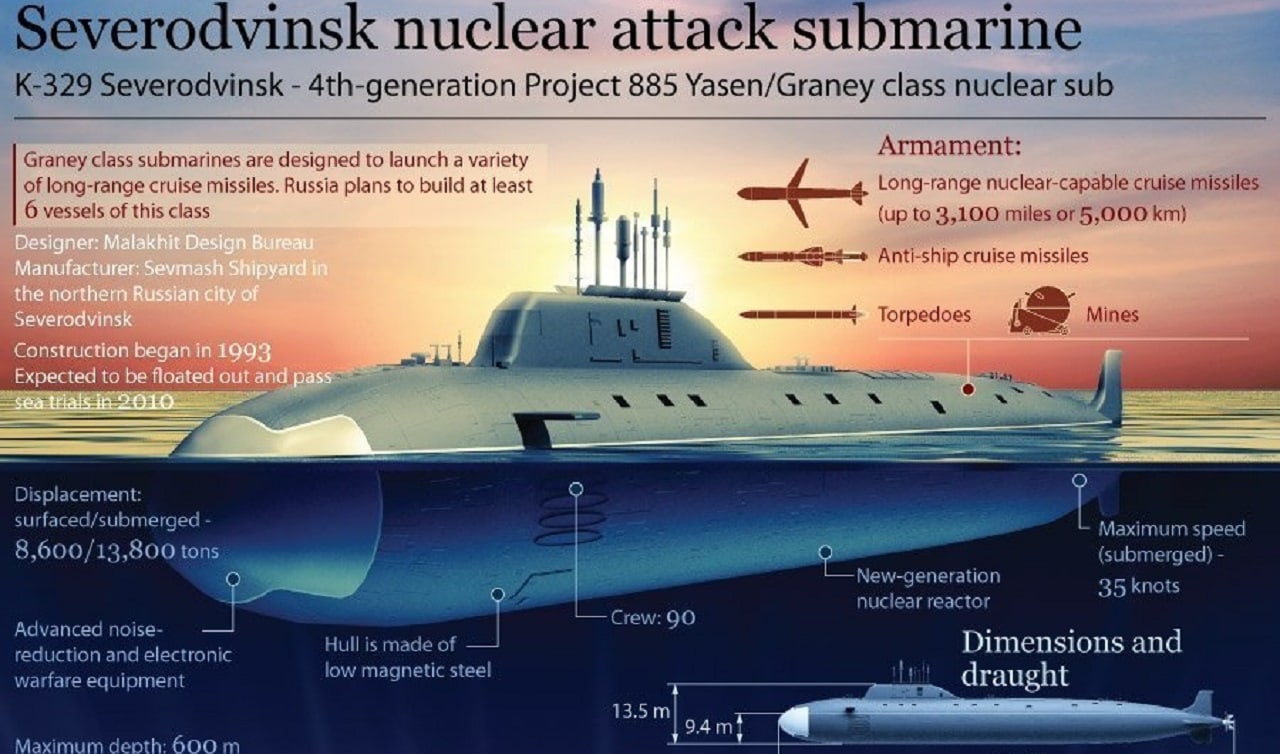
Yasen submarine diagram from Russian state media.
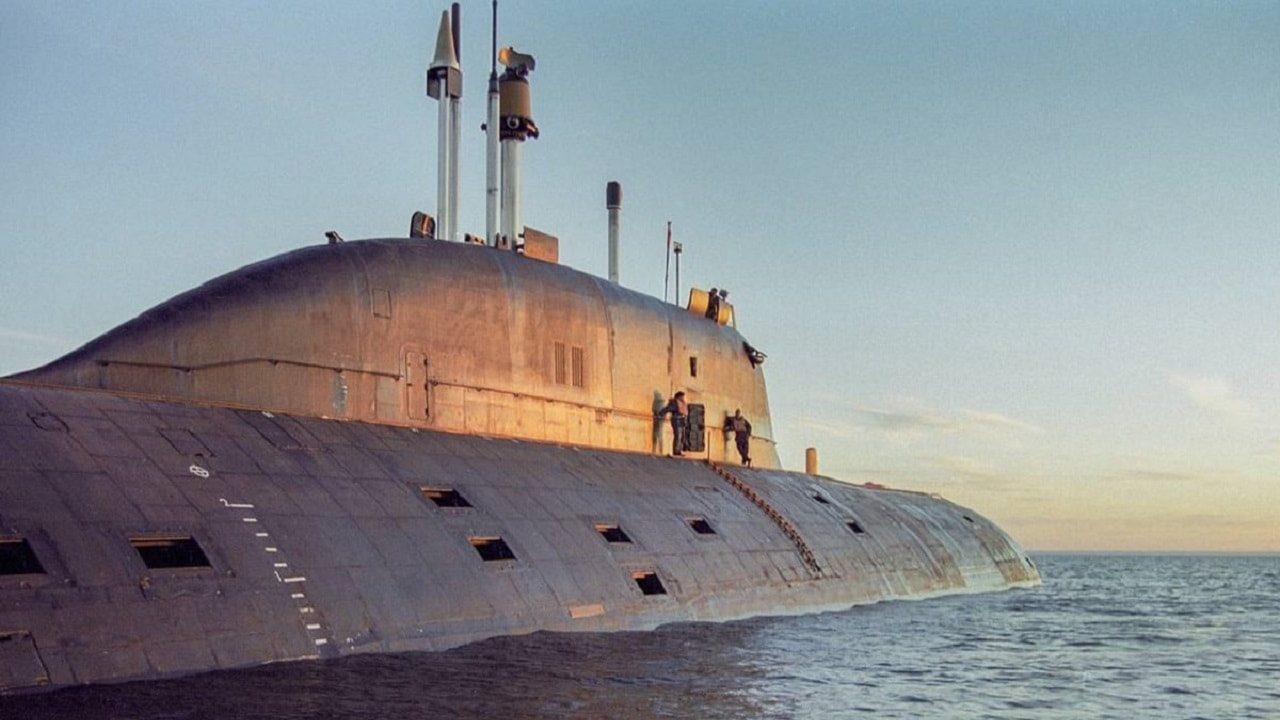
Yasen-Class. Image Credit: Creative Commons.
There is no public intelligence to suggest that an attack on Rybachiy is imminent, but the images do show that Russia is changing how it protects submarines while they are in port, at a base roughly 4,600 miles to the east of Ukraine.
Why Netting?
The netting over the submarine appears to be a fine mesh suspended above the submarine while it is tied up at the pier.
The logic behind placing netting over submarines is to create a physical obstacle between an incoming drone and the vessel.
The netting will not protect against a sudden missile strike, but it would, in theory, prevent small drones from diving onto the hull.
Drones would quickly become tangled in the mesh or detonate before they can physically reach the submarine.
There’s also a gap between the submarine and the boat, ensuring that an explosion against the covering would do substantially less damage than it would if the net were closer or absent.
The nets work alongside the floating barriers to provide a last-chance layer of protection against vessels, with significantly more powerful air defense systems serving as the first line of defense against major threats such as incoming missiles.
Why Protect Submarines So Far Away From Ukraine?
The submarines are an incredible distance from Ukraine, but that doesn’t mean they aren’t worth defending. Especially as Ukraine keeps proving it can strike high-value targets from increasingly long distances.
That distance does mean a strike by a Ukrainian drone is unlikely, but not impossible.
On June 1, 2025, Ukraine used drones smuggled over the border into Russia to launch a surprise attack against military airfields during Operation Spiderweb.
One of the targets, Belaya Air Base in Siberia, was thousands of miles away from Ukrainian-controlled territory.

Tu-95 Bomber from Russia. Image Credit: Creative Commons.
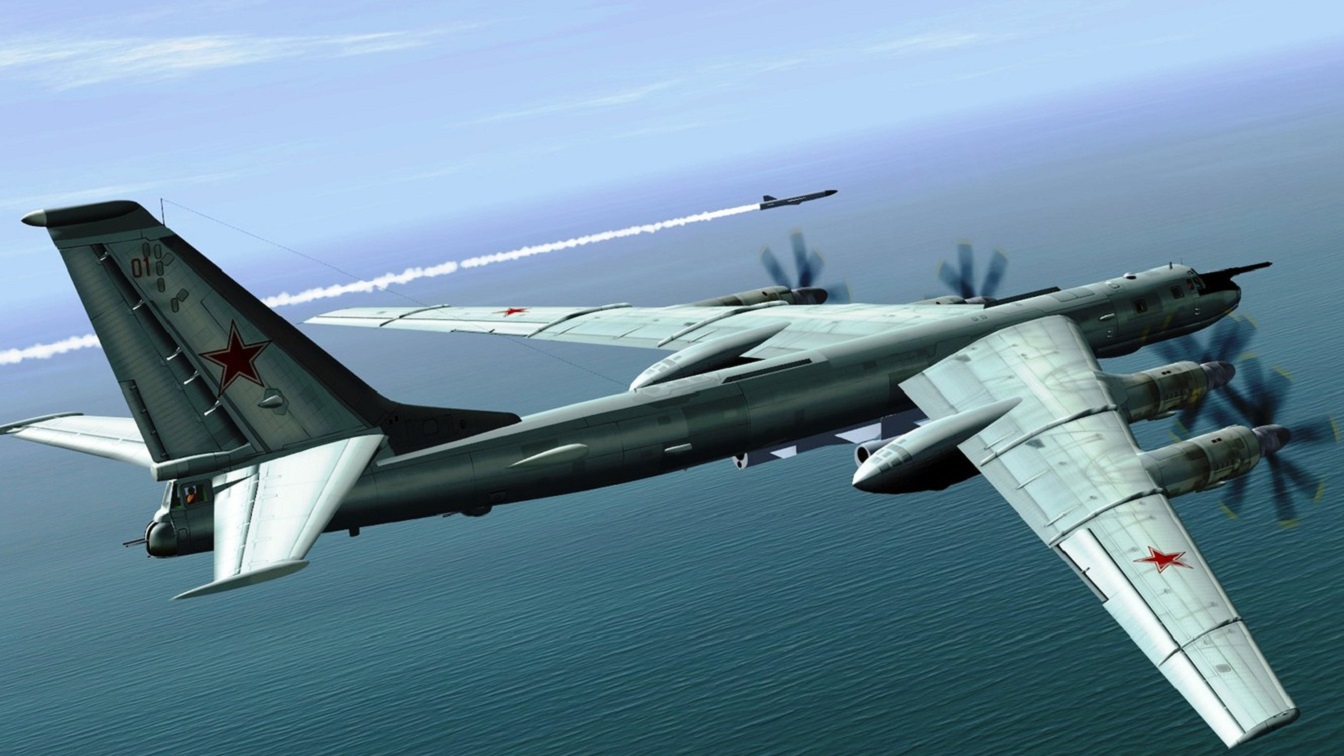
Tu-95MS. Computer-generated image. Image Credit: Creative Commons.
If Ukraine could cause damage at Rybachiy, it likely would.
The base is home to Borei and Borei-A ballistic missile submarines, each designed to carry 16 Bulava missiles.
Those boats form a major and critical part of Russia’s nuclear deterrent.
They are hugely valuable targets — and while docked in port, they do not have the advantage of being unseen and hard to detect.
Russia Makes Similar Changes Elsewhere
The submarines aren’t the only Russian assets being protected in new ways.
At Novorossiysk on the Black Sea, satellite imagery from June 13 showed cages over the conning towers of three Kilo-class submarines.
In an August 4 assessment, the British Defense Ministry described the cages as a preventive measure prompted by Ukraine’s growing ability to strike targets farther from the front lines.
The two bases face very different conditions, but both are under threat.
Novorossiysk is in a region where Ukraine has already repeatedly attacked Russian naval targets.
Rybachiy, meanwhile, sits on the Pacific coast — far beyond the area where those attacks have occurred. The defenses differ, too: the Black Sea cages cover exposed sections of the submarines, while the nets at Rybachiy cover the entire vessels.
Russia Built a Decoy Submarine
Russia has also deployed other tactics to prevent a disastrous Ukrainian strike, with February 2024 satellite imagery showing a submarine silhouette painted on a pier beside a real vessel.
A structure was also built alongside the fake submarine to resemble a conning tower – the raised and typically armored structure on a submarine or warship used for navigation purposes.
The British Defense Ministry highlighted the decoy the following month and identified it as an attempt to confuse anybody attempting to identify targets from overhead imagery.
About the Author: Jack Buckby
Jack Buckby is a British researcher and analyst specializing in defense and national security, based in New York. His work focuses on military capability, procurement, and strategic competition, and he produces and edits analysis for policy and defense audiences. He brings extensive editorial experience, with a career output spanning over 1,000 articles at 19FortyFive, and has previously authored books and papers on extremism and deradicalization.