
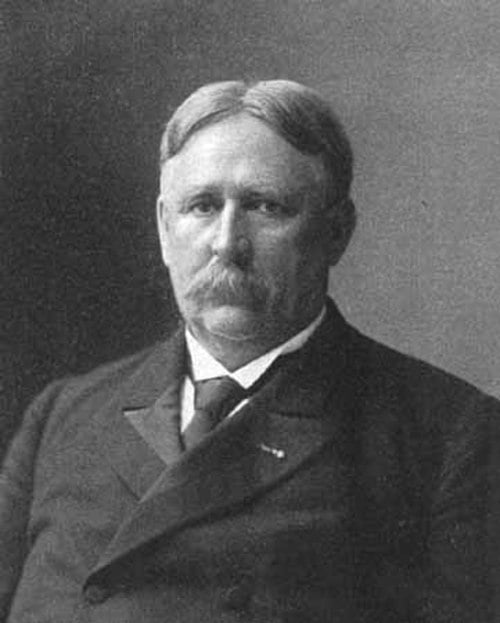
William Shafter
William Shafter commanded the main U.S. expeditionary force in Cuba during the Spanish-American War and therefore stands near the point where the United States moved from continental power to overseas war-making state. His significance lies not only in his leadership around Santiago de Cuba, but in what that campaign revealed about mobilization, command friction, disease, and the practical limits of an army adapting to expeditionary warfare. He matters because some generals are historically important not as tactical geniuses but as embodiments of a military system in transition. He matters because imperial-era conflict history includes the commanders who translated national ambition into imperfect field operations.
- Nationality
- USA
- Born:
- October 16, 1835
- Died:
- November 12, 1906
- Conflicts
- Spanish-American War
- Tags
- Needs Review
His importance begins with command responsibility at the moment the United States entered overseas war on a major scale.
Shafter mattered because he was the field commander tasked with turning American war aims in Cuba into operational reality. The Santiago campaign placed him at the center of the army's first major overseas expedition of the new imperial period.
Military expansion is often best understood through the commanders who had to execute it under real logistical strain.
The relevance of his career lies in the cluster of actions that made San Juan Hill and Santiago central to U.S. war memory.
William Shafter was a U.S. general in the Spanish-American War. His historical significance stems from his command of the campaign that produced the battle most associated with American ground victory in Cuba.
Memory often condenses wars around the generals linked to emblematic operations.
He mattered because campaign friction exposed the organizational limits of American mobilization and expeditionary planning.
Shafter remains significant because the Santiago campaign was not simply a success story. Embarkation confusion, health crises, and command difficulties all showed that the United States was still learning how to wage sustained overseas war.
Conflict history is shaped as much by institutional growing pains as by battlefield outcome.
His significance is contextualized within a broader strategic shift, not confined to one battle.
Shafter's significance lies partly in historical timing. His command came as the United States was moving toward a more outward-facing military posture, and Cuba became one of the proving grounds for that transition.
That matters because commanders can be historically important when they stand at the hinge between regional war and global ambition.
William Shafter should be understood as a conflict-relevant U.S. commander whose importance lies in expeditionary command, campaign friction, and the military politics of 1898.
Shafter matters in conflict history because he links the Santiago campaign, U.S. expeditionary learning, and the broader emergence of American overseas war-making.
Campaign summaries tend to simplify intra-command disputes, but they clearly support Shafter's significance as a major wartime commander.
No analysis & reports about William Shafter
No discussions about William Shafter yet
Start the first discussion