A-10 Thunderbolt II

🇺🇸United States
Fairchild Republic Co.
1976 – Present
Spotlight

The gun that grew an airframe — and outlived four attempts to retire it

The Insane Engineering of the A-10 Warthog (Real Engineering)

Watch on YouTube
Overview
A-10 Thunderbolt II
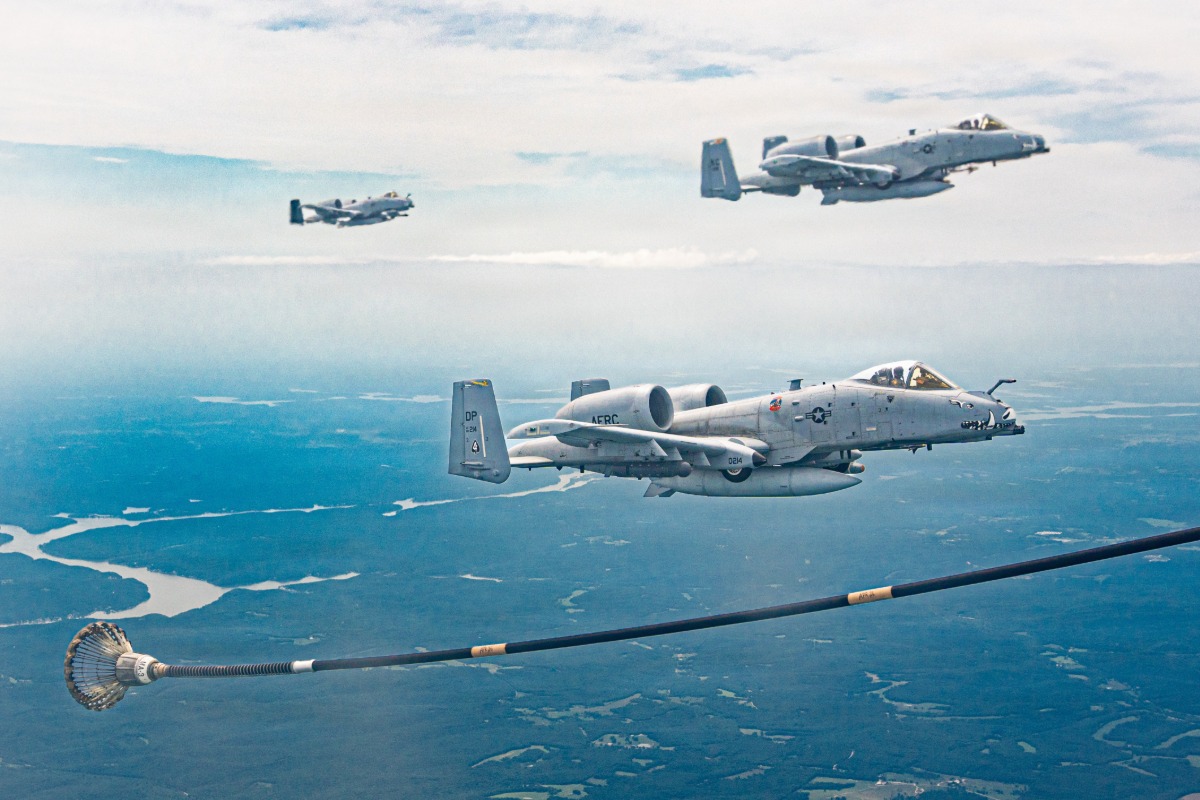
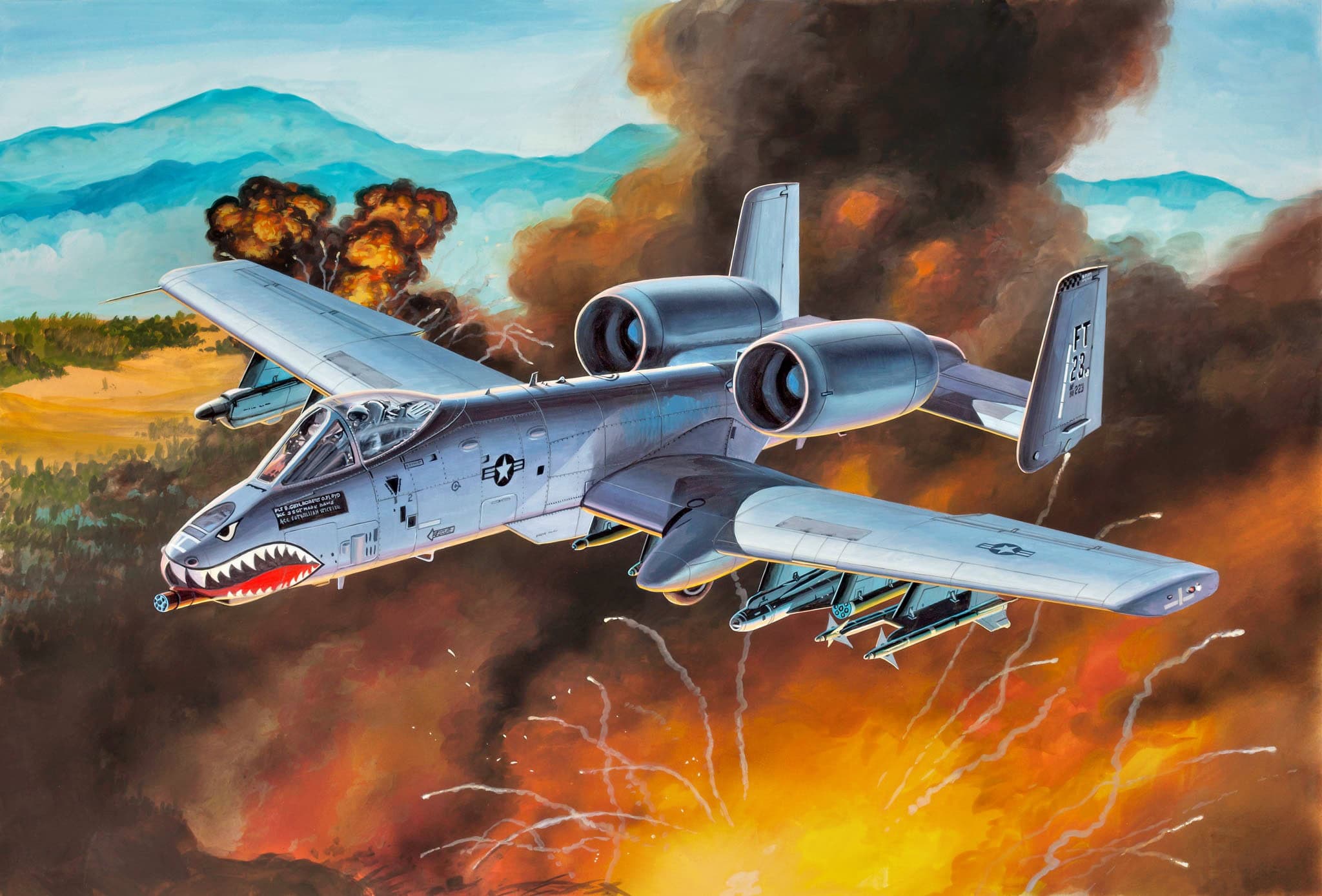
The A-10 Thunderbolt II is an American single-seat, twin-engine jet aircraft designed for close air support, capable of attacking tanks and armored vehicles with a variety of munitions.
Specifications

General

Crew1
Internal Gun30mm GAU-8/A
Max Speed Kmh676 km/h
Max Payload Kg7,257 kg
Combat Radius Km~460 km (250 nm CAS profile with ~1 h 53 min loiter)

Other

Length M16.26 m (53 ft 4 in)
Powerplant2 x General Electric TF34-GE-100 turbofans, 40.3 kN (9,065 lbf) each
Wingspan M17.53 m (57 ft 6 in)
Cockpit Armour~540 kg titanium 'bathtub' around cockpit
Gun Ammunition1,174 rounds of 30 mm (PGU-14/B API, PGU-13/B HEI)
Service Ceiling M13,700 m (45,000 ft)
Max Takeoff Weight Kg~23,000 kg (51,000 lb; sources vary 50,000-51,000 lb)
Latest Developments
Sep 24, 2026strong signal
Breaking All the Rules: The US Air Force’s A-10 Warthog Was Circling the Drain But the Iran War Proved It Wasn’t Ready for Retirement Just Yet

the operation saw A-10 Warthogs join the effort to help protect the rescue teams from Iranian forces.

Sep 21, 2026strong signal
U.S. Air Force inactivates four A-10 units in Arizona

From 1992 to 2026 it supplied A-10 Thunderbolt II aircraft for close air support, forward air control and combat search and rescue.

Sep 14, 2026strong signal
Air Force colonel recounts ‘Dude 44’ rescue that put almost 100 troops inside Iran

Entity 'A-10 Thunderbolt' mentioned in report

Sep 11, 2026weak signal
Striking Two Ships West of Khasab and the Drain of Patriot in Jordan Reveal That the Hormuz War Is No Longer a Passing Maritime News

الرشقة الباليستية الإيرانية باتجاه Muwaffaq Salti / Al Azraq أدت إلى ضرر شديد في جناح طائرة A-10 Thunderbolt II، وإلى أضرار خفيفة في نحو ثماني طائرات F-15 أعيدت إلى الخدمة

Sep 10, 2026strong signal
Iran attack on base in Jordan damaged American military aircraft, US official says

Iran’s attack hit one A-10 Thunderbolt II, known as the Warthog, leaving it with a missing wing.

Featured Coverage
Research Notes

Purpose-built close air support aircraft

medium-high

The A-10 was designed around survivability, loiter time and a heavy cannon for supporting troops on the ground.

The A-10 Thunderbolt II is unusually focused compared with many combat aircraft. It was designed specifically for close air support, with a straight wing, durable structure, redundant systems and the GAU-8/A cannon integrated around the airframe. That mission focus explains why the aircraft inspires loyalty among ground forces even as airpower planners debate survivability in modern air-defense environments.

Low-speed control and battlefield persistence

medium-high

Its value comes from staying near ground forces, identifying targets and delivering accurate effects under difficult conditions.

A-10 capability is not about high speed or stealth. It is about operating at lower speeds, absorbing damage and coordinating with troops and controllers in close contact. Precision weapons and A-10C avionics upgrades improved the aircraft’s relevance, but its defining tactical role remains persistent support where target identification and timing are critical.

Retirement debate shows mission versus platform tension

medium-high

The aircraft remains a symbol of close air support even as the Air Force shifts resources toward more survivable multirole aircraft.

The A-10’s service story is dominated by a long retirement debate. Supporters emphasize the unique CAS culture and battlefield utility; critics point to survivability and opportunity cost in high-end conflict. A useful equipment page needs to capture that tension because it explains why the A-10 matters far beyond its specifications.

Key parameters at a glance

high

Dimensions and performance follow published US Air Force and museum fact-sheet figures; inventory numbers reflect the fiscal 2026 budget cycle.

Role
Single-seat close air support and forward air control (A-10C / OA-10)
Manufacturer
Fairchild Republic Co.; sustainment now led by Boeing
Length
16.26m (53 ft 4 in)
Wingspan
17.53m (57 ft 6 in)
Powerplant
2 x GE TF34-GE-100 turbofans, 40.3 kN each
Primary gun
GAU-8/A Avenger 30 mm seven-barrel rotary cannon, 1,174 rounds
Rate of fire
3,900rounds/min
Cockpit protection
~540kg titanium armour 'bathtub'
Combat radius
~460km (CAS profile, est.)
Fleet status
162 in FY2026 inventory; congressional floor of 103 through 30 Sep 2026

Program milestones

high

Publicly reported milestones from the A-X competition to the fiscal 2026 divestment fight.

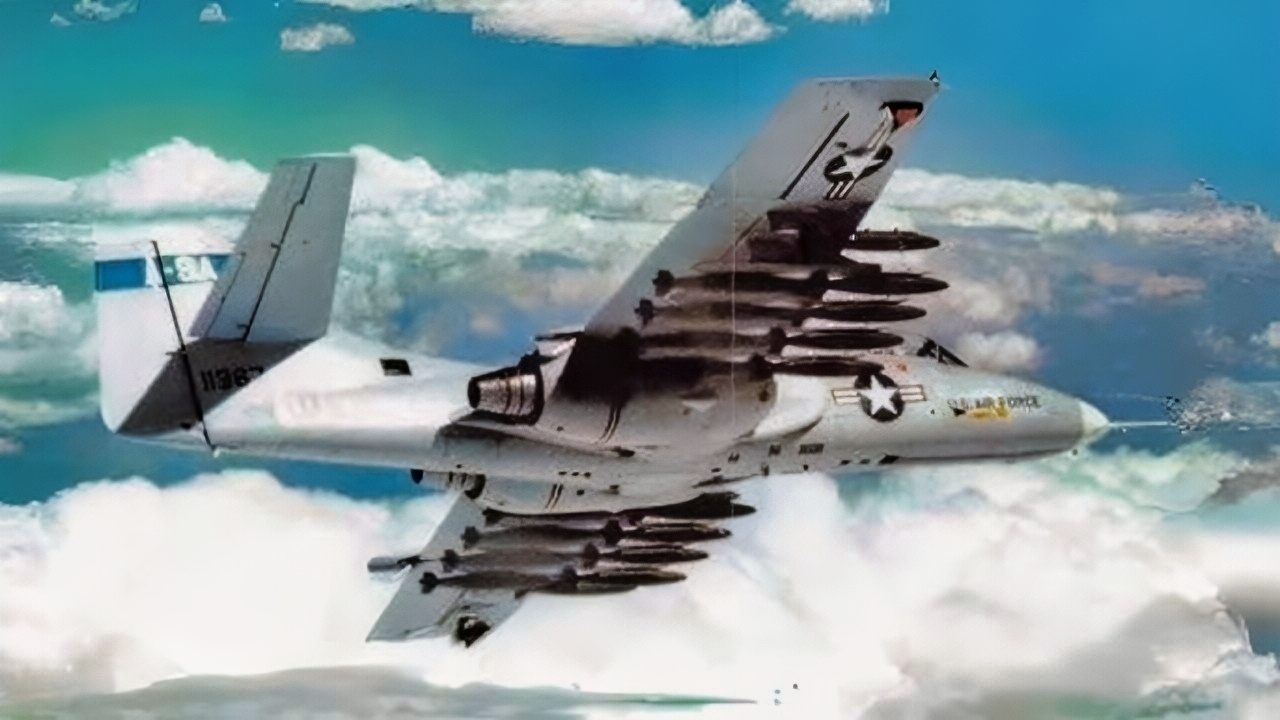
1972-05YA-10 prototype first flight

Fairchild Republic's YA-10 flew against Northrop's YA-9 in the US Air Force A-X fly-off, a competition written around survivability and a purpose-built anti-armour gun.

1973-01YA-10 wins the A-X competition

The Air Force selected the Fairchild Republic design for production. A separate 1974 gun-off picked the General Electric GAU-8/A over the Philco-Ford entry.

1976-03First operational deliveries

Production A-10As reached their first operational wing; initial operating capability followed in 1977. Roughly 716 airframes were built before the line closed in 1984.

1991-01Desert Storm

The A-10 flew a large share of the coalition's anti-armour and combat search-and-rescue sorties, establishing the reputation that later underpinned congressional resistance to retirement.

2011A-10C Precision Engagement upgrade completed

Fleet-wide conversion added digital stores management, targeting-pod integration and precision-guided munitions, turning a Cold War gun platform into a sensor-and-JDAM aircraft.

2025-06FY2026 budget seeks full divestment

The Air Force asked to retire all 162 remaining A-10s in a single fiscal year, roughly three years earlier than its previous 2028-2029 glide path, freeing money for F-35 and CCA priorities.

2025-12NDAA sets a 103-aircraft floor

Congress barred FY2026 funds from cutting the fleet below 103 aircraft (93 primary mission aircraft) through 30 September 2026, and directed a briefing on an FY2027-2029 close air support transition plan by 31 March 2026.

2026-04Retirement pushed to 2030

Air Force Secretary Troy Meink extended selected A-10 squadrons to 2029-2030 to preserve combat power while combat aircraft production ramps, with the fleet still committed to Middle East operations.

Strategic significance

medium

The A-10 is the only US combat aircraft ever designed outward from a gun. The GAU-8/A Avenger sets the fuselage layout, the offset nose gear and much of the mass budget, and the roughly 540 kg titanium 'bathtub', redundant flight controls, self-sealing tanks and widely separated podded engines were sized for a Central European battlefield saturated with anti-aircraft artillery and short-range missiles. That design logic delivered loiter time, low-altitude accuracy and battle damage tolerance that fast jets do not match, but it was optimised for a threat environment in which the aircraft could survive at low level.

That premise is what the retirement argument turns on. Against modern integrated air defences of the kind fielded by China or Russia, a subsonic aircraft operating in gun range is difficult to protect, and the Air Force has argued since the mid-2010s that the mission is better served by F-35s, B-1s and stand-off munitions cued by the same targeting networks. Critics counter that no fielded platform reproduces the A-10's combination of endurance over troops in contact, low cost per sortie and the ability to work visually with ground parties, and that a capability gap would open before a successor is funded.

The result is one of the longest divestment fights in modern US force planning. The Air Force's fiscal 2026 request to retire all 162 remaining aircraft in a single year was rejected by Congress, which set a 103-aircraft floor and demanded a written close air support transition plan, and the service then extended selected squadrons toward 2030 while the fleet remained committed to Middle East operations. The practical significance is less about the airframe than about the precedent: Congress has repeatedly demonstrated that it will hold a legacy capability in service until a documented replacement exists, which constrains how quickly the Air Force can convert legacy budgets into new programmes.

Videos

Why the Air Force is retiring the A-10 early (Sandboxx)

Watch on YouTube

The Last Days Of The A-10 Warthog Weapons School (TWZ)

Watch on YouTube

The many maneuvers the US Air Force has used to try to retire the A-10 (Bilibili)

Watch on Bilibili
Sources & References
Related Discussions

No discussions about A-10 Thunderbolt II yet

Start the first discussion