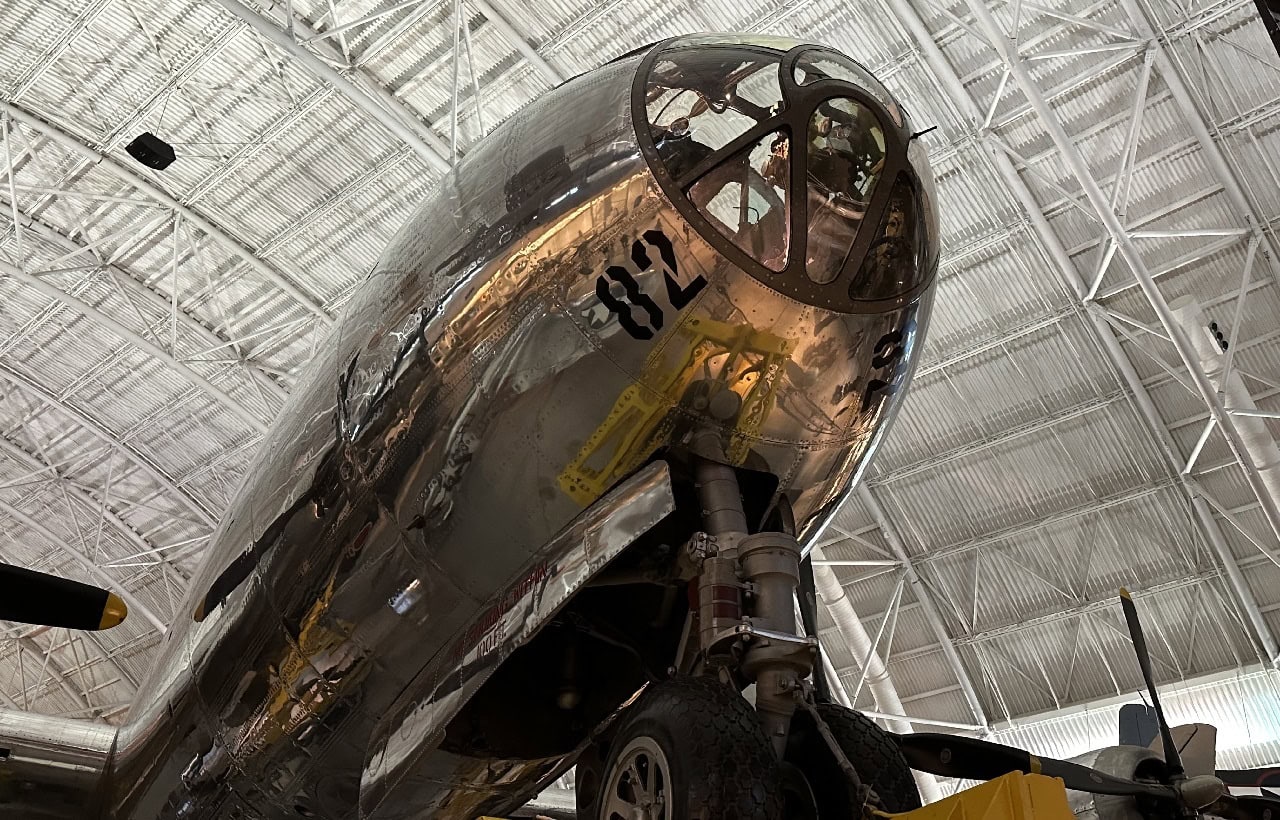
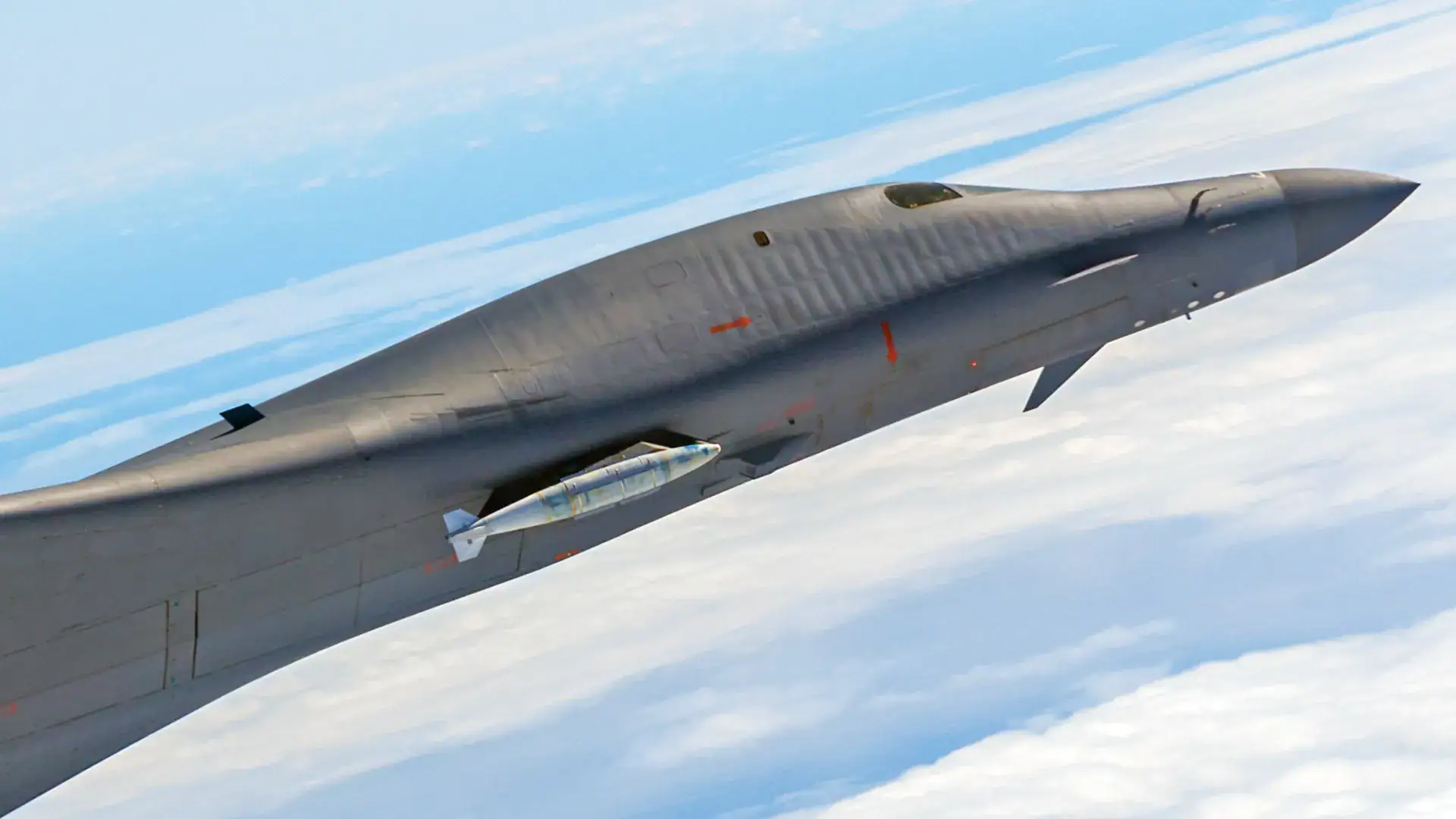
The B-52J program is the largest single modernization of the Stratofortress in its seven-decade history: new Rolls-Royce F130 engines, a Raytheon AN/APQ-188 AESA radar, and upgraded communications, navigation, and electrical systems intended to keep 76 airframes credible into the 2050s. For US Air Force Global Strike Command, the calculus is cost per weapon delivered — a re-engined B-52 is a comparatively inexpensive, high-capacity standoff platform to pair with the stealthy but far more expensive B-21, carrying large loads of cruise missiles, including the nuclear LRSO, from outside contested airspace.
The program's risks are chiefly schedule and cost rather than technology. The engine effort's initial operational capability has slipped to roughly 2033, and the radar program suffered a Nunn-McCurdy unit-cost breach in 2024 that prompted discussion of reducing its scope. Until conversions are complete, the fleet must operate with 1960s-era TF33 engines whose sustainment burden grows each year, and the B-52H involved in radar testing highlights how thinly stretched the 76-aircraft fleet already is between deterrence tasking and test work.
Comparatively, the B-52J follows the same logic as Russia's continued modernization of the Tu-95MS and China's evolution of the H-6 family: mature bombers converted into long-range missile trucks. If delivered as planned, the B-52J would remain the highest-payload standoff bomber in any inventory, with fuel efficiency gains of roughly 30 percent extending range and reducing tanker demand. Its significance therefore lies less in any single new capability than in preserving affordable bomber mass — a hedge that keeps US long-range strike capacity from resting on B-21 production rates alone.