USS Ronald Reagan (CVN-76)

🇺🇸United States
2003 – Present
Spotlight

The US Navy's only forward-deployed carrier from 2015 to 2024, now back on the West Coast

Take Ride Aboard USS Ronald Reagan and Carrier Air Wing Five (U.S. Navy)

Watch on YouTube
Overview
USS Ronald Reagan (CVN-76)
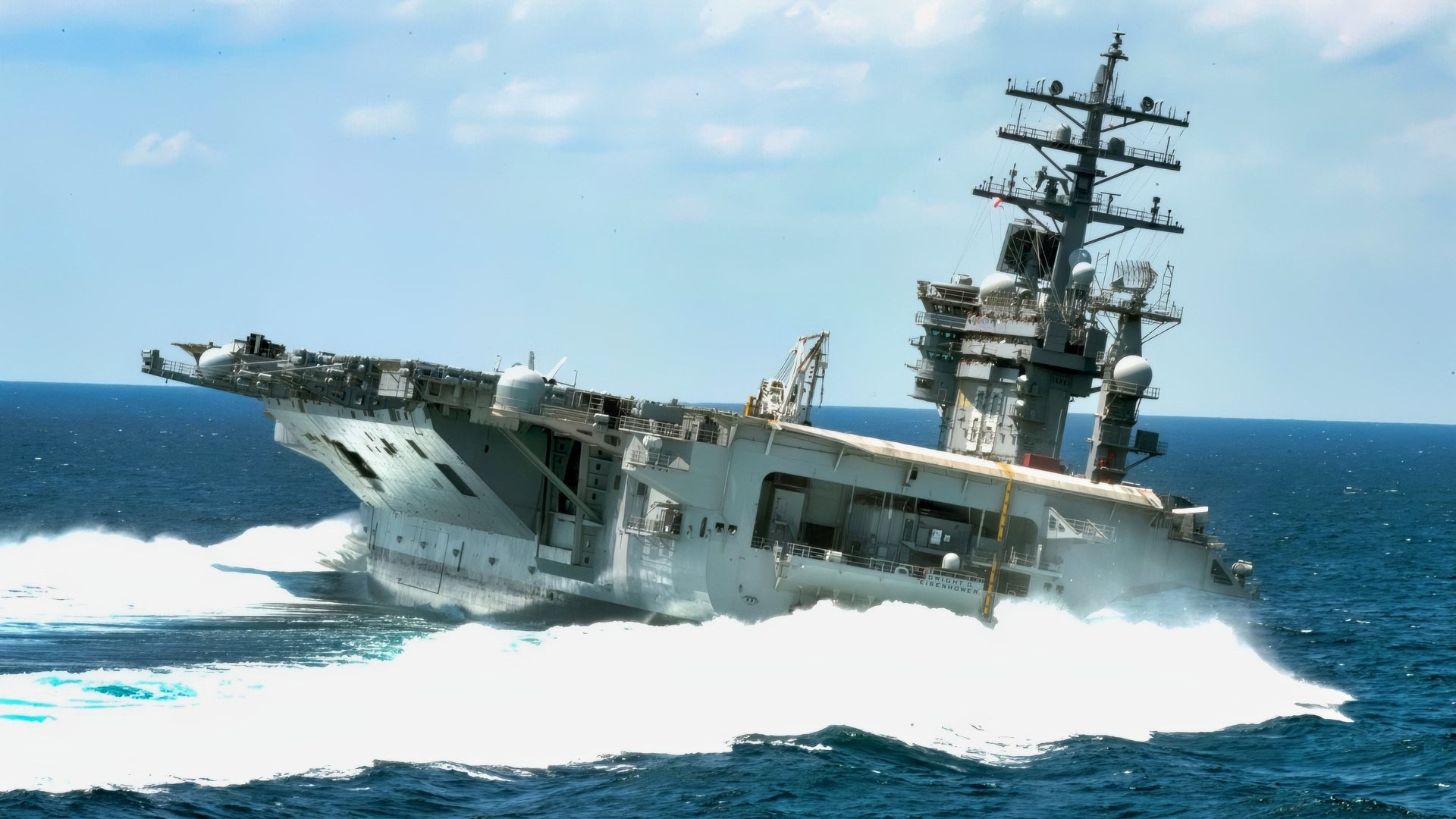
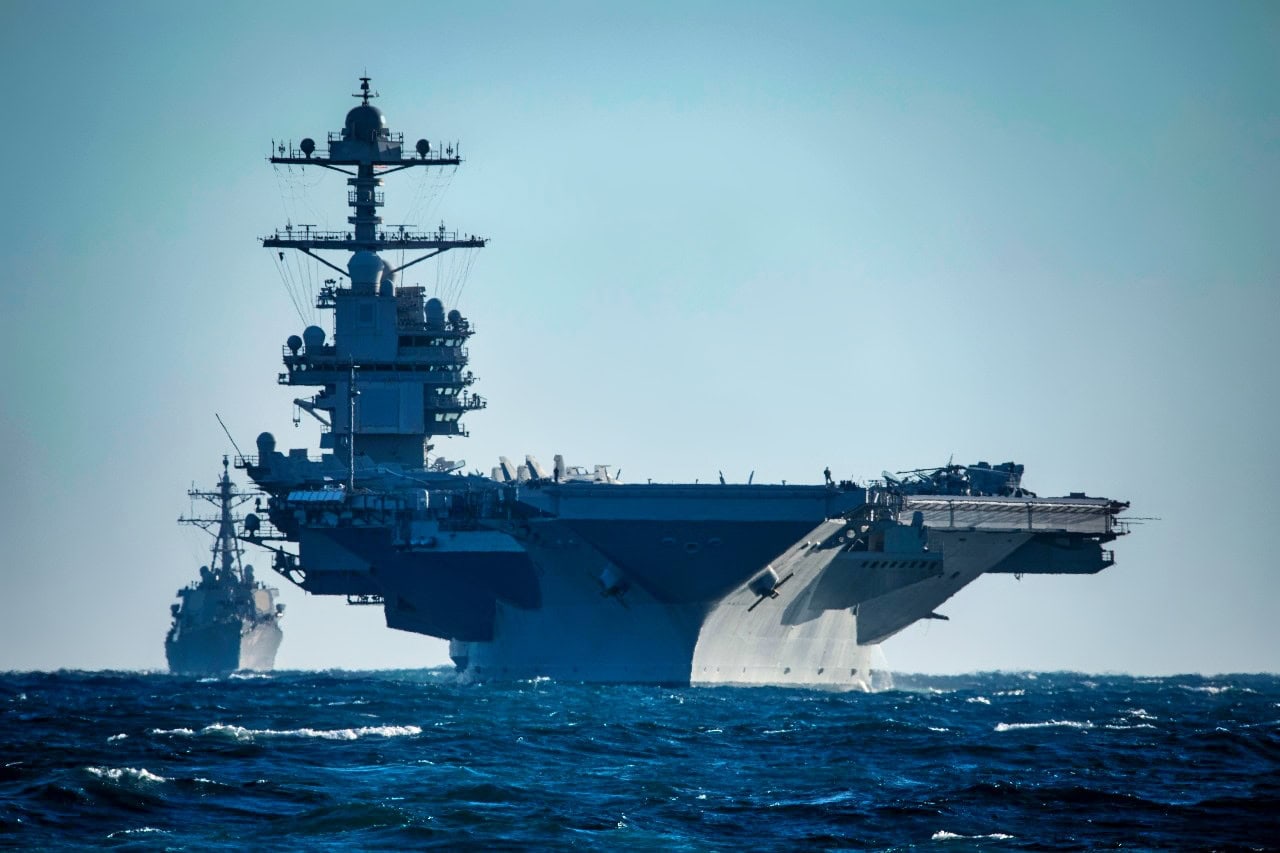
USS Ronald Reagan (CVN-76) is named after the 40th President and was the first carrier named for a living former president at time of naming (Reagan had passed by commissioning). From 2015 to 2024, she served as the only forward-deployed carrier in Japan, replacing George Washington. During this time, she made a historic visit to Da Nang, Vietnam in 2023—only the third time a US carrier visited Vietnam since the war. She also participated in Operation Tomodachi, providing humanitarian assistance after the 2011 Japanese earthquake and tsunami. The carrier recently swapped homeports with George Washington and is currently undergoing scheduled maintenance.
Specifications

General

Crew5,617
Beam M40.8 m
Length M332.8 m
Catapults4
Propulsion2 × Westinghouse A4W nuclear reactors, 4 × steam turbines, 4 × shafts
Speed Knots30 knots
Launch SystemCATOBAR
Aircraft TypesF/A-18 Hornet, F/A-18E/F Super Hornet, EA-18G Growler, E-2C Hawkeye, C-2A Greyhound, MH-60S/R Seahawk
Aircraft Capacity90
Displacement Tons106,300 tons
Flight Deck Length M332.8 m

Other

BuilderNewport News Shipbuilding, Newport News, Virginia (ordered 8 December 1994, keel laid 12 February 1998)
HomeportNaval Base Kitsap-Bremerton, Washington (since August 2024); Yokosuka, Japan 2015-2024; San Diego 2004-2015
Hull FormRedesigned bulbous bow, the first fitted to a Nimitz-class hull, for propulsion efficiency and trim stability
Commissioned12 July 2003 at Naval Station Norfolk; ninth ship of the Nimitz class
Arresting Gear3 arresting wires and 3 arresting engines, one fewer of each than earlier Nimitz-class ships
Air Search RadarAN/SPS-48G 3D air search, backfitted in place of the AN/SPS-48E
Island ConfigurationIsland ~6 m (20 ft) longer than earlier Nimitz-class ships, one fewer deck, aft radar array and an aircraft weapons elevator built into the structure
Construction Cost Usd~4.5 billion as built (then-year dollars, reported)
Latest Developments
Feb 9, 2026strong signal
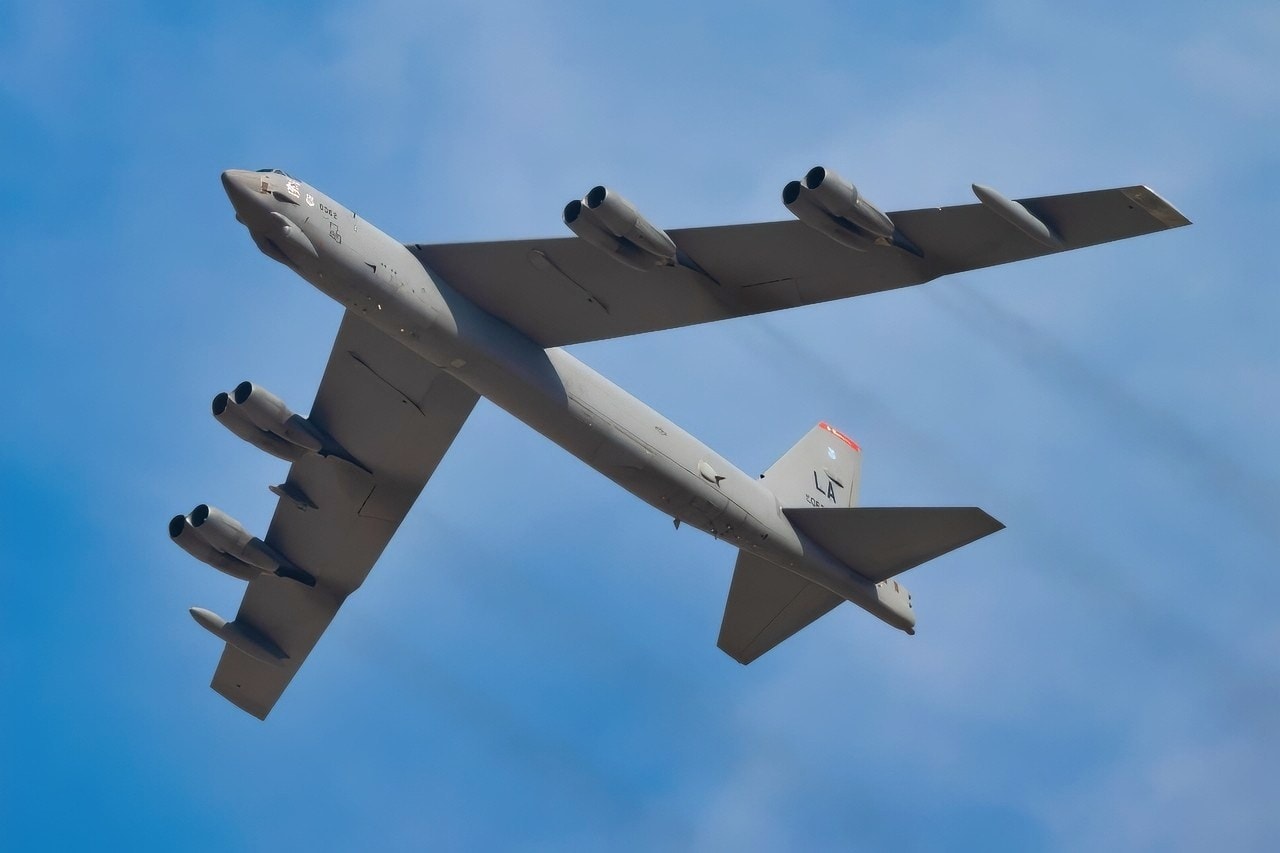
The 100-Year Bomber: Why the U.S. Air Force Is Betting Everything on the B-52J

Entity 'Ronald Reagan' mentioned in report

Feb 1, 2026strong signal
The U.S. Navy’s Dangerous Supercarrier Addiction Must Stop

The U.S. Navy’s only forward-deployed aircraft carrier, USS Ronald Reagan (CVN 76), steams in the Indian Ocean.

Jan 30, 2026strong signal
The U.S. Navy’s Aircraft Carrier Addiction Needs to End

The U.S. Navy’s only forward-deployed aircraft carrier, USS Ronald Reagan (CVN 76), steams in the Indian Ocean.

Jan 27, 2026strong signal
The U.S. Navy Wants to Retire Nuclear Supercarrier USS Nimitz (And It Makes Total Sense)

USS Ronald Reagan (CVN 76) transits the South China Sea with the Arleigh Burke-class guided missile destroyer USS Halsey (DDG 97).

Featured Coverage
Research Notes

Nimitz-class carrier shaped by forward presence in the Indo-Pacific

high

USS Ronald Reagan is best known for its long role as a forward-deployed U.S. carrier in the Indo-Pacific security environment.

USS Ronald Reagan (CVN-76) is a Nimitz-class carrier with a strong association to U.S. forward presence in the Indo-Pacific. The official Navy page emphasizes credible presence and lethality, language that fits the ship's deterrence and crisis-response role.

A forward-deployed or regularly deployed carrier affects regional planning because it can bring aircraft, command functions, and allied coordination to a crisis without waiting for a new base to be built.

For HiWars, Ronald Reagan should be presented as a carrier whose value is tied to presence as much as combat power. Its visible location, air wing, escort group, and readiness state matter to regional deterrence.

Credible presence requires daily readiness discipline

high

The ship's mission language points to a practical truth: deterrence works only when the carrier can actually generate combat aviation.

Official Navy language around Ronald Reagan emphasizes credible presence, professionalism, tactical proficiency, and material readiness. Those themes are operationally meaningful because a carrier's deterrent effect depends on whether it can launch, recover, maintain, and command aircraft under stress.

Presence is not just location on a map. It is the visible combination of trained crew, ready aircraft, escorts, logistics, and command relationships. A carrier that cannot sustain these functions loses much of its political and military value.

This is the kind of context that strengthens an equipment detail page. The ship's page should explain why readiness culture, maintenance, and air-wing proficiency are part of the weapon system.

Carrier signaling in alliance-heavy waters

high

Ronald Reagan's significance is amplified by alliances, partner exercises, and the dense maritime geography of the Western Pacific.

The Western Pacific is a dense operating environment with major U.S. allies, contested waters, missile threats, and short warning timelines. A carrier such as Ronald Reagan contributes not only strike aircraft, but also command presence and reassurance to allies.

Its role is therefore best analyzed together with Japanese basing, U.S. Seventh Fleet operations, allied exercises, and regional crisis signaling. The ship's strategic meaning changes when it is deployed near Taiwan, the Korean Peninsula, the South China Sea, or Japan.

For HiWars, Ronald Reagan should link to alliance networks and theater geography. That turns a thin ship entry into a useful guide to why the carrier matters.

Key parameters at a glance

high

Ship-specific figures for CVN-76; hull, propulsion and air wing parameters common to the Nimitz class are covered on the class page.

Role
Nuclear-powered CATOBAR supercarrier, ninth ship of the Nimitz class
Hull number / motto
CVN-76; motto "Peace Through Strength", nickname "Gipper"
Builder / cost
Newport News Shipbuilding~US$4.5 bn as built
Commissioned
12 July 2003Naval Station Norfolk
Namesake
Ronald Reagan, 40th US president; christened by Nancy Reagan on 4 March 2001, before Reagan's death in June 2004
Forward-deployed period
October 2015 - May 2024Yokosuka, Japan
Assigned formation while forward-deployed
Flagship, Carrier Strike Group 5, with Carrier Air Wing 5 embarked
Distinguishing hull feature
Bulbous bow, first fitted to a Nimitz-class hull and later repeated on CVN-77
Current homeport
Naval Base Kitsap-Bremerton, Washingtonsince August 2024
Current status
Drydocking Planned Incremental Availability at Puget Sound Naval Shipyard from March 202517 months (reported)

Program milestones

high

Construction, forward-deployment and the 2024 homeport shift as publicly reported.

1998-02Keel laid at Newport News

Ordered on 8 December 1994 and laid down on 12 February 1998. The design was treated as a modified repeat of CVN-75 and served as a technology bridge toward the Ford class, introducing a bulbous bow, a longer island with an integrated weapons elevator and a shipwide integrated communications network.

2003-07Commissioned at Norfolk

Christened by Nancy Reagan on 4 March 2001 and commissioned on 12 July 2003. The ship transited the Strait of Magellan in 2004 to take up her first operational homeport at Naval Air Station North Island, San Diego.

2011-03Operation Tomodachi

Diverted from a Korean exercise after the 11 March Tohoku earthquake and tsunami, the ship operated off Sendai as a refuelling and staging platform for Japanese and US relief helicopters. On 13 March a gamma reading of about 0.6 millirem per hour was recorded roughly 210 km from Fukushima Daiichi; the ship repositioned to avoid the plume, 17 aircrew from three helicopter crews were decontaminated, and the flight deck and island were washed down on 23 March.

2015-10Homeported at Yokosuka

Arrived on 1 October 2015 to relieve USS George Washington as the only permanently forward-deployed US carrier, becoming flagship of Carrier Strike Group 5 with Carrier Air Wing 5. The changeover used a hull swap at San Diego so that most crews did not have to relocate between the United States and Japan.

2020-05Ninth Circuit affirms dismissal of crew radiation suits

Servicemembers who took part in Operation Tomodachi sued Tokyo Electric Power Company and General Electric in the Southern District of California in 2012, alleging radiation-related illness. After an earlier interlocutory appeal in 2017, the Ninth Circuit affirmed dismissal on 22 May 2020: Japan's Act on Compensation for Nuclear Damage channelled liability to the plant operator, barring the claims against GE, and dismissal of the TEPCO claims on international-comity grounds was not an abuse of discretion.

2023-06Port call at Da Nang

Visited Tien Sa port at Da Nang from 25 to 30 June 2023 with the cruisers USS Antietam and USS Robert Smalls, the third US carrier visit to Vietnam since 2018 and the first since the pandemic.

2024-08Homeport shift to Bremerton

Departed Yokosuka on 16 May 2024 after nearly nine years forward-deployed, during which the ship logged more than 460,000 miles and visited over 15 foreign ports, and arrived at Naval Base Kitsap in August 2024. USS George Washington took over the Yokosuka assignment later the same year.

2025-03Enters dry dock at Puget Sound

Began a Drydocking Planned Incremental Availability at Puget Sound Naval Shipyard reported at 17 months, with completion expected in 2026. Around 2,800 crew were housed ashore for the duration.

Strategic significance

medium

For nearly nine years CVN-76 held a billet no other US carrier holds: permanent basing at Yokosuka. Forward-deployed naval forces status removes the four-to-six week trans-Pacific transit that shapes every other carrier's response time, which is why the Seventh Fleet's sole resident flat-top is the reference point for Chinese, North Korean and Japanese planners alike. The trade-offs are real and were visible across the tour. A single hull cannot cover a gap: when the ship went to the Middle East in June 2021 to help cover the Afghanistan withdrawal, the Western Pacific had no resident carrier for months. Maintenance is also constrained, since heavy work has to be done at Yokosuka or the ship must leave the theatre entirely, which is ultimately what forced the 2024 rotation.

Operation Tomodachi remains the ship's most consequential non-combat episode and the one with the longest tail. The humanitarian value was immediate — a nuclear-powered platform with helicopter capacity operating off a coastline whose ports and airfields had been destroyed. The cost was a contested one: the ship transited a plume from Fukushima Daiichi, 17 aircrew were decontaminated, and years later several hundred servicemembers and family members sued TEPCO and General Electric in California. That litigation ended not on the medical merits but on conflict-of-laws grounds, with the Ninth Circuit holding in 2020 that Japan's Compensation Act channelled liability to the plant operator and that dismissal on international-comity grounds was within the district court's discretion. The unresolved question the case leaves behind — how disaster-relief forces are compensated when the disaster is radiological and the responsible party is a foreign private utility — is a planning problem rather than a settled legal one.

The 2024 swap with USS George Washington restores a rotation the Navy had let stretch. Forward-deployed hulls accumulate operating hours faster than home-based ones, and the exchange sends Ronald Reagan into a 17-month drydocking at Puget Sound while a freshly refuelled sister ship takes the Yokosuka billet. The consequence is that one of eleven US carriers is unavailable well into 2026 at a point when Ford-class deliveries are still ramping and Nimitz-class hulls are being retired from the top of the class. Reagan's own remaining service life is bounded by her single mid-life refuelling, which has not yet been performed; her value in the second half of her career will depend less on the forward-deployment role she has now handed over than on how the Navy sequences the remaining Nimitz-class refuellings against Ford-class availability.

Videos

Aircraft carrier USS Ronald Reagan makes historic stop in Vietnam (Stars and Stripes)

Watch on YouTube

Relief Efforts in Japan: Loading Supplies Onboard USS Ronald Reagan (U.S. Pacific Fleet)

Watch on YouTube

In-depth breakdown of the US carrier Ronald Reagan (Frontline Military Intelligence)

Watch on Bilibili
Sources & References
UNITS
NameCountryStatusService YearDescription
USS Ronald Reagan (CVN-76)
🇺🇸United States
ACTIVE2003 – PresentNimitz-class carrier at Naval Base Yokosuka Japan
Related Discussions

No discussions about USS Ronald Reagan (CVN-76) yet

Start the first discussion