What sets the DF-27 apart in US assessments is not its speed but its category. Ballistic missiles of intercontinental range have been nuclear instruments almost without exception; the 2025 US report treats the DF-27 as a fielded conventional system at that range, with an anti-ship variant described as China's longest-ranged. If those assessments hold, the missile decouples intercontinental reach from nuclear use, and the shorter-range DF-21D and DF-26 become the near end of a continuum rather than its outer limit.
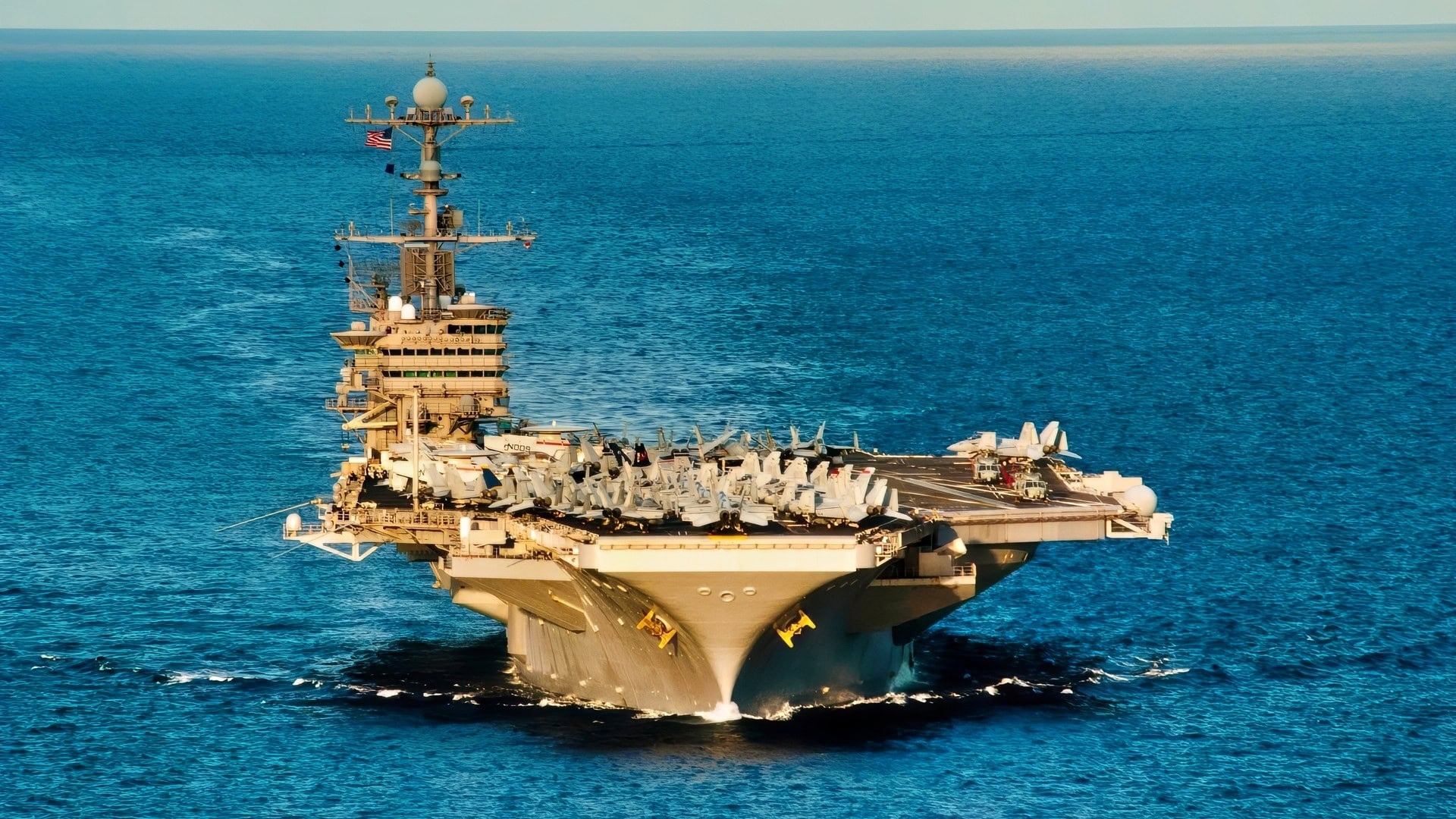
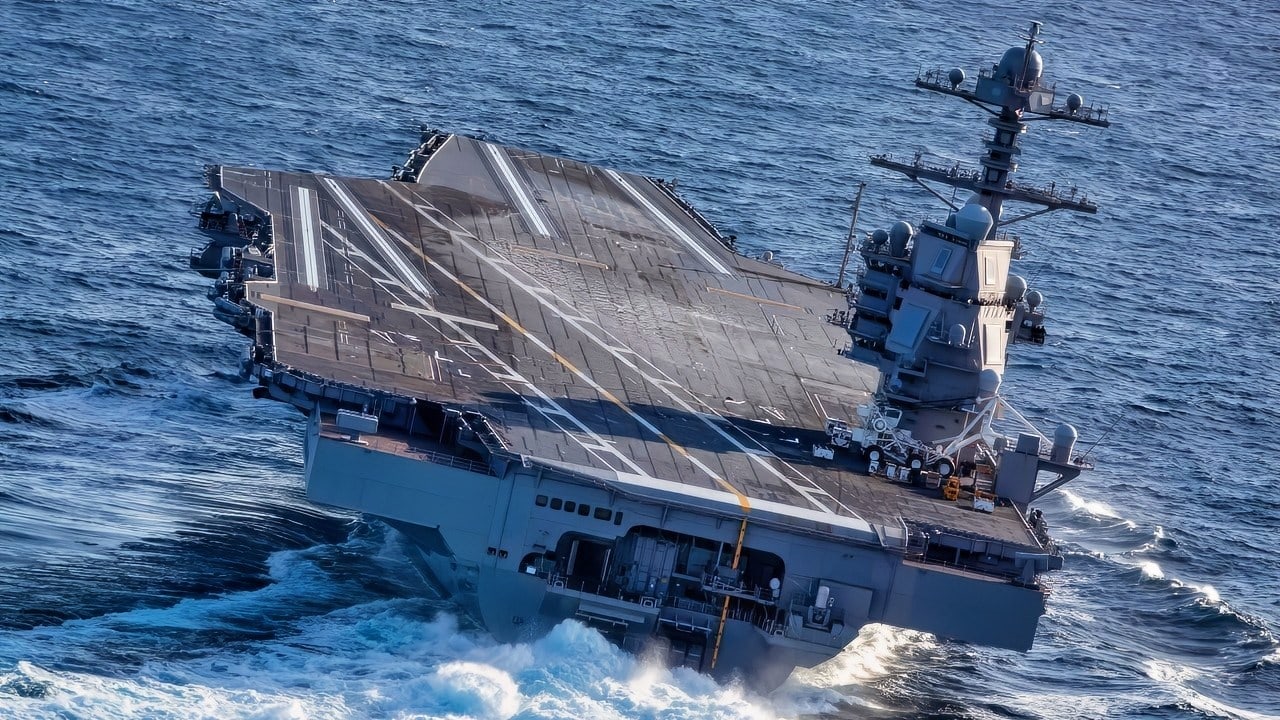
The operational value of the anti-ship variant depends less on the missile than on the sensing chain behind it. Holding a manoeuvring warship at risk several thousand kilometres from the launch point requires detection, classification, tracking and mid-course update over an area far larger than anything the earlier anti-ship systems needed, and no such engagement has been publicly demonstrated against a defended, moving target. Reported hypersonic glide vehicle payloads complicate interception by flattening and shaping the trajectory, but they do not solve the targeting problem; the more plausible near-term effect is that US and allied forces must assume threat coverage over rear areas — Guam, Hawaii, Alaska, northern Australia — that were previously treated as sanctuary for basing, repair and logistics.
The corresponding risk runs in the other direction. A launch from a road-mobile intercontinental-range system cannot be classified as conventional by its flight profile alone, so a conventional DF-27 shot would present the same early-warning picture as a nuclear one and would have to be judged within minutes. That ambiguity is structural rather than incidental, and it is sharpened by how little is publicly verifiable: China has released no specifications, the missile has not been shown in public, and the fielding claim rests on US government assessment rather than on observed deployment. Every figure attached to the system should be read with that caveat.