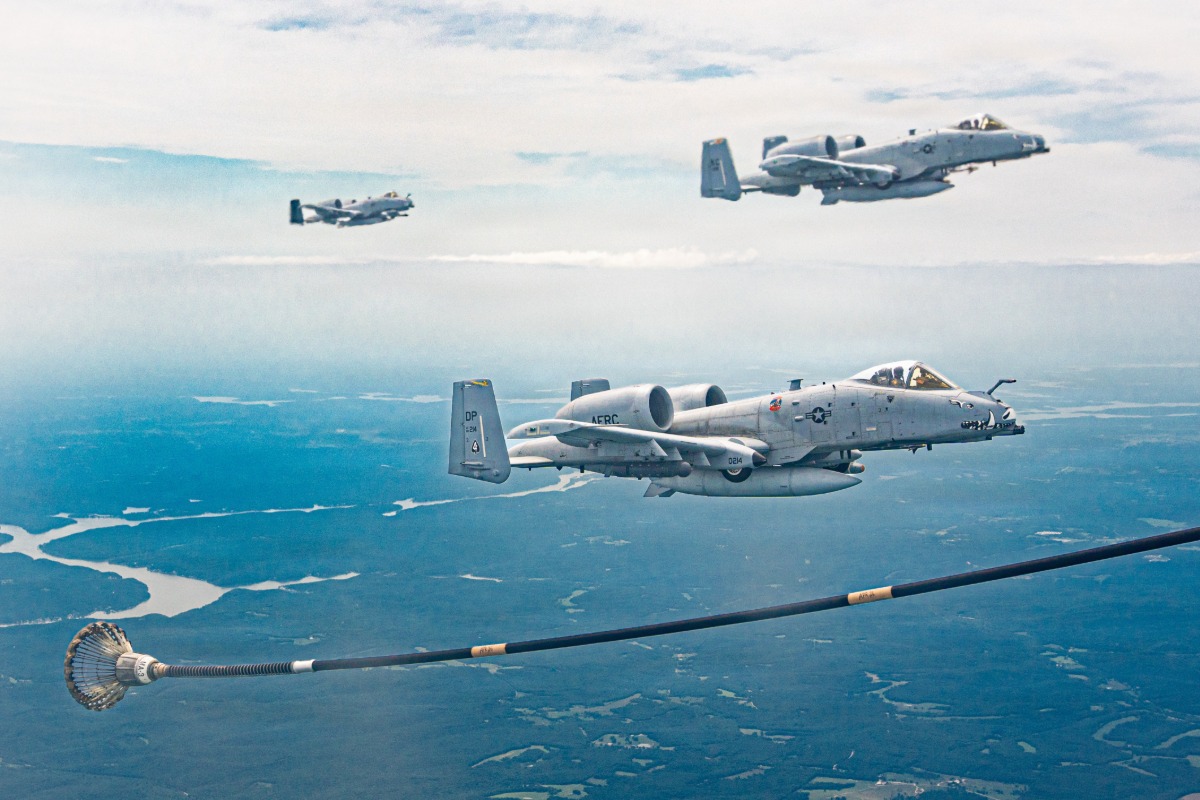
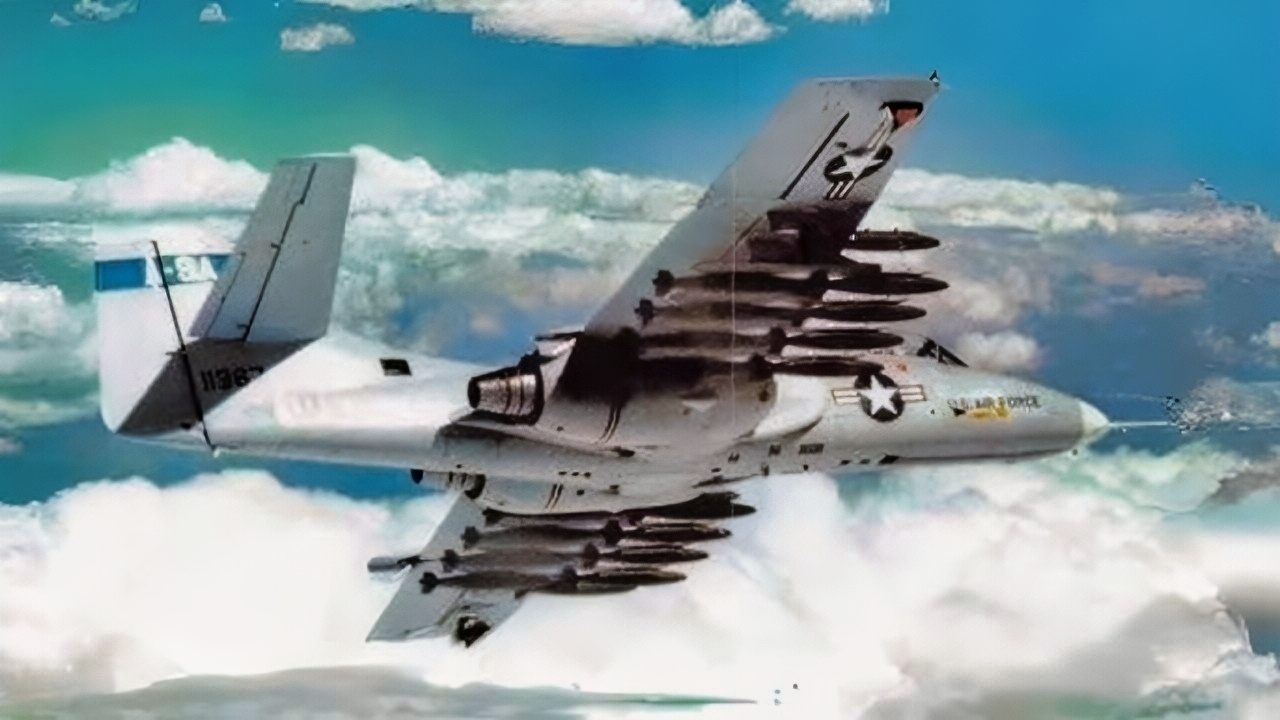
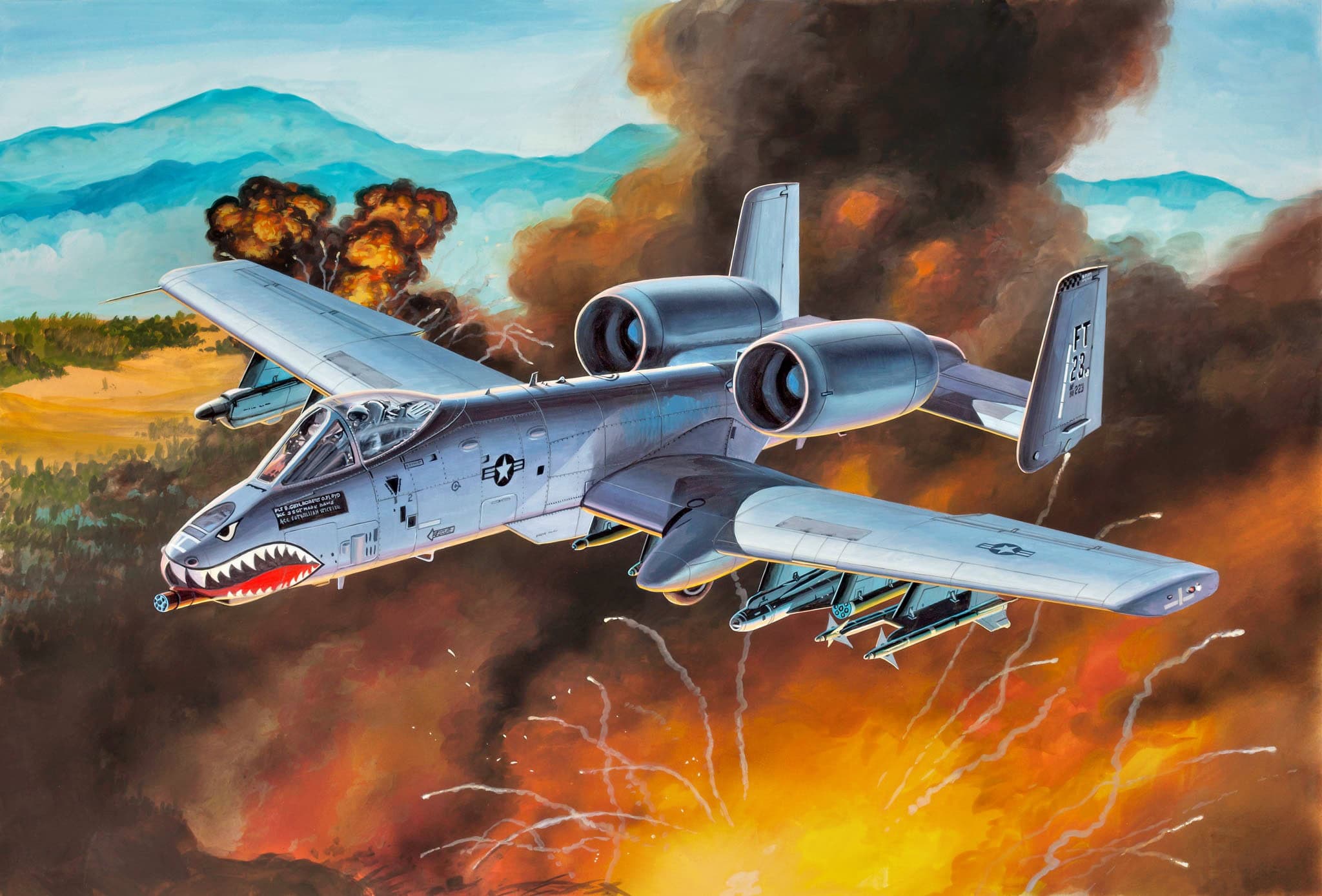
The A-10 is the only US combat aircraft ever designed outward from a gun. The GAU-8/A Avenger sets the fuselage layout, the offset nose gear and much of the mass budget, and the roughly 540 kg titanium 'bathtub', redundant flight controls, self-sealing tanks and widely separated podded engines were sized for a Central European battlefield saturated with anti-aircraft artillery and short-range missiles. That design logic delivered loiter time, low-altitude accuracy and battle damage tolerance that fast jets do not match, but it was optimised for a threat environment in which the aircraft could survive at low level.
That premise is what the retirement argument turns on. Against modern integrated air defences of the kind fielded by China or Russia, a subsonic aircraft operating in gun range is difficult to protect, and the Air Force has argued since the mid-2010s that the mission is better served by F-35s, B-1s and stand-off munitions cued by the same targeting networks. Critics counter that no fielded platform reproduces the A-10's combination of endurance over troops in contact, low cost per sortie and the ability to work visually with ground parties, and that a capability gap would open before a successor is funded.
The result is one of the longest divestment fights in modern US force planning. The Air Force's fiscal 2026 request to retire all 162 remaining aircraft in a single year was rejected by Congress, which set a 103-aircraft floor and demanded a written close air support transition plan, and the service then extended selected squadrons toward 2030 while the fleet remained committed to Middle East operations. The practical significance is less about the airframe than about the precedent: Congress has repeatedly demonstrated that it will hold a legacy capability in service until a documented replacement exists, which constrains how quickly the Air Force can convert legacy budgets into new programmes.