


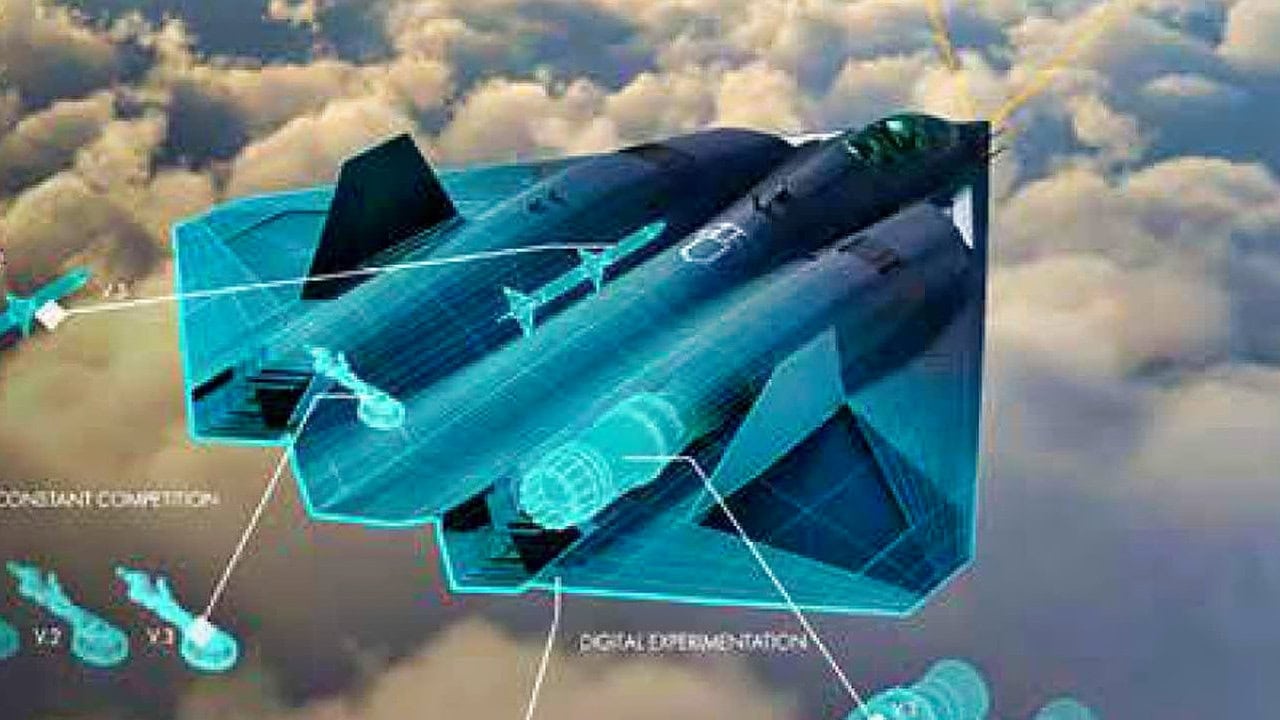
U.S. NGAD crewed fighter program
mediumF-47 is the U.S. Air Force's announced crewed NGAD platform under Boeing development, intended to succeed the F-22 air-dominance role.
F-47 NGAD is a future U.S. Air Force air-dominance aircraft rather than an operational fighter already in service. The Air Force announced on 21 March 2025 that Boeing had received the contract for the Next Generation Air Dominance platform, designated F-47. Congressional Research Service material frames NGAD as the Air Force effort to develop a next-generation fighter capability. The page should therefore present F-47 as a program and development platform, not as a fielded inventory item.
Section Sources
Air Force Awards Contract for Next Generation Air Dominance (NGAD) Platform, F-47U.S. Air Force • 2025 • production-equipment-content-2026-05-28: Air Force Awards Contract for Next Generation Air Dominance (NGAD) Platform, F-47U.S. Air Force Next Generation Air Dominance (NGAD) FighterCongressional Research Service • 2025 • production-equipment-content-2026-05-28: U.S. Air Force Next Generation Air Dominance (NGAD) Fighter

