MQ-25 Stingray

🇺🇸United States
Boeing
2021 – Present
Spotlight

The U.S. Navy's first carrier-based unmanned aircraft, built to refuel the air wing

MQ-25A Stingray First Flight (Boeing)

Watch on YouTube
Overview
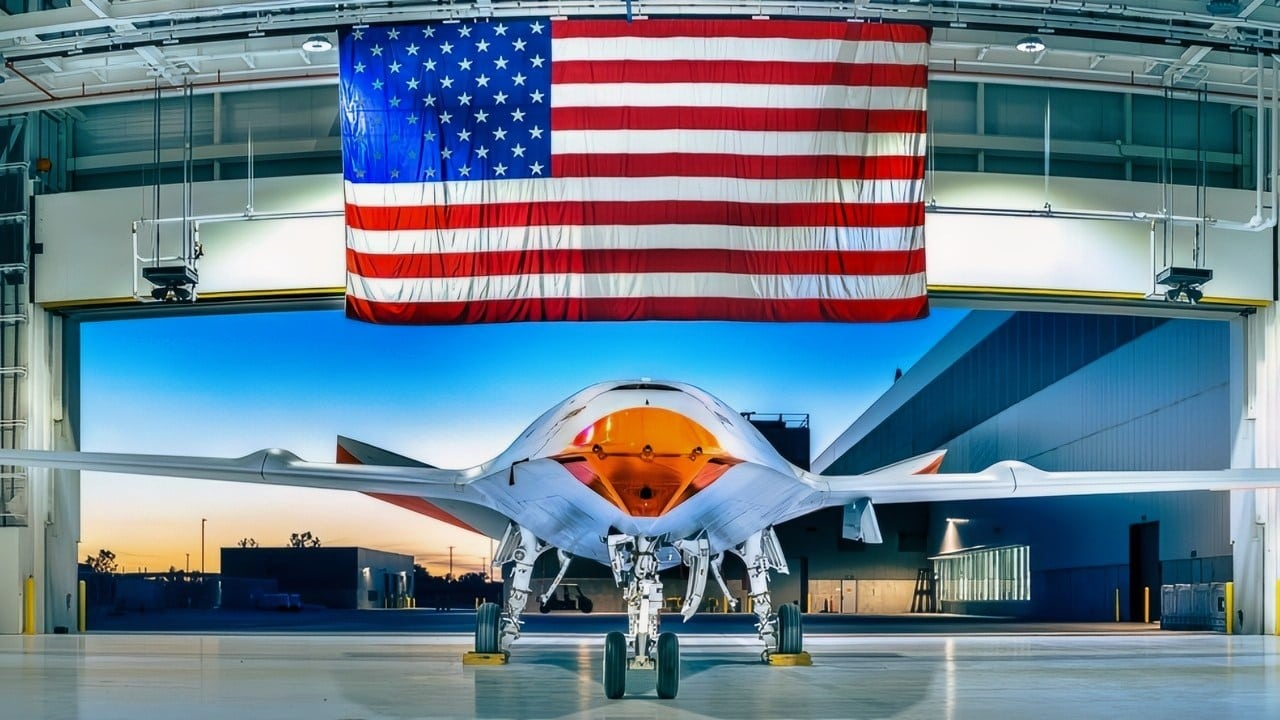
MQ-25 Stingray - Image 1
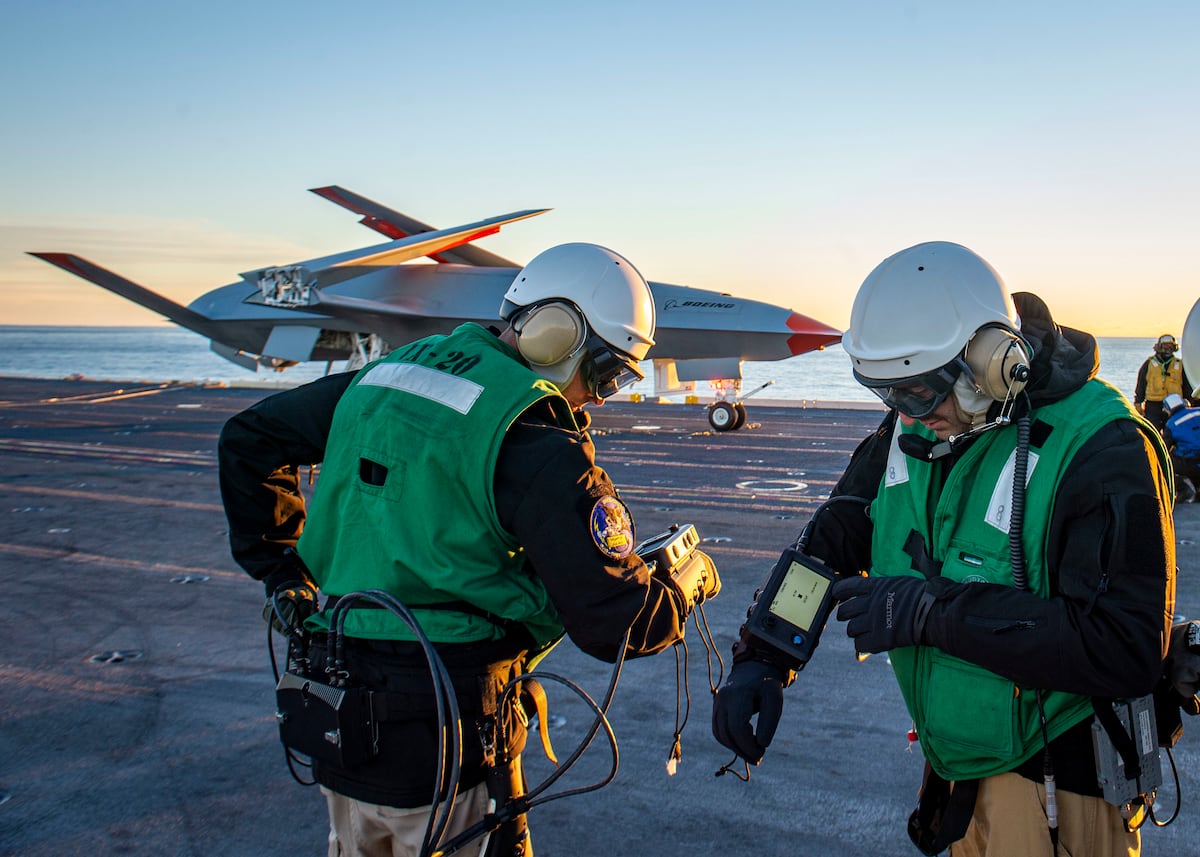
MQ-25 Stingray - Image 2
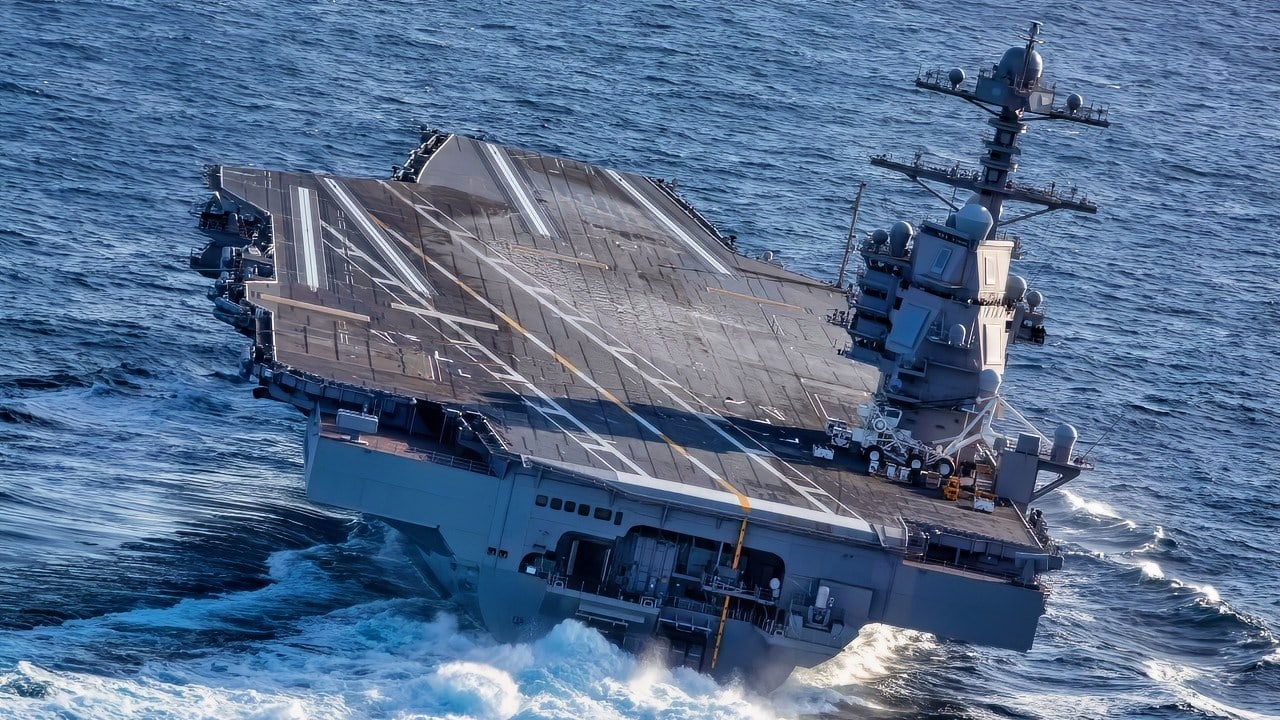
MQ-25 Stingray - Image 3
The MQ-25 Stingray is the U.S. Navy's first operational carrier-based unmanned aircraft, designed primarily for aerial refueling and equipped for intelligence, surveillance, and reconnaissance missions.
Specifications

General

ArmedNo
SensorsIntelligence, Surveillance, and Reconnaissance
Range Km930 km
Wingspan M22.9 m
Max Speed Kmh620 km/h
Service Ceiling M12,000 m
AutonomousYes

Other

Length M15.5 m (51 ft)
Unit Cost≈US$128.5 million per airframe (reported, FY2026–27 LRIP lots)
Ioc TargetQ2 FY2029 (planned)
Powerplant1 × Rolls-Royce AE 3007N turbofan, >44 kN (>10,000 lbf)
Fuel Offload≈7,250 kg (16,000 lb) at 930 km (500 nmi) — program design requirement
Control SystemUnmanned Carrier Aviation Mission Control System (UMCS) with MD-5 ground control station
Wingspan Folded M9.5 m (31.3 ft, wings folded for hangar stowage)
Planned Procurement76 aircraft — 9 test articles plus 67 production (planned)
Latest Developments
Sep 20, 2026strong signal
U.S. Navy wants a carrier-based unmanned fighter for $30 million

Entity 'MQ-25 Stingray' mentioned in report

Sep 17, 2026strong signal
Air Force contemplates unmanned tankers

The Navy announced on Thursday that the MQ-25, which first flew earlier this year, has received approval to enter low-rate production.

Sep 15, 2026strong signal
US Navy, Boeing ink first MQ-25A Stingray production contract

The MQ-25 program of record includes 67 operational aircraft and nine test aircraft.

Jul 15, 2026strong signal
The Navy's 1,000 Mile Drone Fighter Is a Carrier Survival Test

MQ-25 is designed to fly up to 500 nautical miles and offload more than 14,000 pounds of fuel to Super Hornets.

Jul 6, 2026strong signal
Pentagon's 12-Year Weapons Delay Is NATO's 2026 Problem

MQ-25 Stingray: The Navy's carrier-based unmanned refueling aircraft faces a 2.5-year delay to initial operational capability

Jul 5, 2026strong signal
China’s Missiles Now Outrange America’s Aircraft Carriers. The U.S. Navy Is Spending Billions to Reverse It

The MQ-25 Stingray, an unmanned carrier-based tanker expected to reach the fleet soon, is designed to extend the air wing’s reach by hundreds of miles, letting the carrier strike from farther out.

Jun 19, 2026strong signal
U.S. Navy Aircraft Carriers Have A Range Problem It May Not Be Able To Fix — And China Is Betting Everything On It

The new MQ-25 Stingray tanker drone is expected to reach initial operational capability later in 2026.

Jun 10, 2026strong signal
House appropriators release $1 trillion defense bill for FY27

The Navy would receive $771 million for three MQ-25 Stingray carrier-based tanker drones.

Featured Coverage
Research Notes

Carrier-based unmanned tanker

The Boeing MQ-25 Stingray is a carrier-based unmanned aircraft developed for the U.S. Navy, with aerial refueling as its primary mission. It is intended to extend the reach of carrier air wings by taking some tanking burden away from crewed F/A-18E/F Super Hornets.

Autonomous refueling from aircraft carriers

MQ-25 is designed to operate from aircraft carriers, integrate into carrier deck cycles, and refuel tactical aircraft. By moving tanking to an unmanned platform, the Navy can preserve fighter life, increase strike range, and experiment with autonomous aviation in the most demanding naval aviation environment.

Gateway to future carrier unmanned aviation

Although it is not a stealth strike aircraft, MQ-25 is strategically important because it normalizes unmanned carrier operations. Its success would give carrier air wings greater range and create operational experience for future autonomous surveillance, electronic warfare, or combat aircraft.

Key parameters at a glance

medium

The MQ-25A is still in low-rate initial production, so several figures below are program requirements or reported plans rather than demonstrated fleet performance.

Role
Carrier-based unmanned aerial refueling tanker, secondary ISR
Manufacturer
Boeing — final assembly at MidAmerica St. Louis Airport, Mascoutah, Illinois
Operator
U.S. Navy — first operational carrier-based unmanned aircraft
Length
15.5m (51 ft)
Wingspan
22.9m (9.5 m folded)
Powerplant
1 × Rolls-Royce AE 3007Nturbofan, >44 kN
Mission fuel offload
~7,250kg at 930 km (design requirement)
Control system
UMCS with MD-5 ground control station
Planned procurement
76aircraft (planned)
Initial operational capability
Q2 FY2029 (planned)

Program milestones

high

Publicly documented milestones from contract award through the 2026 production first flight.

2018-08Boeing wins the MQ-25 competition

The U.S. Navy awarded Boeing an $805 million engineering and manufacturing development contract for four MQ-25A aircraft, selecting it over Lockheed Martin and General Atomics.

2019-09T-1 demonstrator first flight

The company-funded T-1 demonstrator flew for the first time from MidAmerica St. Louis Airport, opening the flight-test campaign that preceded the production design.

2021-06First unmanned air-to-air refueling

T-1 passed fuel to an F/A-18F Super Hornet — the first time an unmanned aircraft refueled another aircraft in flight. The initial transfer was a token 325 lb (about 147 kg).

2021-09E-2D and F-35C refueled

T-1 extended the demonstration to an E-2D Advanced Hawkeye and an F-35C Lightning II, covering the three carrier air wing receiver types that matter most to the tanking mission.

2021-12Deck handling aboard USS George H.W. Bush

T-1 was taken aboard CVN-77 for deck-handling trials, validating that the airframe and its deck-handling interfaces fit carrier flight-deck and hangar workflows.

2026-03USS Theodore Roosevelt certified for MQ-25 operations

CVN-71 became the first carrier with a fully operational Unmanned Air Warfare Center — the shipboard space from which air vehicle operators will control Stingrays (reported). USS George H.W. Bush received the first such installation in 2024.

2026-04First flight of the first operational MQ-25A

The first production-representative aircraft flew for roughly two hours on 25 April 2026 from Mascoutah, Illinois, taxiing, taking off, flying and landing autonomously under UMCS commands. It had completed its first autonomous taxi tests in January 2026.

2026-05Milestone C and low-rate initial production

The Navy approved Milestone C on 20 May 2026, clearing the Stingray for low-rate initial production. Initial operational capability is now targeted for Q2 FY2029, having slipped from an original 2024 goal and an interim FY2027 target (planned).

Strategic significance

medium

The MQ-25's near-term value is prosaic but substantial: it removes the organic tanking burden from the Super Hornet fleet. Roughly a quarter to a third of Super Hornet sorties have been flown as buddy tankers, consuming airframe life on jets bought as strike fighters. Offloading about 16,000 lb of fuel at 500 nautical miles would let the carrier air wing recover those sorties and push its unrefueled reach outward — a direct response to the anti-ship missile threat that has pressed carriers to operate farther from contested coastlines.

The more consequential effect is institutional. Fielding the Stingray forces the Navy to build the shore and shipboard infrastructure for carrier-based unmanned aviation: the UMCS control architecture, the MD-5 ground stations, the Unmanned Air Warfare Centers now being installed on carriers, and the deck procedures and manning models that go with them. USS Theodore Roosevelt reaching operational UAWC status in 2026 matters less as a tanker milestone than as the first fully worked example of that arrangement, and later carrier-based uncrewed types would inherit it.

The schedule remains the principal caveat. IOC has moved from 2024 to FY2027 and now to Q2 FY2029, and only the first production-representative aircraft has flown; carrier suitability testing, catapult and arrestment trials, and fleet integration all lie ahead. Reported interest in later ISR or strike configurations, including anti-ship missile carriage, is plausible given the airframe's fuel fraction and endurance but is not currently a funded requirement, and should be read as potential rather than plan.

Videos

MQ-25 Becomes First Unmanned Aircraft to Refuel Another Aircraft (Boeing)

Watch on YouTube

MQ-25 Completes First U.S. Navy Carrier Deck Tests (Boeing)

Watch on YouTube

MQ-25A Stingray Unmanned Tanker Completes Taxi Testing (Hunt Weapons Bureau, Bilibili)

Watch on Bilibili
Sources & References
Related Discussions

No discussions about MQ-25 Stingray yet

Start the first discussion