

The B-2 Spirit stealth bomber’s production run was cut short after just 21 bombers were built, and some are wondering whether the B-21 Raider will suffer the same fate.
The U.S. Air Force originally intended to buy 132 B-2 bombers, but that number was reduced to 75 before ultimately being cut down to just 21.
However, that decision wasn’t made in a vacuum, and it didn’t affect only the B-2 program.
The B-2 program, which would produce the world’s first stealth bomber, kicked off in 1979, when the Cold War was still in full swing.
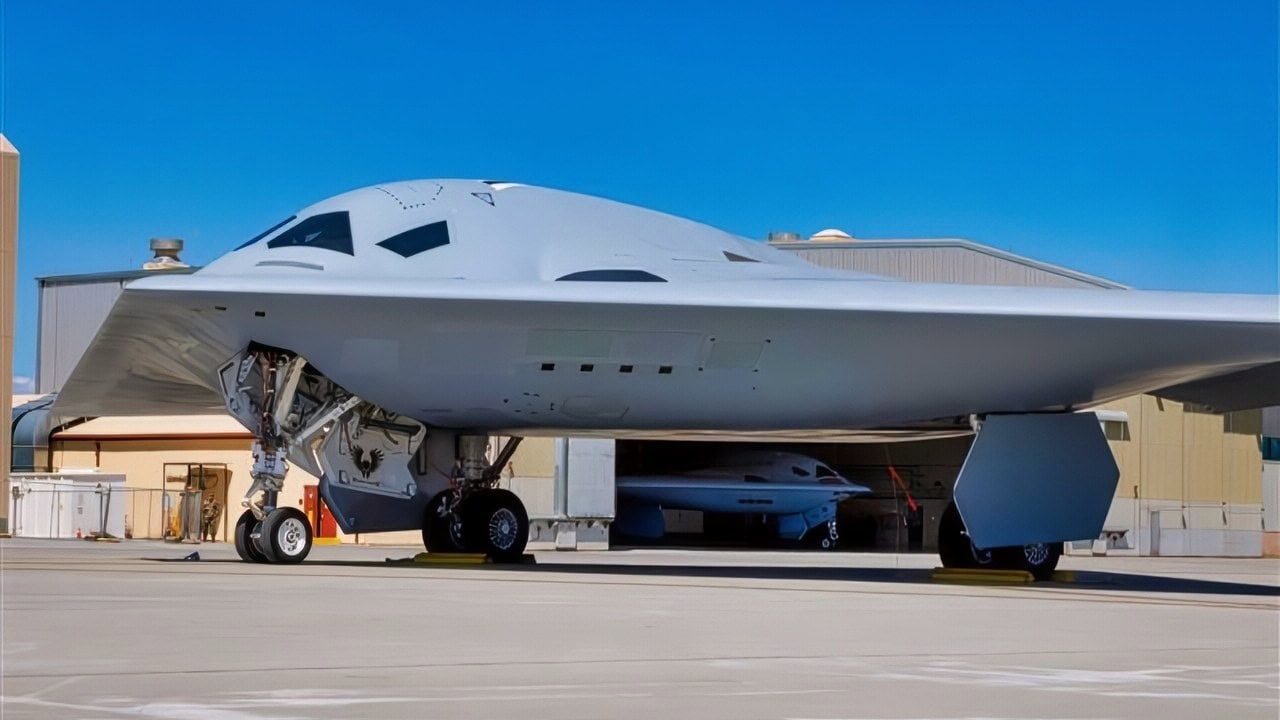
A second B-21 Raider, the world’s sixth-generation stealth bomber, test aircraft arrives at Edwards Air Force Base, Calif., Sept. 11, 2025. The addition of the second test aircraft expands mission systems and weapons integration testing, advancing the program toward operational readiness. (Courtesy photo)
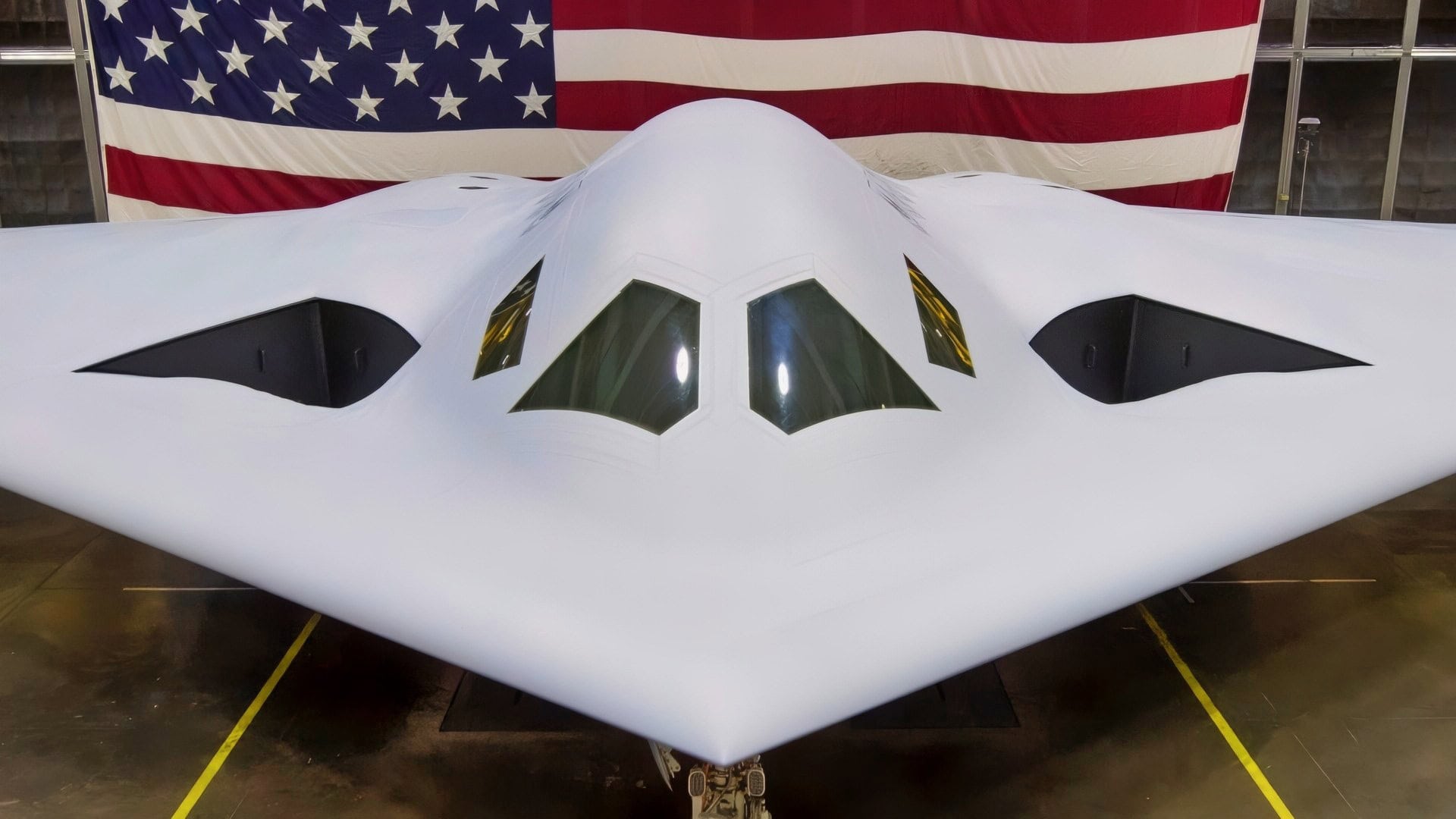
The B-21 Raider was unveiled to the public at a ceremony Dec. 2, 2022 in Palmdale, Calif. The B-21 will provide survivable, long-range, penetrating strike capabilities to deter aggression and strategic attacks against the United States, allies, and partners. (U.S. Air Force photo)
After competing with Lockheed Martin’s proposal, Northrop Grumman won the contract to start building these stealth bombers in 1981.
The first production representative prototype B-2 took off for the first time in 1989.
By then, it was clear the B-2 would cost much more than originally planned, so the total number of bombers was cut to 75. Nevertheless, the looming threat of the Soviet Union still made it a worthwhile investment.
Then, on December 26, 1991, the geopolitical landscape was uprooted when the world’s second superpower, the once-mighty Soviet Union, collapsed under the weight of its own failing economic model.
And that same year, a U.S.-led coalition utterly dominated Iraq, the fifth-largest military in the world at the time.
Almost overnight, the United States went from competing with a near-peer adversary bent on its destruction to being the sole superpower on the planet.
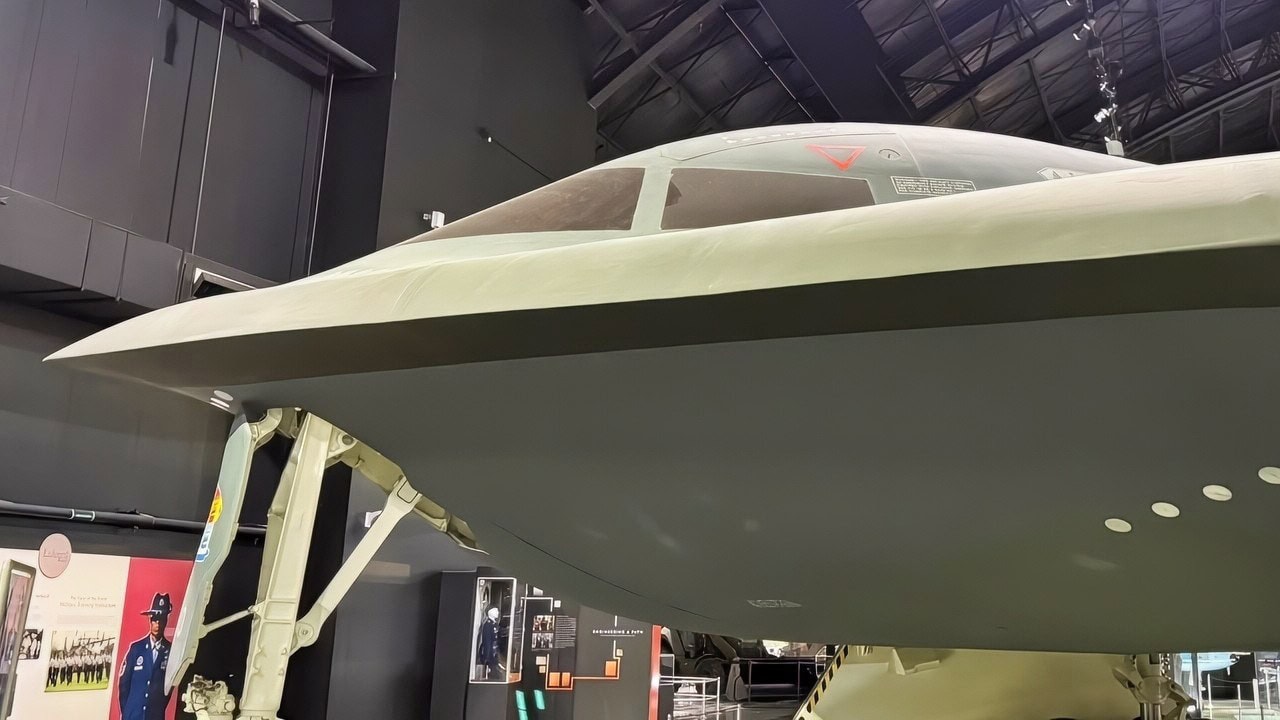
B-2 Spirit Stealth Bomber 19FortyFive Image. Taken By Harry J. Kazianis at U.S. Air Force Museum in 2025.
The American military was so advanced and capable that no other country could compete against it, and many lawmakers believed that this state of affairs would likely last for a while. So, as a result, they started looking for what we now call a “peace dividend,” or a massive reduction in Defense spending, since some programs were now deemed unnecessary in the absence of a near-peer adversary.
So, in 1992, the B-2 program was slashed to just 21 bombers – and it wasn’t alone. Congress also halted production on the incredibly advanced and capable Seawolf submarine, going from an intended fleet of 29 down to the three we have today.
As time pressed on, the same would happen to the F-22 Raptor.
By midway through the 1990s, America’s 51 prime defense contractors had shrunk to just five, while the military shrank right alongside them. By the close of the decade, the U.S. military had shrunk by about 33%, reducing the force by about 700,000 troops.
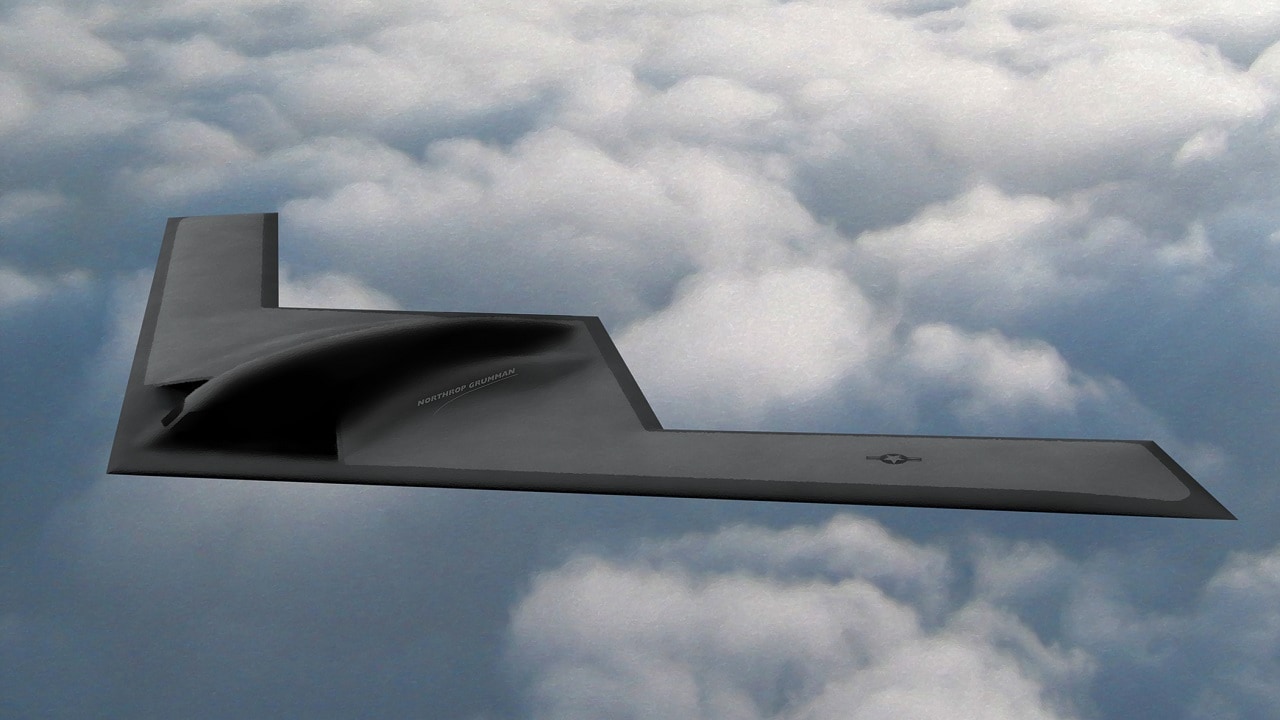
B-21 Raider bomber. Image Credit: Creative Commons.
Overall, in 1992, when the B-2 program was slashed, it was because there were no near-peer adversaries to worry about. Therefore, the same fate will not likely befall the B-21 Raider because a rising China and a belligerent Russia make today’s geopolitical environment more turbulent than that of the early 1990s.
About the Author: Alex Hollings
Alex Hollings is the editor of the Sandboxx blog and a former U.S. Marine that writes about defense policy and technology. He lives with his wife and daughter in Georgia.