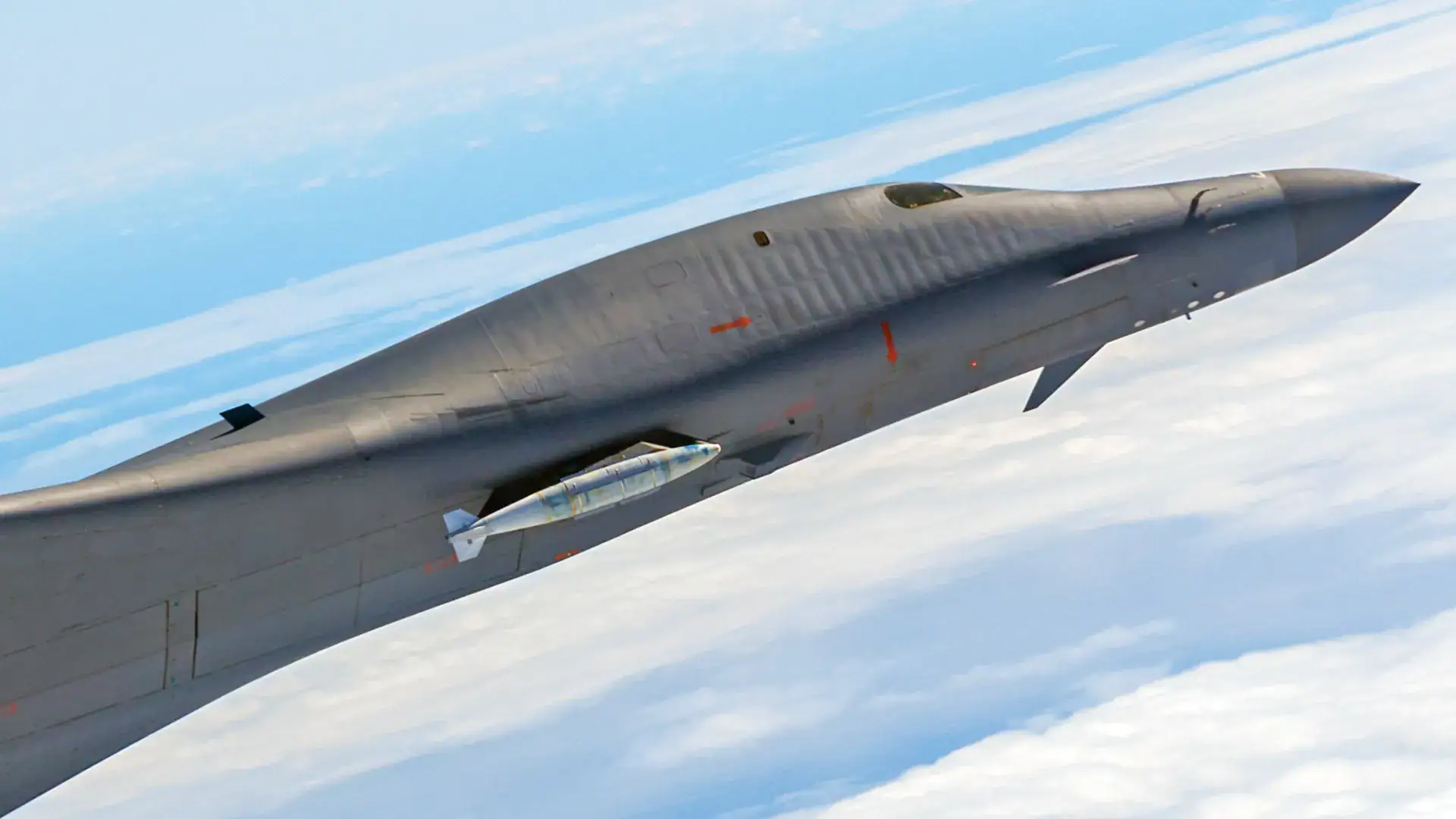
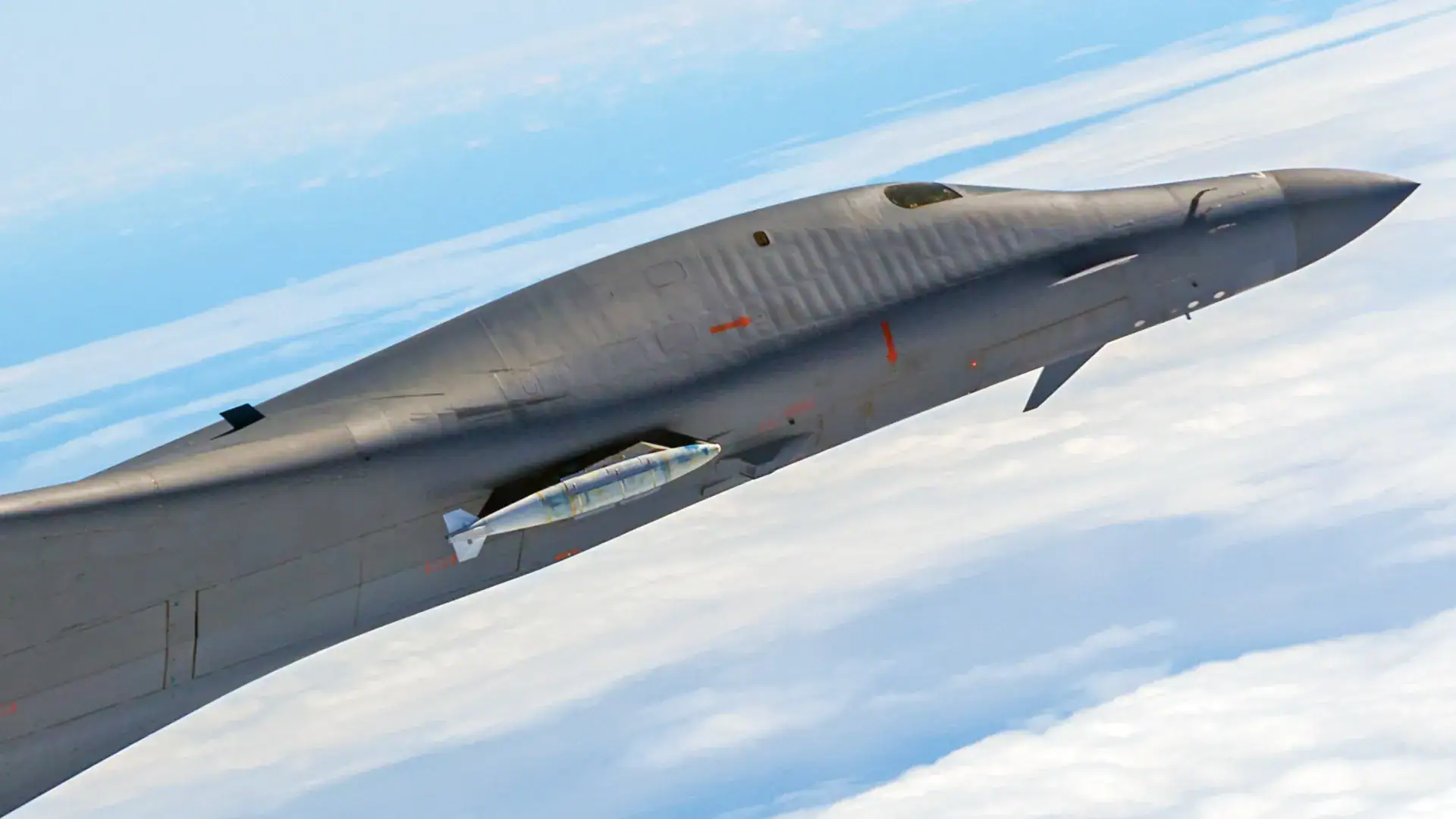
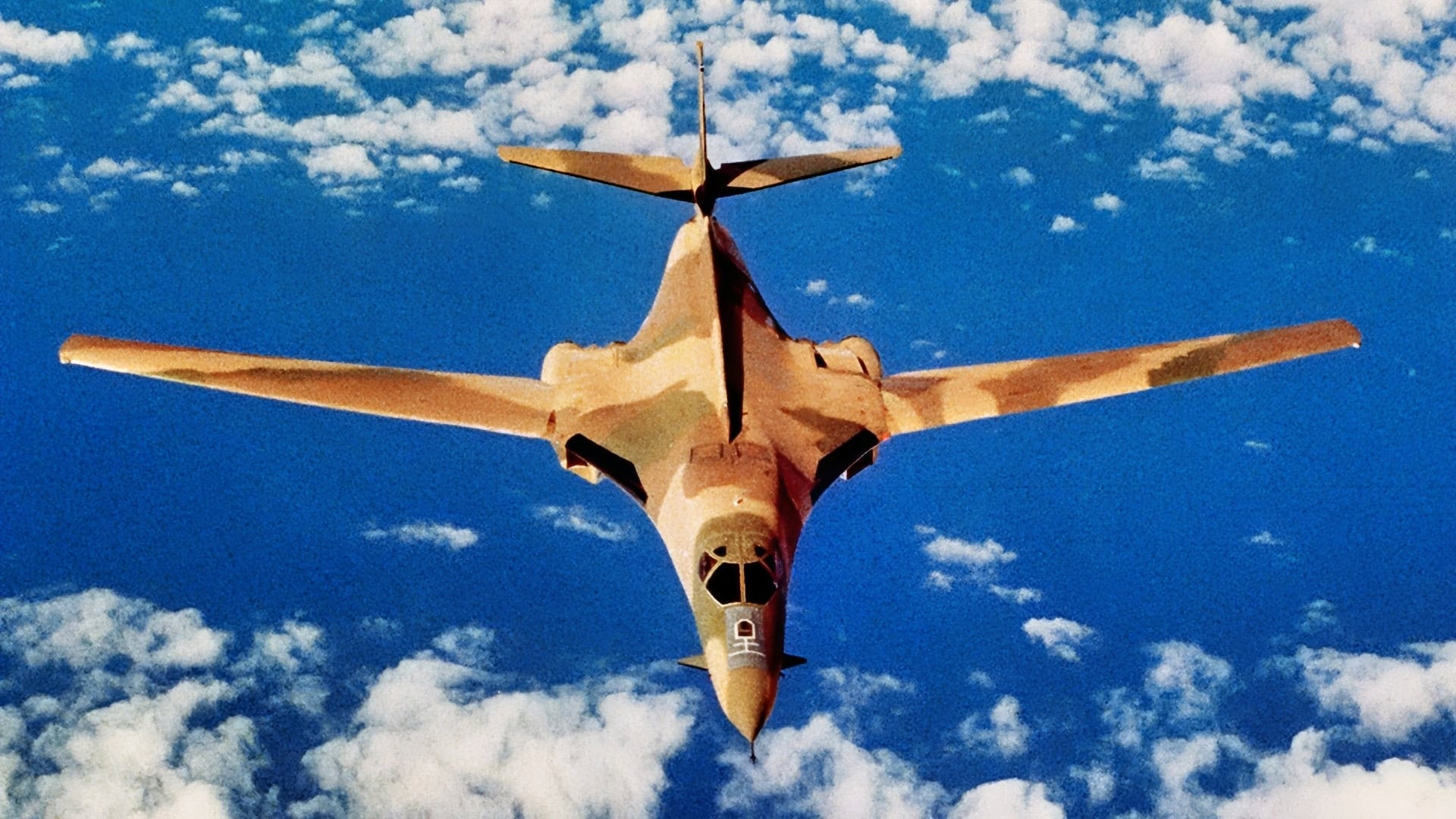
The B-21 Raider is the centerpiece of the U.S. Air Force's bomber recapitalization, intended to replace the B-1B and B-2 fleets and, alongside modernized B-52s, form a two-type bomber force. As a dual-capable penetrating strike aircraft, it anchors the air-breathing leg of the U.S. nuclear triad while also serving conventional long-range strike, a combination that gives it outsized weight in U.S. deterrence posture relative to its fleet size.
Compared with the B-2, the B-21 is smaller and reportedly trades some payload for lower observability across a broader frequency range, open-architecture mission systems, and a design explicitly optimized for sustainment and upgradability. Program officials have also described it as a node in a wider sensing and strike network rather than a standalone platform. Most performance parameters remain classified, so open-source comparisons with the B-2 or with foreign programs such as China's H-20 should be treated as provisional.
The program's execution record — an on-schedule unveiling, first flight, and entry into low-rate production, followed by a funded 25 percent production acceleration in 2026 — is unusual for a major U.S. defense acquisition, though Northrop has absorbed losses on early production lots. If fielding at Ellsworth AFB proceeds as projected around 2027, the B-21 would give Washington a growing penetrating-strike capability at a time when peer air defenses are the pacing challenge; its ultimate strategic impact will depend on fleet size decisions between the 100-aircraft floor and the larger totals under discussion.