

The US Air Force is accelerating production prep for its next-generation B-21 Raider stealth bomber, with a major new manufacturing facility now under construction.
Northrop Grumman broke ground on a new facility in Palmdale, California, on September 29, and the Air Force announced the development on October 6.
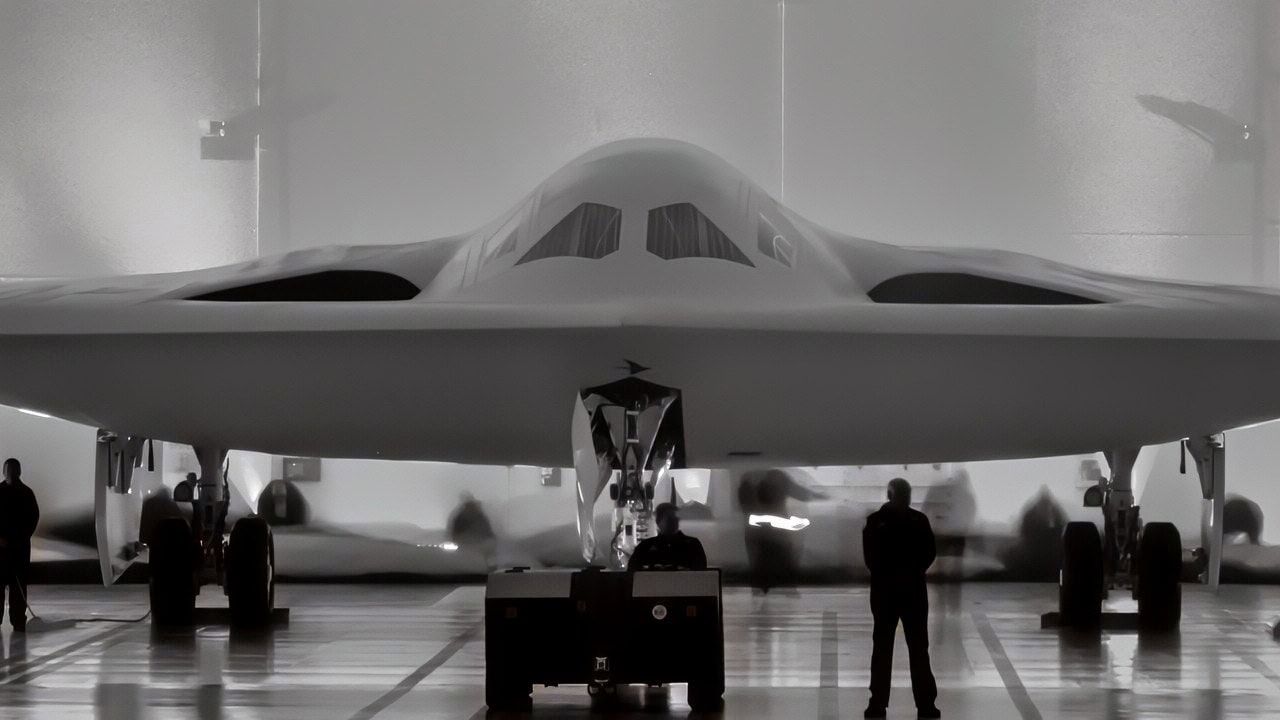
A B-21 Raider is unveiled at Northrop Grumman’s manufacturing facility on Air Force Plant 42 in Palmdale, California, Dec. 2, 2022. The B-21 will be a long-range, highly survivable, penetrating strike stealth bomber capable of delivering both conventional and nuclear munitions. (U.S. Air Force photo by Airman 1st Class Joshua M. Carroll)
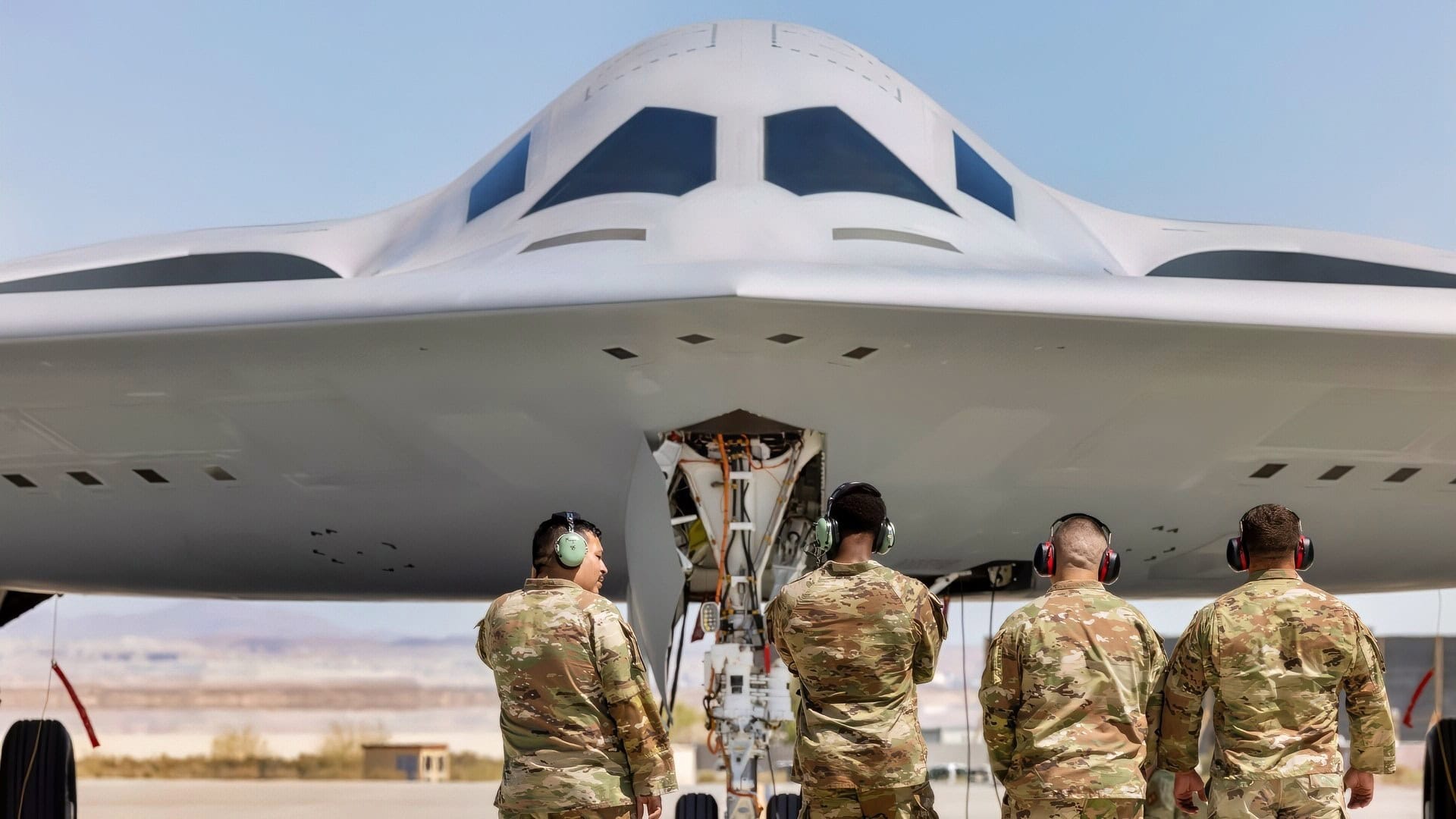
U.S. Air Force Airmen with the 912th Aircraft Maintenance Squadron prepare to recover the second B-21 Raider to arrive for test and evaluation at Edwards AFB, Calif., Sept. 11, 2025. The arrival of a second test aircraft provides maintainers valuable hands-on experience with tools, data and processes that will support future operational squadrons. (U.S Air Force photo by Kyle Brasier)
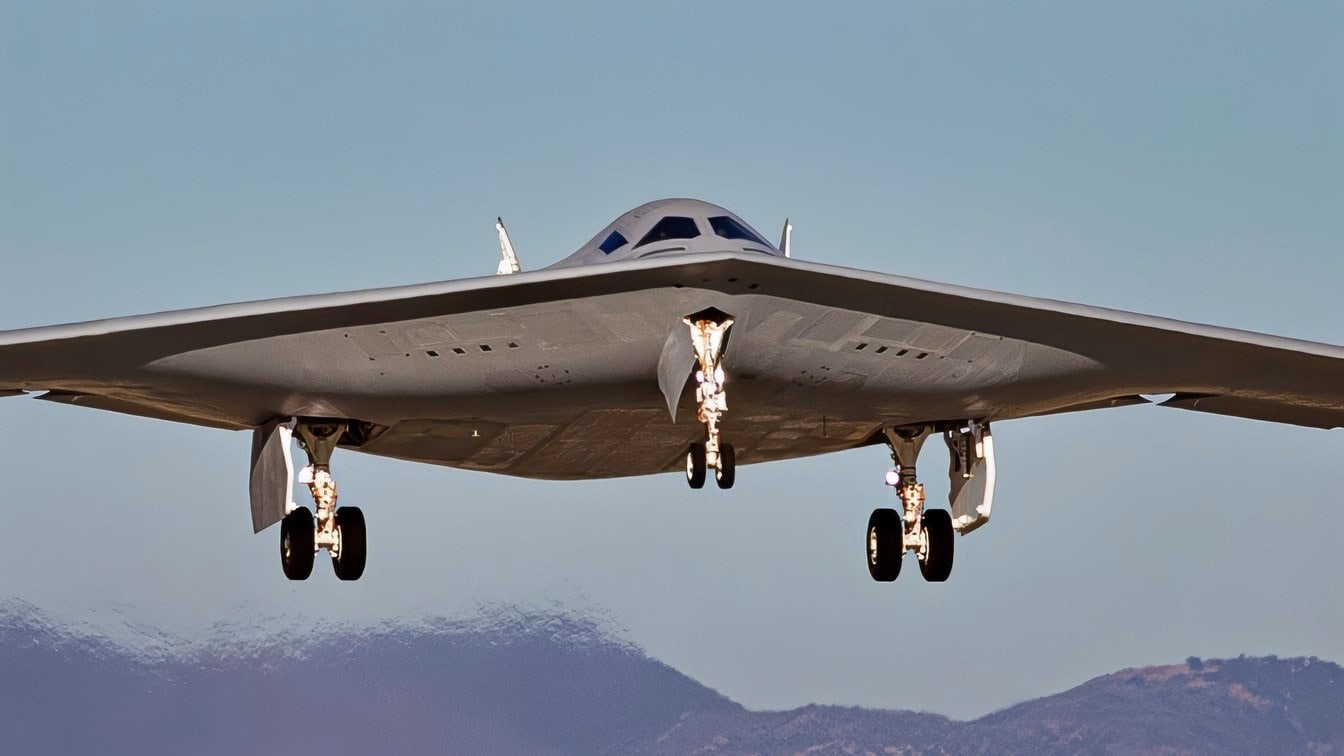
A second B-21 Raider test aircraft takes off, Sept. 11, from Palmdale, Calif., to join the Air Force’s flight test campaign at Edwards Air Force Base, Calif. The addition of the second test aircraft expands mission systems and weapons integration testing, advancing the program toward operational readiness. (Courtesy photo)
The expansion comes as B-21 flight testing continues at nearby Edwards Air Force Base.
According to Air & Space Forces Magazine, Air Force officials remain optimistic about the bomber’s progress toward a planned 2027 introduction.
This expansion signals that the Air Force is preparing to produce and introduce the bomber faster.
One Million Square Feet
Northrop Grumman already builds the B-21 at Air Force Plant 42 in Palmdale. But the new construction will provide approximately 1,000,000 square feet of production space, which Air Force officials identified as the bomber’s new final assembly line.
The expansion is intended to increase manufacturing throughput and support wider deliveries to the Air Force.
This is consistent with an Air Force and Northrop agreement from last February to increase B-21 production capacity by 25 percent.
The program’s financial commitments include $4.5 billion in federal funding from legislation passed in 2025 and $2.5 billion in Northrop Grumman investment.
Together, the funding totals $7 billion, much of which will expand the necessary infrastructure, workforce, and manufacturing capacity.
Flight Testing Underway
While manufacturing expands in Palmdale, flight testing continues less than 30 miles away at Edwards Air Force Base. The B-21 first flew in November 2023, and at least two B-21 aircraft are publicly known to be undergoing testing.
Brigadier General Mark Massaro, commander of Air Force Test Center, expressed confidence in the program at an October 6 Mitchell Institute discussion.
Massaro said the Air Force is actively testing and that he receives regular program updates.
However, Massaro declined to disclose detailed performance or specific test results.
Still, officials seem confident that the B-21 could make its operational debut in 2027.
Integrated Testing
The Air Force has taken a different approach to flight testing with the B-21, emphasizing integrated testing.
Traditionally, development testing confirms whether aircraft and systems perform as designed, while operational testing assesses effectiveness and suitability for actual military missions.
But the B-21 program brings development and operational test personnel together earlier for integrated testing, helping identify operational problems sooner, influence system design before changes become more expensive, refine tactics and employment concepts, and potentially reduce delays between development and fielding.
This integrated testing concept reflects the Air Force’s urgent push to get the B-21 into operational service.
Integrated testing is not a magic bullet that eliminates the need to validate the aircraft’s performance and reliability.
The testing is still thorough.
How Many B-21s?
Much debate centers around exactly how many B-21 aircraft the Air Force will procure.
The official B-21 program statement says the Air Force will procure at least 100 aircraft, but some defense officials increasingly suggest 100 may be insufficient.
If the Air Force wants more than 100 B-21s, it will need to expand manufacturing.
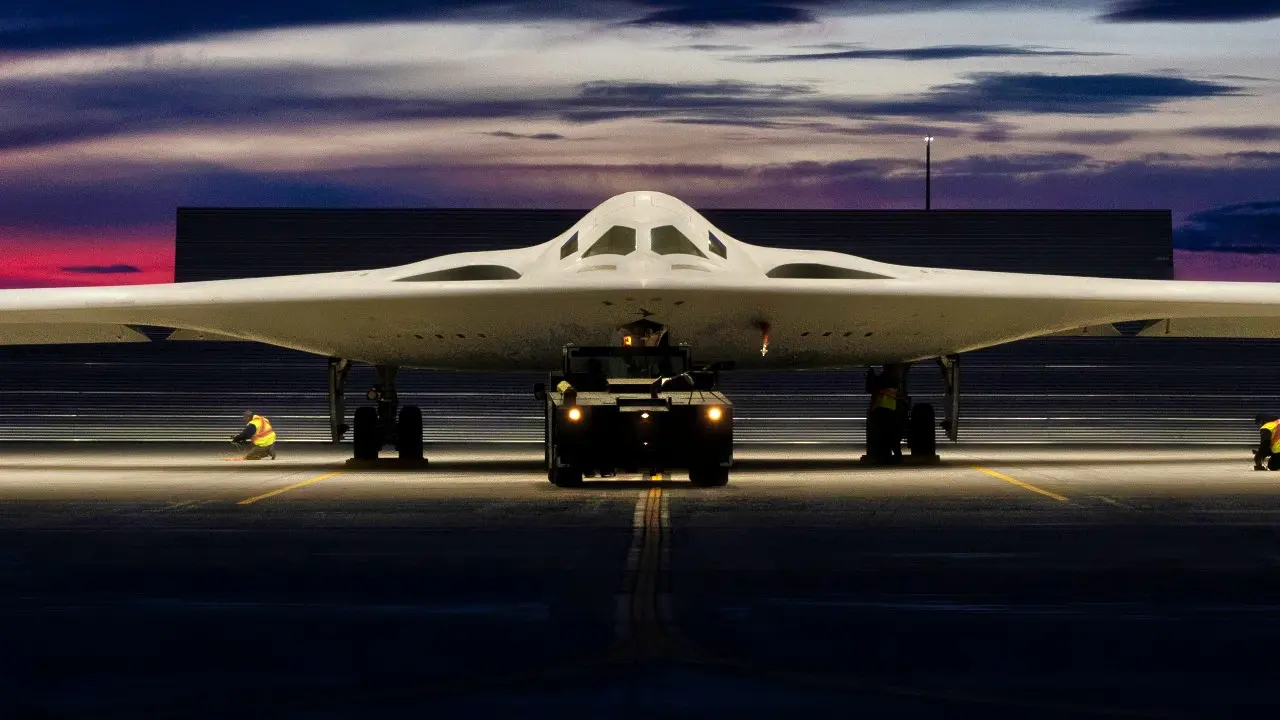
B-21 Raider Stealth Bomber.
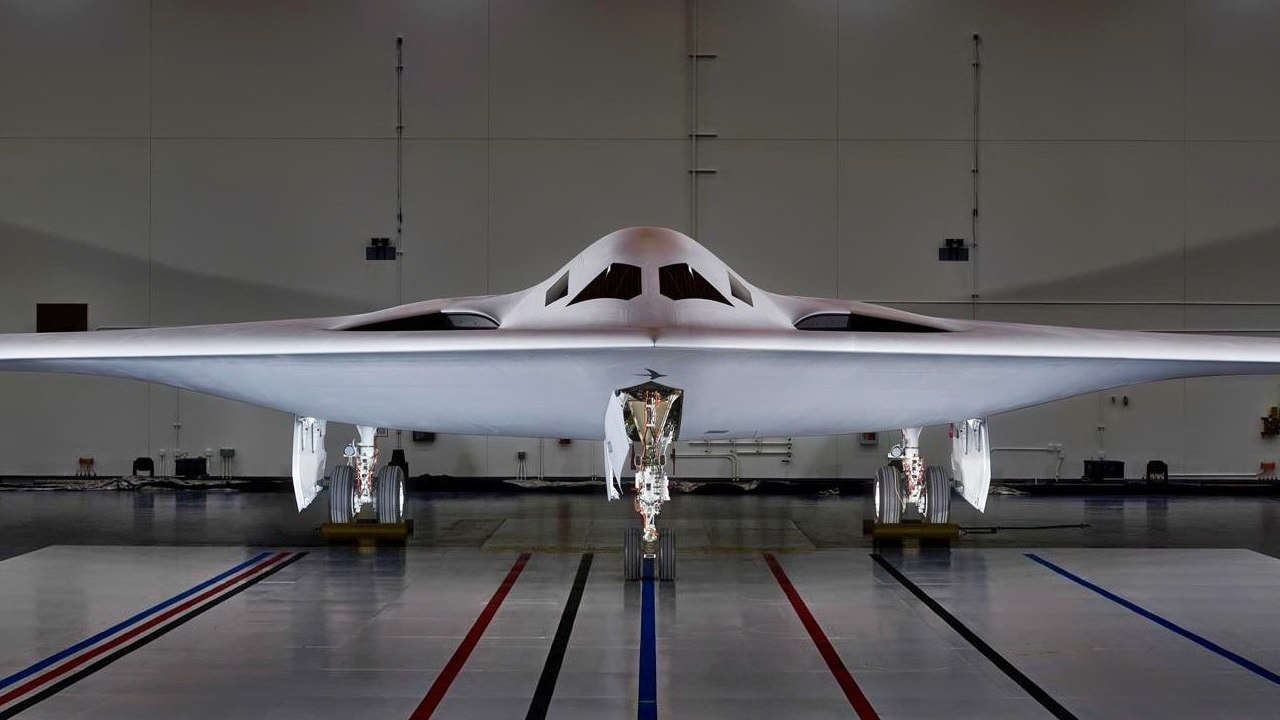
B-21 Raider Bomber U.S. Air Force.
Faster production will obviously allow a larger total fleet without drastically delaying deliveries.
But no one has formally committed to purchasing more than 100 B-21s.
Production Speed Matters
Strategic bombers are complicated machines.
They are complex and expensive to manufacture, and low production rates can stretch procurement across decades.
Delays create risks: older bombers must remain operational longer, modernization costs rise, capability gaps may persist, and industrial expertise can become hard to sustain.
Expanding factory capacity now suggests the Pentagon wants to avoid later bottlenecks.

B-21. Image Credit: Northrop Grumman
But increased manufacturing capacity doesn’t automatically translate into immediate deliveries. Instead, supply chains, workforce training, testing, and funding must keep pace to keep deliveries on schedule.
And of course, accelerating production must not compromise finished-product quality.
Regardless, the B-21 appears to be moving from development toward operational service as the industrial base expands to build more aircraft faster.
About the Author: Harrison Kass
Harrison Kass is a writer and attorney focused on national security, technology, and political culture. His work has appeared in Tablet, City Journal, The Hill, The Spectator, and The Cipher Brief. He holds a JD from the University of Oregon and a master’s in Global & Joint Program Studies from NYU—more at harrisonkass.com.