
U.S. Approval of Patriot Reforms and Javelin Shipments to Middle Eastern Partners in 2026 Reveals Limits of Gulf Independence
 Ahmed Al-Rashid
U.S. Approval of Patriot Upgrades and Javelin Shipments for Middle Eastern Partners in 2026 Reveals Limits of Gulf Independence
On October 5, 2026, Washington approved a new package for Middle Eastern partners that includes missile guidance equipment, upgrades for Patriot systems, and Javelin anti-tank missiles. While this approval may seem like a technical news item about spare parts and munitions, it actually reveals something deeper than the sales volume: Gulf countries can purchase the system, but they still need the United States to keep the system operational when combat begins.
What the U.S. Package Actually Offers
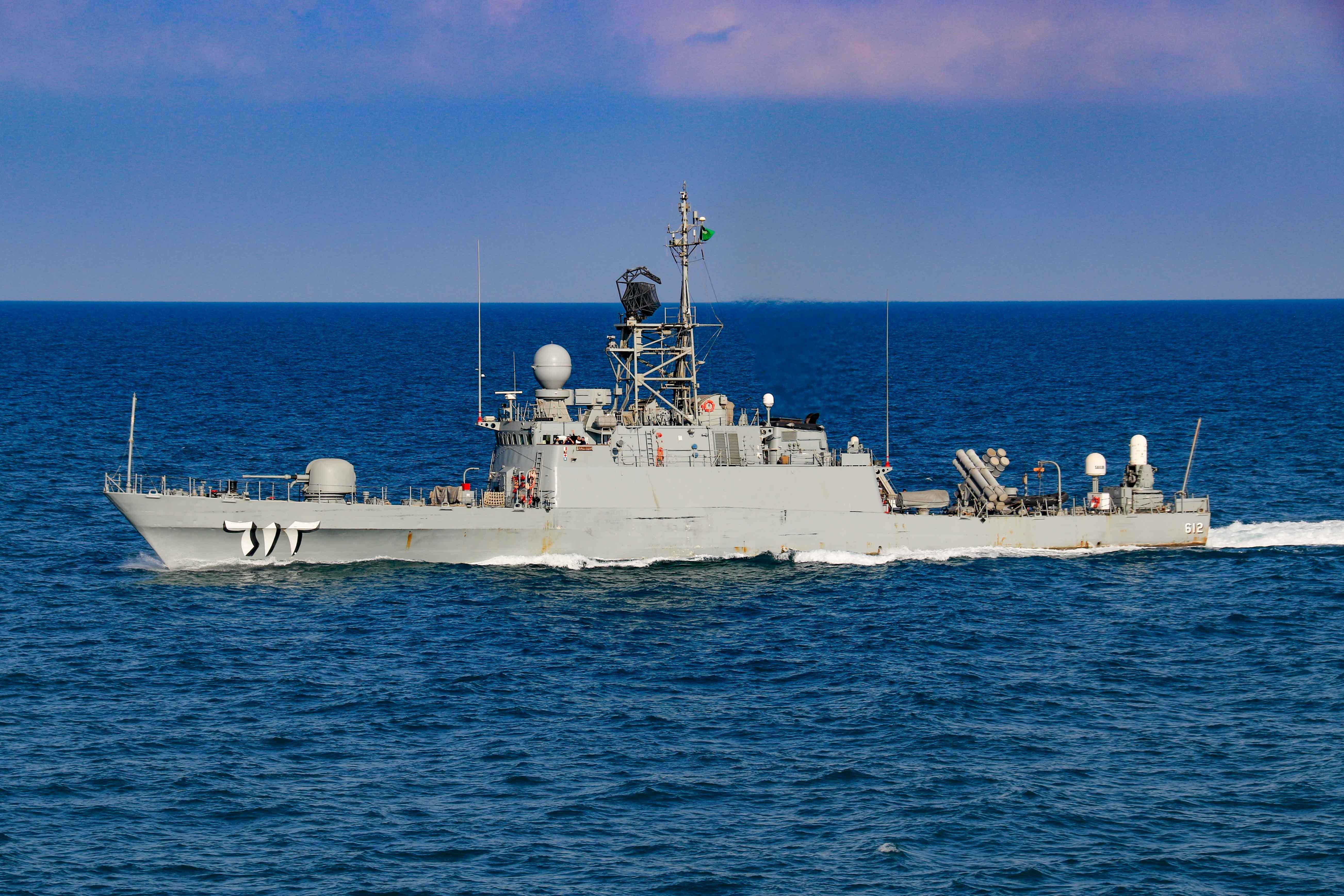
The package consists of three interconnected levels. The first is the repair of Patriot missiles and their equipment, which is critical because air defense is not measured by the number of launchers in storage, but by readiness rates, resupply speed, and the ability of operations rooms to function continuously. The second is guidance equipment that enhances the accuracy of munitions and allows their use against moving or protected targets. The third level, the Javelin, pertains to close ground defense and countering armored vehicles, but it also sends a political message that Washington is not selling a "single weapon" but is rebuilding a complete security network around its partners.
Open sources have not published unified numbers for each beneficiary country of the package, so it is important to avoid turning the approval into a massive deal specifically for Saudi Arabia or the UAE. What is certain is the trend: Washington is compensating for consumption, refilling stocks, and linking maintenance, guidance, and training to the American supplier. This is different from announcing the purchase of a new platform; it is support for the continuation of an existing structure.
Patriot Between Interception and Dependence
Militarily, the Patriot is a powerful system, but it is not a magic shield. It requires continuously operating radars, an early warning network, precise discrimination between missiles and drones, and a crew capable of making decisions within seconds. It also needs a stock of interceptors and a maintenance rotation plan. Any military personnel who have served in the region know that a small failure in the supply chain can turn the most expensive battery into a static site with no impact.
Here lies the old Gulf problem. Countries have spent enormous amounts on equipment, but they have not yet achieved full independence in training, software, deep repairs, and battle management. When Riyadh or Abu Dhabi requests Patriot repairs from the United States, they are not just buying metal; they are buying time, decision-making, and technical expertise. In a prolonged crisis, this dependence becomes a political pressure point, regardless of the level of friendship between governments.
A weapon that cannot be operated and repaired locally gives its owner power in peacetime, but it gives the supplier leverage in wartime.
Why the Approval Comes Now
The package comes amid rising talk of Iranian missile and drone threats, and the ongoing danger posed by the Houthis to Saudi Arabia and maritime routes. It also coincided with reports of Saudi, Turkish, and Pakistani moves to activate the commitments of the Mecca Agreement for collective defense. These developments reflect a genuine Gulf concern, but they also reveal a contradiction: countries in the region want more independent collective defense arrangements while relying more than ever on American munitions and spare parts.
From Washington's perspective, the sales serve two purposes. They prevent the collapse of partner defenses after attrition and ensure that Gulf operations remain compatible with American networks in command and control. From the perspective of Arab capitals, they are a quick means to bridge a gap that cannot be closed in months through local training. But speed comes at a price; urgent needs turn into long-term contracts tied to American stock, export approvals, and foreign engineers.
The Impact on the Regional Balance of Power
This package will not give Saudi Arabia a decisive advantage over Iran, nor will it eliminate the Houthis' ability to launch low-cost attacks. The value of the Patriot lies in reducing losses and protecting airports, facilities, and energy, not in removing the threat from its roots. The Javelin enhances ground defense, but it does not solve the problem of drones or ballistic missiles that exceed the logic of infantry weapons.
Most importantly, the rehabilitation of American systems could push Gulf countries toward better coordination if data and radars are used in a shared regional network. However, if each country continues to manage its batteries as separate islands, purchases will remain expensive and the outcome limited. Modern air defense is a collective capability before it is a list of equipment.
The Triad Capability is the Real Test
I measure any defense deal through a simple triangle of equipment, training, and institutions. The equipment is available, training can be purchased, but the unified institution that links warning to decision-making and resupply remains the weakest link. It is not enough for Saudi Arabia to have the Patriot and for the UAE to buy another system; a common doctrine, real exercises under pressure, distributed stocks, and maintenance teams capable of operating without waiting for an American cargo plane are required.
The October approval proves that the U.S.-Gulf defense relationship has not fundamentally changed. Riyadh can diversify its partnerships with Turkey and Pakistan, and it can purchase equipment from Europe and Asia, but the backbone of air defense and precision munitions remains American. Here lies the paradox that political data cannot resolve: the more capitals talk about independence, the more the maintenance bill reveals the extent of dependence. In war, it is not the state with the largest weapons catalog that wins, but the one that can keep it operational when routes are cut and options narrow.
Sources
- Breaking Defense, October 5, 2026, report on U.S. approval of guidance equipment and Patriot and Javelin upgrades for Middle Eastern partners.
- The Jerusalem Post, October 6, 2026, report on Saudi, Turkish, and Pakistani moves to activate the collective defense agreement.
- The National Interest, October 7, 2026, analysis of Gulf security dependence on American air defense.
- Open U.S. military export data and reports on Saudi-U.S. air cooperation.
On October 5, 2026, the U.S. approved a military aid package for Middle Eastern partners, including repairs for Patriot missile systems and shipments of Javelin missiles. This decision underscores the ongoing military dependence of Gulf states on U.S. support amid rising threats from Iranian missiles and drones. The aid package aims to maintain operational readiness and enhance regional defense capabilities.
- U.S. approved a military aid package for Middle Eastern partners on October 5, 2026.
- The package includes repairs for Patriot missile systems and shipments of Javelin missiles.
- The aid reflects ongoing military dependence of Gulf states on U.S. support.
- The approval comes amid rising threats from Iranian missiles and drones.
- The relationship between U.S. and Gulf states remains crucial for regional defense.