
2026 PLA Military Doctors Focus on Drone Injuries: Ukrainian Battlefield Experience is Redefining Battlefield Medical Care
 Li Minghui
2026 PLA Military Doctors Focus on Drone Injuries, Ukrainian Battlefield Experience is Redefining Battlefield Medical Care
A study published on September 22 caught my attention: Chinese military doctors have begun to openly discuss the numerous drone-related injuries on the Ukrainian battlefield and indicated that relevant medical capabilities have made progress. The news itself does not equate to the PLA having completed reforms in battlefield medical systems, but it reveals an important change—drones are no longer just a topic for the equipment department; they are also entering the core agenda of military casualty statistics, hemorrhage control, evacuation, and hospital preparedness.
Changes in Injury Patterns Observed from the Russia-Ukraine Battlefield
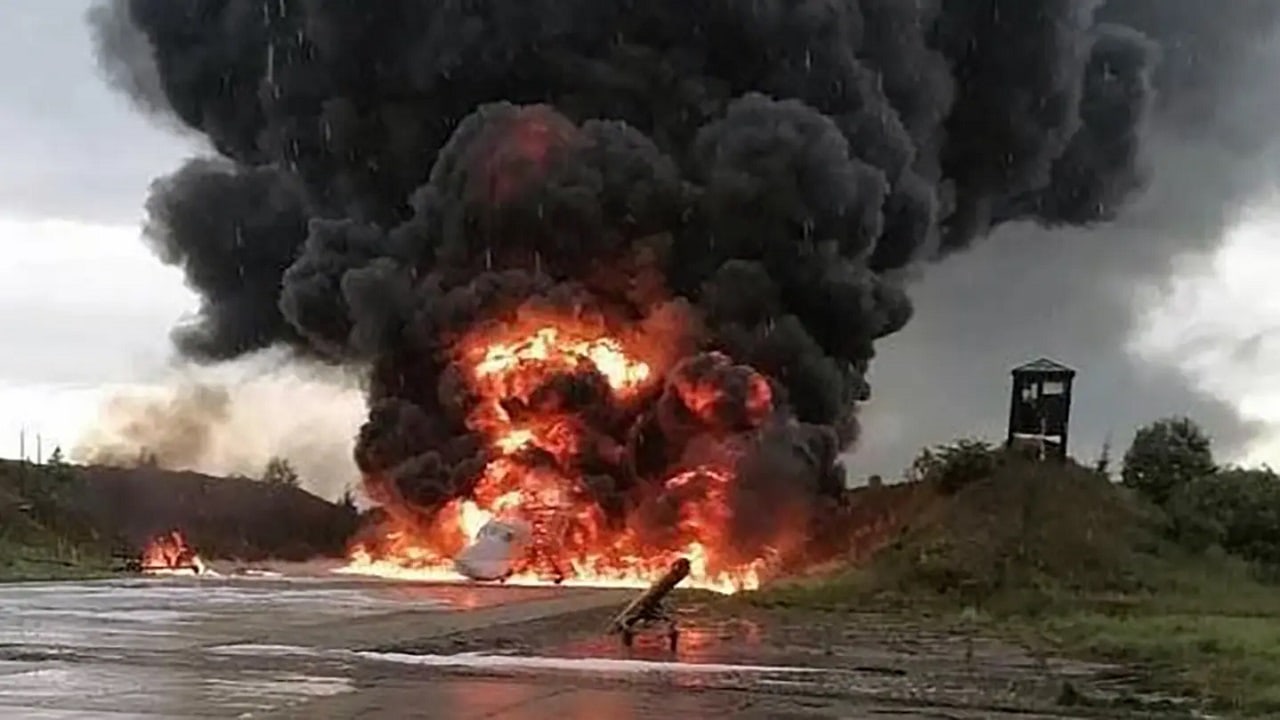
Public reports did not provide a complete number of cases nor specify which unit these studies correspond to, so specific conclusions remain to be confirmed. However, the Russia-Ukraine war has repeatedly demonstrated that FPV drones, loitering munitions, and small drop drones have pushed the "front line" to transportation nodes, artillery positions, and even evacuation routes. Casualties may simultaneously face shrapnel wounds, burns, crush injuries, and hemorrhagic shock, making the traditional "concentrated evacuation after the battle" model difficult to maintain.
This presents specific demands on military doctors: teams must complete hemorrhage control and airway management within minutes, and medics at the company level must be able to evacuate casualties under continuous reconnaissance and attacks, while evacuation vehicles must minimize heat sources, radio emissions, and physical exposure. In short, drones are changing not just the types of wounds but the entire timeline of the medical treatment chain.
The PLA Needs to Address More than Just a Technology
In the past, the PLA has incorporated drones into reconnaissance, fire guidance, and battlefield communication systems, but public information on the medical side is relatively scarce. If military medical research indeed uses the Ukrainian case as an important sample, the next steps will likely include portable ultrasound and blood transfusion equipment, distributed field surgical units, camouflage and mobility under drone threats, and incorporating real training injury data into wargaming and exercise evaluations.
- Front end: Improve the speed of hemorrhage control, fluid infusion, and casualty classification to reduce secondary deaths caused by waiting for evacuation.
- Mid-end: Create a multi-layered evacuation network with armored ambulances, transport aircraft, and unmanned transport platforms.
- Back end: Accumulate experience in complex trauma, infection control, and rehabilitation through large hospitals and regional medical centers.
The most easily overlooked issue here is the production capacity. Advanced equipment can be procured, but the real challenge is whether it can be distributed on a large scale, continuously supplied with consumables, and whether frontline personnel can repeatedly train under high-pressure conditions. A solution that is only effective in the military general hospital has limited utility in high-intensity conflicts.
Real Implications in the Taiwan Strait Scenario
The Taiwan Strait and its surrounding islands imply more complex maritime and aerial evacuation conditions. If ports, airports, and bridges are subjected to continuous drone harassment, the evacuation of casualties will be jointly restricted by weather, air superiority, transport capacity, and communication interference. The PLA has strong industrial mobilization capabilities and can quickly expand the number of drones and vehicles, but the bottleneck in the medical system often lies in trained personnel, blood supply, and a stable command chain, rather than the platforms themselves.
My judgment is that the value of this military medical topic lies not in proving that the PLA "has adapted to drone warfare," but in acknowledging a reality: after battlefield transparency, medical support must be built in sync with drone defense and decentralized deployment. If only anti-drone equipment is increased without simultaneously enhancing frontline treatment and evacuation redundancy, the sustained combat capability of the troops will still be hampered by casualties.
Unanswered Questions
Currently, public reports do not indicate whether the PLA has transformed Ukrainian injury data into unified training standards, nor have they disclosed the survival rates of field hospitals under continuous drone reconnaissance. The real question worth pursuing is not whether military doctors have seen the problems, but whether these studies can penetrate procurement, organization, and exercise evaluations, ultimately becoming processes that every frontline medic can execute.
Source: South China Morning Post, September 22, 2026; China Military Online, September 22, 2026, regarding live-fire evaluation reports of armored troops; public data on drone attacks on the Russia-Ukraine battlefield. Image source: HiWars Asset Library, asset source report ID 23990.
Chinese military doctors are focusing on drone-related injuries and discussing advancements in medical treatment based on experiences from the Ukraine battlefield. This shift indicates a change in medical protocols to address the nature of injuries caused by drones. The PLA is exploring the integration of portable medical technologies and improving logistics for medical support in response to evolving battlefield conditions.
- PLA medical personnel are publicly discussing drone-related injuries from the Ukraine battlefield.
- There is a shift in battlefield medical treatment protocols due to the nature of injuries caused by drones.
- The report highlights the need for rapid medical response and adaptation in military medical practices.
- The PLA is considering integrating portable medical technologies and improving logistics for medical support.
- Challenges in training and resource allocation for medical personnel in high-pressure environments are acknowledged.