

How the US Navy Aircraft Carrier USS Saratoga accidentally attacked a NATO Warship: After midnight on October 2, 1992, NATO warships were conducting Exercise Display Determination 92 in the Aegean Sea.
The Cold War had just ended, and the US and Turkey—treaty allies—were conducting a joint operation meant to enhance NATO interoperability and readiness.
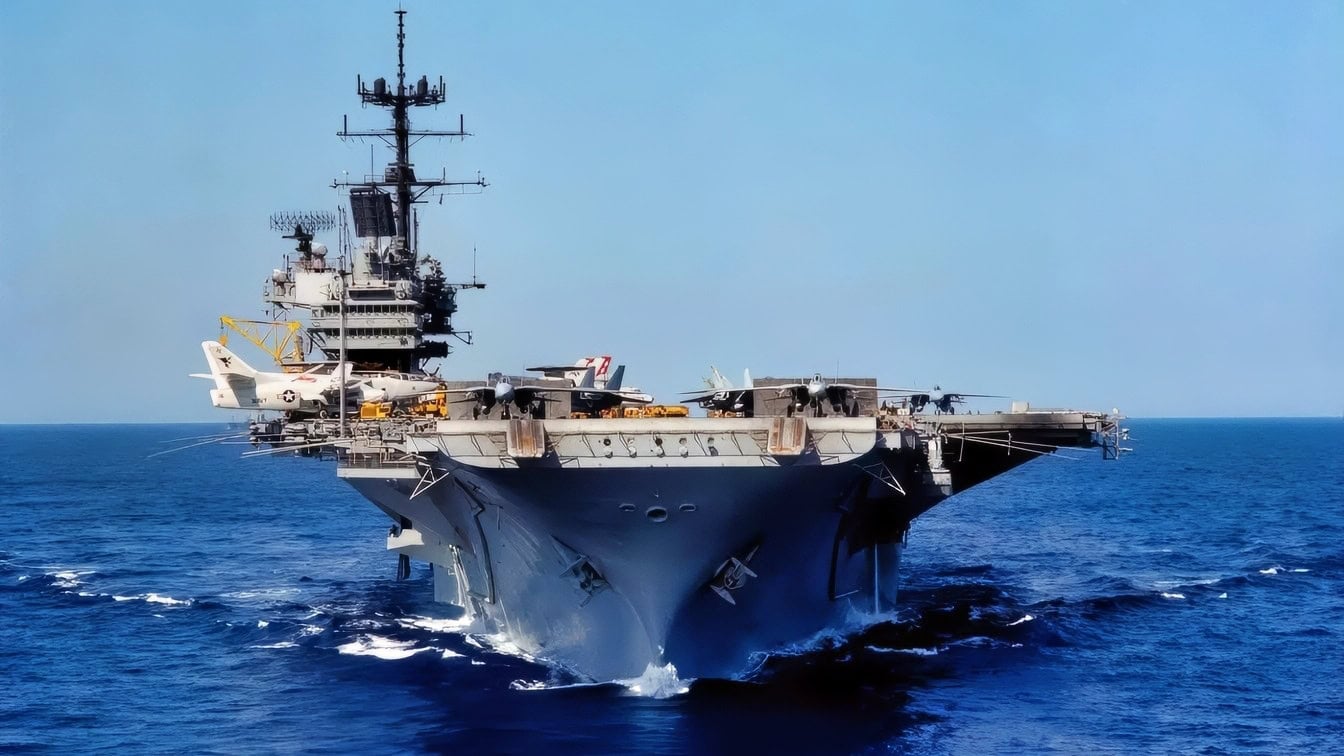
USS Saratoga of the Forrestal-Class Aircraft Carriers. Creative Commons Image.
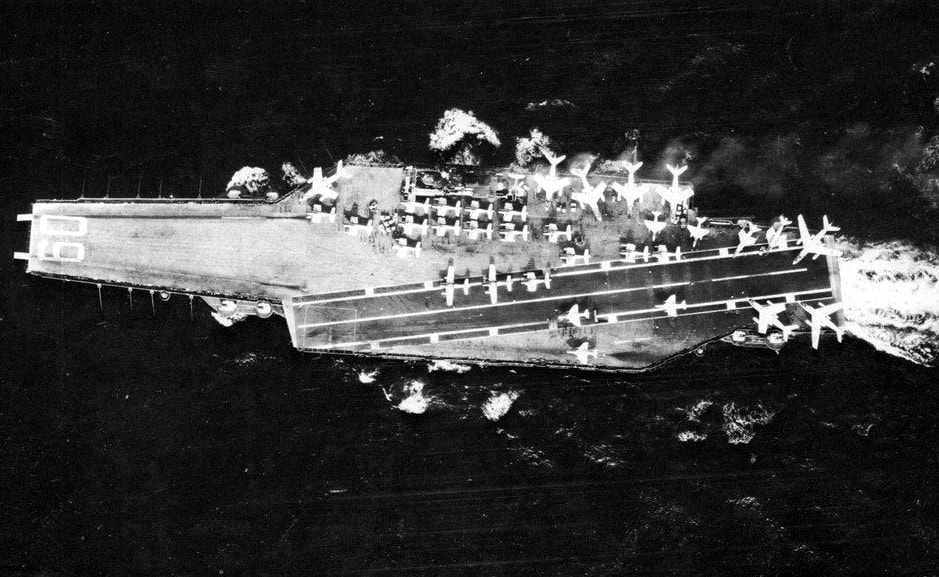
USS Saratoga (CVA-60). Creative Commons Image.
Things didn’t go as planned.
The US carrier USS Saratoga (CV-60) fired two live RIM-7 Sea Sparrow surface-to-air missiles at the Turkish destroyer TCG Muavenet (DM-357).
One missile struck the destroyer’s bridge area, killing five Turkish sailors, including the commanding officer, Captain Kudret Gungor.
Many others were injured.
The second missile also struck the ship, but with less effect.
The lapse was drastic: a NATO warship had deliberately fired upon another NATO warship as a target and launched live guided weapons.
The fallout would have operational and diplomatic consequences.
What was the Muavenet?
Ironically, the Muavenet was an American-built ship; it began life as the USS Gwin (DM-33), a Robert H. Smith-class destroyer minelayer commissioned during World War II.
Turkey transferred the vessel in 1971, where it became the TCG Muavenet and served for another two decades. By 1992, the ship was old—but still a useful part of Turkey’s surface fleet.
The USS Saratoga, meanwhile, represented an entirely different scale of naval power.
With an 80,000-ton displacement and 1,000-foot length, the Saratoga carried dozens of combat aircraft and featured layers of defensive weapons, including the RIM-7 Sea Sparrow.
Defensive Weapons Turned Offensive
The RIM-7 was a navalized derivative of the AIM-7 Sparrow air-to-air missile.
Its job was close-in defense against aircraft and especially anti-ship missiles penetrating the carrier group’s outer defenses.
The system used shipboard fire control; radar illuminated the target, which allowed the missile’s semi-active radar seeker to home in on the reflected radar energy.
This mechanism would facilitate the accident. Firing a Sea Sparrow is an involved, multi-step process.
It requires more than someone accidentally clicking a button on the bridge. The launch was sequenced and deliberate.
Personnel had to prep the missile, acquire and illuminate the target, and then execute the firing sequence.
That multi-step process should have given the crew time to realize they were firing on an allied warship. But at Saratoga, the training and command process was fatally flawed.
When Simulations Become Real
During the exercise, Saratoga was directed to conduct a simulated attack involving Muavenet. At one point, the simulation converted into a real attack.
According to the after-the-fact investigation, members of the Sea Sparrow team were awakened and called to their stations without being adequately told they were participating in an exercise.
Orders and terminology should have clearly distinguished simulated action from actual weapons employment, but in the moment, the distinction was nonexistent, leaving only dangerous ambiguity.
The missile team then proceeded through the actions necessary for a real missile deployment, including the illumination of Muavenet by Saratoga’s fire-control radar.
Then the command to fire was issued, and two live Sea Sparrows were released. At such a short range, the Turkish destroyer—which naturally was not expecting the attack—had no time to react.
What’s unique about this incident is that it wasn’t a misidentification; everyone knew that the Turkish destroyer was present.
The failure instead was that an exercise command chain accidentally generated the actions required to release actual weapons.
Sorting through the Wreckage
Five Turkish sailors were killed, and upwards of 20 more were wounded.
The Muavenet would never return to Turkish service.
The US Navy investigated and disciplined personnel connected to the incident.
The takeaway was that the Saratoga had failed from an organizational perspective, not a technical perspective.
Before ignition, the Saratoga crew should have used safety mechanisms such as unambiguous orders, trained operators, positive identification, clear exercise procedures, and separation between simulated and live weapons employment.
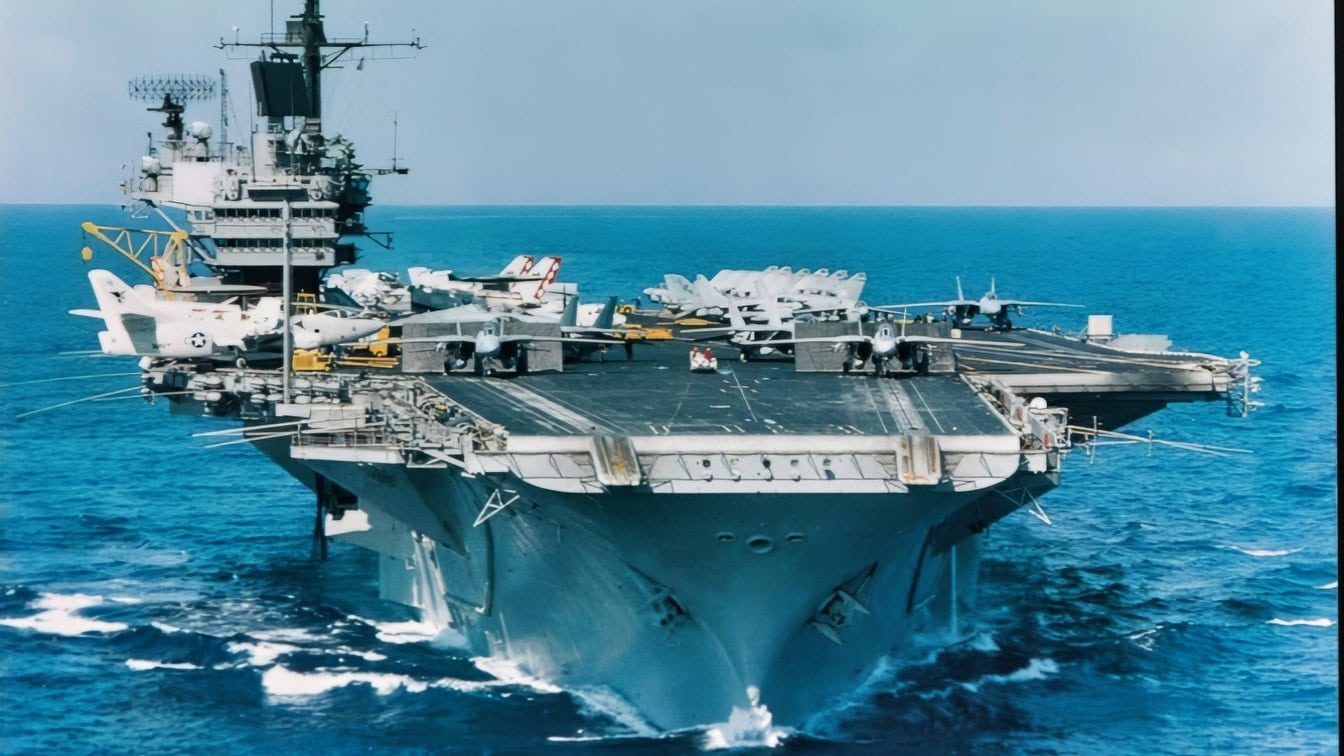
USS Saratoga Creative Commons Image
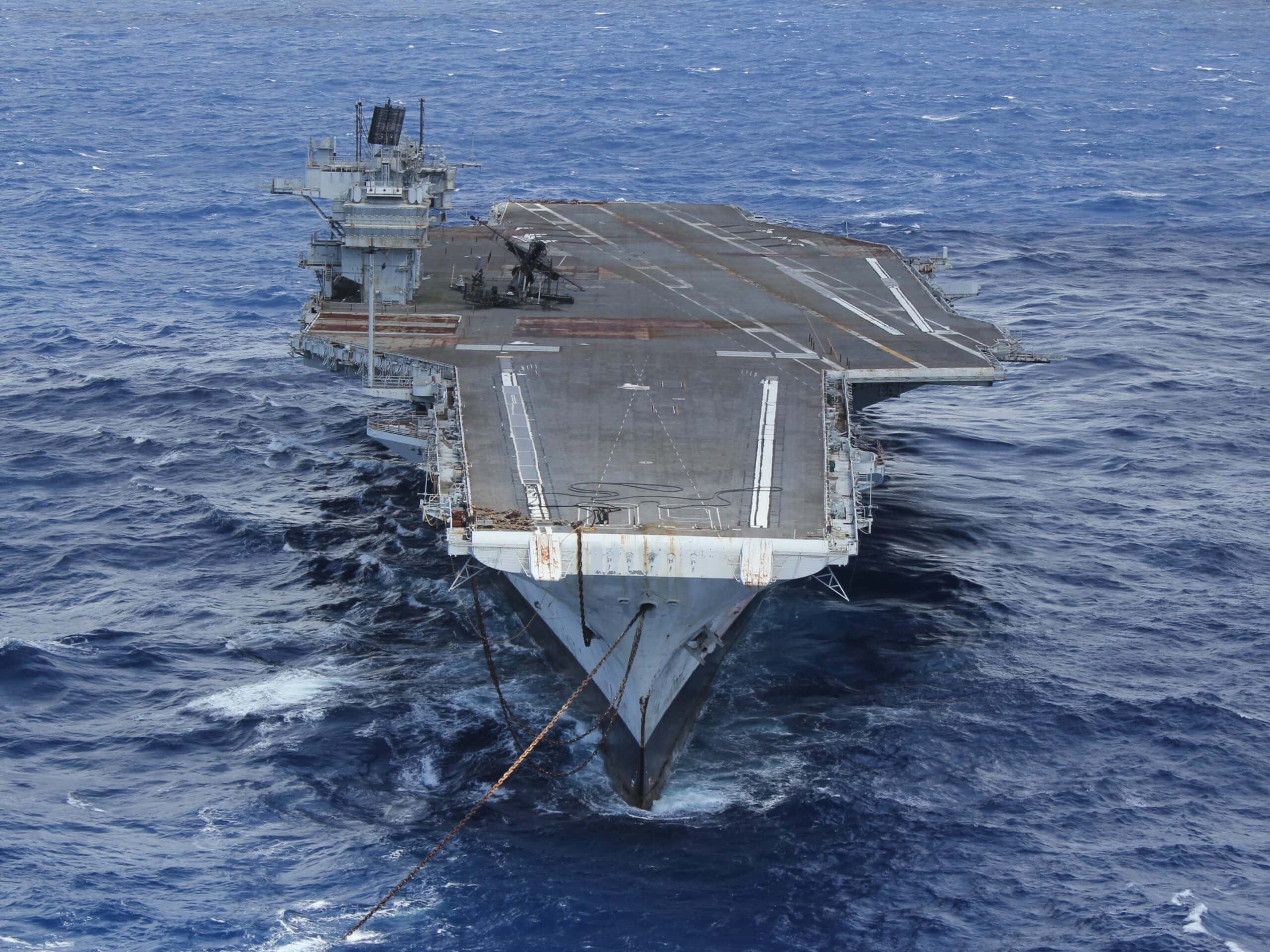
USS Saratoga. Creative Commons Image.
No single error caused the catastrophe; rather, several aligned failures allowed such an avoidable error to occur. The accident enraged Turkey, understandably.
Washington apologized and ultimately provided compensation.
The US also transferred naval vessels to Turkey, including Knox-class frigates, to help replace the capability lost with the destruction of the Muavenet.
About the Author: Harrison Kass
Harrison Kass is a writer and attorney focused on national security, technology, and political culture. His work has appeared in Tablet, City Journal, The Hill, The Spectator, and The Cipher Brief. He holds a JD from the University of Oregon and a master’s in Global & Joint Program Studies from NYU. More at harrisonkass.com.