

Summary and Key Points: Casey James Fury had run out of sick days. On the evening of May 23, 2012, at Portsmouth Naval Shipyard, he set fire to some rags in a plastic bag aboard USS Miami — a Los Angeles-class nuclear attack submarine three months into a routine overhaul — because he wanted to go home early. The fire burned from five in the evening until three the next morning. It destroyed the crew quarters, the command-and-control spaces, and the torpedo room. The Navy first estimated $450,000,000 to fix her, then found the actual cost was closer to $700,000,000 and decided the money would have to come from other ships. Miami was decommissioned on March 27, 2014. Fury was sentenced to 17 years.
The Crazy Way the US Navy Lost a Nuclear Attack Submarine
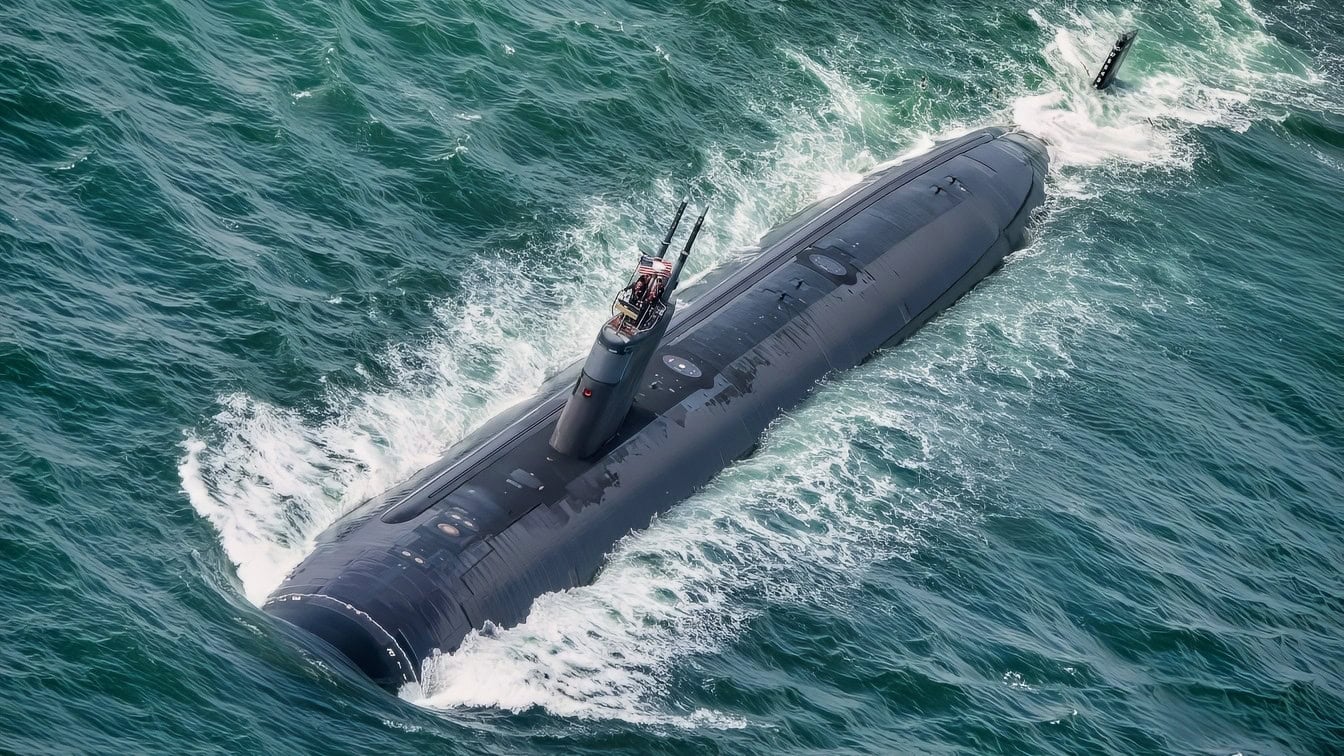
The Los Angeles-class fast attack submarine USS Pasadena (SSN 752) returns to Naval Base Point Loma, San Diego, March 30, 2017 after a six-month deployment to the Western Pacific. Pasadena executed the Chief of Naval Operations’ Maritime Strategy in supporting national security interests and maritime security operations.(U.S. Navy Combat Camera Photo by Mass Communication Specialist 1st Class Benjamin A. Lewis)
We’ve all had a bad workday at least once. Some days it’s the long commute, that one annoying coworker, or getting unfairly chewed out by management. Bad days happen. We all experience times when we wish that we could go home early. If I were to guess, I doubt anyone reading this has ever set fire to their workplace just to get out a few hours early.
As absurd as it may sound, that’s exactly what happened at the Portsmouth Naval Shipyard one evening in 2012.
One disgruntled civilian worker set fire to the USS Miami (SSN-755).
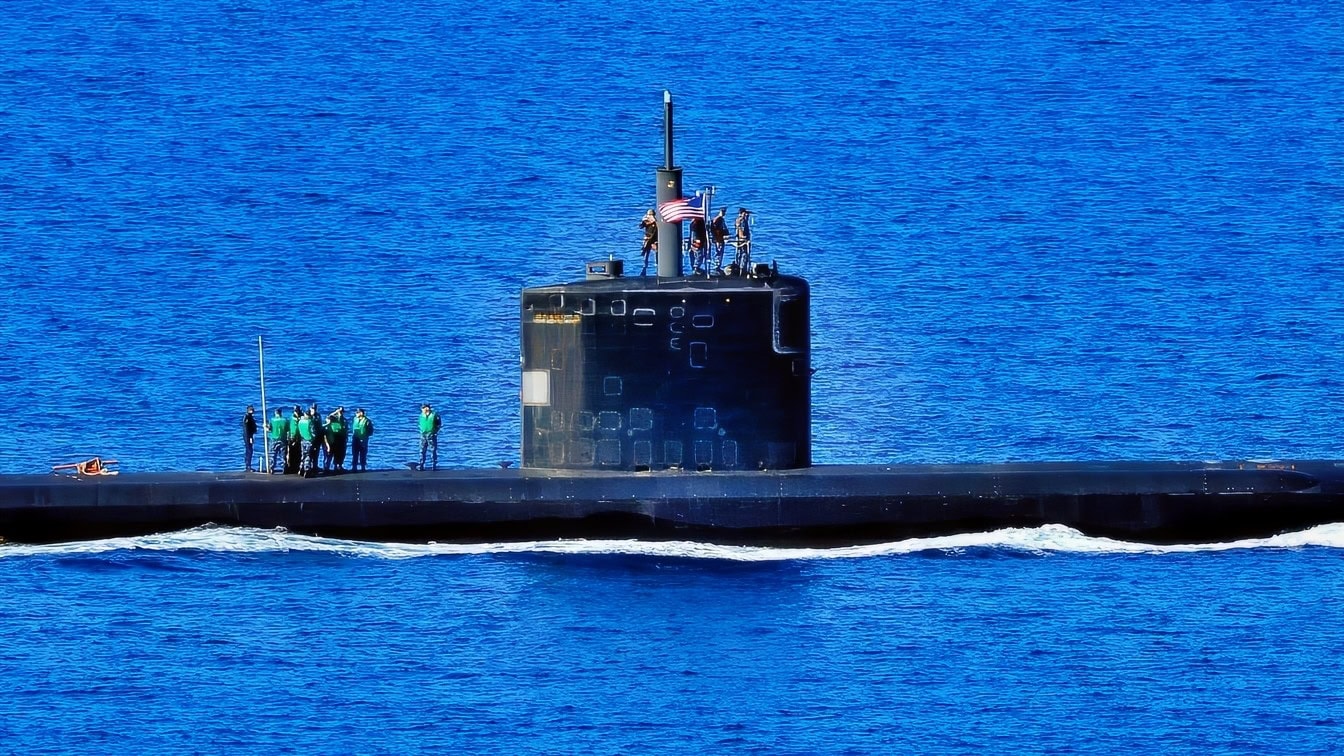
(March 20, 2010) The Los Angeles-class attack submarine USS Annapolis (SSN 760) departs Souda Bay after a routine port visit. (U.S. Navy photo by Paul Farley/Released)
The fire destroyed nearly all of the ship’s forward compartments and was so severe that the Navy had no choice but to scrap her.
Miami Goes Up in Flames
On March 1, 2012, Miami, a Los Angeles-class nuclear attack submarine, arrived in Portsmouth for a routine 20-month-long extensive Engineered Overhaul (EOH).
Prior to her EOH, Miami had completed multiple deployments around the world.
She was the first submarine since WWII to take part in combat operations in two separate theaters with Operation Desert Fox in Iraq and Operation Allied Force during the Kosovo War.
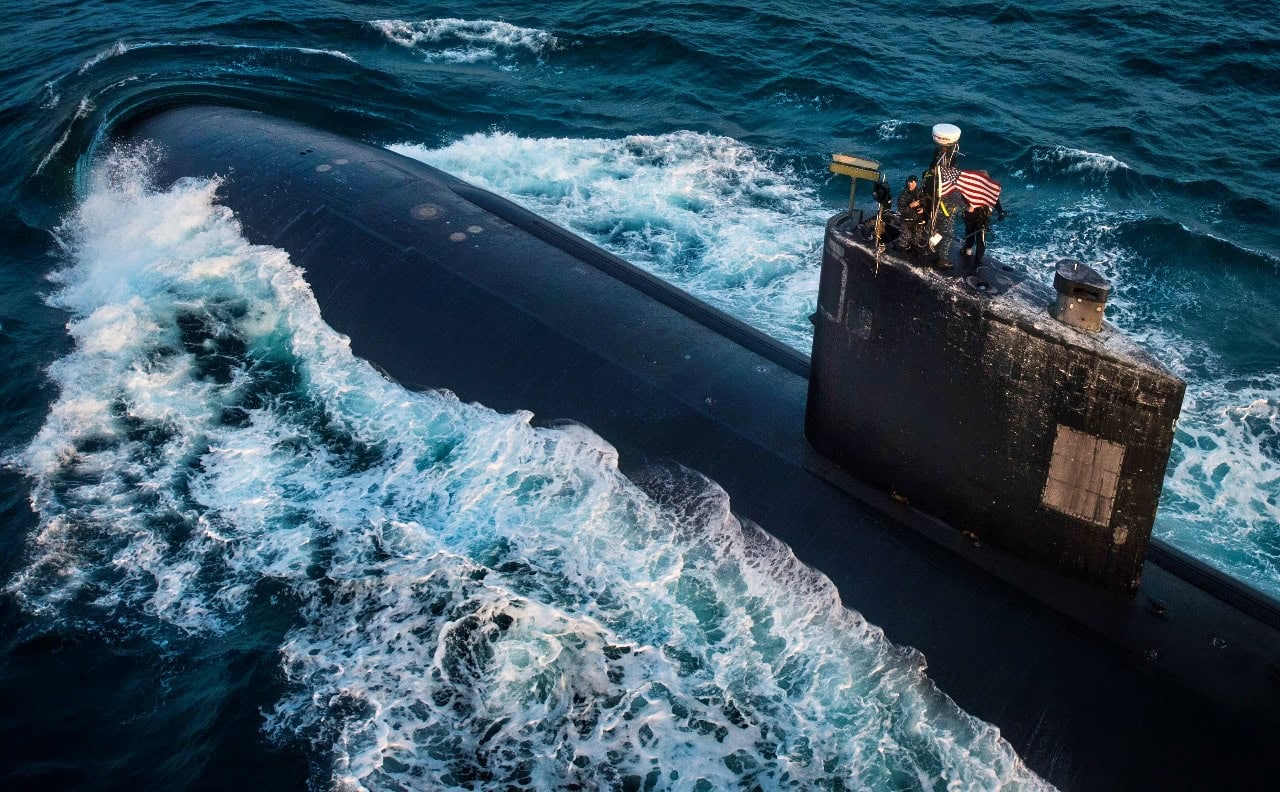
Los Angeles-Class Submarine. Image Credit: Creative Commons.
Furthermore, she participated in several clandestine operations during the Cold War. She had a long and interesting service history.
None of that mattered to Casey James Fury, a civilian sandblaster at the shipyard working on Miami’s EOH. Fury reportedly set fire to a couple of rags in a plastic bag aboard the submarine.
The fire quickly blazed out of control.
Fun fact: submarines are inherently high fire hazards because of the amount of flammable material onboard and the pressurized oxygen, which can keep fires burning for a long time.
During the resulting firefight, around ten firefighters were injured, while another crew member suffered broken ribs as he tried to escape the fire.
Thankfully, no one was killed during the incident, nor did anyone suffer from any life-threatening injuries.
Casey James Fury Found Guilty
The fire quickly grew out of control and destroyed the ship’s crew living quarters, as well as the command and control sections and the torpedo rooms (thankfully, it doesn’t appear that any ammunition was onboard at the time).
One firefighter described it as the worst fire he had ever seen in his career.
Overall, the fire blazed from 5:00 pm on May 23 until 3:00 am on May 24.
In total, Miami burned for around 10 hours.
Three weeks later, Fury reportedly started another, smaller fire aboard the Submarine when he was detained and tried for Arson.
During his trial, Fury claimed that he started the fires because of anxiety attacks and was looking for a way to go home early; he had already used up all of his allotted time off and sick days.
His defense attorneys pressured him to plead guilty to receive a lighter sentence.
Fury also claimed that he had no idea that the fire would burn so severely and that he never intended to harm anyone.
Consequently, he was sentenced to 17 years in federal prison and fined $400 million (later reduced to $10 million) in restitution, though the prosecution deemed it unlikely he would collect that amount.
Interestingly, in 2015, Fury tried to proclaim his innocence. “I don’t believe I’m responsible,” he told The Portsmouth Herald. “I don’t believe I did it. I don’t remember doing it.”
He claimed that his mental condition, as well as his addiction to alcohol and meds, were not considered during his initial trial.
Regardless, he is still serving his sentence.
Down a Nuclear Attack Submarine
As for Miami, the Navy had initially hoped to save and repair the long-serving submarine.
Both of Maine’s senators, Susan Collins and Olympia Snowe, also advocated for repair and restoration of the nuclear attack sub.
Initial damage assessments indicated the ship would cost around $450 million to repair.
The Navy approached Congress and asked for an additional $220 million for Miami’s repairs.
The original plan was to have her back in service by 2015.
However, Congress was looking to cut the defense budget, making additional appropriation unlikely.
To save costs, the Navy planned to use spare parts from the recently decommissioned USS Memphis (SSN-691), but abandoned the plan because Memphis was from a much earlier “flight” of Los Angeles-class submarines.
In August 2013, the Navy announced that Miami would be decommissioned.
A more detailed damage assessment revealed that the initial assessment and repair estimate undersold the problems.
The cost of her repairs increased from $450 million to $700 million.
To secure that kind of money, the service would have had to cancel construction and maintenance on several other subs and surface ships, which would have been impractical to repair a single Los Angeles-class submarine.
Miami’s retirement dealt a significant blow to the fleet, as the Navy had already planned five additional deployments for her remaining ten years of service life.
The Navy officially decommissioned her on March 27, 2014.
About the Author: Isaac Seitz
Isaac Seitz, a Defense Columnist, graduated from Patrick Henry College’s Strategic Intelligence and National Security program. He has also studied Russian at Middlebury Language Schools and has worked as an intelligence Analyst in the private sector.