

The U.S. once lost one of its most modern and expensive jets when water interfered with its sensors. The incident took place on February 23, 2008, on the runway at Andersen Air Force Base in Guam, a U.S. island territory. Seconds after takeoff, a B-2 Spirit jerked upward, stalled, and crashed. The “Spirit of Kansas” aircraft, tail number 89-0127, was completely wrecked. The pair of pilots on board managed to eject themselves, but one of them fell victim to a spinal compression fracture.
The US Air Force placed the cost of the mishap at precisely $1,407,006,920. Andersen’s own history of the episode deems it the “most expensive aircraft crash in history.”
B-2 Bomber: Taking Off With Poor Data
En route to Whiteman Air Force Base in Missouri, Spirit of Kansas was second in a formation departing Andersen after a four-month deployment.
During the flight, its crew received an “AIRDATA CAL” alert while preflight preparations were underway.
The B-2’s air-data system relied heavily on the 24 Port Transducer Units (PTUs). Moisture ended up in three of them during that day’s calibration.
A later safety case study by NASA concluded that a “significant bias in three of the twenty-four PTUs,” was created by the preflight procedure.
The crew followed their usual checklist and switched on pitot heat to dry out any moisture that might be in the sensors.
But the air-data system had already been calibrated based upon the distorted readings.
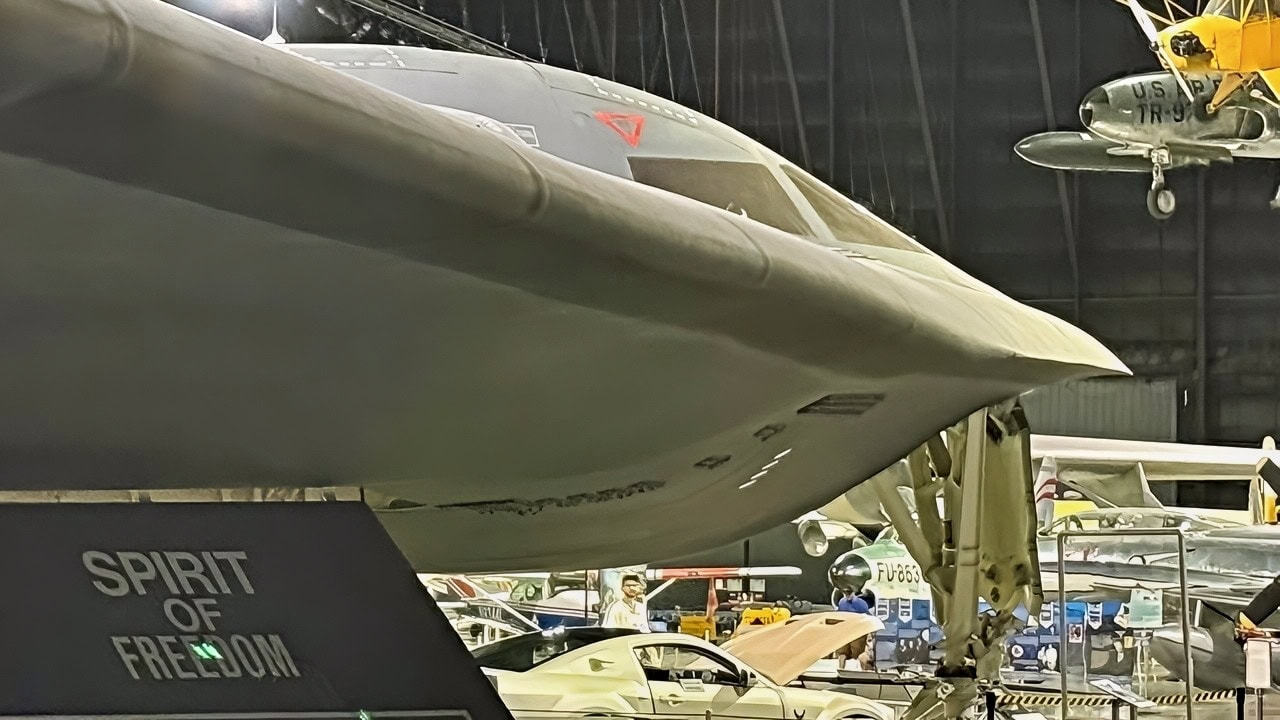
B-2 Spirit. 19FortyFive.com Image.
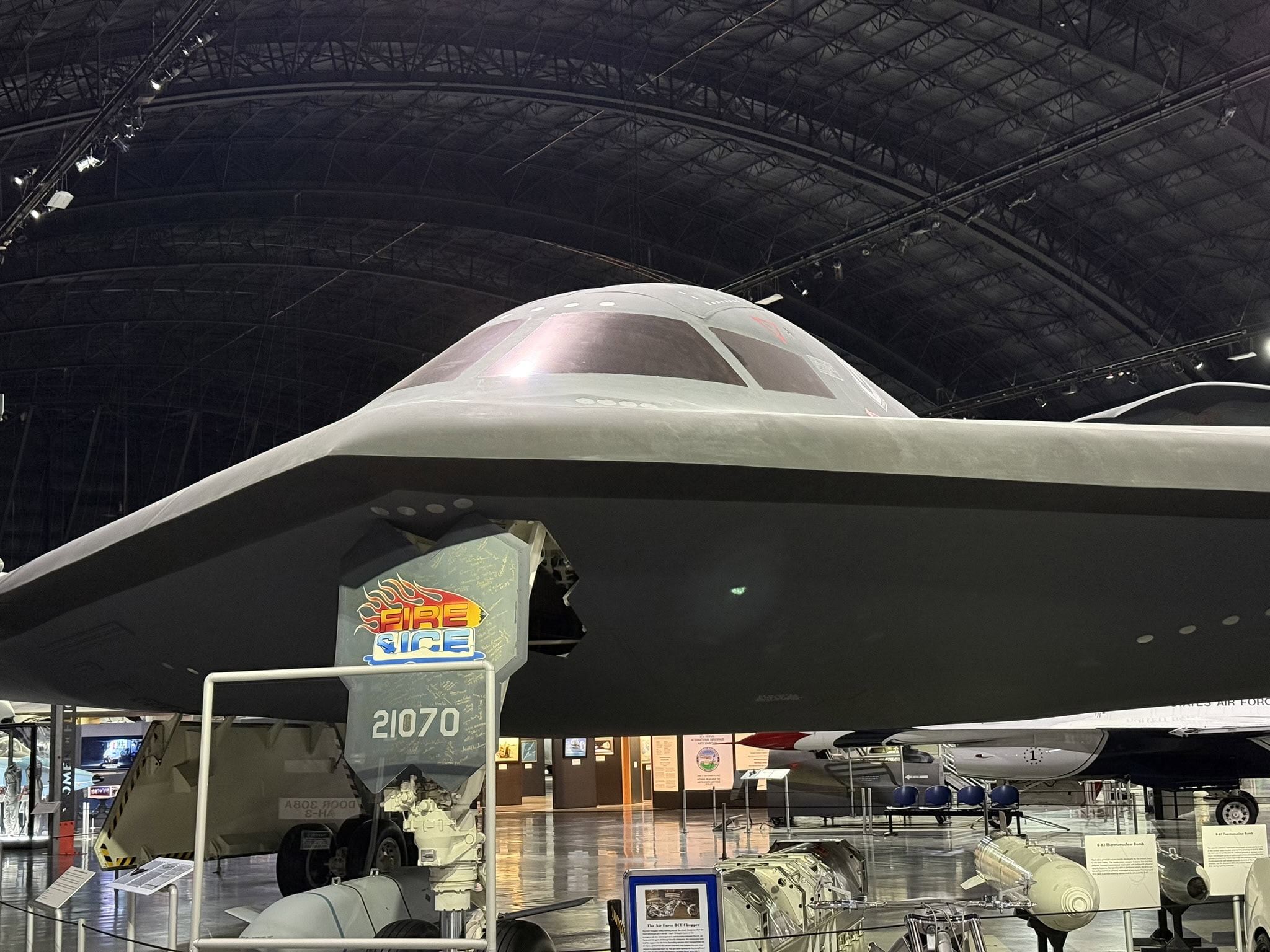
B-2 Spirit Stealth Bomber. 19FortyFive.com Photo from National Museum of the U.S. Air Force Visit in 2025.
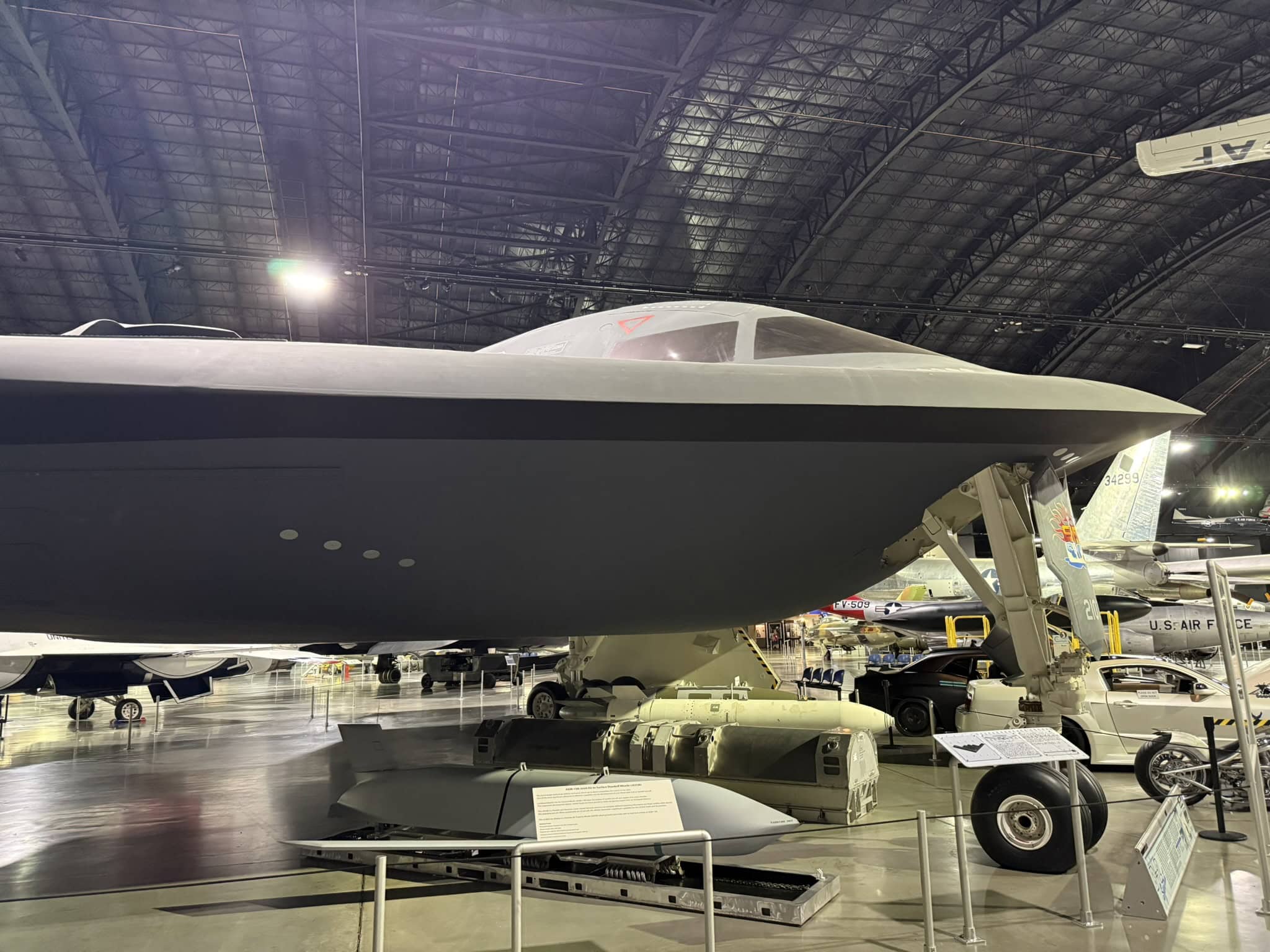
B-2 Spirit Stealth Bomber. 19FortyFive.com Photo from National Museum of the U.S. Air Force Visit in 2025.
NASA’s explanation of what happened that day said the error caused the aircraft’s altimeter to read 136 feet higher than the airfield’s true elevation.
During takeoff, warning indications briefly appeared and then cleared.
The crew therefore assumed there was no emergency and continued their procedures.
Because the flight computer calculated faulty airspeed and angle-of-attack information, the bomber rotated at an indicated airspeed of 142 knots.
Investigators estimated its true speed to be much slower than required, at only 132-134 knots.
According to the Accident Investigation Board, “an uncommanded, 30-degree nose-high pitch-up” happened shortly following liftoff.
The resulting stall was unrecoverable at such a low altitude.
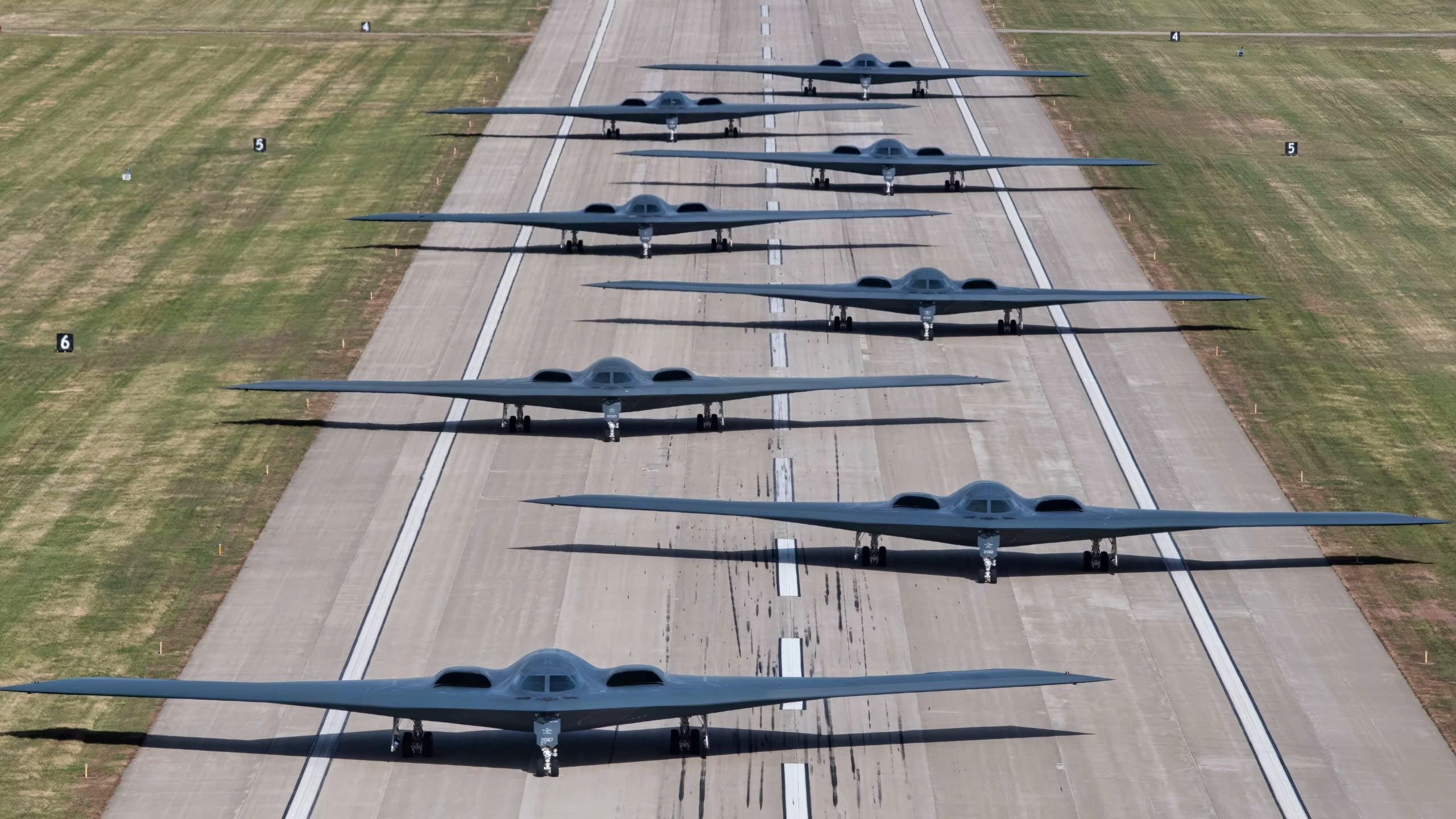
B-2 Spirit stealth bombers assigned to Whiteman Air Force Base taxi and take-off during exercise Spirit Vigilance on Whiteman Air Force Base on November 7th, 2022. Routine exercises like Spirit Vigilance assure our allies and partners that Whiteman Air Force Base is ready to execute nuclear operations and global strike anytime, anywhere. (U.S. Air Force photo by Airman 1st Class Bryson Britt)
The left wing struck the ground.
Both crew members ejected before the aircraft crashed and burned. The pilot suffered minor injuries; the copilot suffered a spinal compression fracture.
Maj. Gen. Floyd Carpenter, who headed the investigation, later said it was “by the grace of God that they were safe,” as well as the B-2’s ejection system.
But Carpenter stressed that the aircraft performed as it was designed.
What Did They Know?
The probe revealed even odder facts. Several B-2 personnel were fully aware that moisture might compromise calibration.
They had consequently developed a somewhat slapdash way of dealing with it by using pitot heat to dry sensors before calibrating air-data systems.
According to the Accident Investigation Board, “ineffective communication of critical information” regarding the technique also contributed to the issue.
NASA later summarized the institutional mistakes bluntly, noting that “Vital local knowledge had not been incorporated into maintenance procedures.” The agency said the error had been wholly “preventable.”
Carpenter’s findings claimed the technique had not been formalized throughout the B-2 program.
The loss was so significant because the jet had such a squeaky-clean record.
Col. Bob Dulong said Spirit of Kansas was “renowned in the maintenance community for being a great jet.” Before the crash, it had accumulated more than 5,000 flight hours and 1,036 sorties.
The whole B-2 fleet then began a 53-day pause.
Flying finally resumed on April 15, 2008. 509th Bomb Wing commander Brig. Gen. Gary Harencak said the transition back to flying was “deliberate and safe,” noting that there had “never been an aircraft with a safety record like the B-2” before the accident.
Every B-2 Still Matters
The accident has only grown more consequential with time.
Air Force Global Strike Command’s May 2026 fact sheet lists an active-force B-2 inventory of just 19 aircraft, including one test aircraft.
The service continues to upgrade the bomber while preparing to replace it with the B-21 Raider.
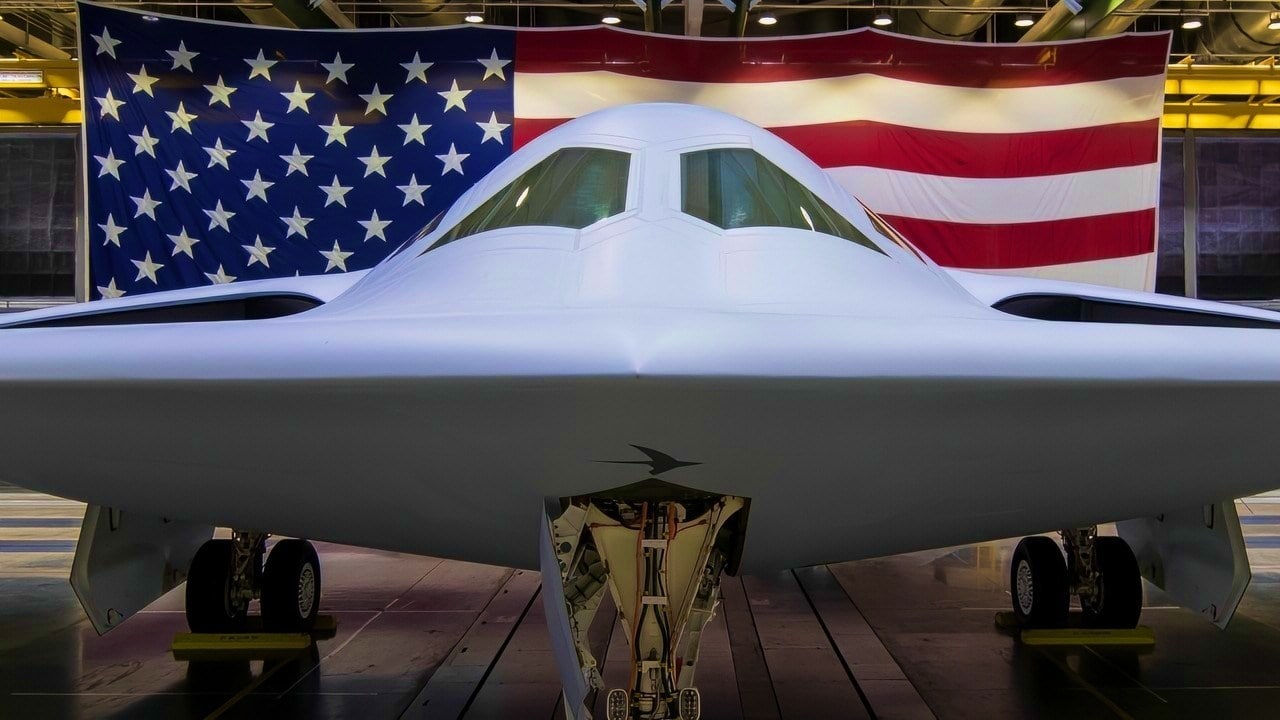
The B-21 Raider was unveiled to the public at a ceremony December 2, 2022 in
Palmdale, Calif. Designed to operate in tomorrow’s high-end threat environment, the B-21 will play a critical role in ensuring America’s enduring airpower capability. (U.S. Air Force photo)
Lt. Col. Robert Allen of the B-2 program office rejected the characterization of it as “a legacy platform” in 2025, saying that, if required, it would remain “one of the first platforms to conduct strikes.”
About the Author: Georgia Gilholy
Georgia Gilholy is a journalist based in the United Kingdom who has been published in Newsweek, The Times of Israel, and the Spectator. Gilholy writes about international politics, culture, and education.