

Summary and Key Points: An SR-71 flown by Majors Duane Noll and Tom Veltri suffered an engine explosion over the Baltic and dropped from 80,000 to 25,000 feet. Sweden scrambled two Viggens to escort it while Soviet fighters had orders to force it into Soviet airspace and destroy it, and the jet landed at Nordholz, West Germany, with hydraulic fluid for one braking attempt. In October 1987 a second SR-71 lost its navigation system at night over the USSR and followed its tanker to Norway. Neither Lockheed SR-71 Blackbird was lost.
The SR-71 Blackbird was a Great Plane. But It Nearly Killed Its Crews Twice In the Same Year
The Lockheed SR-71 Blackbird still captures people’s imaginations worldwide, even though it hasn’t flown since 1999. However, NASA appears poised to bring at least one back for experimentation.
Developed back in the 1960s, this Plane was a defining feature of the cat-and-mouse global, ideological duel between the Soviet Union and the United States that defined the Cold War.
Designed in the 1960s, the Blackbird was light-years ahead of many planes, even some birds today!
Capable of flying higher than 80,000 feet and faster than Mach 3, the Blackbird was primarily a reconnaissance plane designed to outrun almost any advanced Soviet interceptor or anti-aircraft battery.
Because of the speeds and altitudes this quasi-starfighter flew at, the Plane had unique requirements.
And the Blackbird was not immune to mechanical failures. When they did, they could be extremely dangerous for the flight crew and those on the ground (and expensive for the American taxpayer).
Mechanical Troubles
When it comes to Blackbird mechanical failures, two incidents come to mind.
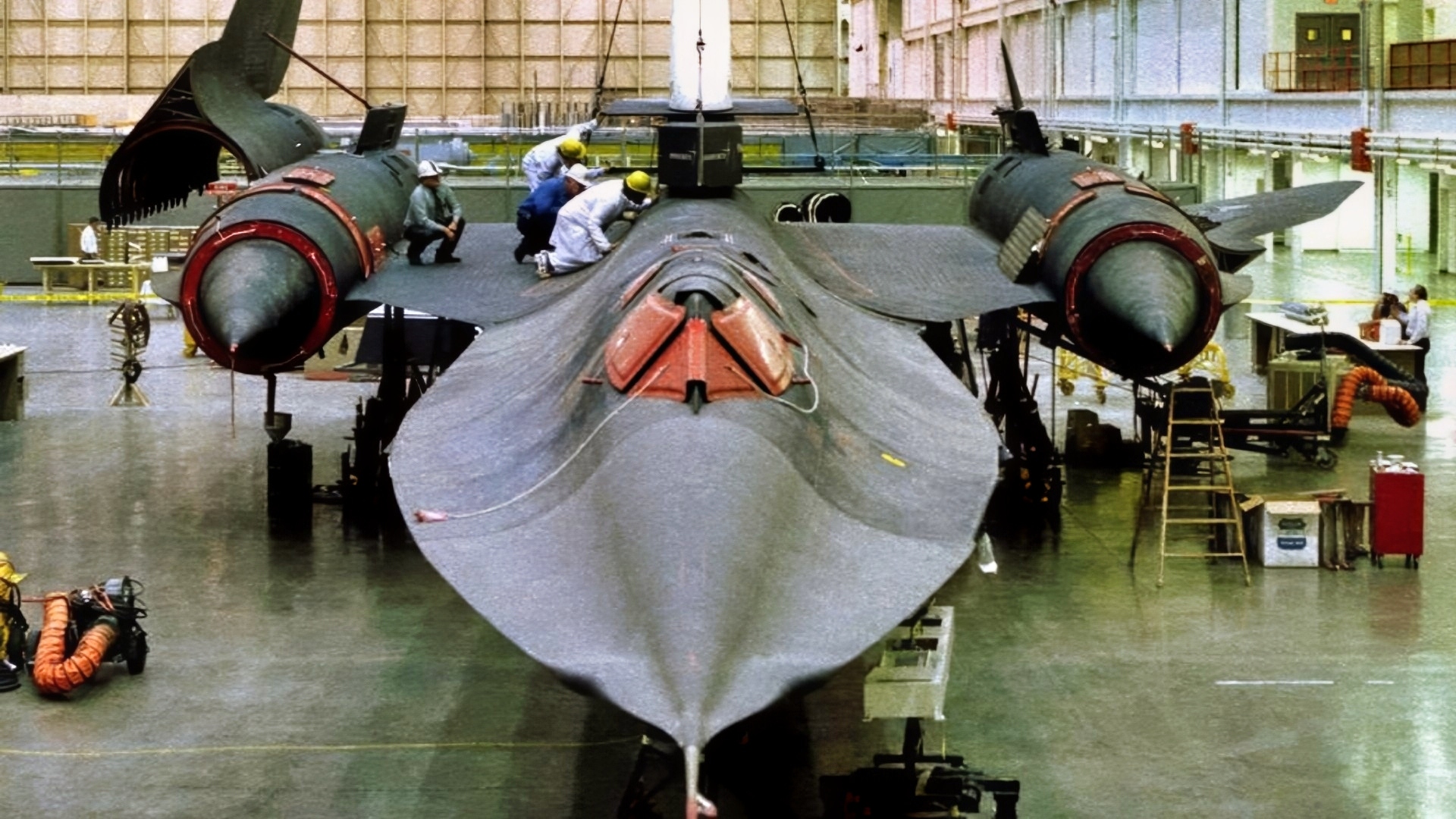
NASA SR-71 Blackbird Creative Commons NASA Photo
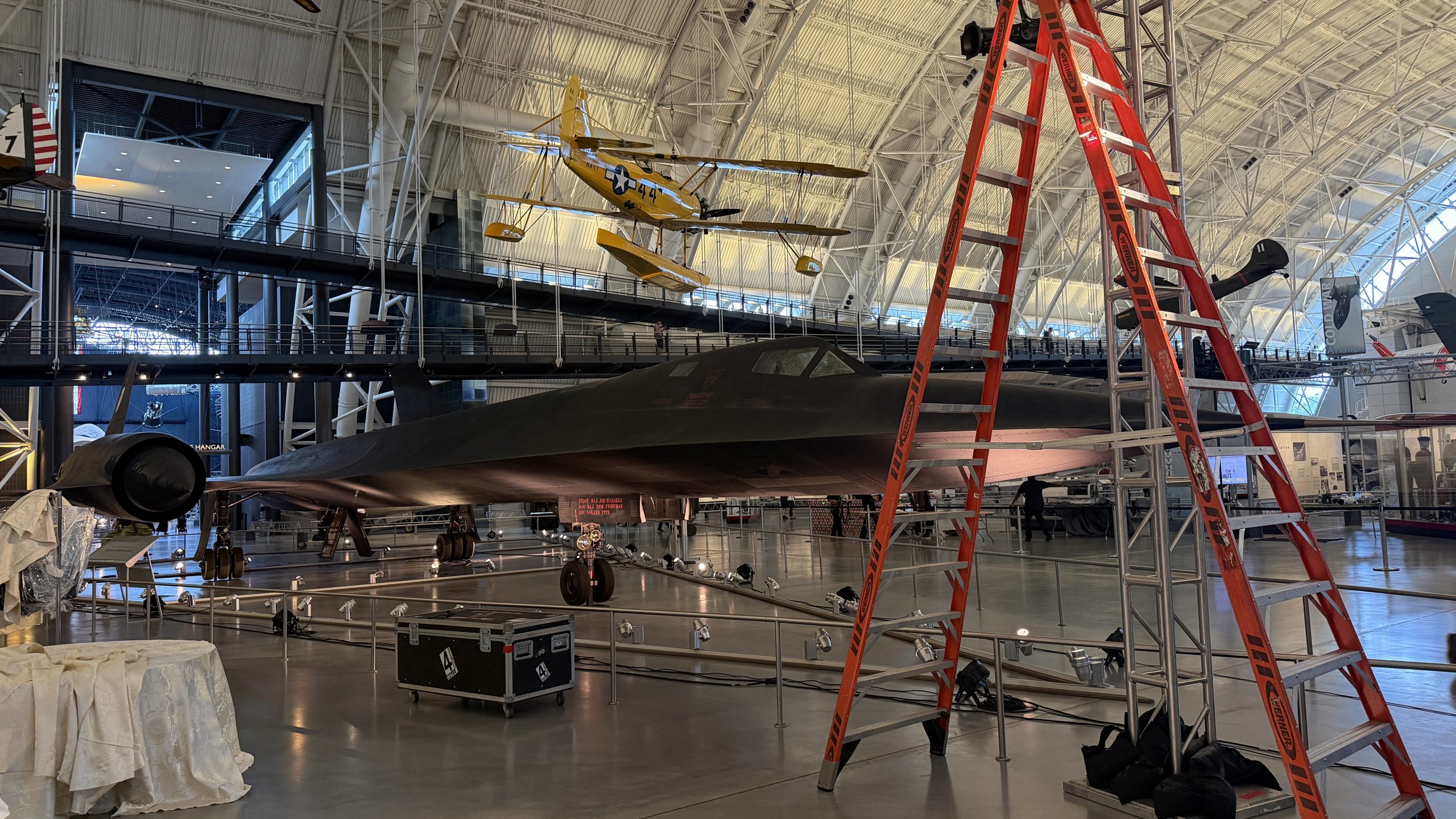
SR-71 Blackbird at the Smithsonian. Photo taken by 19FortyFive writer Christian D. Orr.
On March 31, 1979, the Air Force operated the Blackbird from Royal Air Force Base Mildenhall in Suffolk, England, as part of Detachment 4 of the 9th Strategic Reconnaissance Wing.
From this base, American crews conducted reconnaissance missions along the Soviet Union’s western periphery (astride Europe).
American Blackbirds surveilled Warsaw Pact troop movements, photographed naval installations, and monitored ports that supported the Soviet nuclear submarine fleet.
These flights remained in international airspace to avoid territorial incursions that would trigger diplomatic crises of the sort that occurred when Gary Powers’ U-2 was shot down in the 1950s.
But Soviet warplanes frequently tried to intercept the Blackbird.
The SR-71’s impressive speed ensured it could outrun anything the Soviets threw at it.
The Blackbird was impressive.
But if it ever experienced engine failure at high altitude, it would not end well.
This became apparent in one of the two shocking SR-71 incidents.
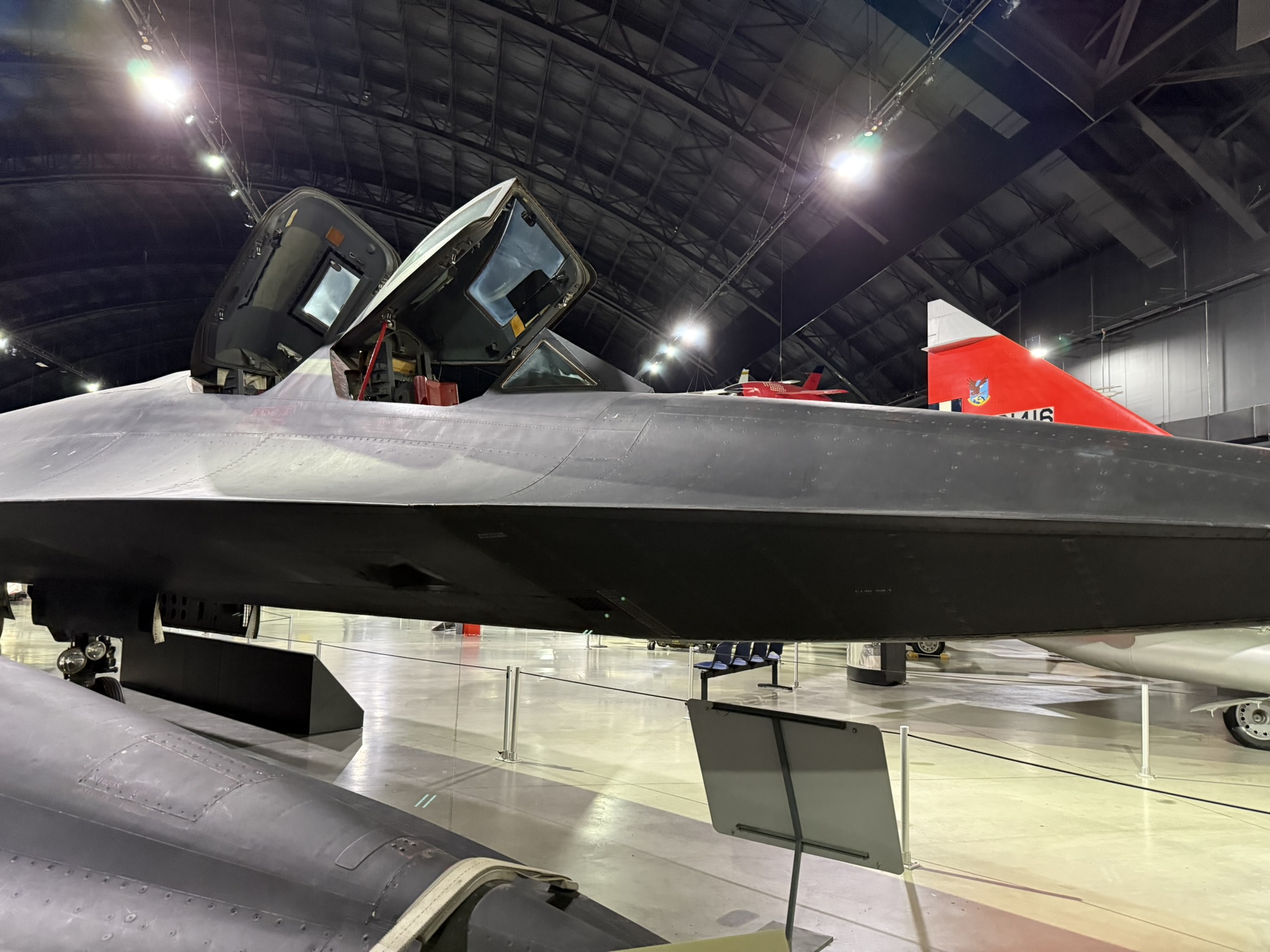
SR-71 Blackbird at the National Museum of the US Air Force. 19FortyFive Photo.
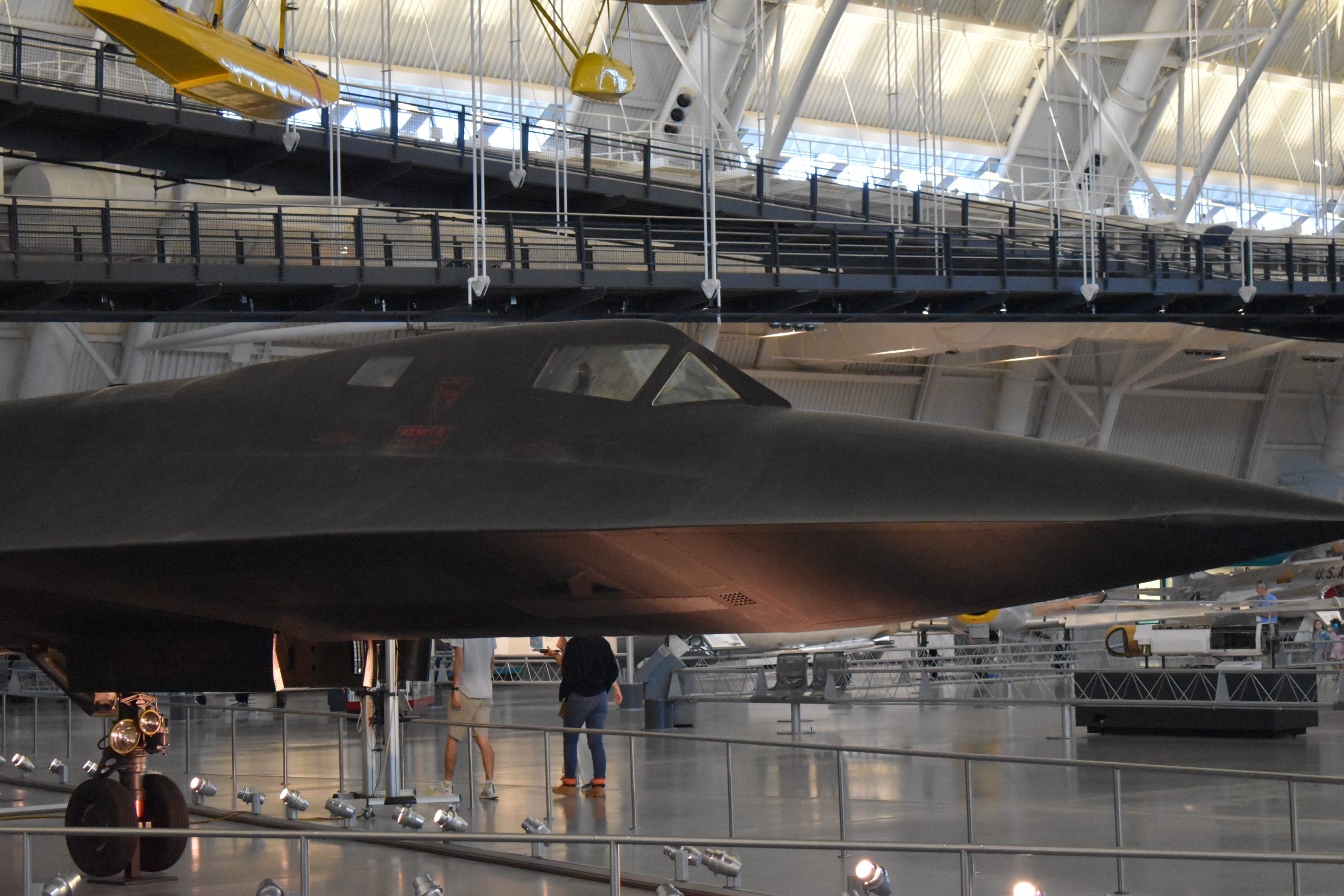
SR-71 Blackbird at the Smithsonian. 19FortyFive image.
As Aviation Geek Club, an online trade publication, documented, Majors Duane Noll and Tom Veltri flew an SR-71 over the Baltic region on a routine reconnaissance mission over the Soviet Union on June 29, 1987.
Noll was the pilot, and Veltri was the reconnaissance systems officer (RSO).
Their flight plan took the Blackbird along the coastlines of Lithuania, Latvia, and Estonia.
After the reconnaissance mission, the Blackbird’s engine exploded.
Soviet airspace lay to their right, leaving the crew little room to troubleshoot.
Noll immediately turned the Blackbird left, slowed it down, and maneuvered the damaged Plane to a safer altitude.
But that was hardly controlled.
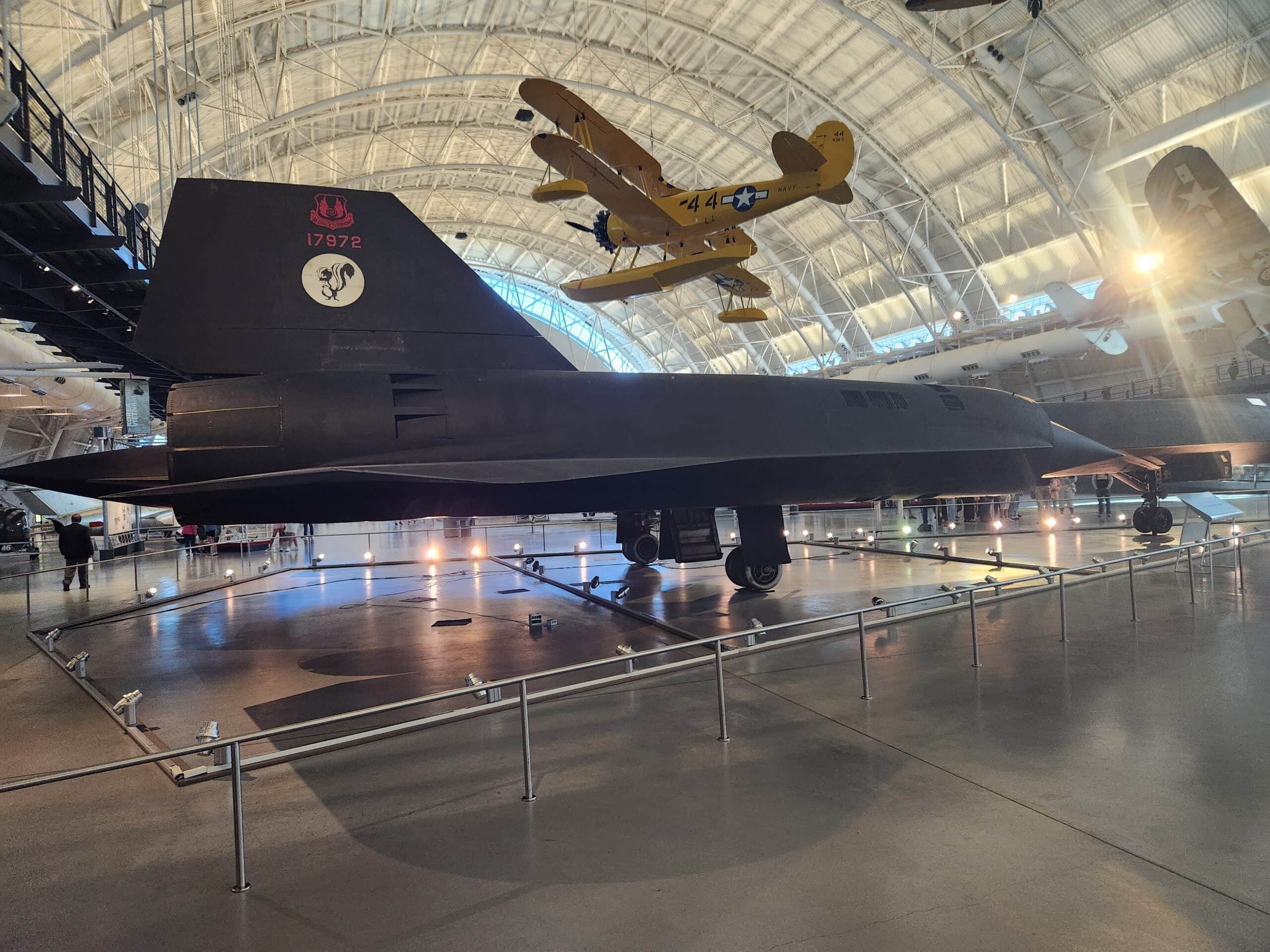
SR-71 Blackbird at the Smithsonian. 19FortyFive image taken back in 2025.
The Plane dropped from 80,000 feet to 25,000 feet in mere minutes.
As the Blackbird neared Swedish airspace, specifically over the island of Gotland, Veltri activated the stricken Blackbird’s identification friend-or-foe system and declared an emergency.
Sweden scrambled two Saab JA-37 Viggen fighters to monitor the situation.
They intercepted the Blackbird at 18,000 feet.
Soviet fighters had also been deployed with orders to force the damaged Blackbird into Soviet airspace and destroy it.
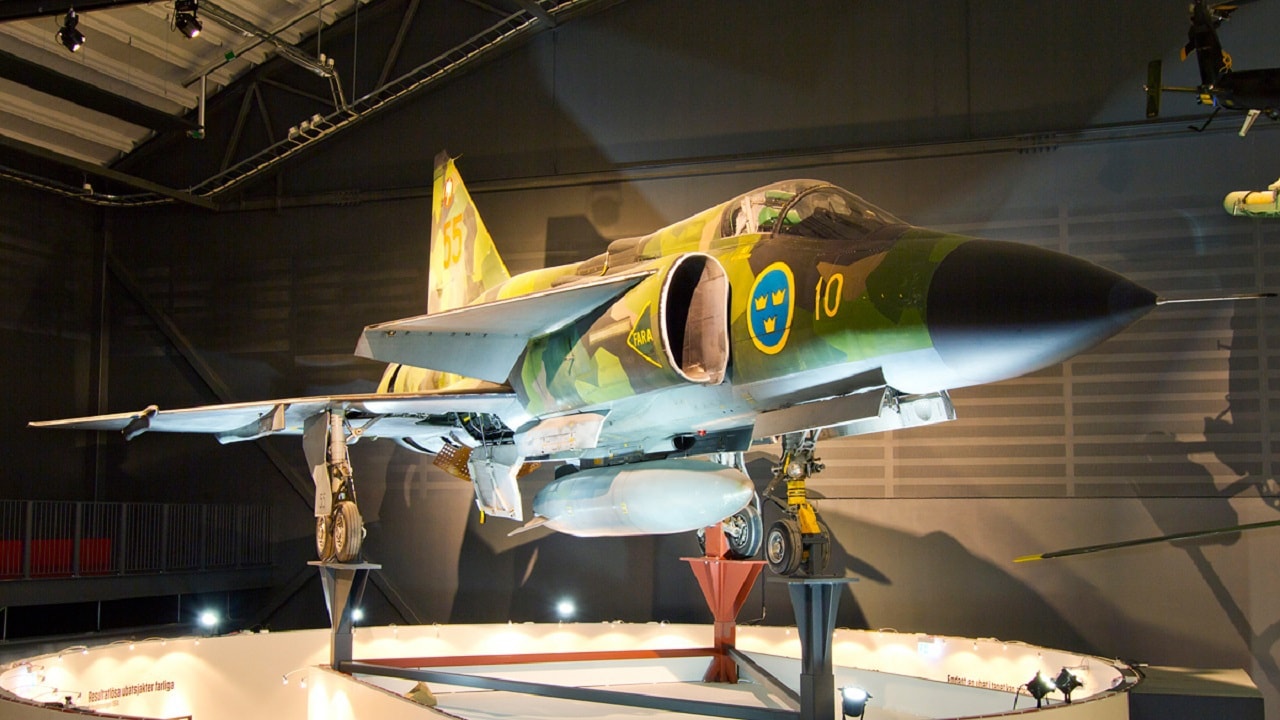
Saab 37 Viggen. Image Credit: Creative Commons.
The Swedish fighters remained alongside the Blackbird as it passed through the Baltic, very near Soviet-controlled territory in Poland and East Germany.
US fighters soon deployed from West Germany to continue escorting the damaged Blackbird.
Out of the Frying Pan Into the Fire
With help from the Swedes and American fighters from West Germany, the wounded Blackbird reached friendlier skies. But the drama wasn’t over for the SR-71 flight crew.
They could not return safely to RAF Mildenhall. So, the SR-71 diverted to Nordholz Air Base in West Germany.
To make matters worse, the crew lost a significant amount of auxiliary hydraulic fluid, threatening the aircraft’s braking and steering.
Nordholz personnel worried that the Blackbird would overshoot or roll off the runway. So, they closed the surrounding roads.
As the Blackbird approached the runway, the crew had enough hydraulic fluid onboard for one braking attempt after landing at Nordholz.
The Plane landed and stopped on the runway before hitting the end of the strip. Maintenance personnel from RAF Mildenhall were deployed to repair the Blackbird and bring it home.
Four months later, in October 1987, another SR-71 suffered a near-disastrous malfunction during a nighttime surveillance mission over the USSR.
On that flight, Captains Larry Brown and Keith Carter flew. As with the previous mission that went awry, the Air Force crew completed their aerial reconnaissance of the Soviet Union.
They took the Blackbird to its pre-scheduled midair refueling location, per Aviation Geek Club.
The aircraft’s astro-inertial navigation system failed, leaving the pilot with almost no navigational capability.
The crew tried to restore power.
It did not work.
The second generator initially functioned.
Then the crew received instructions to divert to Bodø Air Base in Norway.
But things in the cockpit worsened.
The second main generator failed, leaving the Blackbird dependent upon its emergency AC generator.
Cockpit lighting went off, followed by cascading failures of the Blackbird’s electrical system.
As this happened, the SR-71 aligned with the KC-135Q tanker, using the tanker as a key navigational reference point during the diversion to Norway.
The crew avoided catastrophe, but only just. Maintenance personnel from RAF Mildenhall were deployed to repair the damaged bird and bring it home.
Surviving the Impossible
The SR-71 was an incredible system.
But it wasn’t infallible.
Its complicated propulsion system, specialized requirements, unique hydraulic and navigation standards, and complex (for its day) electrical systems left it vulnerable.
The June emergency near the Baltic showed the danger of engine failure near Soviet territory.
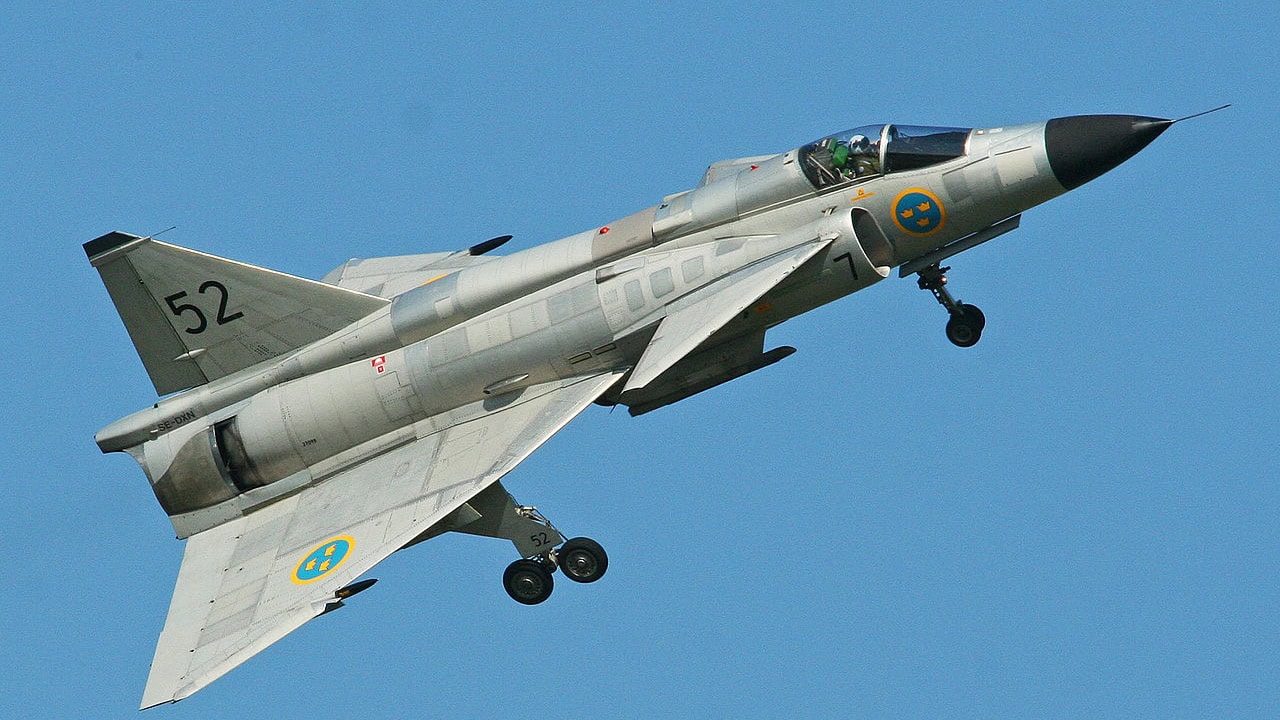
Making its first UK Airshow appearance, this amazing Saab 37 Viggen is operated by the Swedish AF Heritage Flight in genuine F7 markings. Seen during its solo routine. c/n 37-098. 2013 Waddington Airshow. 6-7-2013
Four months later, that October incident at night showed how electrical failure compromised the Plane’s entire functionality.
Fortunately, and thanks to the incredible skill and professionalism of the Air Force crews, neither incident was deadly.
The planes weren’t even lost.
That in itself is an incredible accomplishment.
Nevertheless, the problems that could strike the SR-71 because of its unique design could be extraordinarily difficult to resolve, especially when they happened near enemy airspace.
About the Author: Brandon J. Weichert
Brandon J. Weichert is the Senior National Security Editor at 19FortyFive.com. He also manages The Weichert Brief on Substack. Weichert is the co-host for The Mario Nawfal Show on Twitter/X. He is the author of four bestselling national security books, most recently A Disaster of Our Own Making: How the West Lost Ukraine (Encounter Books). His next book, Fortress Americas: A New Monroe Doctrine (Tucker Carlson Books), is due out December 8. Follow him via Twitter/X @WeTheBrandon.