
After the FCAS failure, MGCS also fails — Europe's future tank becomes a national affair
 Dr. Klaus Weber
After the FCAS failure, MGCS also collapses — Europe's future tank becomes a national affair
A sentence in the press release from the Federal Ministry of Defense regarding the German-French Ministerial Council on August 11 buries the fundamental idea of the Main Ground Combat System (MGCS): Germany and France now only want to develop a "platform-independent technology" — for future manned and unmanned armored platforms and their networked interaction with battle tanks. The joint development of a family of combat platforms on a unified chassis, which both armies would procure together, is no longer mentioned. Anyone who compares this one formulation against the eight development pillars of the MoU signed in April 2024 recognizes what remains: a digital nervous system — and nothing else.
The eight pillars and the compromise that betrayed everything
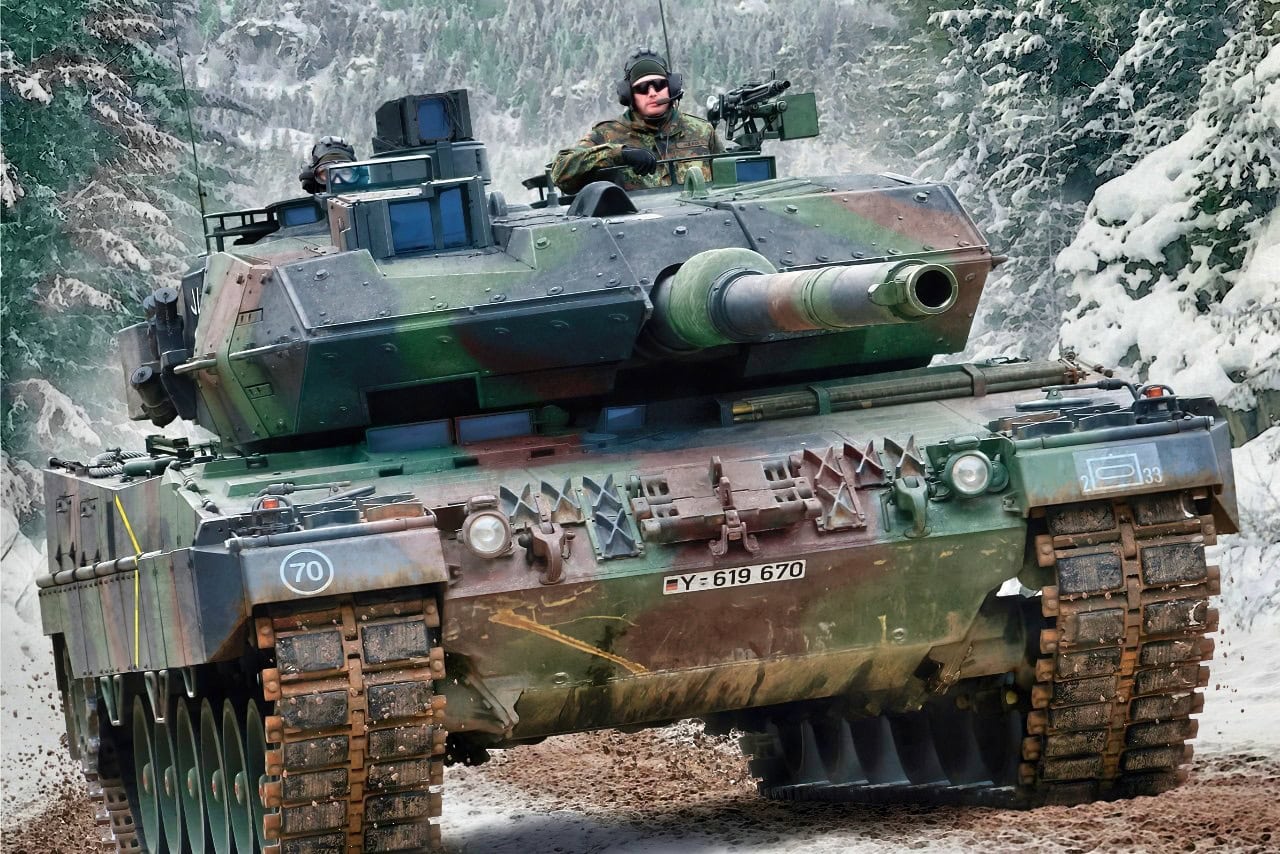
The MGCS program, launched in 2017 by Emmanuel Macron and Angela Merkel as the centerpiece of German-French defense cooperation, was from the beginning a governance experiment: Eight pillars, evenly distributed between industries and nations. Pillar 1 (chassis, automated navigation) under German leadership, Pillar 3 (secondary armament) and Pillar 6 (sensors) under French, Pillar 7 (protection, drone defense) again German. Even at the signing of the MoU in 2024, dissent was evident where it becomes most expensive: at the cannon. A common turret system could not be agreed upon; as a stopgap, each nation was to initially develop its own cannon system to decide after comparative testing. A compromise that contradicted the spirit of joint development — and the first public indication that this program would never function as a whole.
The long farewell — from 2017 to ILA 2026
The farewell did not come overnight. Already after the ILA in June 2026, when Chancellor Friedrich Merz announced that Germany and France would no longer develop a joint combat aircraft, well-informed circles openly spoke of MGCS being "dead." The FCAS failure was not an aviation exception but the blueprint test for the land dimension: If Paris and Berlin cannot even agree on a common fighter jet that the European Air Force needs against Russia, why would the battle tank — the most prestigious and politically sensitive weapon system on the continent — work?
The parallels are striking. In FCAS, the only common element left is the "Combat Cloud," the networking architecture. In MGCS, after the formulation from August 11, only the "digital nervous system" of connected operational command remains. In both programs, the common platform disintegrates into national solutions as soon as it becomes concrete.
National fallback solutions — Capint, Leopard 3, and the Panther
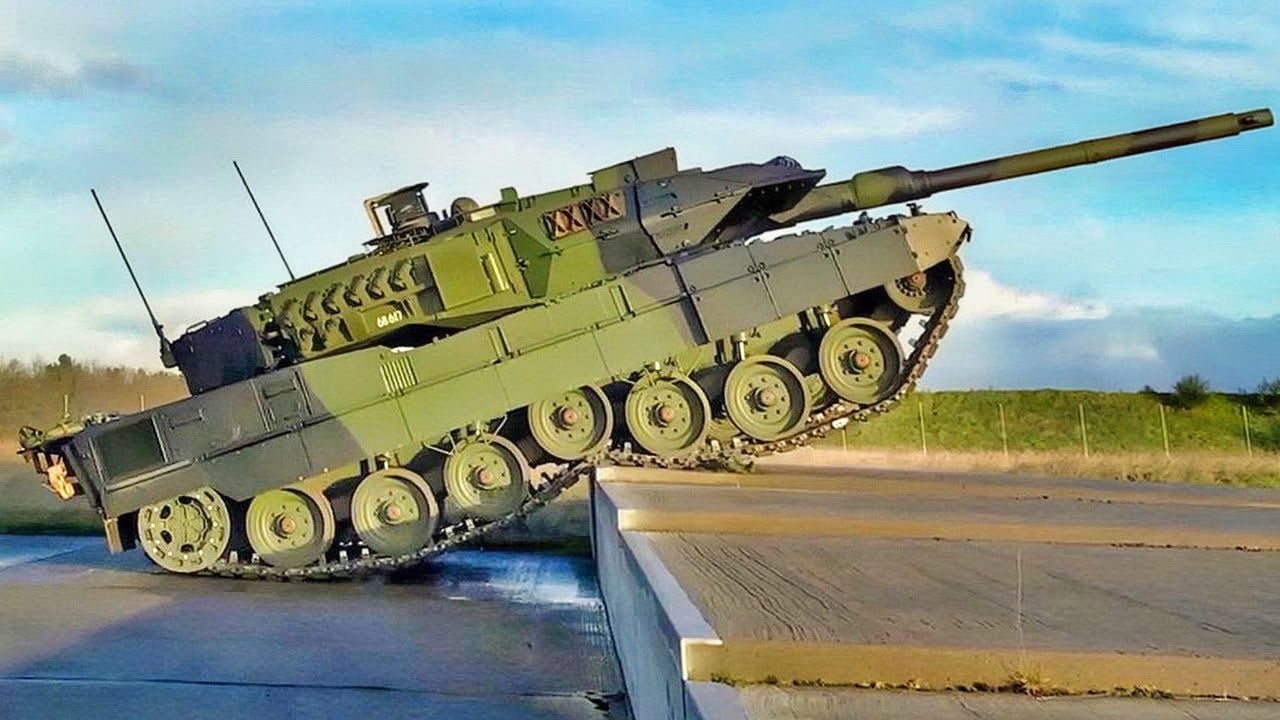
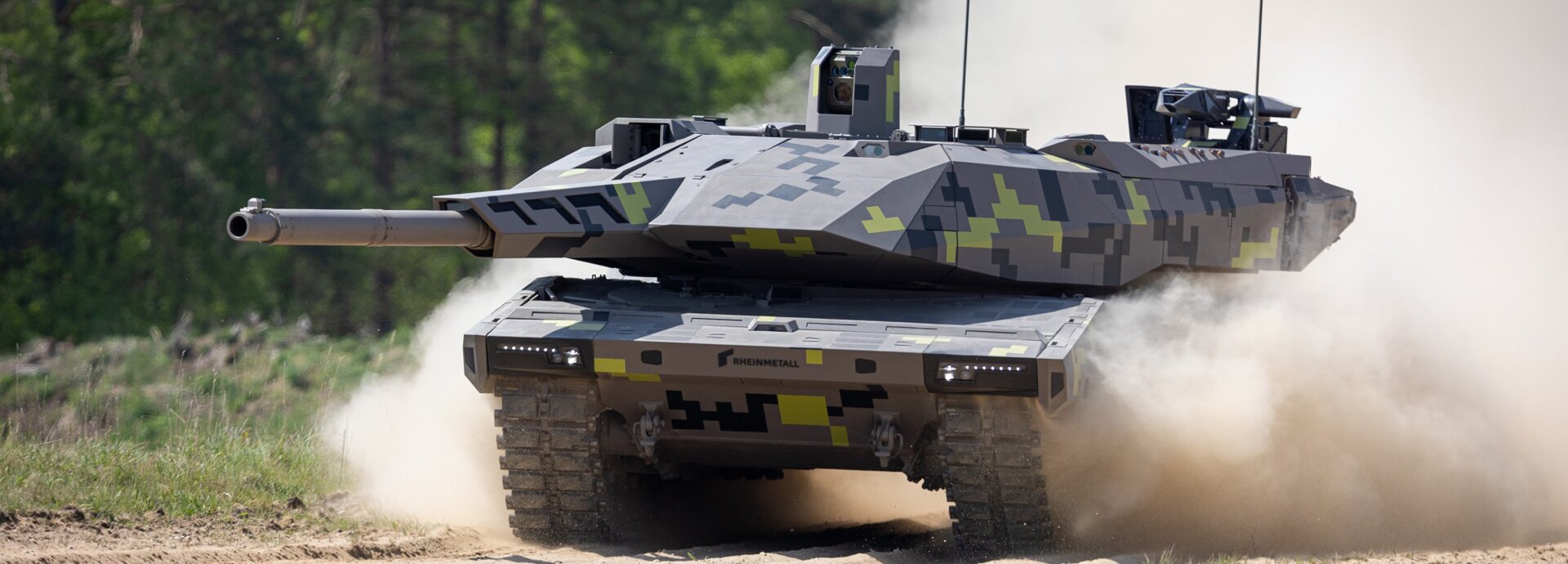
Both nations have long prepared for this. France's KNDS presented a new battle tank at Eurosatory that can replace the Leclerc before MGCS even goes into implementation. On the German side, Rheinmetall is focusing on the Leopard 3 and the KF51 Panther, while KNDS is further developing the Leopard 2 line in Germany. Rheinmetall CEO Armin Papperger recently warned, according to "Welt am Sonntag," of cuts to the French MGCS budget — and simultaneously announced that his company is already preparing for the Leopard 3 as a fallback option. This is the language of companies that know the joint program has no future.
“What remains after the reduction to a platform-independent technology, still being called the Main Ground Combat System, would be an insult to the intellect of anyone familiar with the matter.” — Waldemar Geiger, hartpunkt
Institutional failure instead of industrial
The outsiders quoted by AP and Reuters this week phrase it cautiously: France and Germany "could" abandon the joint development after years of delays and growing differences over division of labor, technology, and schedule. In reality, the decision has long been made. And that is the real scandal: MGCS is not failing due to a lack of money, a lack of technology, or a lack of industry. It is failing due to an institutional structure that prioritized workshare distribution over operational logic, postponed decisions until they became irreversible, and forced two nations with fundamentally different procurement logics into a program that can only function as a whole. Money does not solve institutional dysfunction — the special fund has proven this, SAFE has proven it, and now MGCS proves it.
What the Bundeswehr gains — and Europe loses
For the armored troops of the Bundeswehr, the collapse may indeed be good news: The troops can advance those system developments they consider future-proof, without regard for French demands. But from a European perspective, the finding is devastating. Within four months, the two flagship programs of European defense cooperation — FCAS and MGCS — have de facto died, in the air as well as on the ground. Europe will now develop and procure several national battle tanks and several national combat aircraft side by side, with all the costs of duplication, precisely at the moment when it needs strategic autonomy the most and the American security guarantee is least reliable.
The bitter point is this: Germany and France are investing more in defense today than ever before — and at the same time, they are managing to produce not a single joint tank from two billion-euro programs. More money has not healed the institutional dysfunction. But without the money, Europe would not even have had the chance to ask the question at all. This is the paradox we must live with: European defense integration is not failing due to resources, but due to the inability to use them together.
Germany and France announced a shift from joint development of the Main Ground Combat System (MGCS) to a focus on platform-independent technology for armored platforms on August 11, 2023. This decision highlights ongoing disagreements and delays in the MGCS program, which has led both nations to pursue national solutions for their armored vehicle needs. The failure of this program underscores significant challenges in European defense cooperation.
- Germany and France will no longer jointly develop the MGCS, focusing instead on platform-independent technology.
- The MGCS program has faced significant delays and disagreements over key components like the cannon system.
- Both nations are pursuing national solutions for their armored vehicle needs, indicating a shift away from joint development.
- The failure of MGCS reflects broader issues in European defense cooperation and procurement processes.