
Air taxi company buys Boeing’s drone unit
A pre-revenue air taxi startup has bought its way into the defense drone business, and Boeing is the one that sold it the keys.
Archer Aviation, the Silicon Valley company racing to put electric flying taxis over American cities, announced Monday that it has signed a definitive agreement to acquire three Boeing subsidiaries in a stock swap that instantly turns a company with no commercial revenue into the owner of a profitable military drone maker generating more than $200 million a year.
The deal, confirmed in a series of posts on X by Archer founder and CEO Adam Goldstein, hands Archer control of Wisk Aero, an autonomous flight developer that Boeing had bankrolled for years; Insitu, one of the world’s most established makers of intelligence, surveillance and reconnaissance drones; and SkyGrid, a software company that builds digital air traffic management systems for uncrewed aircraft. In exchange, Boeing is not taking cash. It is taking equity, positioning itself to become one of Archer’s largest outside shareholders with a stake of nearly 20 percent, according to Archer’s own investor announcement of the transaction.
Archer’s stock jumped more than 20 percent in the trading session following the announcement, a reaction that reflects just how much weight investors put on the addition of Insitu’s balance sheet to a company that has spent years burning cash on aircraft certification with little revenue to show for it.
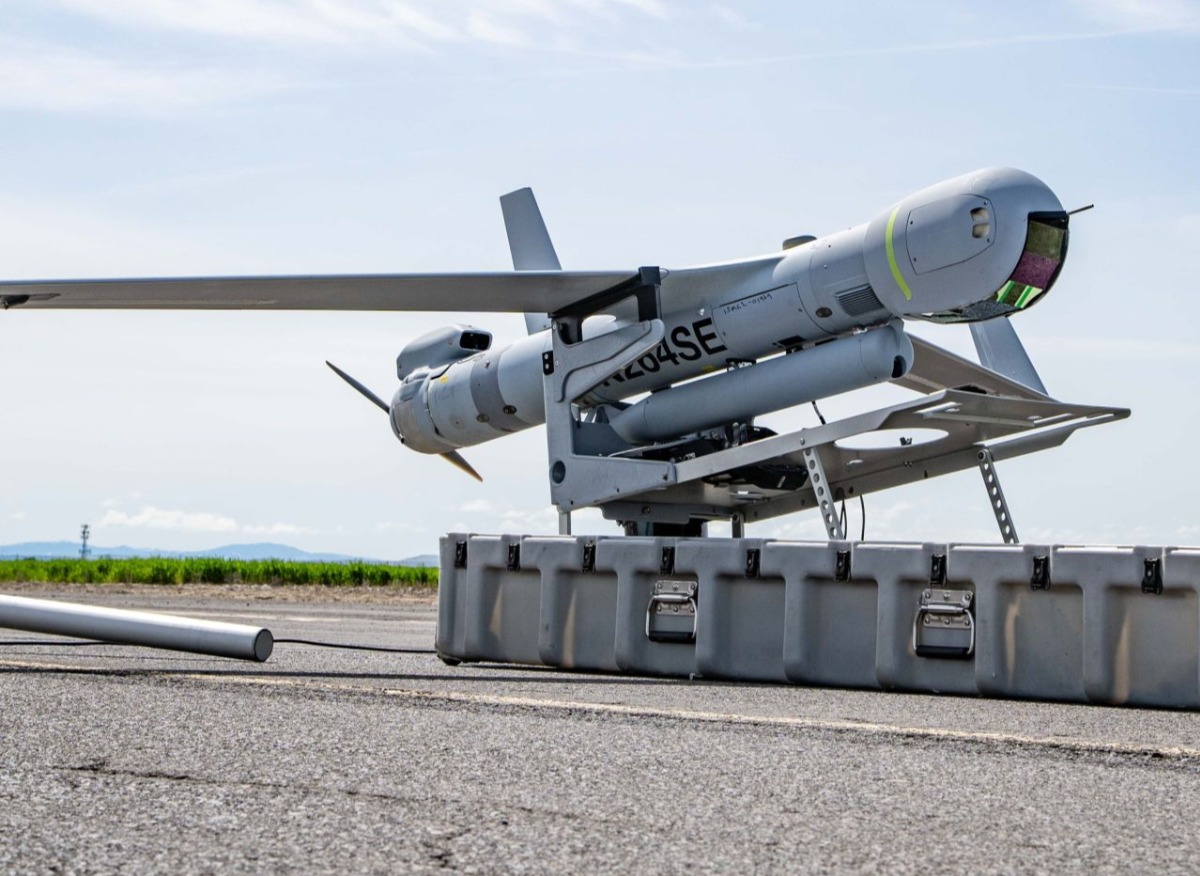
Insitu is the piece that changes Archer’s story overnight. Founded to help commercial fishing boats spot schools of tuna from the air, the company pivoted toward military reconnaissance in the early 2000s and built the ScanEagle, a small, catapult-launched surveillance drone that has logged more than 10,000 hours of real-world flight time since entering service in 2005. The ScanEagle carries a cruise speed of roughly 50 to 60 knots, a flight ceiling near 19,000 feet (5,800 meters) and an endurance of up to 18 hours, numbers that made it a workhorse for the U.S. Navy and Marine Corps and for allied militaries in places like Canada, Poland, Australia and Malaysia. Insitu later scaled that design up into the RQ-21A Blackjack, a larger tactical drone with a wingspan of 4.9 meters (15.7 feet) that replaced the Marine Corps’ older Shadow drones in 2018. Across its history, the company has built more than 3,500 uncrewed aircraft systems now operating with armed forces in 35 countries, a footprint that Goldstein’s own posts described as a key piece of Archer’s diversification strategy.
Wisk Aero brings a different kind of value. The company has spent roughly two decades developing self-flying aircraft, most recently flying its sixth-generation autonomous vehicle in December 2025 after more than 1,750 test flights, and it holds the distinction of being the only company to have designed, built and flown a piloted-optional aircraft with no pilot on board at all. SkyGrid rounds out the trio with airspace management technology it has developed since 2018, software designed to help regulators and operators track and coordinate large numbers of autonomous aircraft sharing the same skies, a problem that grows more urgent as drones and air taxis multiply over populated areas.
Archer plans to fold the software, flight histories and engineering knowledge from all three companies into ZEE, its in-house artificial intelligence platform built specifically for aerospace and defense applications. Goldstein framed the SkyGrid piece of that plan directly in his own words posted to X. “SkyGrid is highly complementary to ZEE as it has been developing next-generation airspace management solutions since 2018. That tech is in use today, and I believe SkyGrid plus ZEE can become a “must have” air traffic management product that helps modernize airspaces around the world. I see a clear path to significant AI revenue, and the team is heads-down building toward that.”
Archer announced last month, in partnership with defense technology firm Anduril Industries, a dual-use aircraft platform called Halo for commercial customers and Thunder for military ones, unveiled together at the Farnborough International Airshow in England in July 2026. The two variants share the same airframe, hybrid-electric powertrain and core flight systems, built to be produced quickly and cheaply using commercial supply chains rather than the slower, costlier processes typical of traditional defense manufacturing. Goldstein has described that platform as a massive opportunity spanning both commercial and defense markets, and the Boeing acquisition gives Archer the autonomy engineering talent and the existing defense customer relationships to try to make good on that bet at scale.
As part of the agreement, the aerospace giant secured a cross-licensing arrangement giving it continued access to Wisk’s core autonomous flight systems for use in its own current and future commercial and defense aircraft, along with a commitment to invest up to $55 million in an upcoming Archer funding round. The arrangement lets Boeing keep a hand in the autonomy race it helped fund for years while shedding the operational costs of running three separate subsidiaries that sat outside its core focus on commercial jets and defense programs.
Content preview only. Full article available at source. View Full Article
Archer Aviation announced the acquisition of three Boeing subsidiaries, including Insitu, to enter the defense drone market. This strategic move allows Archer to leverage Insitu's military drone capabilities, enhancing its position in both commercial and defense sectors. Boeing will retain a significant equity stake in Archer, indicating a continued partnership in aerospace innovation.
- Archer Aviation acquired three Boeing subsidiaries in a stock swap.
- The acquisition includes Wisk Aero, Insitu, and SkyGrid.
- Insitu is known for its military drones, including the ScanEagle and RQ-21A Blackjack.
- Boeing will hold nearly 20% equity in Archer after the deal.
- Archer plans to integrate technologies from the acquired companies into its AI platform ZEE.