
Boko Haram kills 15 farmers in Nigeria — Marte becomes the fragile lock of Lake Chad
 Marie Dubois
Boko Haram kills 15 farmers in Nigeria — Marte becomes the fragile lock of Lake Chad
Marte, Borno State, October 1, 2026. Fifteen farmers were killed and three others abducted while harvesting their fields in the wards of Ala, Gumna, and Musune, near the local council headquarters. The bodies could only be recovered the following morning. This is not a simple episode of rural violence. In Marte, harvesting has become a risky mission, and every abandoned field expands the logistical space left to armed groups.
The Borno State police confirmed the death toll of fifteen and the opening of an investigation. Authorities speak of suspects linked to Boko Haram, while local testimonies describe a close-range attack. Caution is therefore necessary regarding the exact attribution and the chain of command. However, the mechanism is perfectly identifiable: civilians leave a relatively protected point, travel a few kilometers to their lands, and enter an area where the state can no longer guarantee their return.
An attack on food, not just on civilians
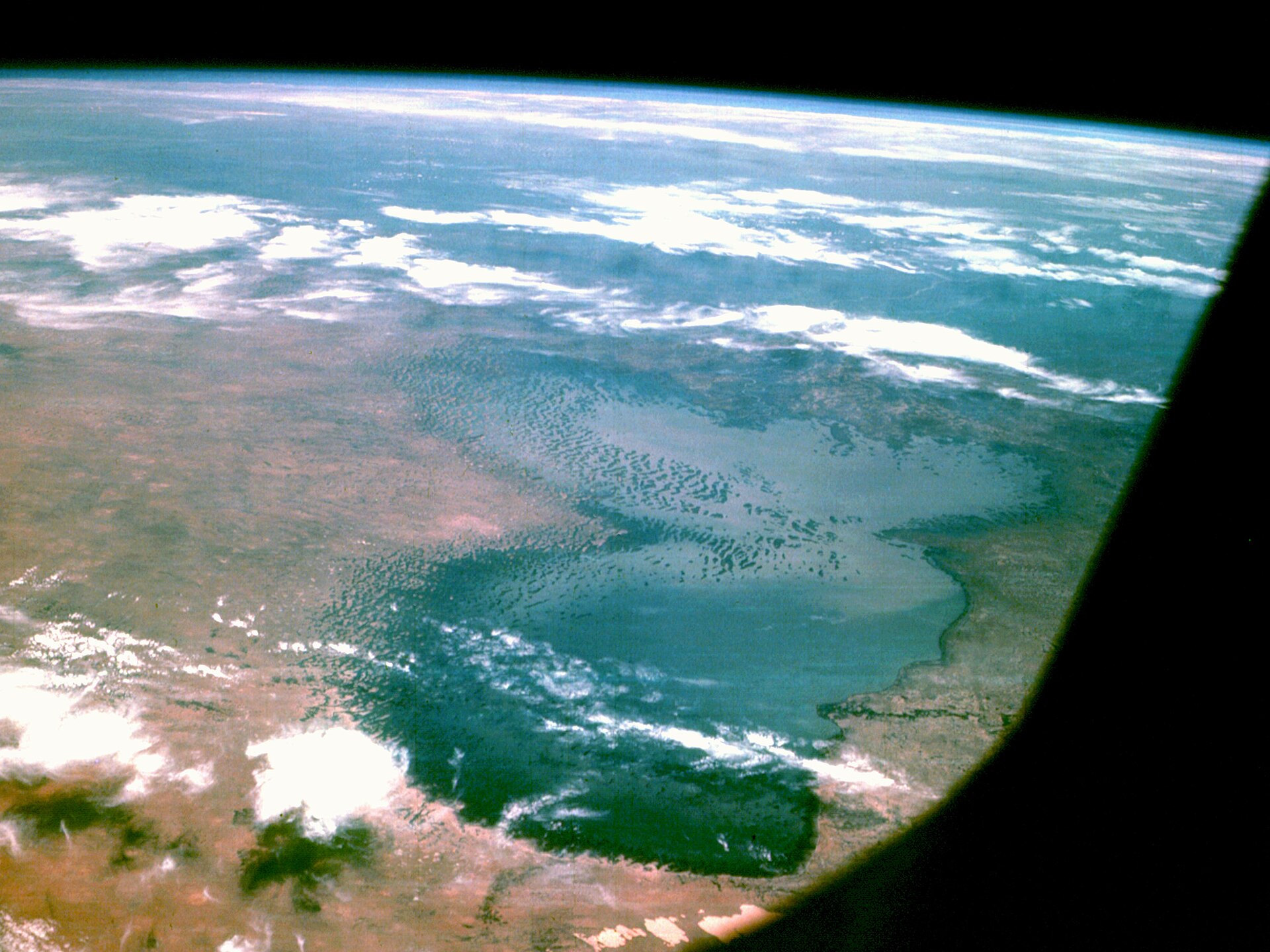
Marte is within the operational orbit of the Lake Chad basin, a theater where the borders of Nigeria, Chad, Cameroon, and Niger touch without national forces being able to maintain a continuous presence. The islands, seasonal channels, reed areas, and agricultural paths create a terrain for infiltration more useful than a large fixed base. For an insurgent unit, it is often enough to monitor movements, choose a harvest day, and leave before reinforcements arrive.
The economic target is clear. Killing fifteen men and abducting three not only reduces the local population: it interrupts the harvest, discourages families from returning, and increases the cost of supplies for villages. The military constraint then becomes a food constraint. Residents must choose between losing their field, paying for an improvised escort, or exposing themselves to an ambush. Under these conditions, Boko Haram does not need to hold every village permanently. It is sufficient for them to control the routes and the timing of work.
The signal sent to Abuja
The police statement and Amnesty International's condemnation converge on one point: the victims were residents trying to make a living, not fighters engaged in an operation. Amnesty describes the deliberate targeting of civilians as a serious violation of international humanitarian law and calls for a transparent response that respects human rights. This second requirement matters on the ground. A sweep operation that adds arbitrary arrests or destruction of crops can provide the armed group with the recruitment and resentment it needs.
Abuja's problem is therefore not just to deploy more men. It is necessary to hold the ground during the agricultural window, escort the routes actually used, and make information actionable by local units. A patrol that passes once on a road does not take control of it. Control begins when residents know what time they can leave, which radio to call, and which force will actually arrive before nightfall.
A space where factions complement each other
In the Lake Chad basin, the name Boko Haram covers a shifting reality. The historical faction, dissident cells, and the Islamic State in West Africa (ISWAP) do not share the same methods or priorities, but all benefit from an environment where military posts are far from production areas. It would be unwise to turn every attack into proof of coordination between groups. It would be equally dangerous to ignore how their pressures mutually reinforce each other: population displacement, forced collection, local intelligence, and access to lake corridors.
The geography explains why a tactical victory around a base is not enough. Marte is not an isolated point on an administrative map. It is a hub between cultivated lands, riverside villages, and the routes leading down to the lake. If Nigerian forces cannot secure seasonal movements, the insurgency will retain operational depth even after the recapture of a camp or the elimination of a local leader.
The next battle will be the return
The available information precisely describes the massacre, but it does not yet allow for establishing the identity of the perpetrators, their numbers, or their escape route. This uncertainty is not a journalistic detail: it shows the weakness of tactical intelligence at the level where the war is decided. A credible investigation will need to exploit communications, vehicle traces, and testimonies without further exposing families.
The urgent question now is whether the farmers will return to their fields. If they do not, the attack will have produced a territorial effect greater than its human toll. The next useful operation in Marte will not be a show of force in an urban center, but a repeated presence on agricultural paths, accompanied by local intelligence capabilities and safe humanitarian access. In the Lake Chad basin, abandoning a field often amounts to ceding a position. And a ceded position is rarely regained without paying much more dearly.
Sources
Boko Haram attacked farmers in Marte, Borno State, on October 1, 2026, killing fifteen and abducting three during harvest. The assault underscores the dangers faced by civilians in agricultural areas, as local authorities confirmed the casualties and began an investigation. This incident not only results in loss of life but also threatens food security and local livelihoods.
- Fifteen farmers were killed and three abducted by Boko Haram.
- The attack occurred in the wards of Ala, Gumna, and Musune near the local council headquarters.
- The incident highlights the risks faced by civilians during harvest time in the region.
- Local authorities confirmed the casualties and initiated an investigation into the attack.
- The attack disrupts local food production and increases insecurity in the area.