
Chad Reopens the Door to France — 600 Soldiers Return After the 2024 Divorce
 Marie Dubois
Chad Reopens the Door to France — 600 Soldiers Return After the 2024 Divorce
In N'Djamena, the first French elements have already returned. Since spring 2026, liaison teams have been circulating between the Chadian capital and Paris, without official announcement, quietly — Le Monde documented this in June, and the Institute for Security Studies (ISS) confirms it in an analysis published this week. A year and a half after sending home about a thousand French soldiers, Mahamat Idriss Déby is reopening the door to the former colonial power. The planned detachment would consist of around 600 men, compared to 2,300 before the break.
The 2024 Divorce and Its Lessons
The military cooperation between Paris and N'Djamena had lasted since the mid-1960s, punctuated by two breaks: 1975-1976, and then November 2024, when Chad denounced the agreement in the name of sovereignty. This gesture was part of a wave that had already swept away Mali, Burkina Faso, and Niger — the three states of the Sahel States Alliance (AES), which left ECOWAS in 2025 and turned towards Moscow. Like them, Chad had left the International Criminal Court.
But Chad never joined the AES. It remained the last link in a collapsed French system, and its divorce did not hold. This is the first lesson: the sovereignist break lasted less than eighteen months.
Disappointing Substitute Partners
Déby's regime attempted diversification. The results, according to the ISS, are meager: Russia has not thrived, and the poor results of its allies in Mali do not encourage further engagement. Turkey sells drones and trains crews but does not commit on the ground — and its equipment is deemed too expensive for low operational yield. The United Arab Emirates finance and deliver equipment, but their support for the Rapid Support Forces (RSF) in neighboring Sudan has become diplomatically toxic for N'Djamena, caught between a burning eastern border and a funder arming the opposing camp.
Hungary has signed economic and military agreements, but on a marginal scale. None of these partners offer what Paris provided: near-permanent, versatile support, with officer training, intelligence, aerial surveillance, and logistical support — and political protection at the Security Council.
“The new partnerships are transactional. France, on the other hand, was structural. That’s the whole difference.”
What 600 Men Can — and Cannot — Do
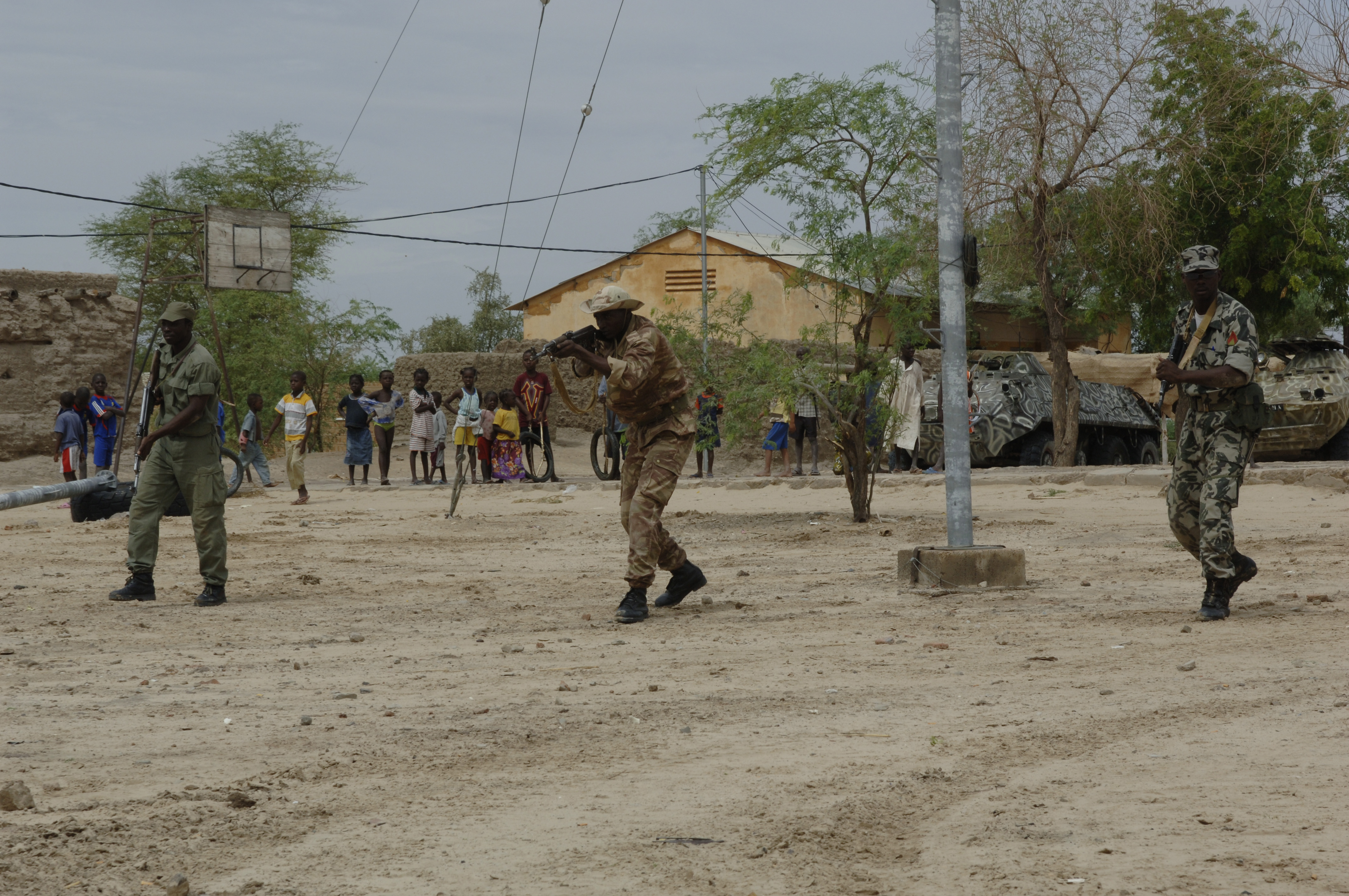
On paper, the return is modest: a liaison detachment, without permanent bases, with less equipment. Paris is betting on a light footprint and a “discreetly designed” partnership. On the ground, I know the limits: 600 men cannot hold territory three times the size of France. But Chad's need is not primarily for infantry — it is for intelligence.
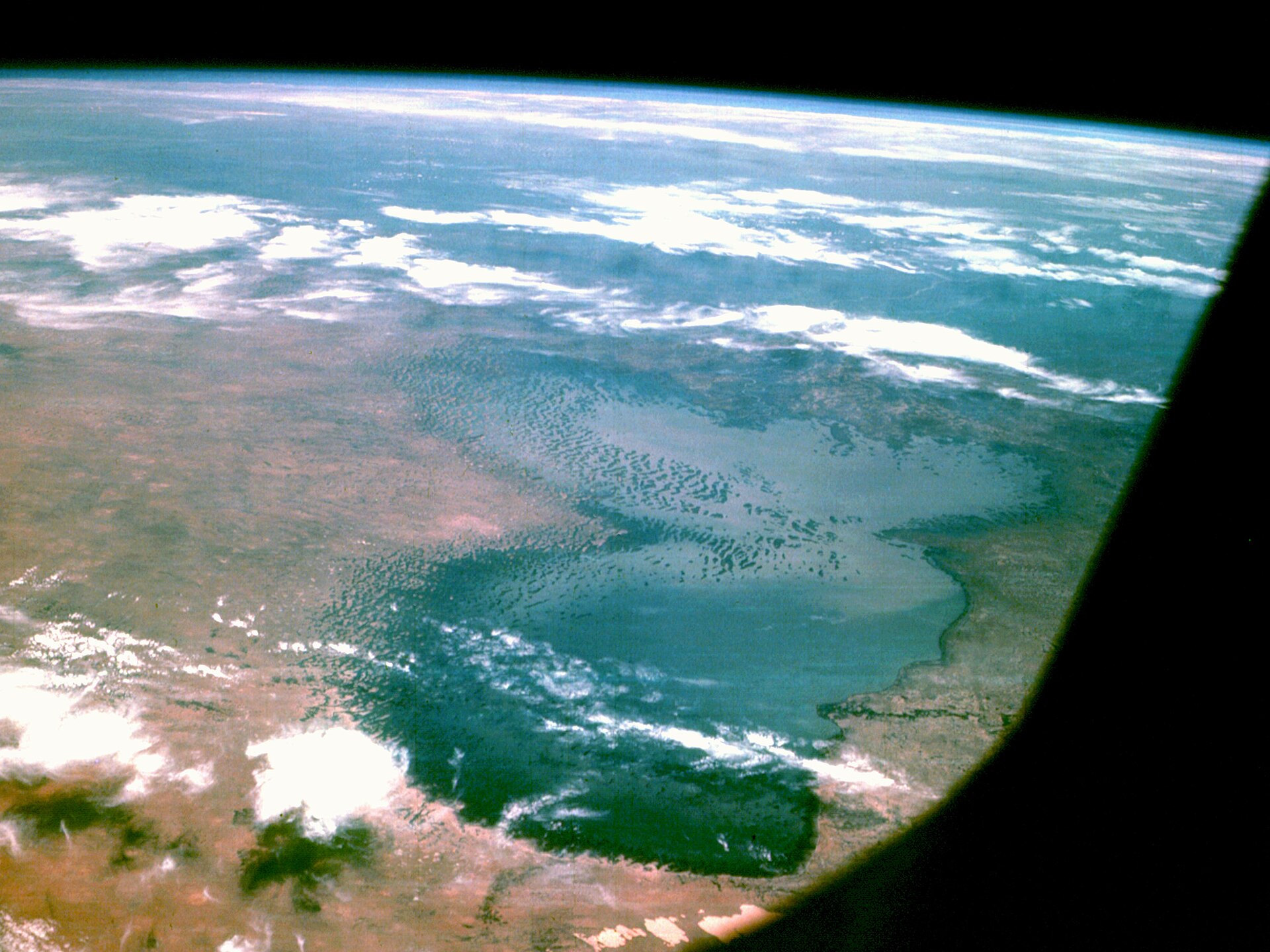
The threats are known: the spillover of the Sudanese war to the east, the resurgence of the Movement for Peace, Reconstruction, and Progress (MPRP) in the Moyen-Chari to the south, and the persistent presence of Boko Haram around Lake Chad. All of this requires territorial surveillance and aerial intelligence — exactly what the French army knows how to do with a reduced footprint, from bases in Niger and Chad that it knows by heart.
The Political Price of Return
The return comes at a cost in domestic and regional politics. Domestically, the Chadian youth, who applauded the 2024 break, may read this rapprochement as an abandonment of the sovereignist narrative and a return of Françafrique. In the region, the AES neighbors — who have made anti-French sentiment their glue — will once again see N'Djamena as a proxy for Paris. Chad, which had left the ICC alongside the AES states, is now reversing course: the fracture is visible.
Déby is playing a double game: he is reaping the security dividends of the French return while cultivating the image of a non-aligned country. The exact numbers of the detachment are not confirmed, and Paris's discretion suggests that both capitals want to avoid a public debate — a sign that the subject remains politically volatile.
What to Watch For
The question is not whether cooperation resumes — it is already underway. The question is whether it will hold this time. Three indicators to follow: first, the eastern border with Sudan, where Chad's positioning between the RSF and their rivals will determine N'Djamena's credibility as a mediator; next, the Moyen-Chari, where the MPRP tests the capacity of Chadian forces without air support; finally, the reaction of the AES capitals, which could translate this rapprochement into diplomatic or security pressure on their common borders.
The real danger is not a return to Françafrique — that era is over, and the 600 men are not an army. It is the opposite: that this discreet partnership does not deliver visible results, and that the same sovereignist pressure that produced the 2024 divorce resurfaces, stronger, in two years. Déby has burned once. He now knows that alternatives are costly. The question remains whether the return of France will yield enough results for him not to have to choose again.
French troops are returning to Chad, with approximately 600 soldiers already in N'Djamena as of 2026. This marks a significant shift in military cooperation after a period of withdrawal that began in 2024. The return is driven by Chad's need for intelligence and surveillance capabilities amid regional security threats.
- Chad is reopening military cooperation with France after a period of withdrawal.
- Approximately 600 French soldiers are returning to Chad.
- The return follows a significant diplomatic shift after the 2024 rupture.
- Chad's military needs include intelligence and surveillance capabilities.
- The political implications of this return are significant for Chad's internal and regional relations.