
Cheaper Patriot partners: U.S. Army names 30 finalists
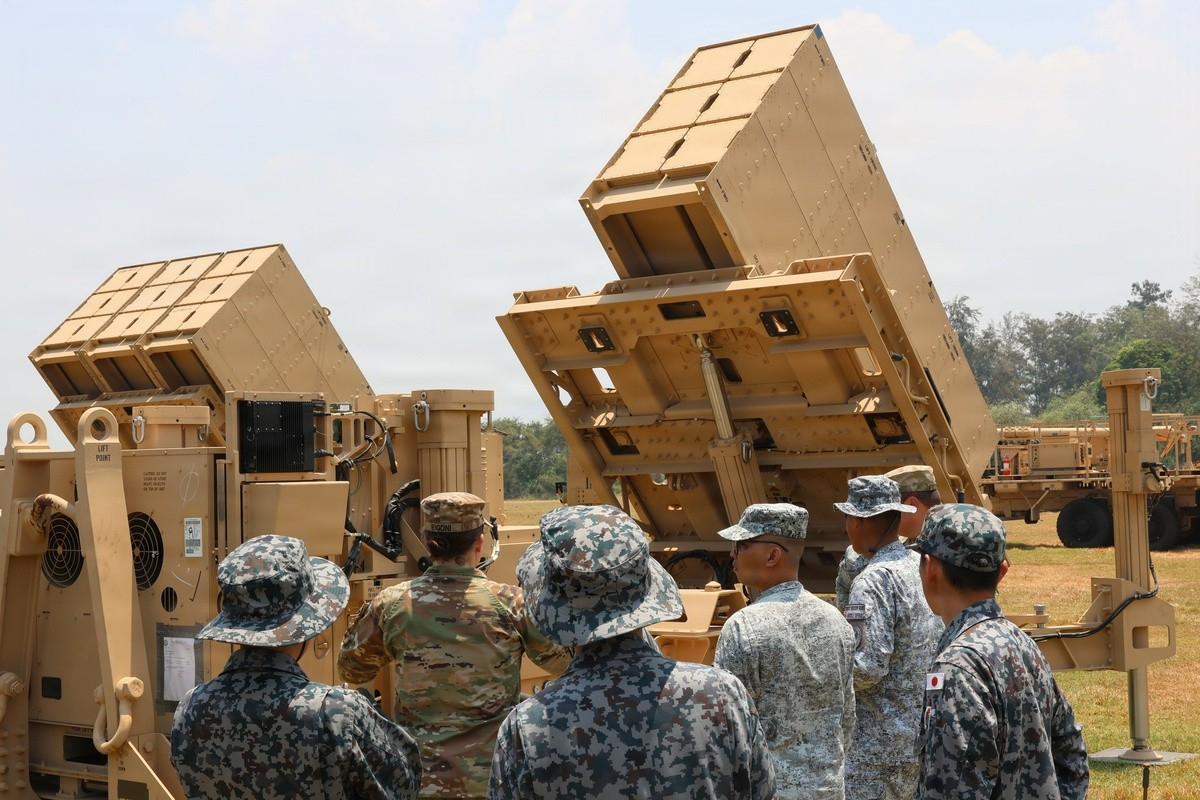
The U.S. Army has picked 30 finalists, from defense giants such as RTX and Northrop Grumman to startups in Australia and the United Kingdom, in a prize competition to find cheaper interceptors that could fly alongside the Patriot air defense system.
The Army’s xTech program announced the finalists for xTech|Apex Intercept this week. Each receives $25,000 and a chance to demonstrate its technology to Army and Department of War experts and end users between Oct. 1 and Nov. 30. The Army plans to name up to 18 winners by Dec. 31.
The competition is run by the Army’s FUZE xTech program with the Capability Program Executive for Defensive Fires. The Army says it wants low-cost interceptors to add to Patriot’s work against aircraft and drones, cruise missiles, and close-range and short-range ballistic missiles. It has not published a target price per interceptor.
The Army split the contest into four topics. The largest, with 10 finalists, covers complete low-cost interceptors, called all-up rounds, together with their fire control. Those finalists include RTX, which builds Patriot, as well as Anduril, AeroVironment, QinetiQ, UDD Tech, Wardstone, Greenjets, Furientis, AEON Industries and AirX Robotics, which entered its Katana interceptor.
Seven companies are competing on low-cost solid rocket motors: Northrop Grumman, L3Harris, General Dynamics Ordnance and Tactical Systems, Ursa Major, X-Bow Systems, Australia’s DefendTex and Britain’s Cambridge Aerospace. Six are working on low-cost seekers, the sensors that guide an interceptor onto its target, including Leonardo DRS, Toyon and Technology Service Corporation. One seeker entry, a radio-frequency design, is listed under Cherrill Consulting Group with the logo of Israel Aerospace Industries.
The final seven are working on fire control and flight guidance, the software and hardware that aim and steer an interceptor. They include Australia’s Advanced Navigation, which proposed guidance that works without GPS, radio maker Persistent Systems and Australian firm Rocket Fast Drones.
Winners of the complete-interceptor topic can receive up to $1 million each, and winners in the other three topics up to $750,000 each, with $7.25 million set aside for the final round. The total prize pool is up to $8 million. The Army says winners may be considered for follow-on prototype agreements or contracts, and finalists may be invited to submit separate proposals for further development.
The competition was open to small, medium and large businesses in the United States and allied countries. Companies submitted white papers of up to five pages between July 7 and July 24, along with an optional five-minute video.
Content preview only. Full article available at source. View Full Article
The U.S. Army selected 30 finalists for a competition aimed at developing cheaper interceptors to complement the Patriot air defense system. The finalists, which include major defense firms and startups from the U.S., Australia, and the U.K., will demonstrate their technologies between October 1 and November 30. Winners may receive substantial financial awards and potential contracts for further development.
- U.S. Army selected 30 finalists for a competition to develop cheaper interceptors for the Patriot system.
- Finalists include major defense companies and startups from the U.S., Australia, and the U.K.
- Each finalist receives $25,000 and a chance to demonstrate technology between October 1 and November 30.
- Winners may receive up to $1 million for complete interceptors and $750,000 for other categories.
- The total prize pool for the competition is up to $8 million.